By BELLYNE BUTOYI | PROJECT LEADER
NEW LIFE BURUNDI OF YOUTH
Bujumbura Burundi
Muyinga
Project repport Children in the region are worst-affected
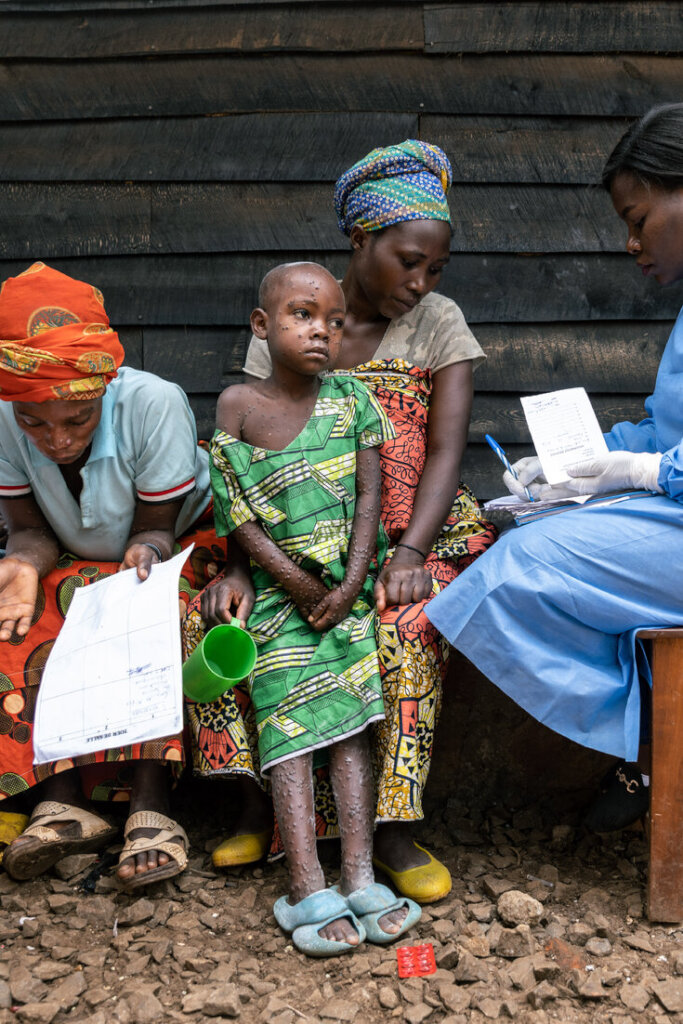
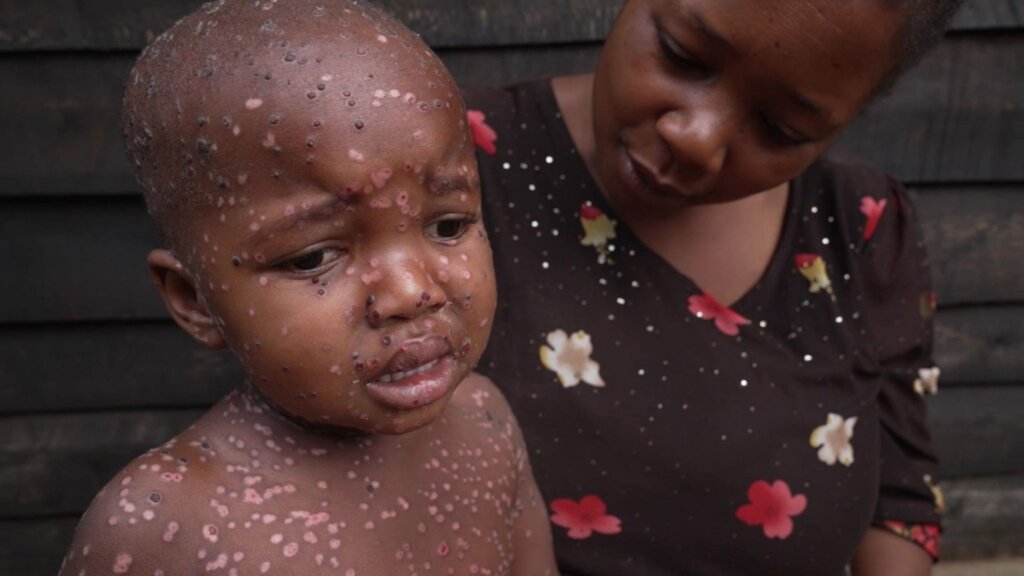
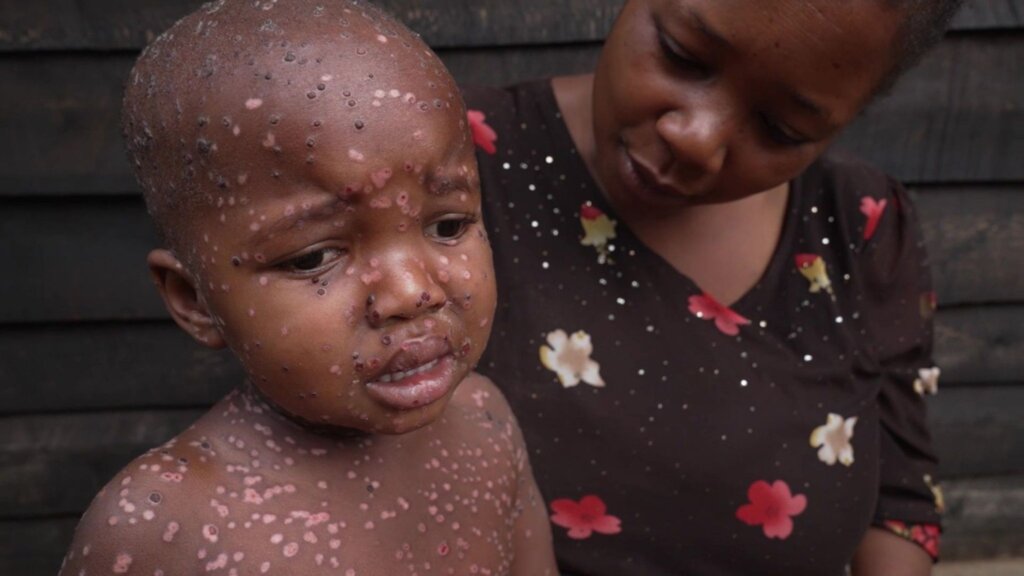
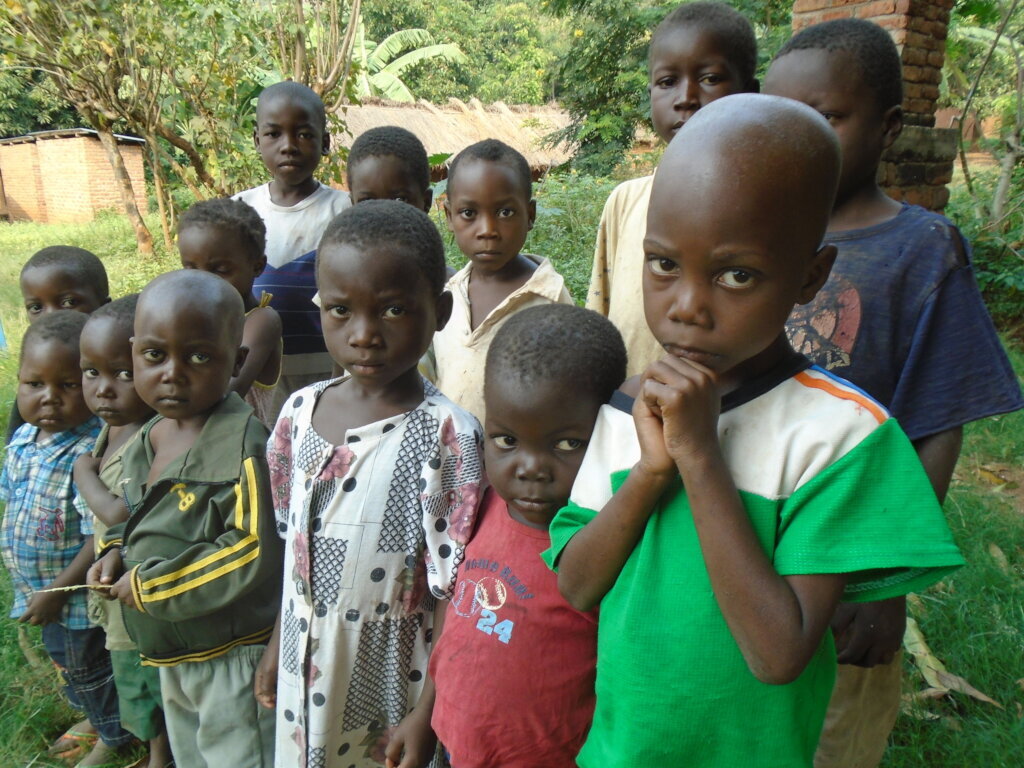
Children in the region are worst-affected, and survivors report struggling with social stigma, but recent reports suggest spread may be plateauing.
On the outskirts of Bujumbura, in a suburb called Kinama, 41-year-old mechanic Nyabuyoya Balthazar is tinkering with damaged cars while he recounts his recent brush with mpox, the viral illness still being considered a public health emergency of international concern (PHEIC) by the World Health Organization (WHO).
A father of four children, started experiencing symptoms in September.
“I started feeling headache and I was always weak and I had a pimple on my private part and I thought that it was normal,” he recalls. “I took some paracetamol but I wasn’t getting relieved from the headache.”
“I decided to go the hospital… at the hospital I was received by health workers who started educating us about the signs and symptoms of the mpox. And all the signs they mentioned, I realised I had them, so they tested me and the result came out positive,” he says.
He recalls the stress of being hospitalised in an isolation centre for one month, on oral treatment, before finally making his recovery.
He numbers among thousands of new survivors. The first case of mpox in Burundi was confirmed on 25 July 2024, as the viral disease flared regionally and spread globally, with the accelerated spread spurred dominantly by a new strain, known as Clade Ib.
By 9 December, Burundi had recorded 2,334 cases of the virus and a single fatality. In Burundi, the epidemic has been largely concentrated in and around Bujumbura, while central Gitega city is a second hotspot. In both Burundi and the Democratic Republic of the Congo (DRC), children have been disproportionately affected.
Caused by a simian orthopox virus and spread by close contact, including via sex, mpox has affected more than 120 countries since 2022. All six WHO regions have registered spread, with more than 115,000 cases and more than 255 deaths recorded between 2022 and October 2024.
Africa is the epicentre of the current surge, with 13,171 mpox cases and 57 confirmed fatalities recorded between the start of the year and early December.
“Health workers who started educating us about the signs and symptoms of the mpox. And all the signs they mentioned, I realised I had them, so they tested me and the result came out positive
Unfamiliar territory
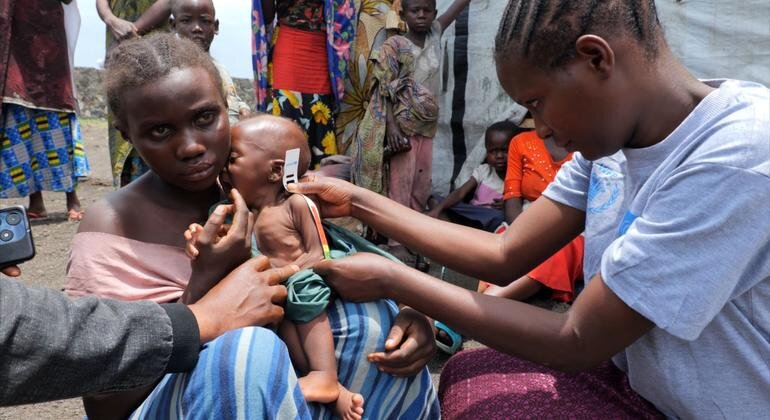
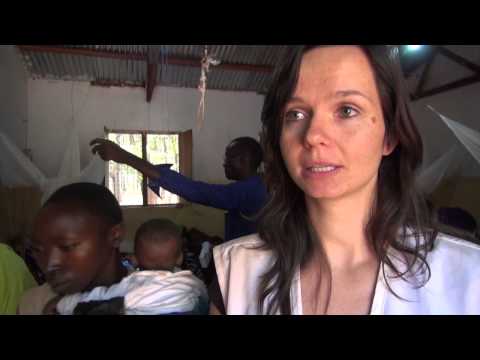
Dealing with a relatively rare disease comes with specific challenges. “There is need of more sensitisation programmes for health workers and those in laboratories because most of us are yet to get enough and necessary knowledge to deal with this epidemic,” said people a health worker at one of the hospitals in Kabezi in the outskirts of Bujumbura. Health workers including him , he have also called for better supplies of personal protective equipment to protect themselves and other health workers who are treating patients.
By early November, however,He was hopeful the outbreak was ebbing: “Last month we had more than ten patients but this week we have around four people, so we hope there will be a decline in cases,” she said. A 9 December situation report echoed her observations, reporting “indications of a plateau in recent weeks”.
Not over until it’s over
For survivors, recovery may not be the end of the road. Social stigmatisation has been reported in many communities, including in Kinama suburb. “Some neighbours don’t even want to greet me despite knowing that I recovered from the disease,” said Nyabuyoya Balthazar.
Meanwhile, Burundi’s government is launching a communications initiative to try and hit back against the kind of ignorance that can spur social isolation. Radio adverts on preventive measures against mpox are playing, awareness stands have sprung up at the Kamenge District Hospital. Surveillance teams are investigating alerts and conducting contact tracing. All of that will hopefully help demystify the still-novel illness for a rattled pub
Bujumbura
Muyinga 28/12/2024
Project reports on GlobalGiving are posted directly to globalgiving.org by Project Leaders as they are completed, generally every 3-4 months. To protect the integrity of these documents, GlobalGiving does not alter them; therefore you may find some language or formatting issues.
If you donate to this project or have donated to this project, you can receive an email when this project posts a report. You can also subscribe for reports without donating.



Support this important cause by creating a personalized fundraising page.
Start a Fundraiser