Hospital for Burundian's charities.

by NEW LIFE BURUNDI OF YOUTH
Hospital for Burundian's charities.

Project Report | Aug 21, 2025
Hospital for Burundian's charities

By Butoyi Bellyne | Orphanages accommodation


Orphanage Accommodation in Burundi — Brief Report (2025)

  • Burundi remains a low-income, densely populated country where children face heightened protection risks (poverty, displacement, climate shocks)2025 situation reports highlight ongoing humanitarian needs among children and caregivers across the country.
  • Policy direction favors family- and community-based care over long-term institutionalization, with recent national strategies reinforcing this shift.

2) Legal & policy framework relevant to accommodation

  • National Strategy for the Alternative Care of Children in Burundi (adopted March 2021): frames the transition away from institutional care, promoting kinship, foster, and other family-based options, and development of minimum standards for care institutions.
  • Child protection policy (2020–2024) and ongoing code updates aim to strengthen the protective legal environment and clarify standards and oversight for children deprived of parental care.
  • Violence prohibition gaps: international reviews urge Burundi to explicitly ban corporal punishment in all alternative care settings (including orphanages) and to enforce monitoring/inspection.
  • Hague Adoption Convention: Burundi is a party; intercountry adoption is possible through the central authority. This influences gatekeeping/placement decisions for children in institutional care.

3) Current accommodation landscape (what’s typical)

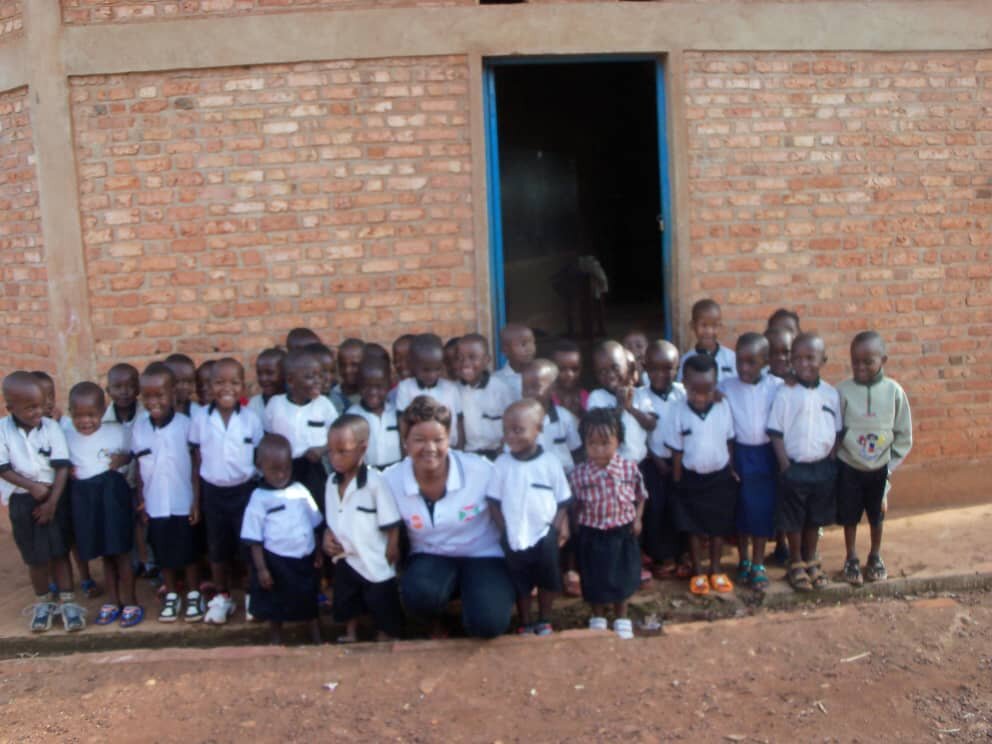
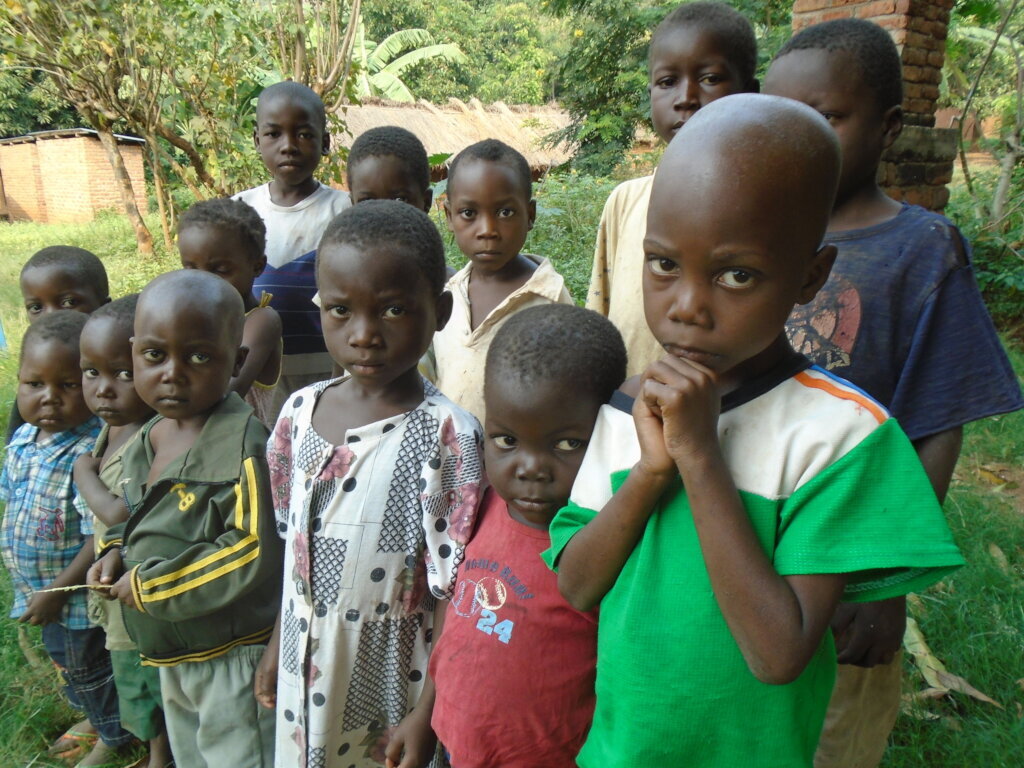
  • Children without adequate parental care are still often cared for in orphanages, though policy aims to expand family-based alternatives. Humanitarian actors (partners) support case management, family tracing/reunification, and prevention of family separation.
  • Capacity & quality vary: external assessments have long raised concerns about consistent standards, safeguarding, psychosocial support, and access to education/health for children living in institutions or informal placements—hence the push for national minimum standards and inspections.

4) Needs and risks linked to institutional accommodation

  • Protection risks: risk of physical punishment and lack of systematic monitoring in institutional settings; calls for legal prohibition, staff training, and grievance mechanisms.
  • Developmental risks: institutionalization can impact attachment and development; Burundi’s strategy aligns with global evidence favoring small-scale, family-type care and community services. (Inference based on the strategy’s goals and programming in Burundi.)
  • Scale of vulnerability: historic reviews noted very large numbers of orphans and street-connected children, underscoring demand for alternative care; exact current figures are uncertain and should be verified locally.

5) Accommodation standards — what “good” should include (Burundi policy direction + international guidance)

  • Registration & licensing of any residential care facility; routine government inspections (child protection/social affairs) using national minimum standards.
  • Child safeguarding: absolute ban on corporal punishment and degrading treatment; staff vetting; child-friendly reporting channels.
  • Care model: small group homes or short-term residential care focused on reintegration or family placement—never long-term institutionalization as the default.
  • Case management: individual care plans; access to health, education, psychosocial support; family tracing and reunification where safe.
  • Community links & transition: preparation for independent living for older adolescents; support for kinship/foster options in the community.

6) Practical recommendations (for programs, donors, or local authorities)

  1. Map and assess all residential care facilities against the 2021 alternative care strategy; prioritize upgrading, downsizing, or transforming large institutions into family-type care.
  2. Finalize/operationalize national minimum standards (where pending), including corporal-punishment prohibition, staffing ratios, and safeguarding ; train inspectors and caregivers.
  3. Scale family-based care (kinship/foster) with stipends, social services, and community casework to reduce inflow to orphanages.
  4. Strengthen gatekeeping at community and health/justice entry points; ensure birth registration and documentation to unlock services.
  5. Integrate Mand education supports for children in any residential setting; ensure reintegration planning starts on admission.
  6. Coordinate with central authority on adoption (Hague compliant) only when family-based domestic solutions are not possible and in the child’s best interests.

7) Data gaps to resolve

  • Up-to-date number and types of residential facilities; occupancy; staffing levels; inspection results.
  • Current prevalence of children in institutional vs. family-based care (post-2021 strategy).
  • Budget execution for child protection at national and commune levels (beyond prior budget briefs).

Share on Twitter Share on Facebook

About Project Reports

Project reports on GlobalGiving are posted directly to globalgiving.org by Project Leaders as they are completed, generally every 3-4 months. To protect the integrity of these documents, GlobalGiving does not alter them; therefore you may find some language or formatting issues.

If you donate to this project or have donated to this project, you can receive an email when this project posts a report. You can also subscribe for reports without donating.


Sign up for updates

Organization Information

NEW LIFE BURUNDI OF YOUTH

Location: Bujumbura - Burundi
Project Leader:
KUBWAYO ROMAIN
Bujumbura , Bujumbura Burundi

Learn more about GlobalGiving

Teenage Science Students
Vetting +
Due Diligence

Snorkeler
Our
Impact

Woman Holding a Gift Card
Give
Gift Cards

Young Girl with a Bicycle
GlobalGiving
Guarantee

Get incredible stories, promotions, and matching offers in your inbox

WARNING: Javascript is currently disabled or is not available in your browser. GlobalGiving makes extensive use of Javascript and will not function properly with Javascript disabled. Please enable Javascript and refresh this page.