By Bruce Gardiner | Project Director
The Institutional Stove
There are many institutions in Burma that cook food in large quantities, such as schools, orphanages and monasteries. In Naung Taung monastery, (see last report), it is normal for 1,000 people to sit down for lunch! I had conducted a successful stove training there earlier and I was determined to build a scientifically designed Rocket stove to replace the existing inefficient and smoky fires.
After several disappointing trials with insulated clay bricks, I determined to use a more durable material for the combustion chamber of our institutional-sized stove. I chose stainless steel, as it resists the effects of heat much longer than mild steel. Although stainless steel is imported from China and it is relatively expensive in the Burmese context, I wanted to see how it would perform.
With some other stoves I had built in the past, cooks complained that there was not enough heat, so this time I decided to use a combustion chamber that was 8” by 8” square – a real giant! I was ably assisted in the building phase by Hamish Lee, our New Zealand volunteer, who had a engineering background and good construction skills.
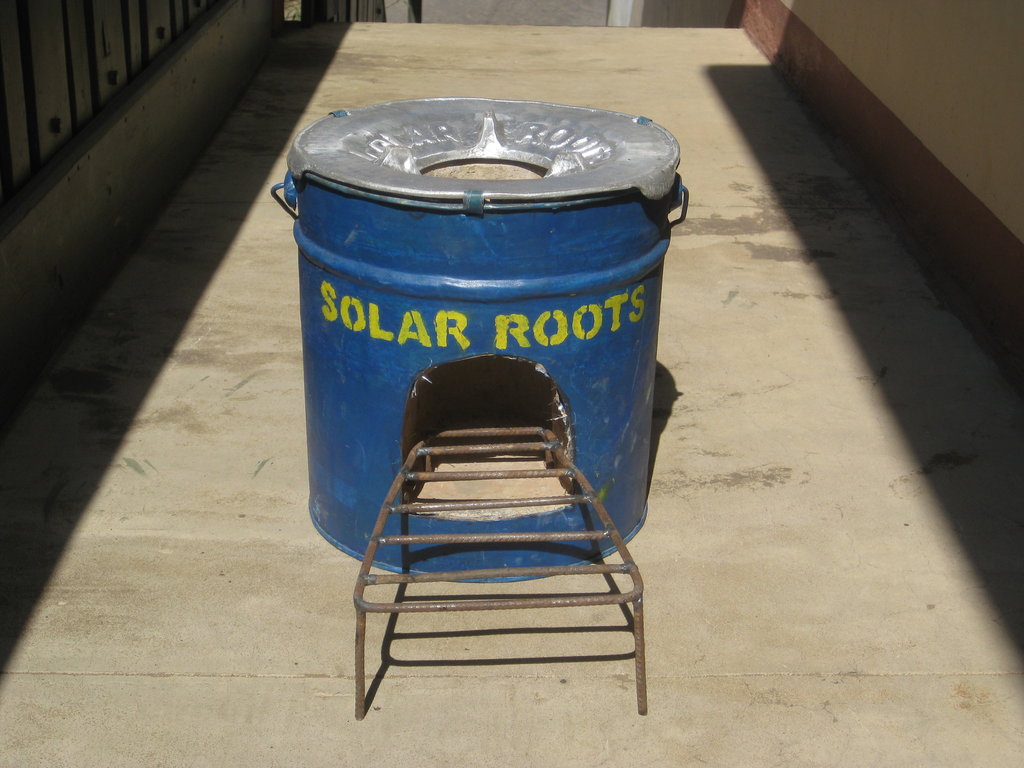
Stainless steel is a very hard metal, difficult to drill through, but with the new spot welder I had recently brought from the US, making the required joints was no problem. For stability and to hold the insulation around the combustion chamber, I placed it inside a 55 gallon drum. This is similar to the design used by Instove, a non-profit stove builder based in Oregon.
Inside the drum and surrounding the combustion chamber I placed wood ash collected from previous fires, which insulates the chamber and slows down the heat loss to the outside.
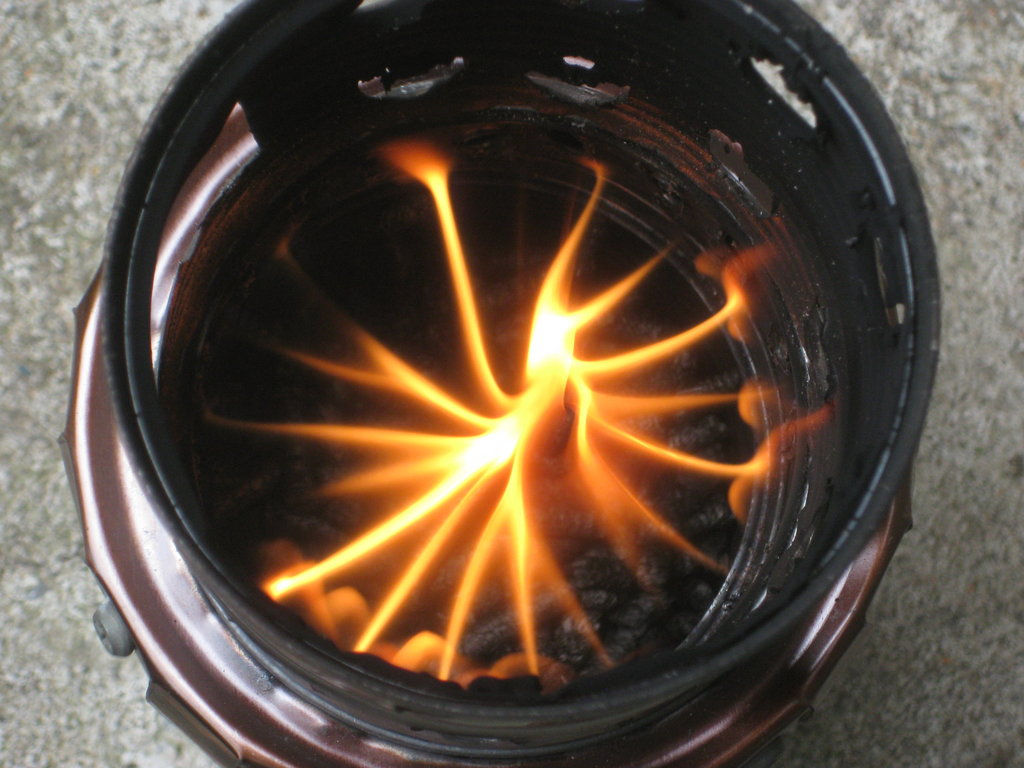
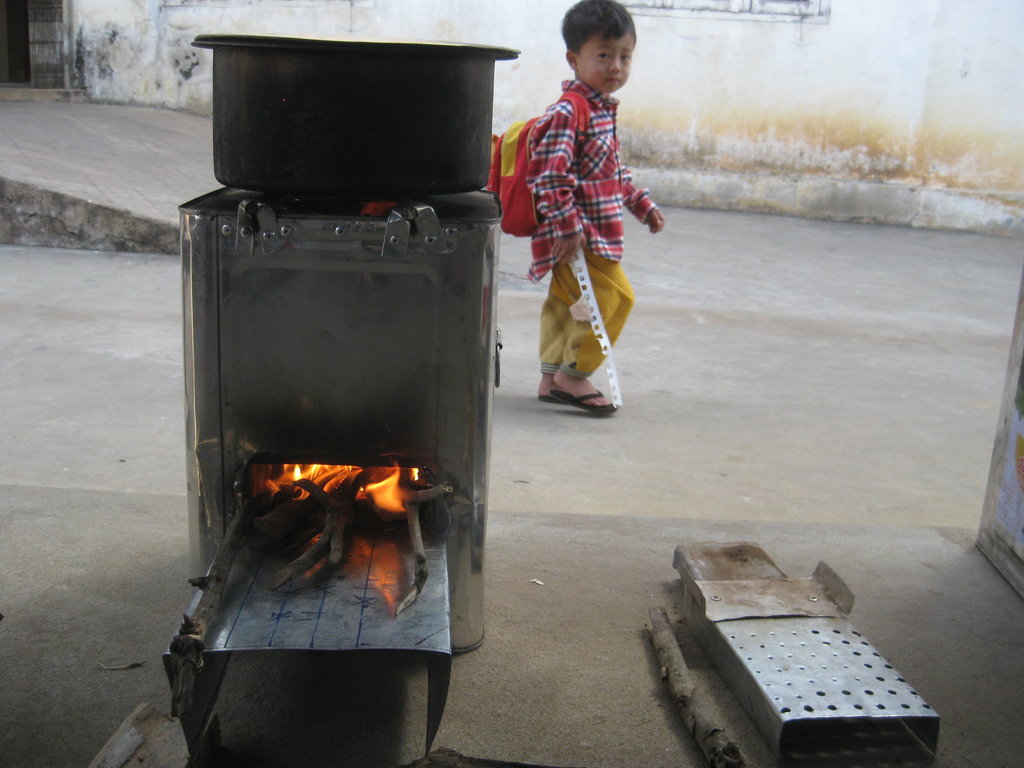
After 2 days hard work, Hamish and I had the stove ready for testing. With a ten foot high chimney, also 8” x 8”, creating a mighty draft, the stove burned extremely hot and produced almost no smoke after start up. Everyone was impressed!
Later, with two other volunteers from the US, the stove was installed in the kitchen of St Mathews Orphanage Center, where it is being used on a daily basis. I am very curious to see how the stainless steel holds up to the intense heat and what the cooks have to say about the convenience and performance of their new institutional stove.
Project reports on GlobalGiving are posted directly to globalgiving.org by Project Leaders as they are completed, generally every 3-4 months. To protect the integrity of these documents, GlobalGiving does not alter them; therefore you may find some language or formatting issues.
If you donate to this project or have donated to this project, you can receive an email when this project posts a report. You can also subscribe for reports without donating.