By Bruce Gardiner | Project Director
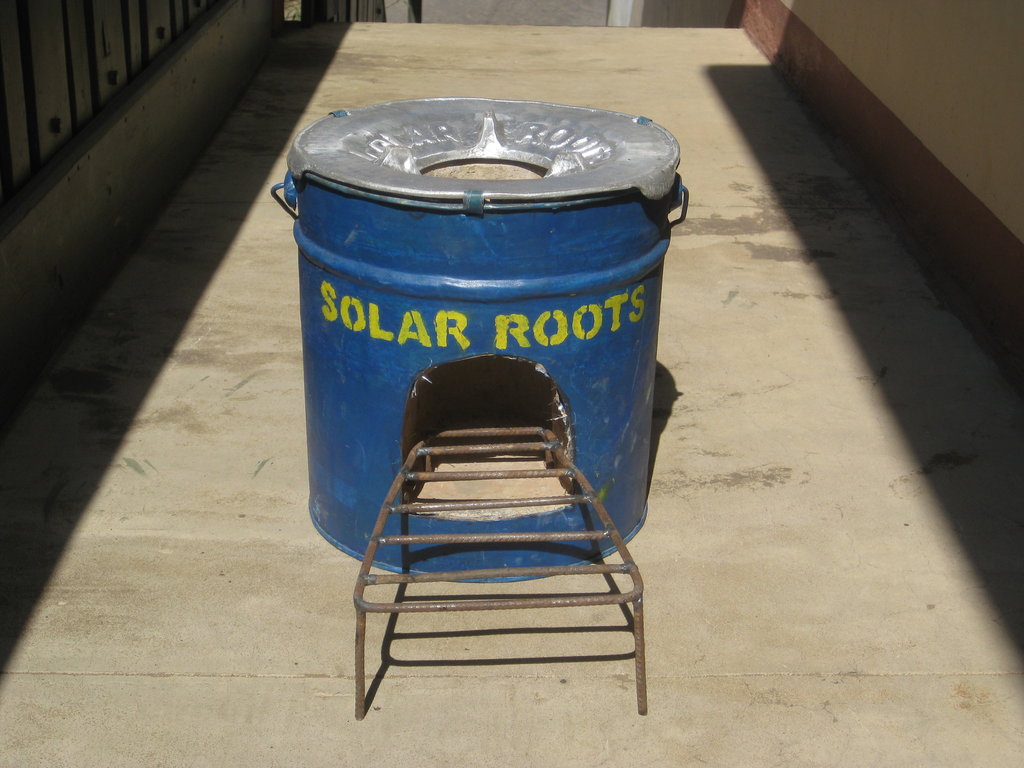
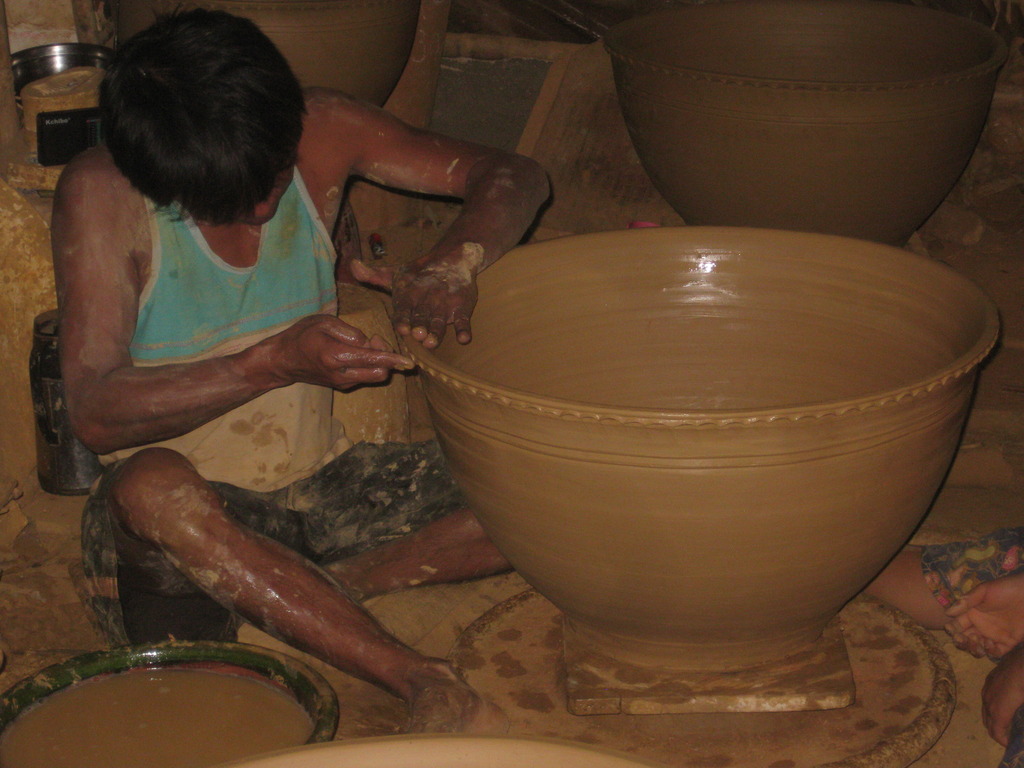
As I have mentioned in previous reports, it has been a great challenge to me to find clay of sufficient quality to use in my stove building. In addition, I find that I lack the knowledge to work the clay into the correct form for my purpose. Soon, I hope to resolve both these issues, by collaborating with the Mhawbi Potters.
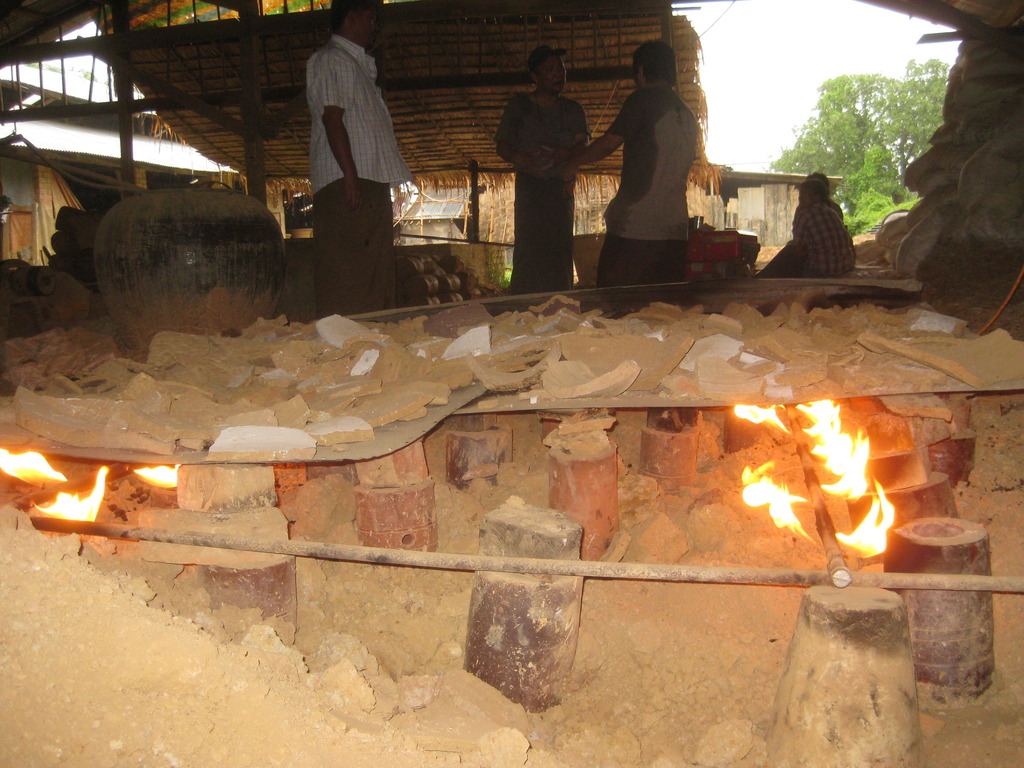
Last year I was introduced to the owners of a large scale pottery operation in Hmawbi, near Yangon. They principally make large flower pots for export to England, though they also have a small sideline in clay liners for locally made "bucket" stoves. In another example of "what a small world it is", it turned out that I knew the brother of one of the owners quite well. One brother does pottery and the other does poetry! It was very exciting to get a tour of the factory and to see the ceramic production at several different stages. Although there are many pottery and ceramic facilities quite close to Yangon, including the famous Twante, this enterprise is quite unique, as it access to a natural gas line. Despite being a sizable natural gas producer, Myanmar does not have a well deveoped domestic distribution system, so few businesses have access to this very useful energy source. Using the gas to fire the pottery gives great control over the final product and sets this enterprise apart from others who use wood or rice husks. However, the cost of gas is high and the owners would like me to work with them to improve the efficiency of their fuel use. I am delighted to do this and I look forward to learning from them the craft skills of working with clay.
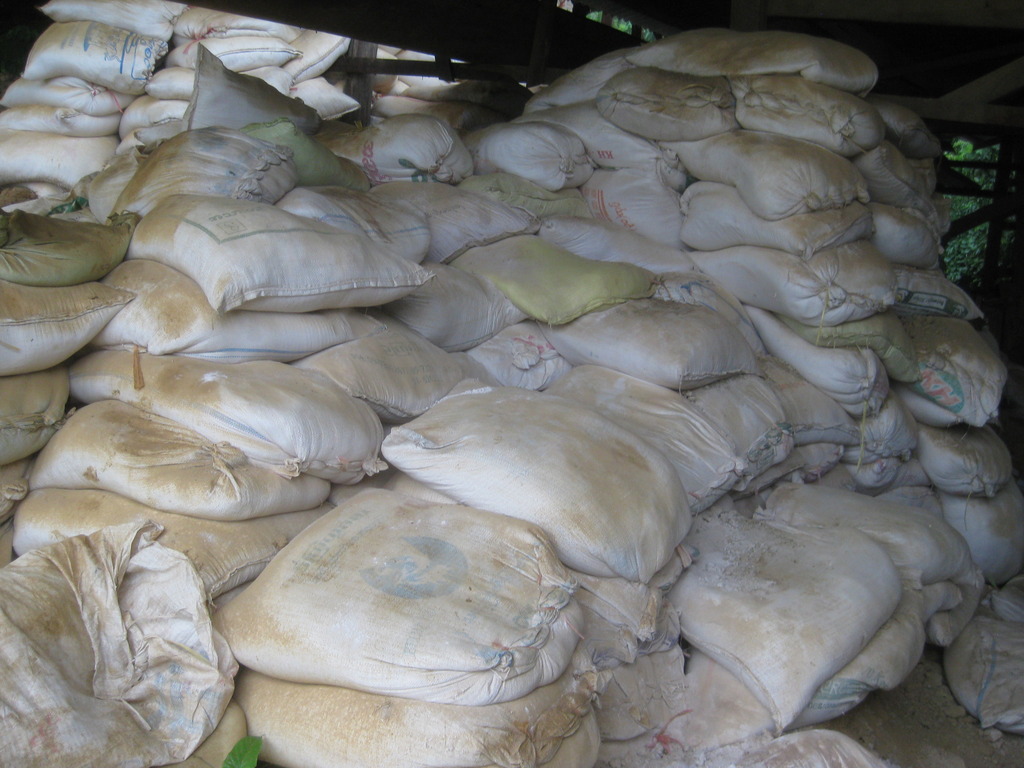
One technique that they use, I had already experimented with - adding "grog" to the clay mixture, which helps to reduce shrinkage during firing. Grog is made from previously fired ceramics and ground up into power, then added to the new mixture. But they had one thing that I had heard about, but could never find in Myanmar - kaolin, which is a white clay that is one of the key ingredients in porcelain. It also can increase the refractory (heat resisting), properties of regular clay, especially when combined with rice husk ash. When walking through the facrory I came across a pile of bags of kaolin - what a find - I felt like I had discovered the Motherlode!
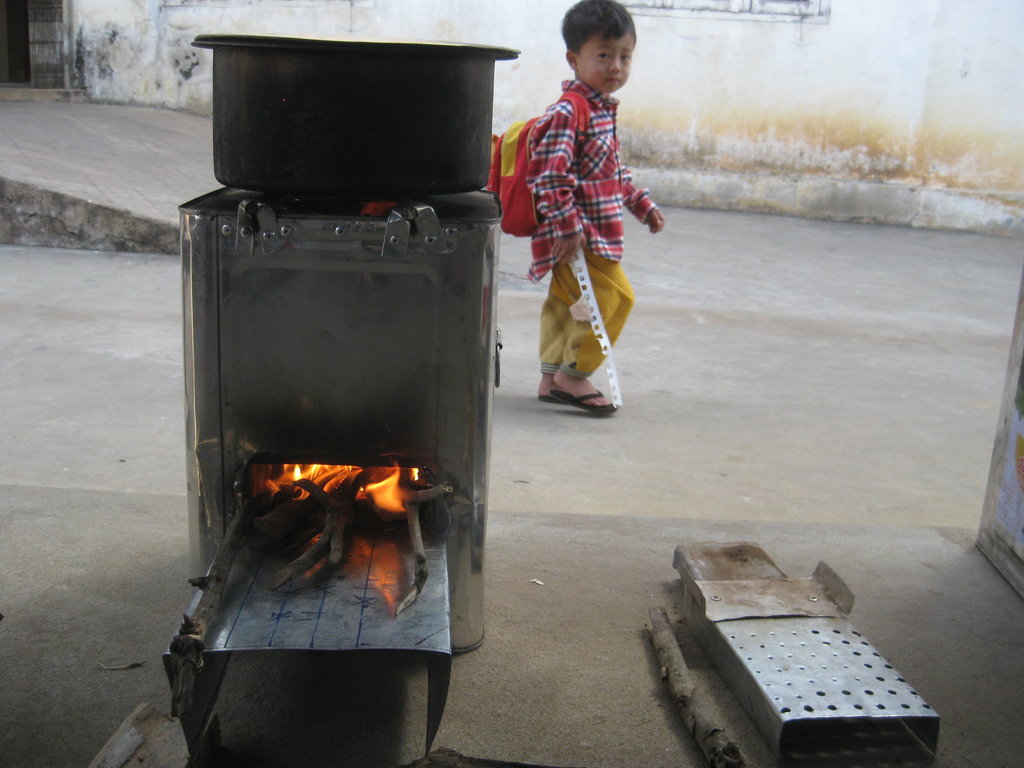
During our tour, we also saw how they make clay liners for the ubiquitous "Thai Bucket" or "Lao Bucket" style of stoves. One woman sits on her haunches, forming the clay on the wheel, while her daughter spins the wheel with her foot. It's a primitive, but cheap way to make the liners, and working hard, they can make one every 3 minutes. All in all, we had a great afternoon with the potters and we look forward to future collaborations and technical exchanges.
Thank you for your past support and if you find our work worthwhile, please consider supporting us further by making another donation.
Best wishes,
Bruce
Project reports on GlobalGiving are posted directly to globalgiving.org by Project Leaders as they are completed, generally every 3-4 months. To protect the integrity of these documents, GlobalGiving does not alter them; therefore you may find some language or formatting issues.
If you donate to this project or have donated to this project, you can receive an email when this project posts a report. You can also subscribe for reports without donating.