By Bruce Gardiner | Project Director
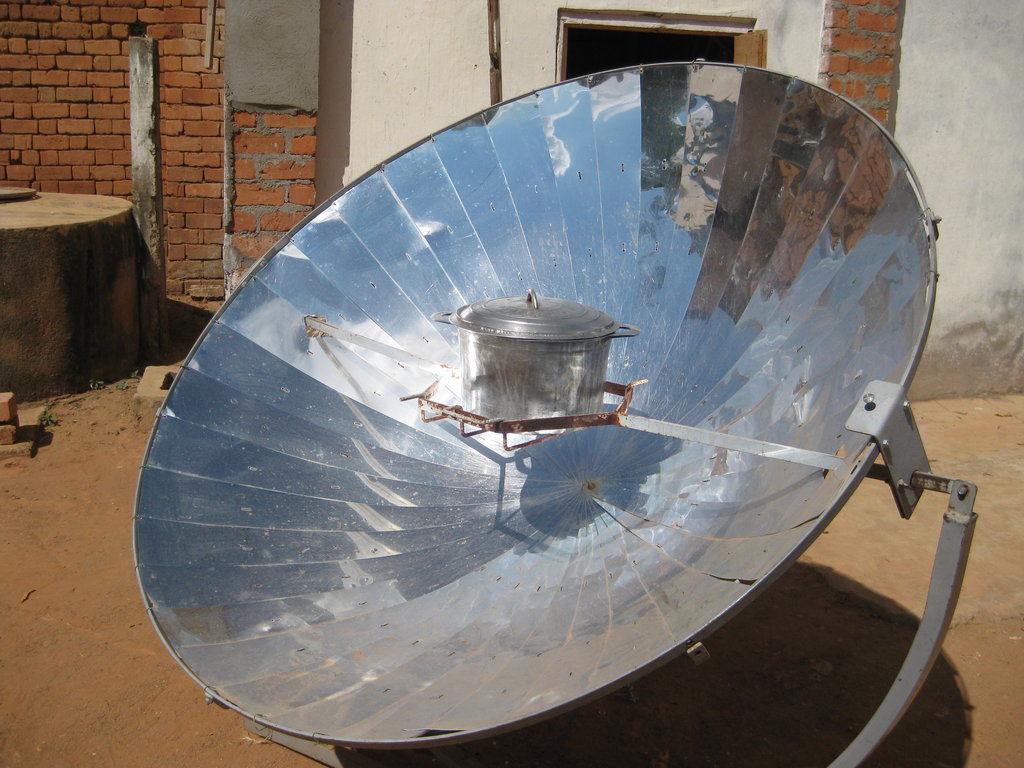
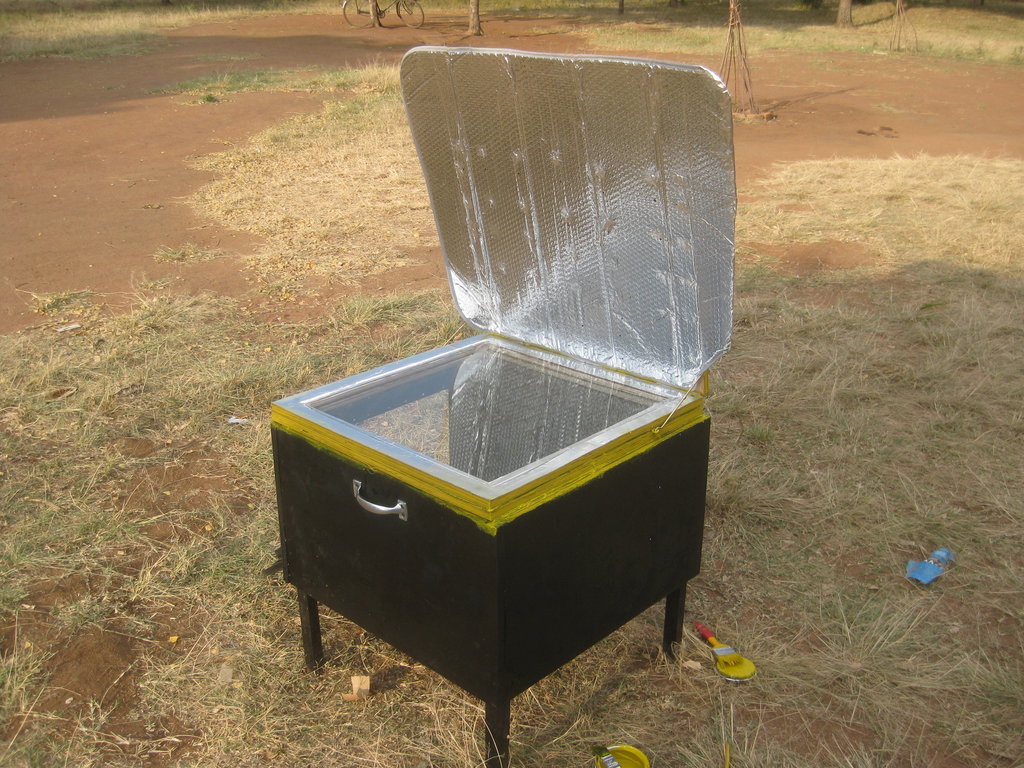
Back in 2010 I was working in Madagascar, showing villagers how to use inexpensive solar ovens and in order to learn about what they cooked and how they cooked it, I spent lots of time with the ladies of the village, in their kitchens. Everyone cooked on open, 3-stone fires that produced huge amounts of acrid smoke. I was appalled as most of the kitchens were inside the house, usually with only one tiny window for ventilation. What is worse is that the mother usually had at least two infants or small children with her in this harmful environment. Right there and then I decided to learn about improved cook stoves and I started a search for oganizations that could help me learn about this very important subject.
As I live in California, I was delighted to find the Aprovecho Research Center in Cottage Grove, Oregon, just a few hours up the highway. Aprovecho has been working for over 30 years to design and test new improved cook stoves. They have sent many missions to developing countries to work in the field, because a new cook stove must be tailored to local conditions. Many other stove programs in the past have failed because the stove was a "one size fits all" type and the stove practioners were not sensitive to local cultural practices. The good folks at Aprovecho are very keenly aware that the cultural aspects of technology transfer are at least as important as the technology itself. No human activity takes place in a vacuum, least of all, the ever-important job of cooking food for the family! In addition, Aprovecho has lead the field in developing small-scale, portable testing equipment that can determine whether a new stove really does reduce emmissions and fuel usage. Unfortunately, far too many stove developers still claim that their stove saves "50% of the wood and only puts out half the smoke". But, that's 50% of what? You will only really know if you put your stove "under the hood" of a testing device like Aprovecho's and have the emissions and efficiency rigorously measured.
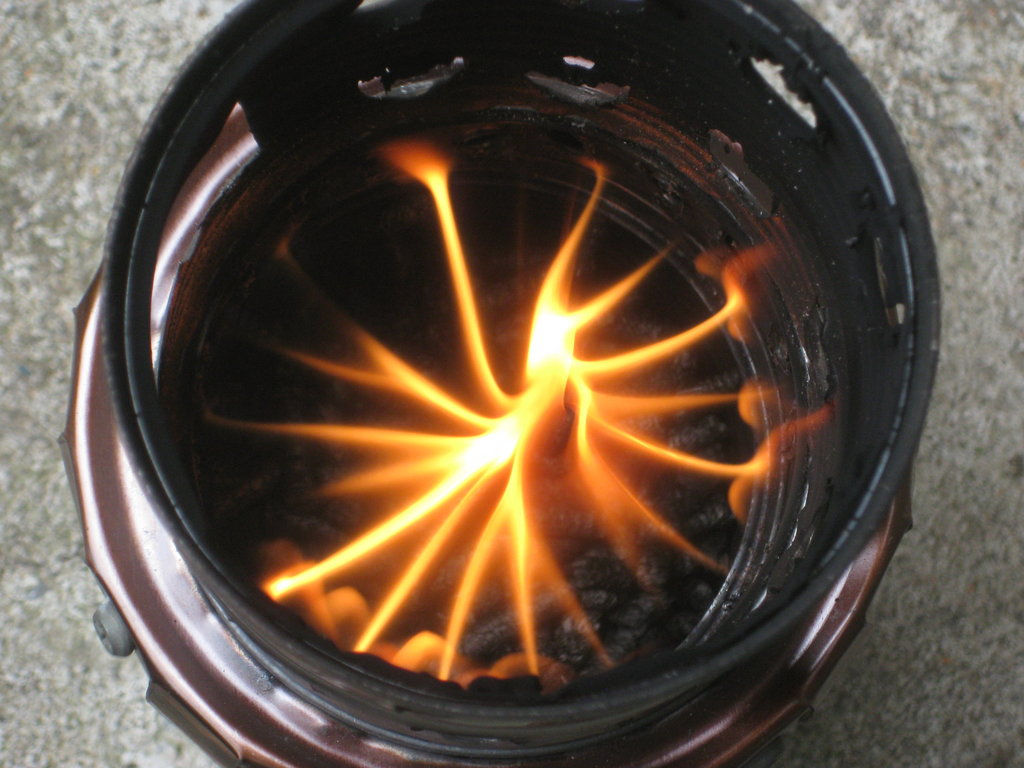
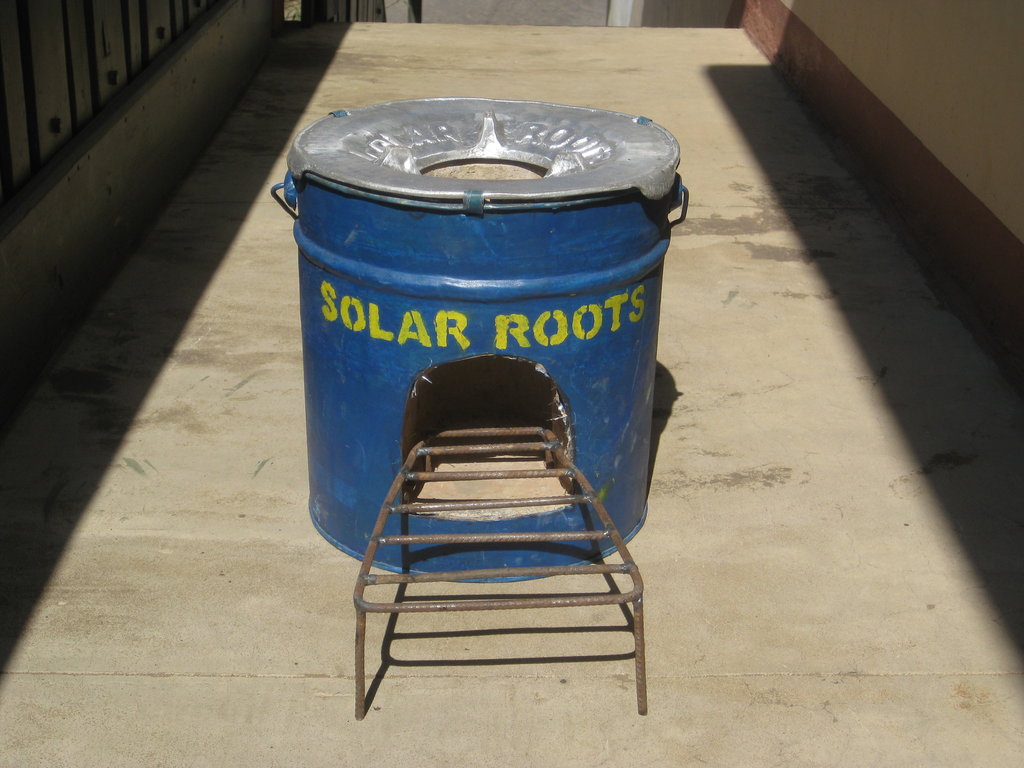
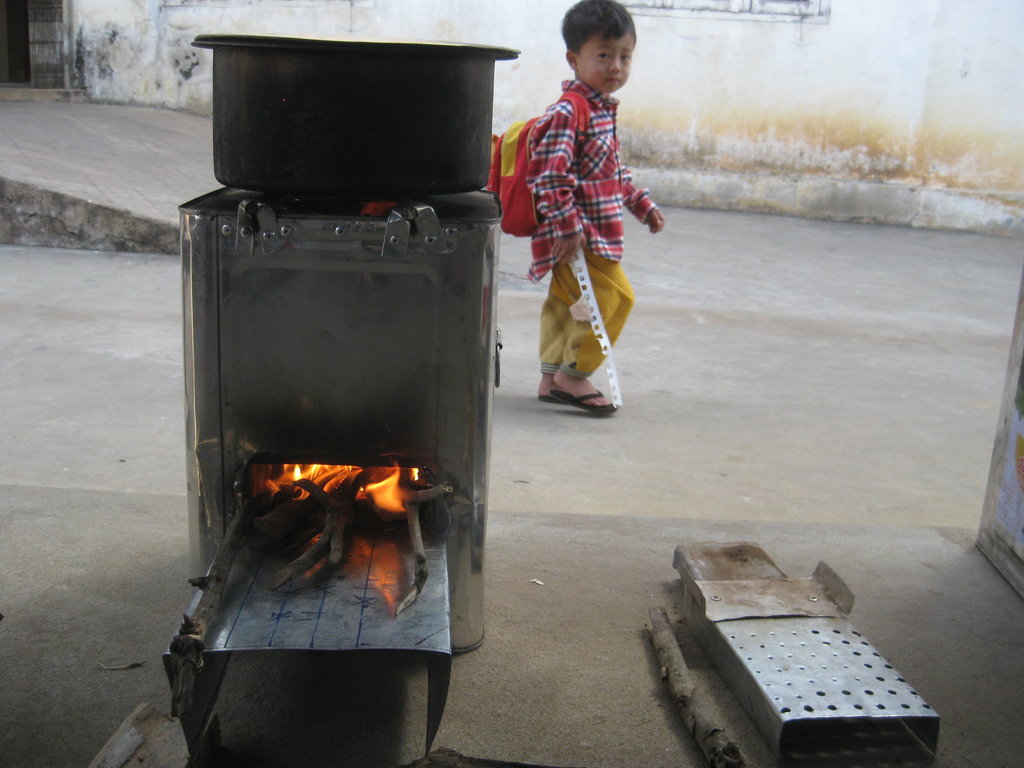
Funding for an NGO like Aprovecho is always precarious, so Director, Dean Still decided to go into the production of efficient stoves as a way of raising money to support the research center. They now have a line of 5 different stoves, including a gasifier and several rocket stoves. This business is now quite successful and at a certain proportion of Aprovecho's funding is guaranteed. Aprovecho offers any serious stove developer the opportunity to stay and use the materials and testing facilities for a s long as they need. I stayed for 2 weeks in 2010 and built my first full size rocket stove there. I can honestly say that I would not be able design my own stoves and train others to build stoves without the invaluable help of the Aprovecho Research Center.
"Stove Camp" is an annual event, held at Aprovecho each July, where "stovers", like myself, get together to solve problems and exchange new ideas. I went to my first Stove Camp in 2010 and now it's a regular date on my calender. Stove practitioners come from all over the world to attend Stove Camp and this year we had participants from Burma, Nepal, France and India. It's a wonderful opportunity learn more and share the hard-won experience from the field.
Please check out the Aprovecho website at: http://www.aprovecho.org/lab/index.php.
Another year is drawing to a close and we look forward to 2016, which will be full of challenges and rewards, as always. We are grateful for your on-going support and we wish you well for 2016.
Links:
Project reports on GlobalGiving are posted directly to globalgiving.org by Project Leaders as they are completed, generally every 3-4 months. To protect the integrity of these documents, GlobalGiving does not alter them; therefore you may find some language or formatting issues.
If you donate to this project or have donated to this project, you can receive an email when this project posts a report. You can also subscribe for reports without donating.