By Katy Allen-Mtui | Director
I hope this finds you well and in good spirits.
My spirits are good, if a little tested by the changing landscape in which our work takes place.
In Tanzania the last term of the school year began on 8th July with a half-term break from 29th August to 14thSeptember. The general election will take place on 29th October, and that has meant that the end-of-primary-school national examinations took place very early on the 11th and 12th September. The reason being that many primary schools are used as polling stations and also many teachers are trained and used as election officers/helpers which meant that the usual date of mid to late October for the national examinations had to be changed.
In Rwanda things are quite different. The academic year 2025-2026 began on Monday 8th September. Not only that but a new system was introduced! This was only announced in July. This has been described in the Rwandan press as, ‘one of the most far-reaching education reforms in recent history’ and as introducing, ‘sweeping changes across primary and secondary schools’. These reforms came about mainly because of the high repetition rate in lower primary with an alarming 35% of P1 pupils forced to repeat the year.
Of note for our work is that the new official starting time of school is 8am. This is an improvement as previously some lessons were starting at 7.20am. Another change is that all pupils in P1 to P3 (the first three years which form Lower Primary) will follow a double-shift system. That means that some pupils will study from 8am to 11.40am, and the others will start at 1.10pm and finish at 4.50pm. All pupils should receive five 40-minute lessons a day, and 25 lessons every week. Previously some schools provided pupils with a double-shift system and some provided a single-shift system with the obvious inequality in learning time. This new system is intended to ensure that all pupils complete the curriculum.
That brings us to another major change; that of the curriculum. For lower primary the aim is to simplify the curriculum so that the focus in on literacy in English and Kinyarwanda and numeracy in order to build a strong foundation. So far, so good, but the textbooks need to be ‘reworked’. It would be so much better if the new system had started with good textbooks in place.
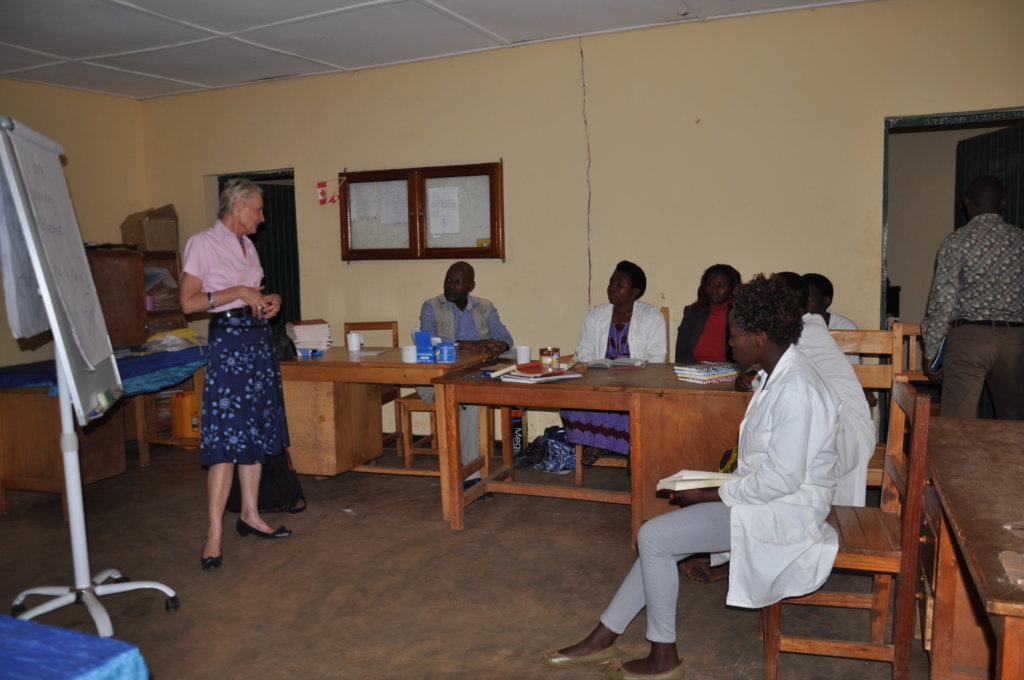
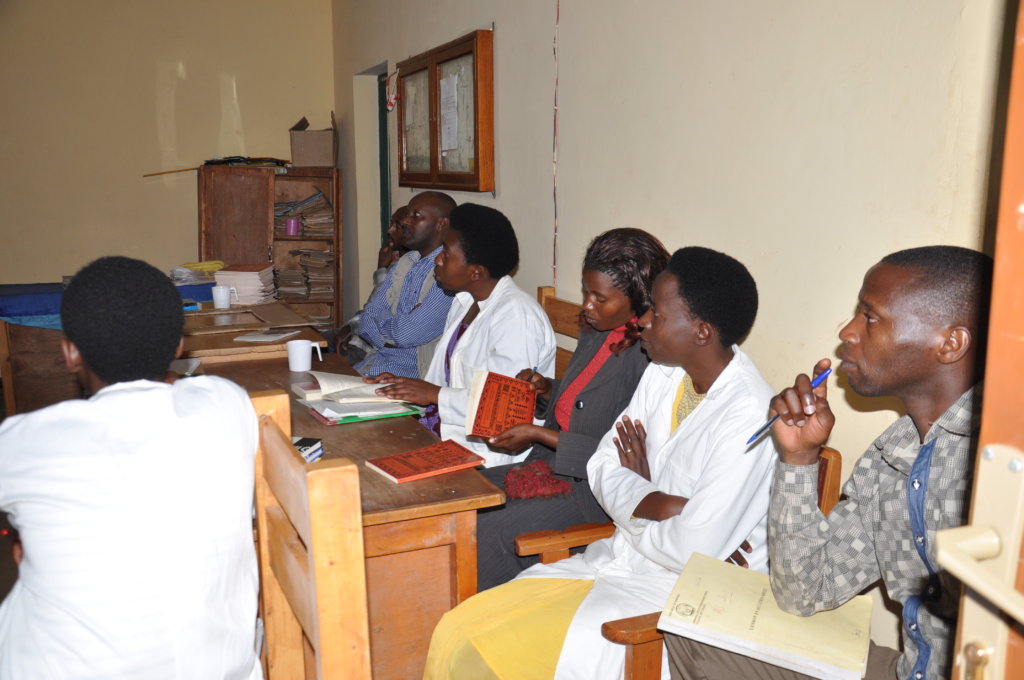
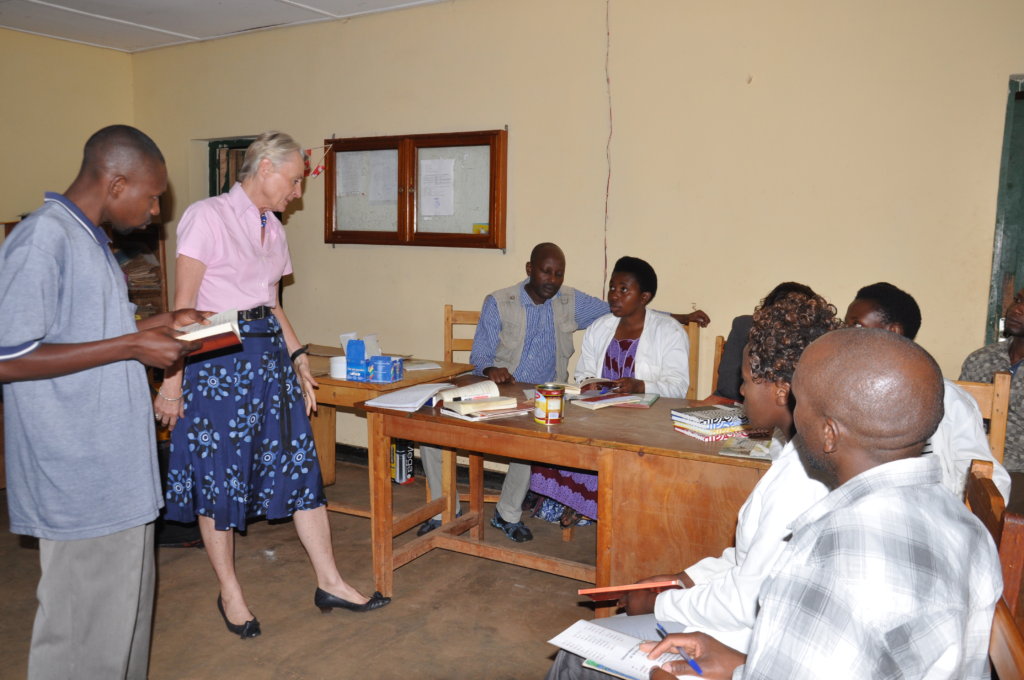
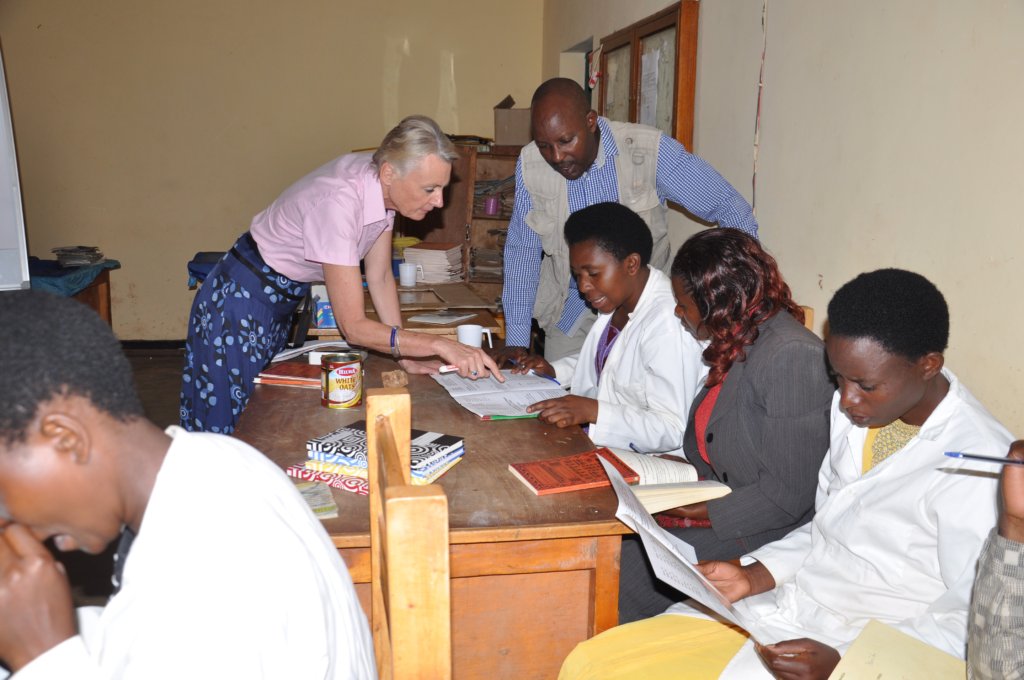
Teachers are being transferred in the light of all schools having to have a double-shift system. We have lost one of our consistently good teachers, Claudine. Claudine started working with the New Original English Course (NOEC) books with us in 2016 when she was at Gikomero school. More recently she has worked with us at Muhazi primary school where she was a valuable mentor to teachers new to working with the NOEC books. Claudine has now been assigned to teach Kinyarwanda in P4 which is the beginning of Upper Primary. Doubtless the methodology and skills she has acquired from using the NOEC books will be easily transferred to her teaching of Kinyarwanda, but it is a loss for our programme. We wait to hear of other transfers.
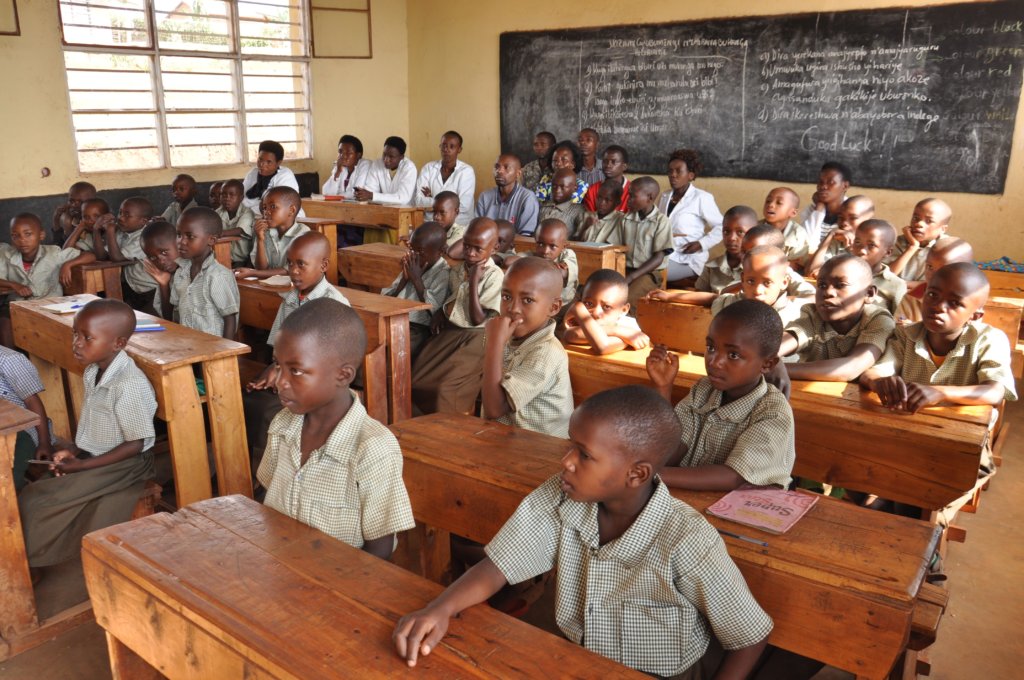
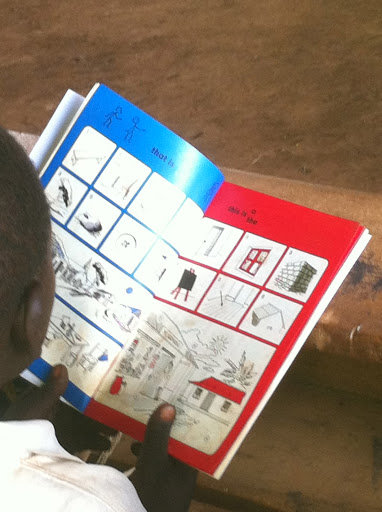
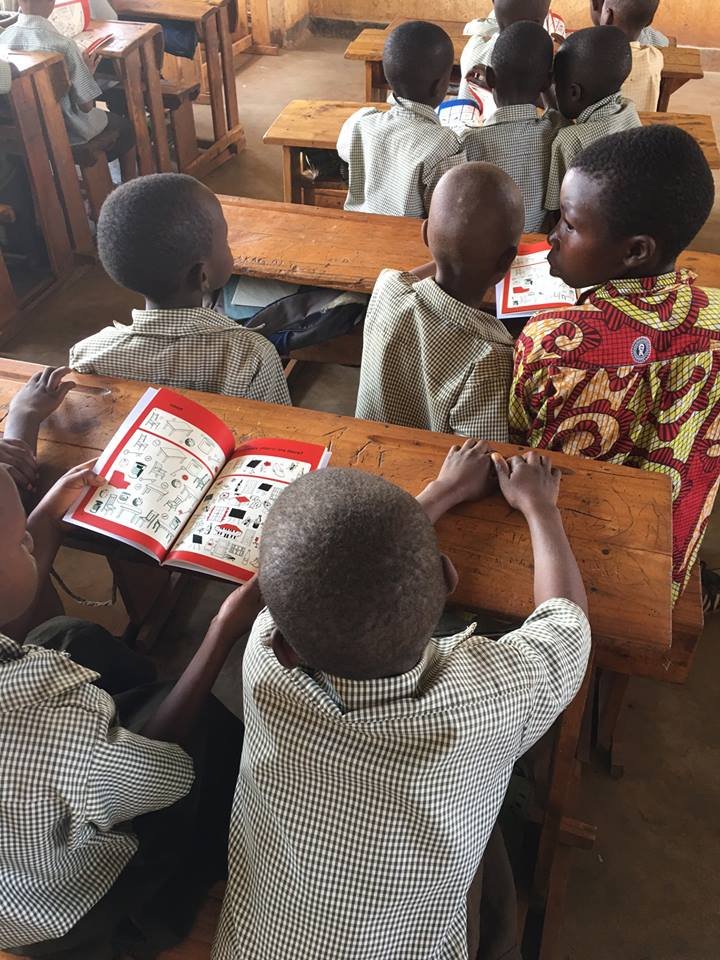
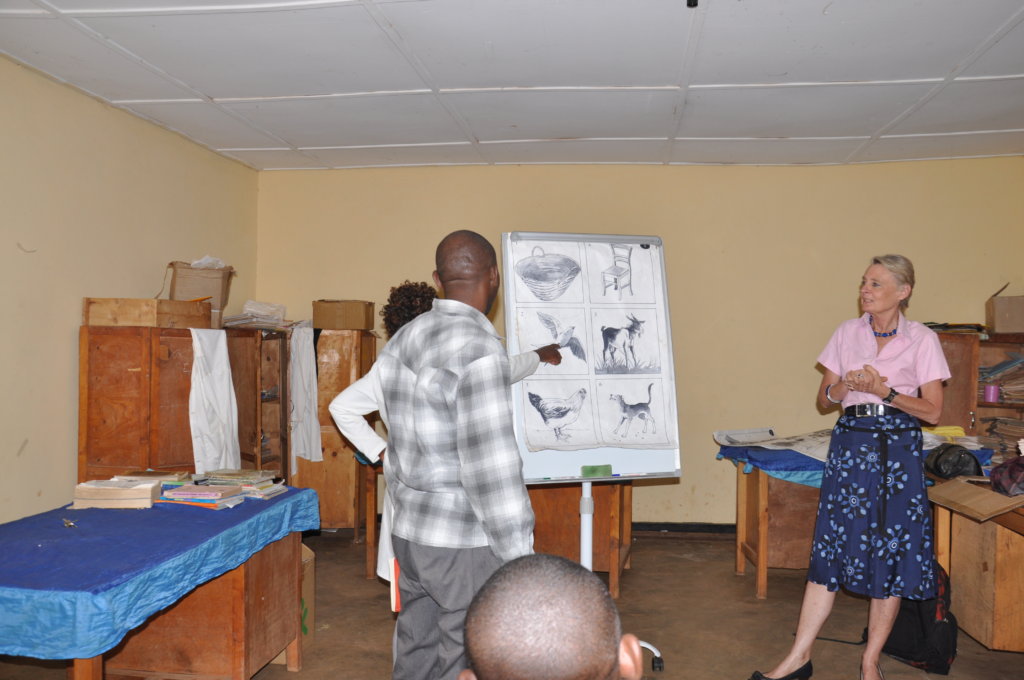
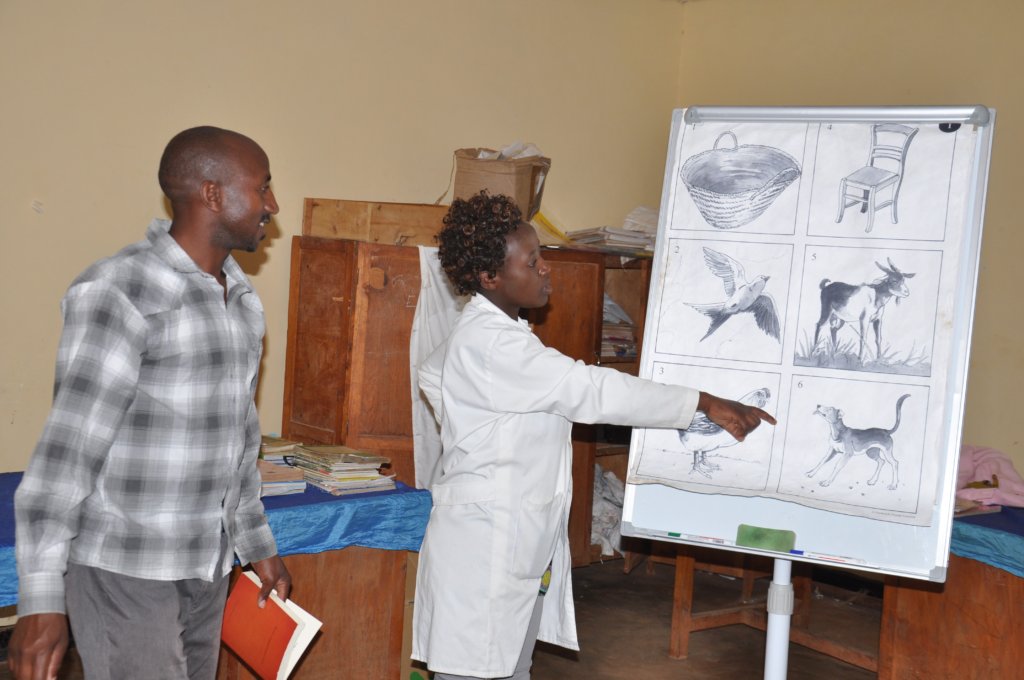
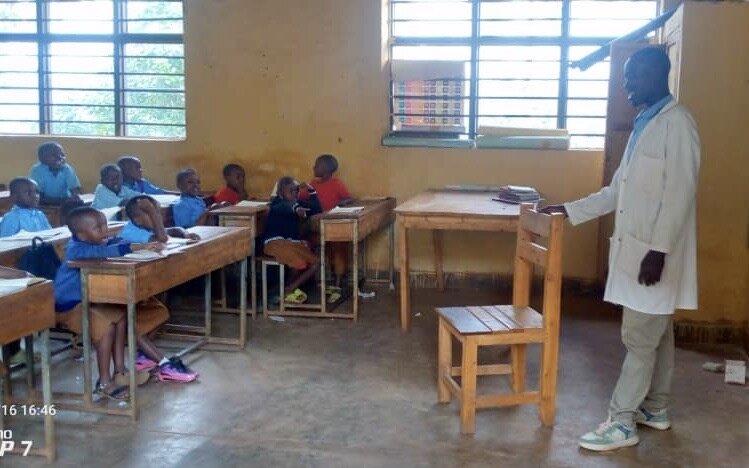
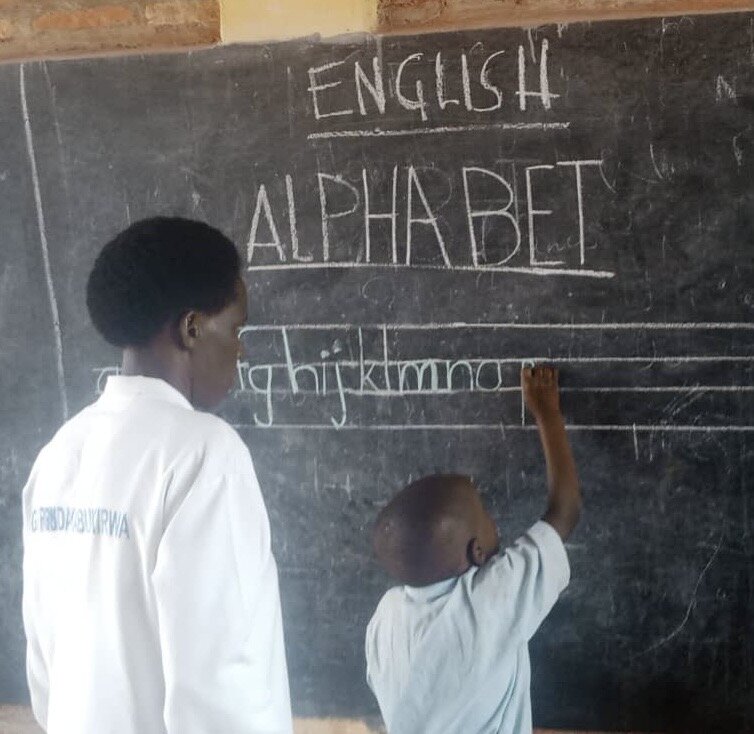
However, teachers who are relatively new to using the NOEC books are already mentoring newer members of staff. One example is teacher Florence at Cyili primary school. She has now trained teacher Didier in the use of the NOEC books for P1. Teacher Didier has started teaching the new P1 classes. Whilst the language in use is not at all difficult, it is a skill to give the pupils enough demonstration of the new language and correct ‘modelling’ of it so that they can see the meaning. The notes in the NOEC Teacher’s Book guide the teacher completely. Teacher Didier gave an excellent first lesson teaching, ‘This is a chair’ and then ‘This is a table’, ‘This is a book’. The pupils could see the meaning clearly, and were already keen to use the new language before being invited by teacher Didier to do so. He retained his authority so that sufficient ‘modelling’ of the new sentence pattern and structure was given for the whole class. The Teacher’s Book not only guides on the actions and methodology but is specific about the pronunciation, progressing from ‘This is a chair’ to ‘a chair, a chair, chair, chair’ and then to ‘Thisizza chair’ so that the natural language can be heard by the pupils. In that way, with the guided gestures, the pupils see the meaning and hear the correct language.
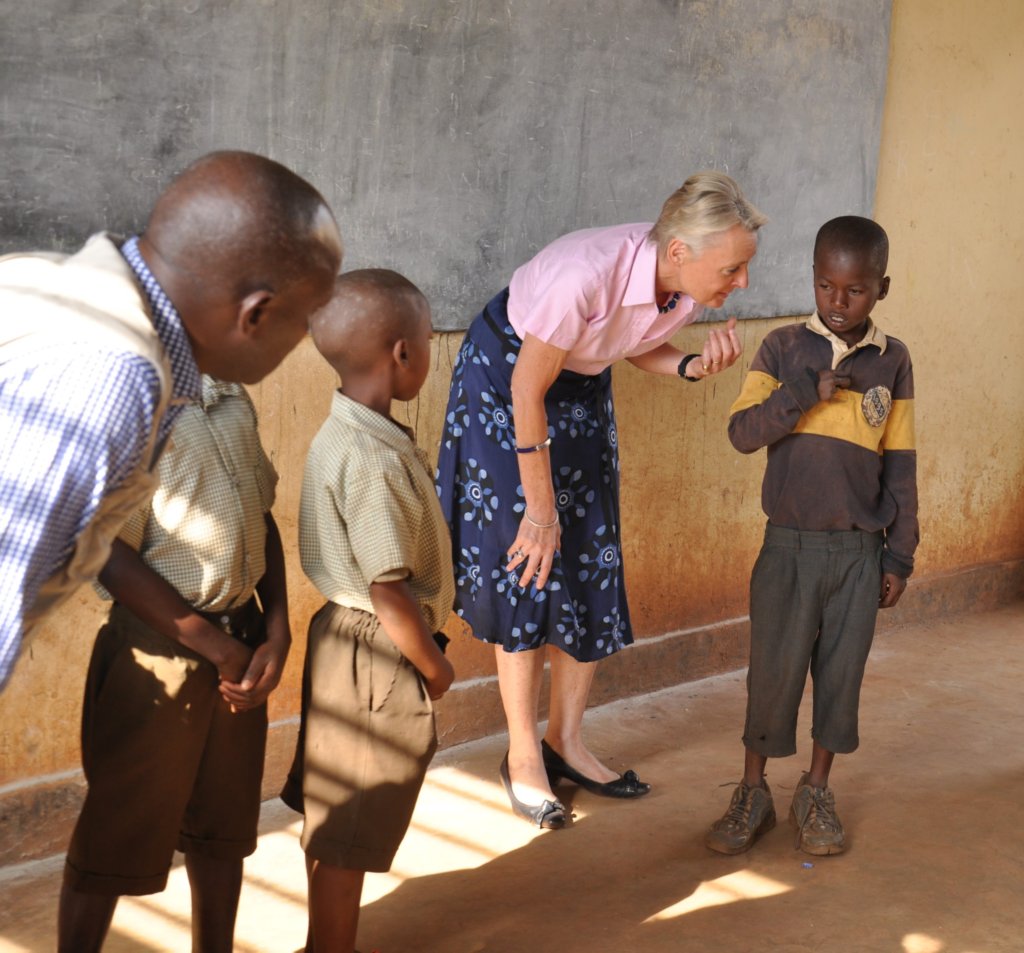
Before the pupils are asked to say the sentence, their understanding of the meaning is tested by the teacher asking individual pupils to, ‘Show me a chair/table/book’. The pupils are expected to touch the object and not to utter the sentence until the whole class has been drilled in the pronunciation. The understanding and success from that first lesson very clearly excited his pupils.
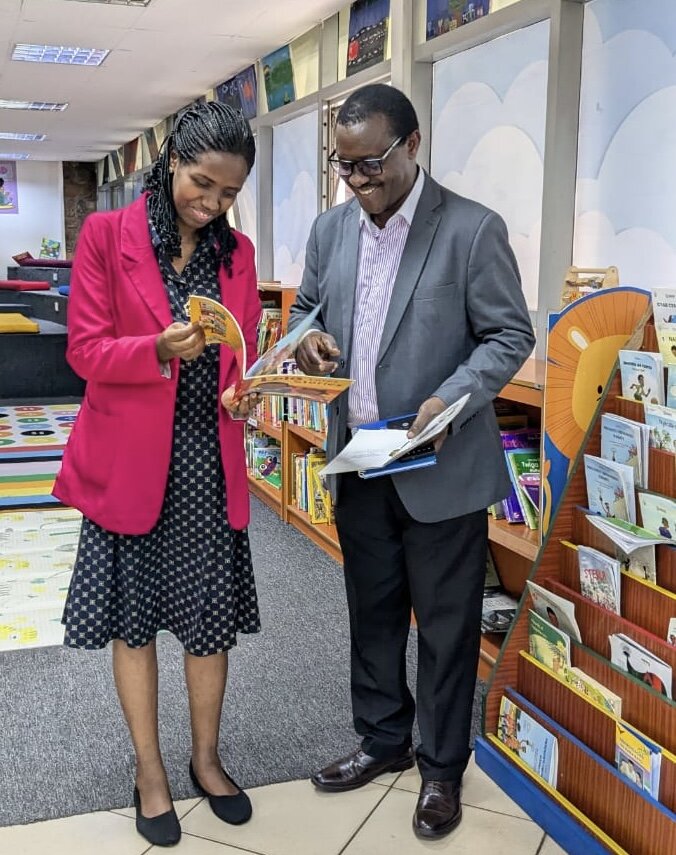
Damian has been in discussions with Kigali Public Library in order to partner with them in their reading programme with schools. Their programme has graded reading running through all the primary classes, P1 to P6. They give schools just five books, and the teacher is expected to keep one and lend out the others to only four readers. The books they have are donated books, and, therefore, not written with the Rwandan context in mind. Damian met Clarisse the Partnerships and Programmes Manager, and Flora who is in charge of children’s books. Coincidentally, Flora was Damian’s former student at Rukara College of Education, University of Rwanda many years ago. Whilst a partnership with the public library has yet to start, we will be using the excellent stories in NOEC Book Two with P4 pupils this term. The stories are fun and memorable with excellent illustrations which help to guide understanding. The stories have numbered paragraphs which aids reading and asking comprehension questions.
Damian and Ivan are also busy making contact with all teachers who have been involved in our work with the NOEC books over the years, with a view to gathering a team of advocates for the books. We would use their views and testimony when we get an appointment to meet the Minister for Education or Director General of the Rwanda Education Board. This could be even more pertinent with the new ‘sweeping changes’ which are taking place with the curriculum.
I thank you yet again for continuing to support our work. For the schools in which we work we are the constant support which the teachers need and hugely appreciate. They use the NOEC books with confidence that their pupils learn good English, and that the lessons are enjoyable and motivating.
The authorities also recognize us as a steadfast organization sticking to our principles and unwavering in our commitment to the improvement of the teaching and learning of English, and we very much hope to impress this upon the new Minister for Education.
Your generosity ensures that we continue our work. Thank you again and again.
With all best wishes,
Katy
Project reports on GlobalGiving are posted directly to globalgiving.org by Project Leaders as they are completed, generally every 3-4 months. To protect the integrity of these documents, GlobalGiving does not alter them; therefore you may find some language or formatting issues.
If you donate to this project or have donated to this project, you can receive an email when this project posts a report. You can also subscribe for reports without donating.



Support this important cause by creating a personalized fundraising page.
Start a Fundraiser