By Ai Igarashi | Member of Advocacy Team
Thank you for taking the time to read our latest activity report.
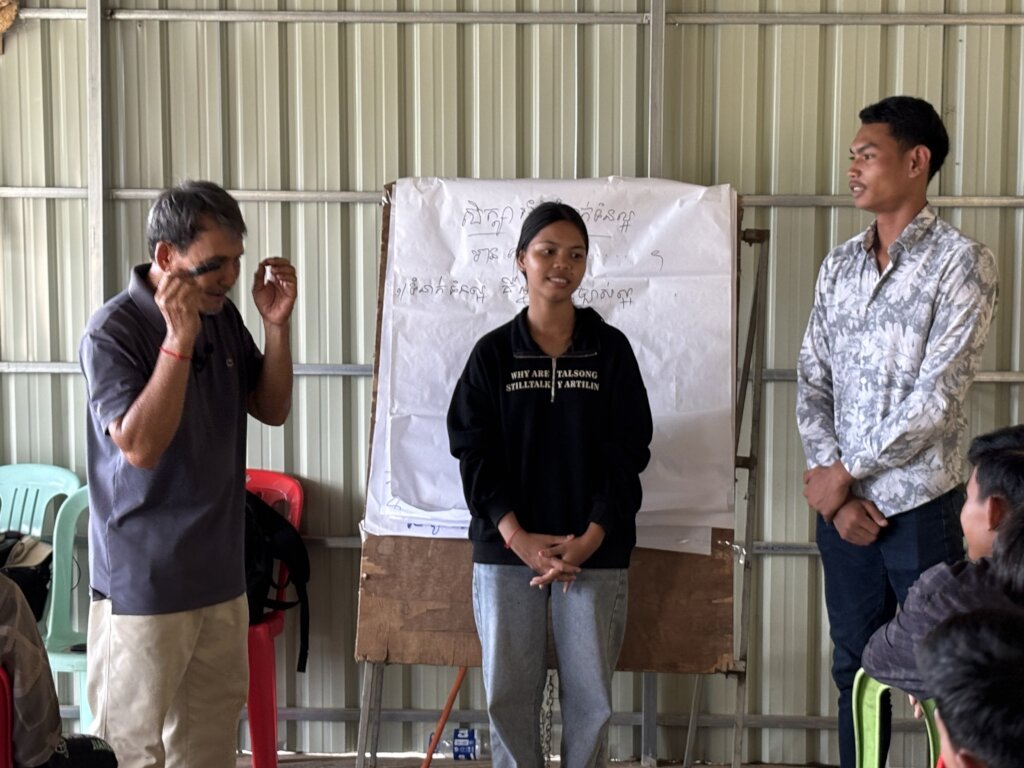
This past February, our agricultural training program in Cambodia began empowering eight young people, aged 17 to 27. Coming from rural villages with limited prospects after leaving school, these trainees are now enrolled in a one-year program that balances agricultural theory with hands-on practice. After completing the course, they will return home with the skills to build better futures for themselves, their families, and their communities.
From the Classroom to the Fields: Trainees Get Stronger
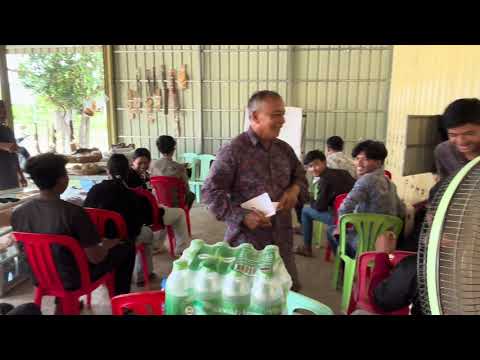
At the beginning, most of the program focused on classroom lessons. But in May and June, the training shifted to practical, hands-on activities, and the young participants have grown remarkably.
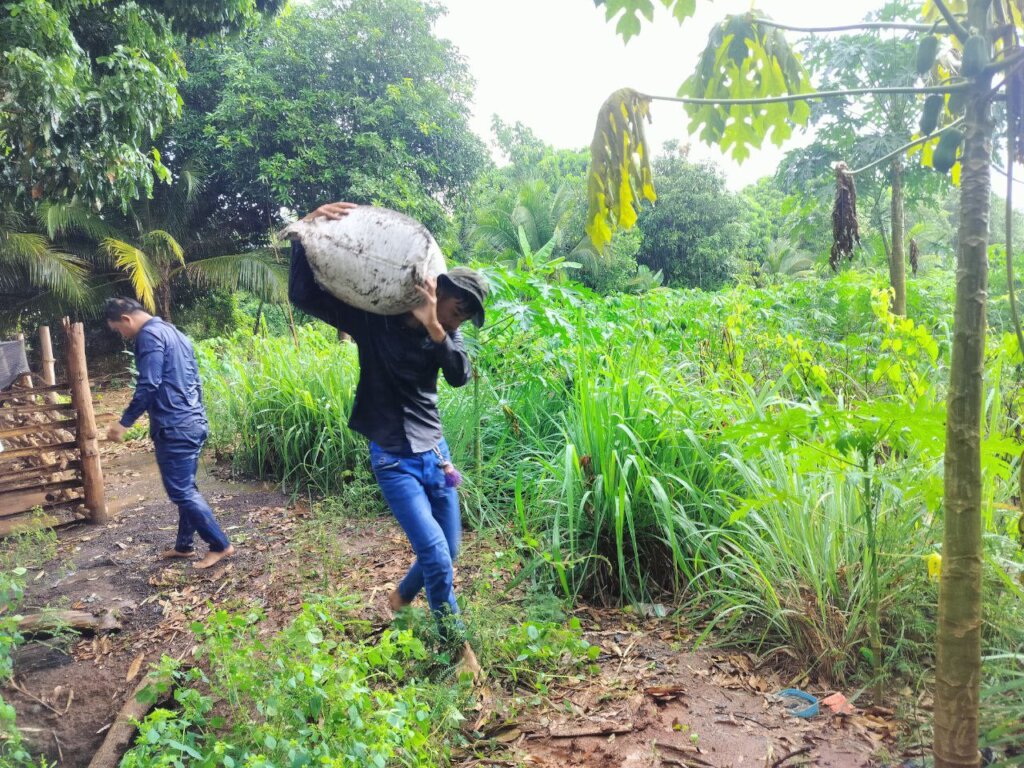
The trainees learned how to make compost using locally sourced materials like cow and goat manure, rice husks, straw, and herbs. At first, some were reluctant to do the heavy labour, but now, both men and women confidently lift 50kg bags, proud of their strength and teamwork. More importantly, the experience of creating something with their own hands gave them a sense of achievement and self-confidence. The compost will be used in their own fields or sold within the community.
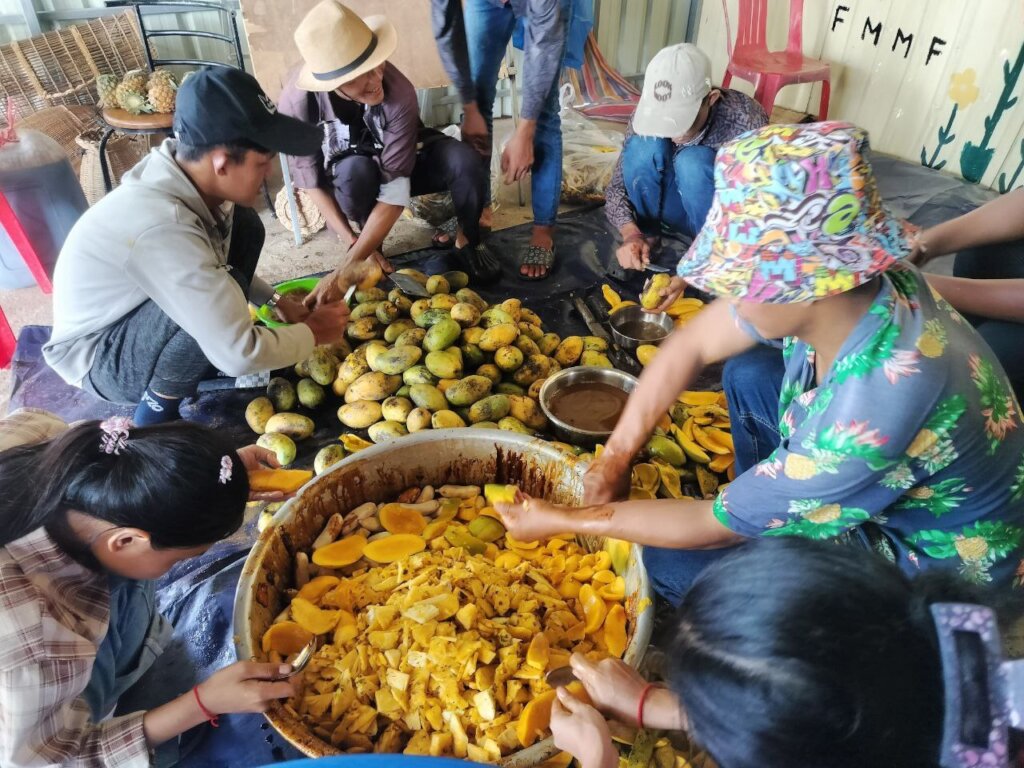
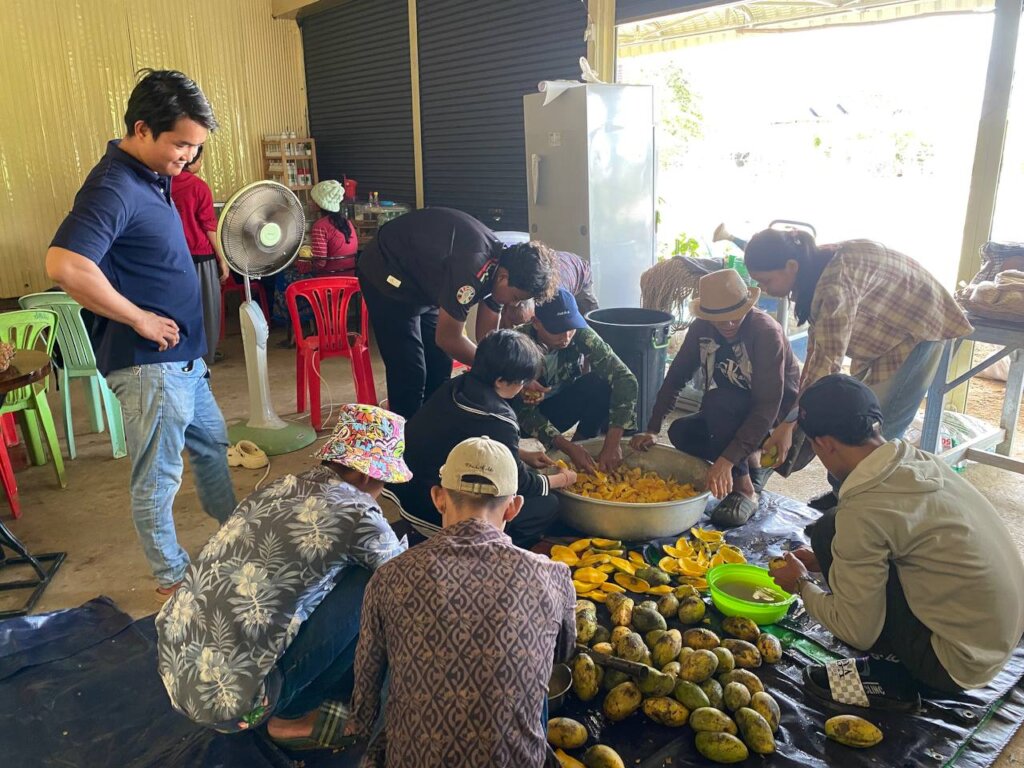
Trainees also learned to turn wasted fruits such as mangoes into fermented organic fertilizer by mixing them with herbs and molasses. This simple yet effective technique allows them to produce high-quality fertilizer at little cost, promoting healthier and more sustainable farming.
Learning to Work Together: Challenges and Growth
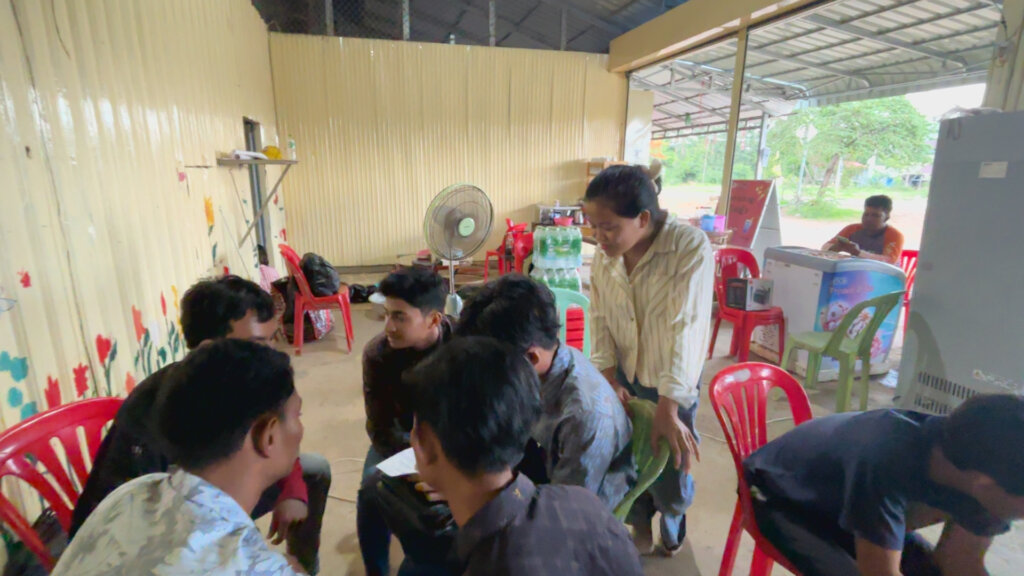
This program is about more than just agricultural training; we also want our trainees to learn essential life skills for working in a professional environment. By working in a group of 8, they are developing teamwork skills - "A group can achieve together what one person cannot do alone.”
Despite their progress, challenges remain. For example, some trainees still struggle with time management and communication. Since many of them have little experience working with others, they are still learning essential habits such as reporting, communicating, and consulting with team members. We saw this when they forgot to ask the center's manager to water the vegetables while they were away, resulting in the plans dying.
These skills are not just rules for our program - they are essential for running a business or working with others in the future.
Looking Ahead
Even with the challenges, the trainees are getting along with each other and enjoying the learning together. With only a limited time together, our hope is to give them as much practical knowledge and confidence as possible, so that when they return to their villages, they can live more secure, prosperous, and fulfilling lives.
We are grateful for your continued support of their journey!
*compost: EM compost is a method of rapidly fermenting organic waste with beneficial microbes to create a nutrient-rich soil conditioner
Links:
Project reports on GlobalGiving are posted directly to globalgiving.org by Project Leaders as they are completed, generally every 3-4 months. To protect the integrity of these documents, GlobalGiving does not alter them; therefore you may find some language or formatting issues.
If you donate to this project or have donated to this project, you can receive an email when this project posts a report. You can also subscribe for reports without donating.



Support this important cause by creating a personalized fundraising page.
Start a Fundraiser