By Dr Paul Roberts | Director Intercultural Education
First of all, many thanks for your ongoing support, which is helping us do important work in education and health in a number of Shipbo communities.
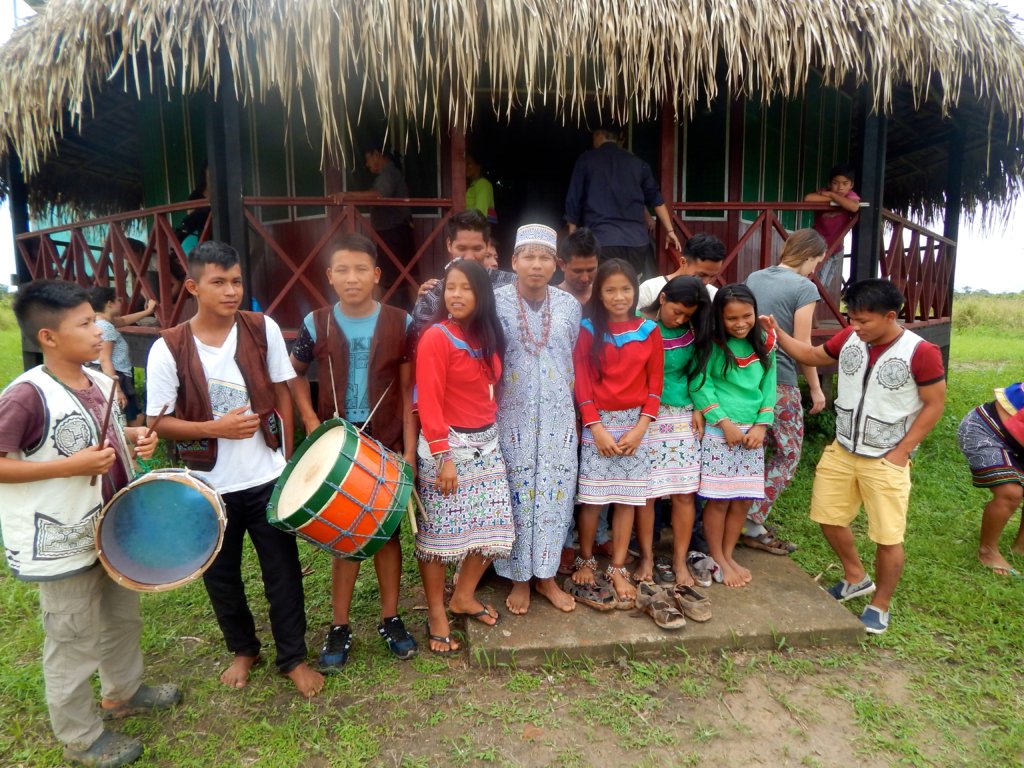
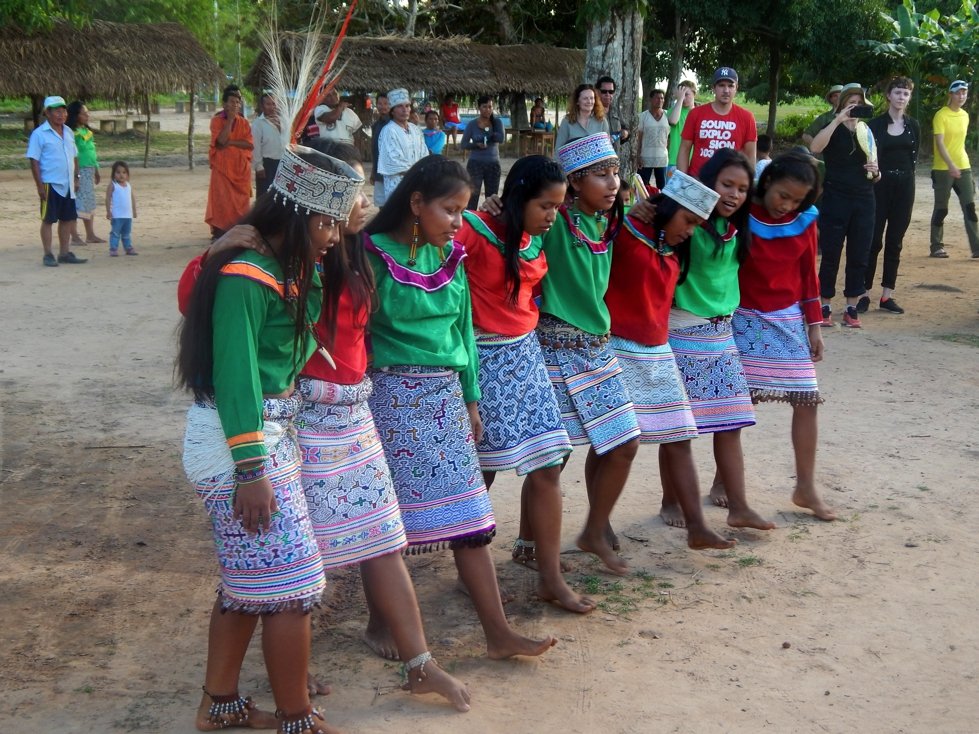
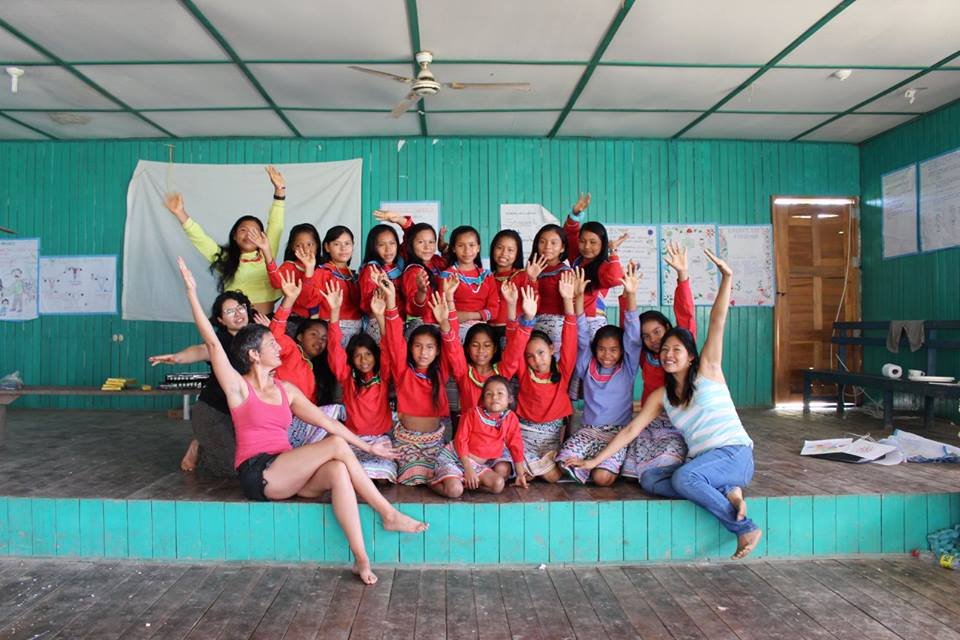
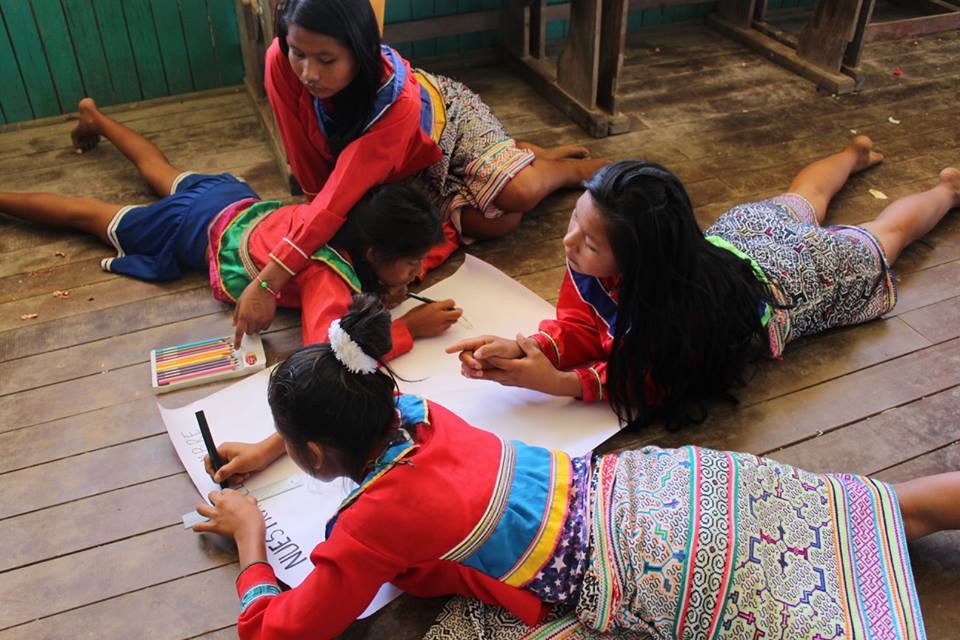
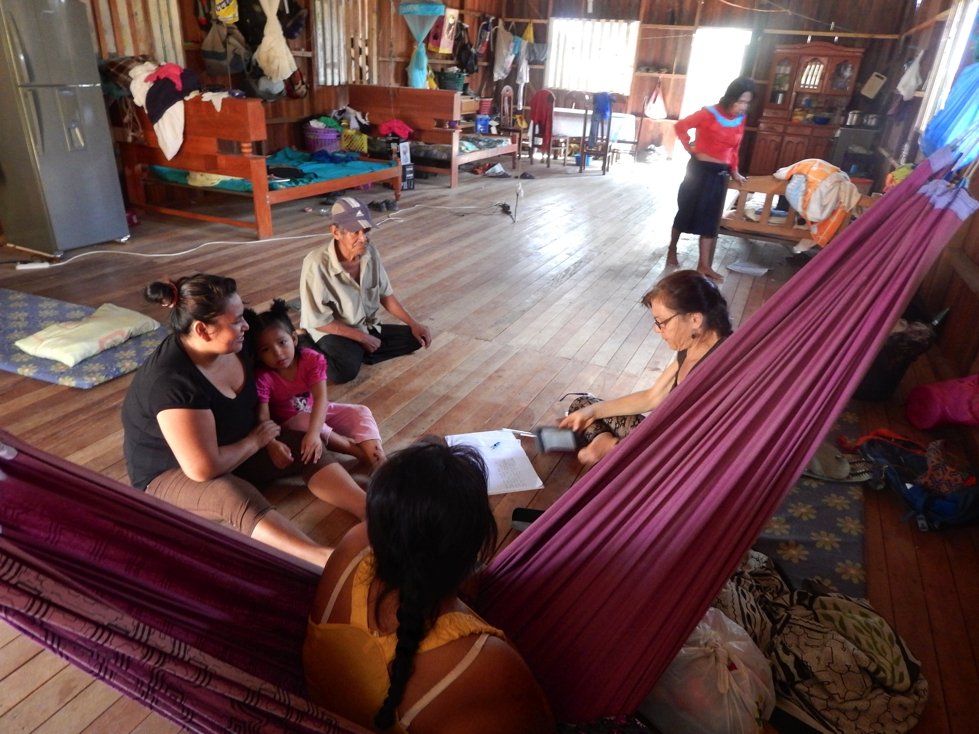
In mid-July we ran our sixth five-day personal development workshop for teenage girls. This workshop was held in the Shipibo community of Paoyan, about five hours by fast boat downriver from Pucallpa.
This was the second workshop ran for girls in this community and we are building relationships not just with the girls there but also the two female leaders who have been attending each workshop. The female leaders have told us they have got so much benefit from the workshops themselves, that they want us to help organize a workshop for young mothers in this community.
As always, by offering the girls a safe space to voice their experience, the workshop was very successful. Key themes discussed were self-esteem, sex education, human rights, autonomy, violence and cultural identity. These were all covered using creative and participative methods that help break down barriers and foster sharing and involvement. You can read more about the workshop here.
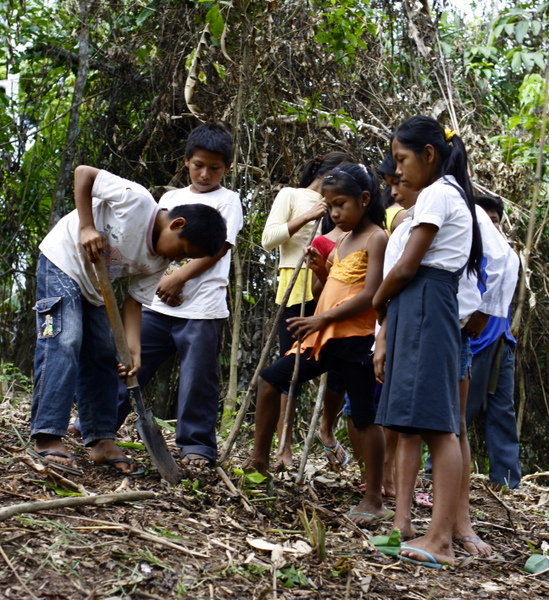
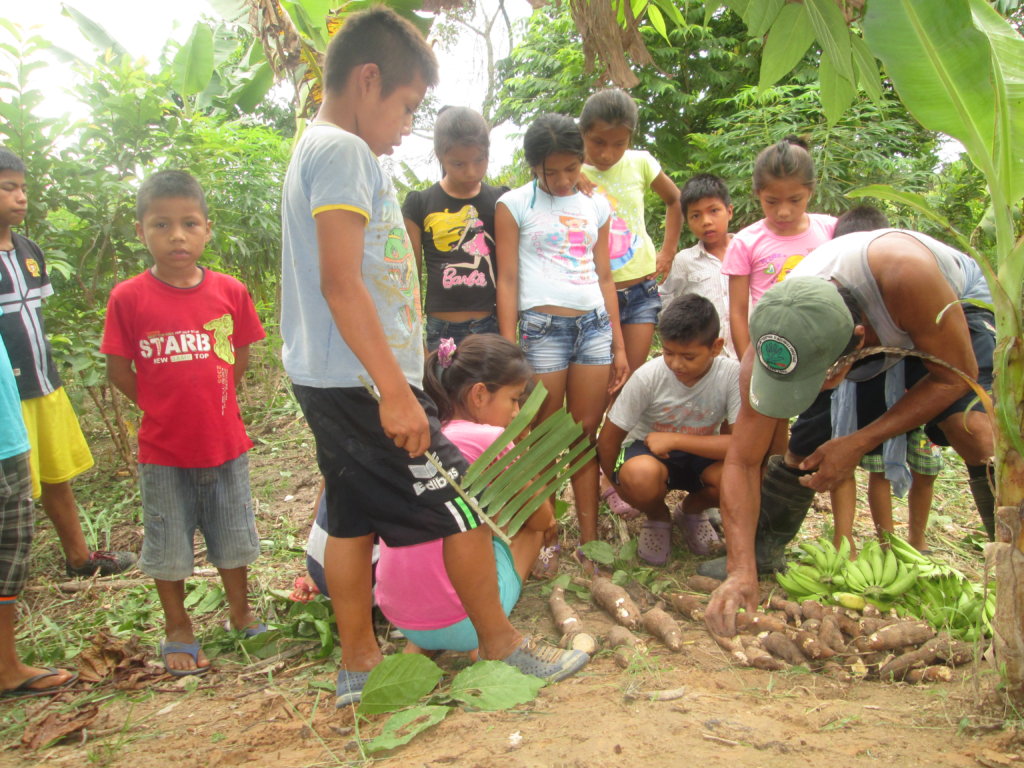
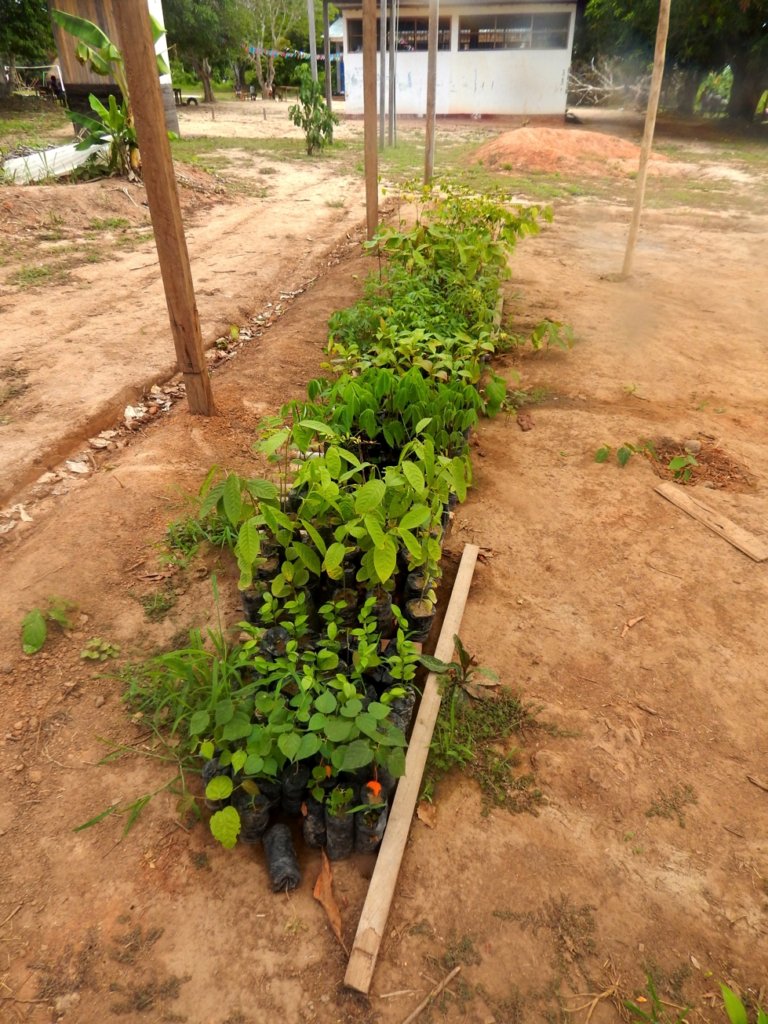
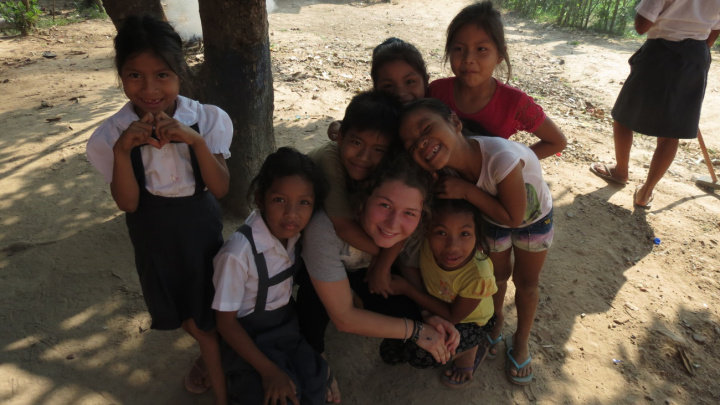
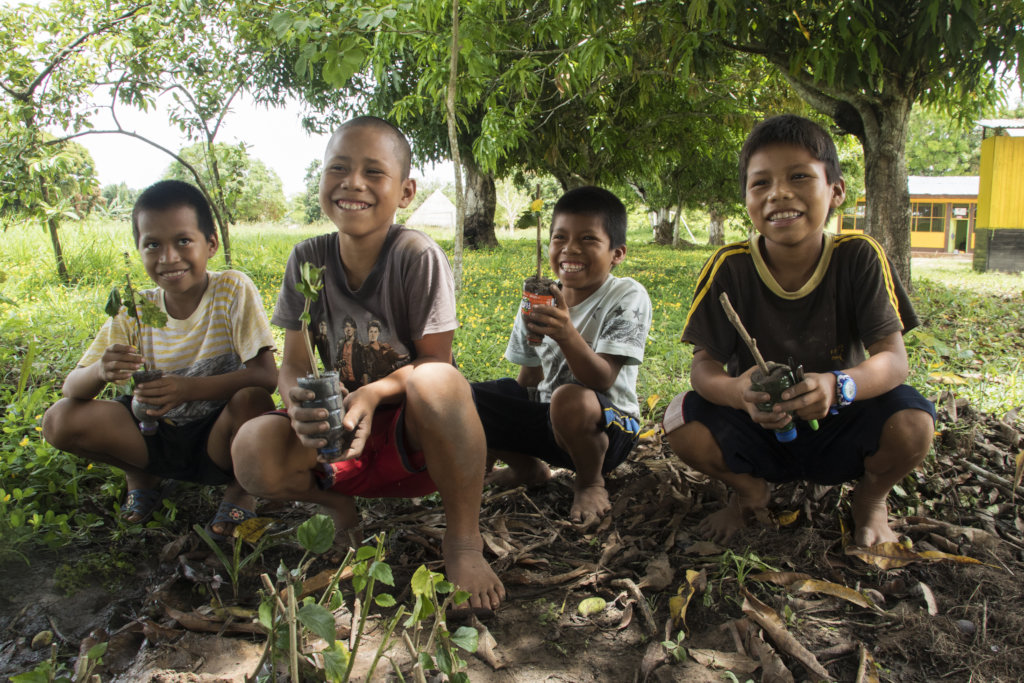
At the same time as working with teenage girls, we continue to work with primary school children. This happens in two main schools - one in the urban community of Bena Jema and another in the semi-rural community of Santa Clara, where we have our combined education and permaculture project, which has featured in previous reports.
To learn more about our work in the urban school in Bena Jema, see this blog post written by Antonia, one of our year long German volunteers who has sadly just left us.
We also finished the second pilot project of what we call the 'small two-women-wandering clinic'. Nine and Carolina, the two women who lead this, worked for a month in the mixed Shipibo and mestizo urban community of Jhon Hawking providing a free medical service based on traditional Shipibo plant medicine and Western homeopathy. As in the first pilot project, this work proved to be very important in offering high quality attention to people who do not usually receive it and providing an effective health intervention. You can read more about this here.
Project reports on GlobalGiving are posted directly to globalgiving.org by Project Leaders as they are completed, generally every 3-4 months. To protect the integrity of these documents, GlobalGiving does not alter them; therefore you may find some language or formatting issues.
If you donate to this project or have donated to this project, you can receive an email when this project posts a report. You can also subscribe for reports without donating.