By Charles Olupot | Project Leader
Despite a substantial reduction in global maternal mortality, rates in low-income countries remain unacceptably high. Multiple factors exist, (rural mother's)
1. accessibility of Midwifery care;
2. quality of midwifery care.
In the Pallisa District, rates of health facility delivery and skilled birth attendance remain low and maternal mortality exceeds the national average.
Challenges faced by Our rural midwifery clinic.
Inadequate infrastructure
Shortage of midwifery staff
Logistical challenges
Lack of motivation
Solutions to challenges
Providing adequate beds and physical space
Making more equipment available
Increasing midwifery staff strength
Providing motivation from facility managers
Strengthening community systems to mobilize resources for childbirth emergencies
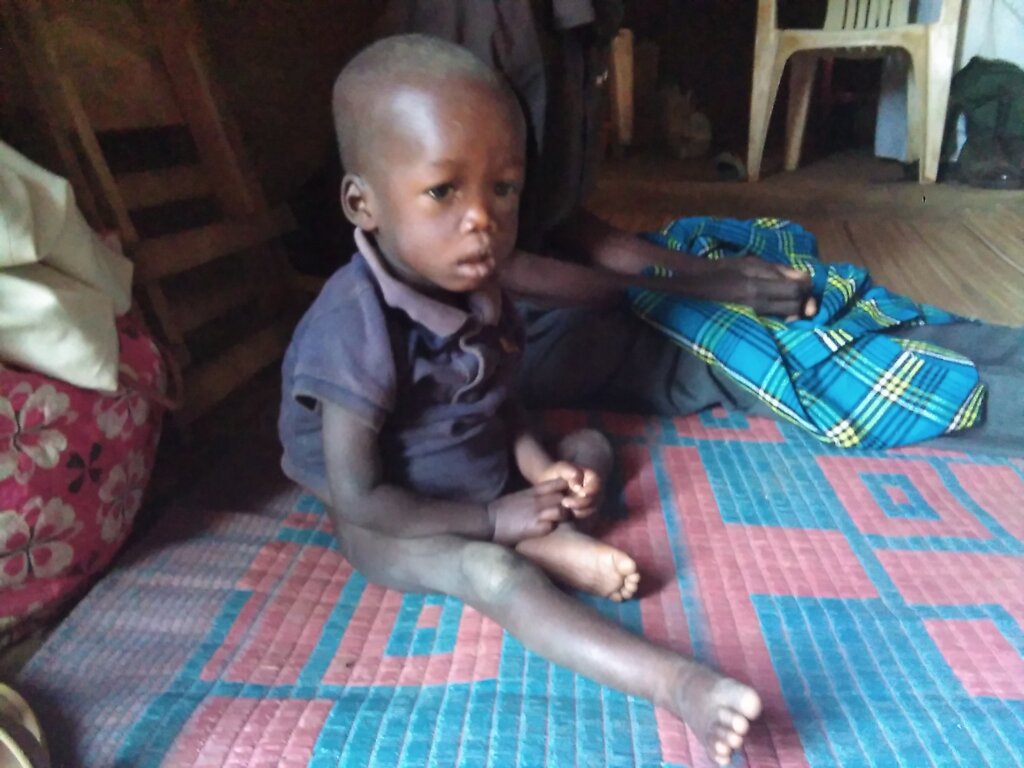
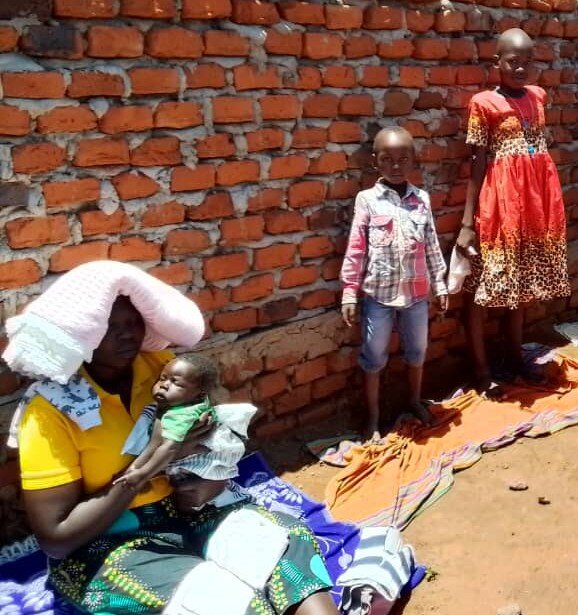
Challenges faced by rural mother's.
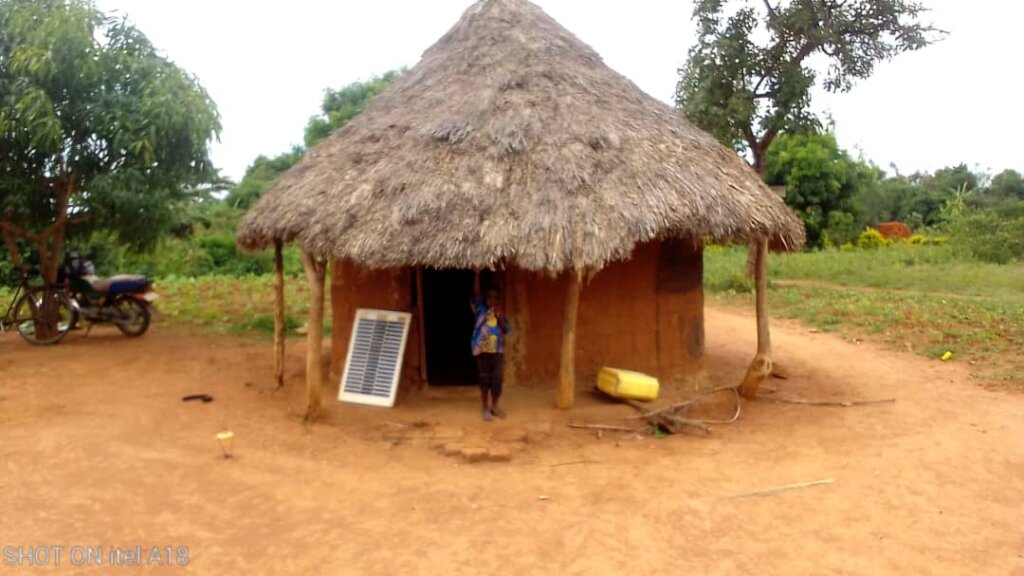
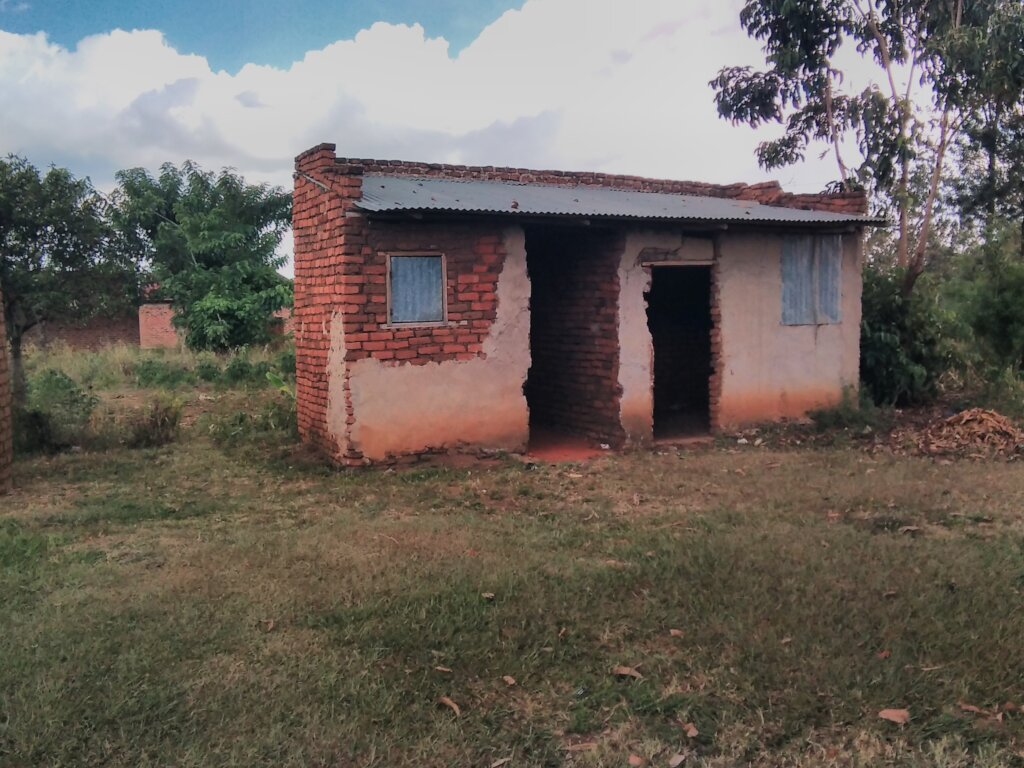
No midwifery clinic in the village,
Expecting mother lack psychological support.
Poor quality Healthcareo for pregnant women during delivery make them relax and
No qualified doctors to provide the required information needed for quality care
Enablers and Barriers to Respectful Maternity Care in Low and Middle-Income Countries:
Nigh child birth, emergencies!
In government hospitals workers "didn't really care to help referred poor rural women, being dirty.
Our goal for setting a midwifery clinic in the village.
Improving The Quality Of Midwifery Services?
respectful midwifery care for the disadvantaged community's
reducing the involvement of women who cannot afford personal care.
Conclusion.
While Uganda has made significant progress in maternal health care, with 73% deliveries occurring in a health facility and 74% birth being attended by a skilled person, there is certainly room for more improvement.
Previous studies report that fear there are are some of the barriers that deter women from attending public health facilities in Uganda and this negatively impact access to skilled birth attendance.
Here are some reports and statistics about midwifery services in Uganda:
Midwifery staffing gap
Uganda has a 36% national gap in midwifery staffing positions, and some rural districts have a gap of 50–60%.
Midwives per 10,000 people
Uganda has about 17 midwives per 10,000 people, but the World Health Organization (WHO) recommends at least 71 per 10,000 to achieve Universal Health Coverage targets.
Midwives' workload
Midwives in Uganda deliver 350–500 mothers per year, which is more than the WHO's recommended 175.
Challenges
Challenges to scaling up midwifery services include a shortage of skilled birth attendants, a lack of essential equipment, and limited training for health workers.
Rural maternity services
Many rural health facilities are unable to provide basic or comprehensive emergency obstetric and newborn care.
Maternal health audit
The government plans to conduct a countrywide maternal health audit to address the problem.
Pregnant women's visits
Most pregnant women in Uganda attend fewer than the recommended minimum of four antenatal care visits.
Traditional practices
Women in Uganda use traditional practices such as herbal concoctions, abdominal palpations, and back massages during pregnancy.
Women's beliefs
Women in Uganda believe that pregnancy is a test of endurance and that maternal death is a normal event.
Our planned strategy!
To address these challenges and start the journey to a positive childbirth experience for rural women
Here are some reports and strategies for providing midwifery services to remote areas:
Rural pipeline approach
This approach involves training, employing, and retaining health workers in rural areas to improve maternal and child health services.
Strategies for attracting and retaining midwives
These strategies include:
Financial incentives: Ensuring midwives receive their salary, rural and remote allowance, and a risk allowance
Education strategies: Promoting nursing schools in rural areas to include midwifery training
Regulation: Prioritizing civil service registration of midwives working in rural areasOur plan.
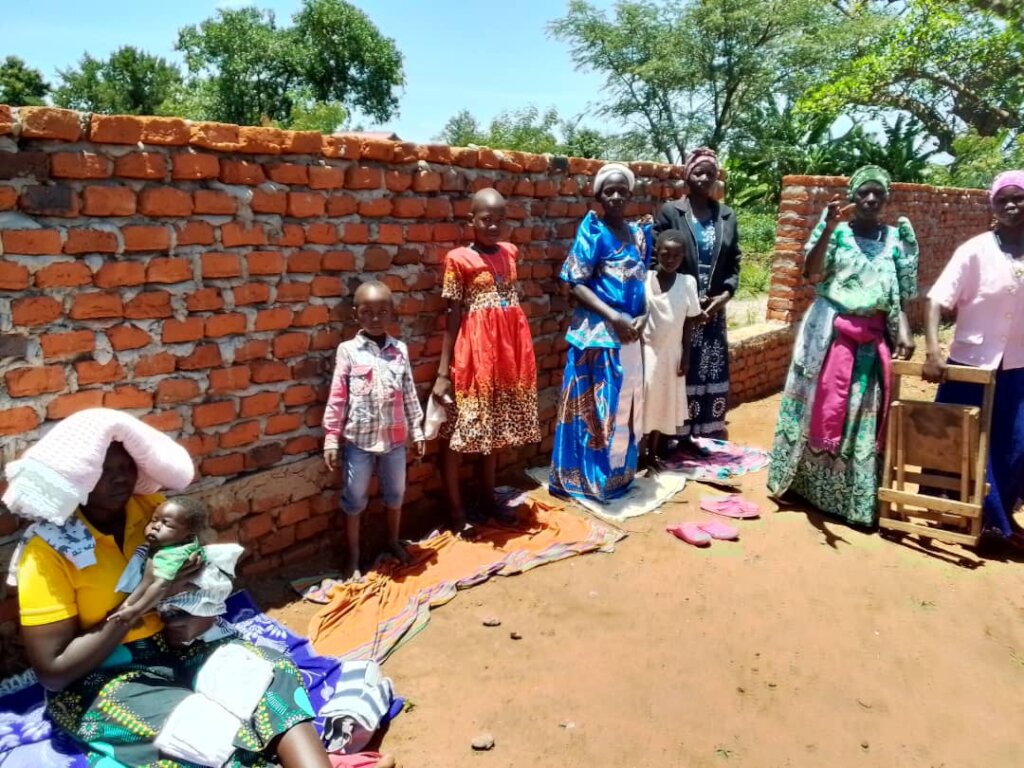
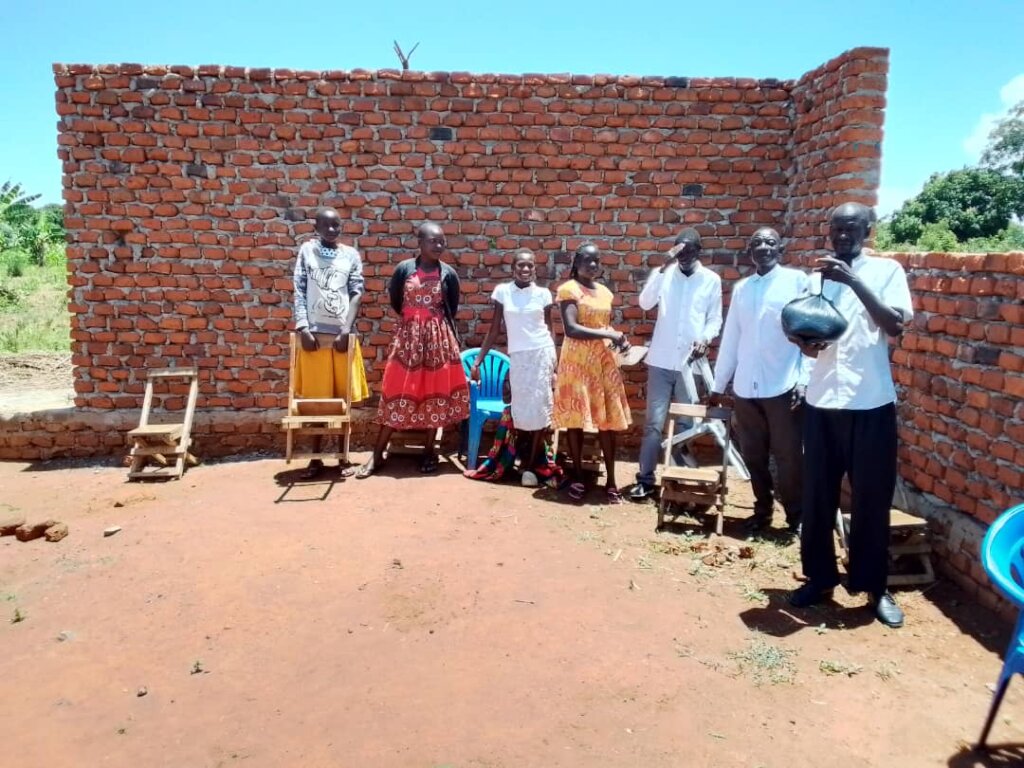
Establishing a Midwifery Clinic will help address these issues at a local leve
Health education and antenatal care need to be provided at the clinic, encouraging women to seek timely, appropriate intrapartum care
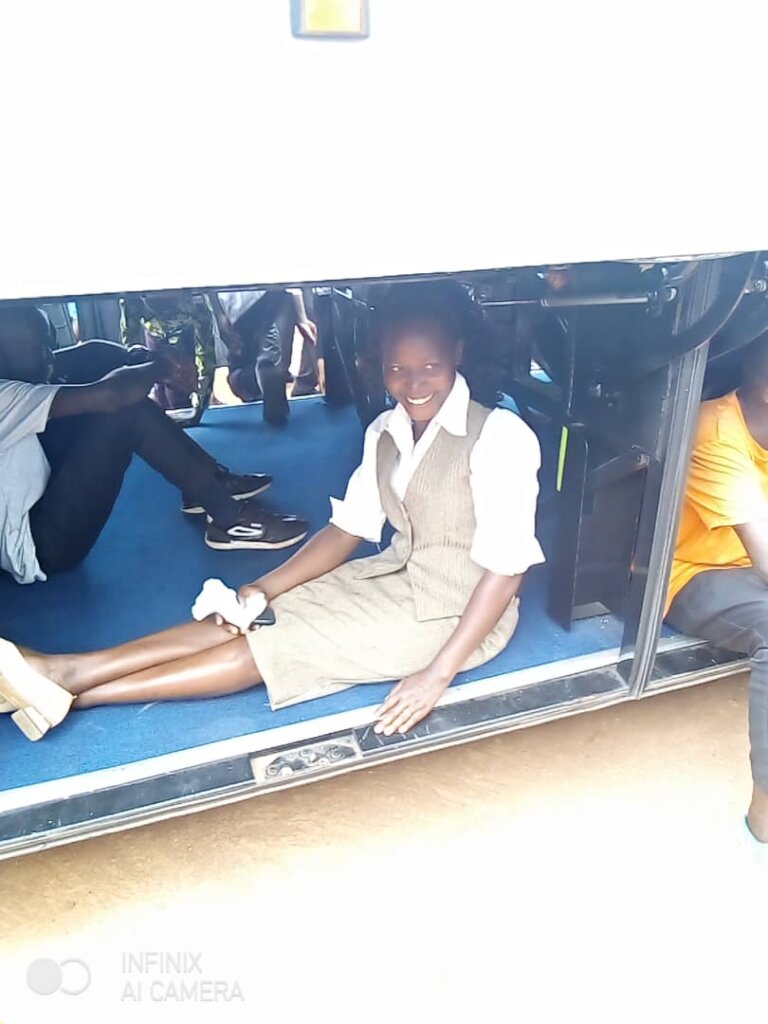
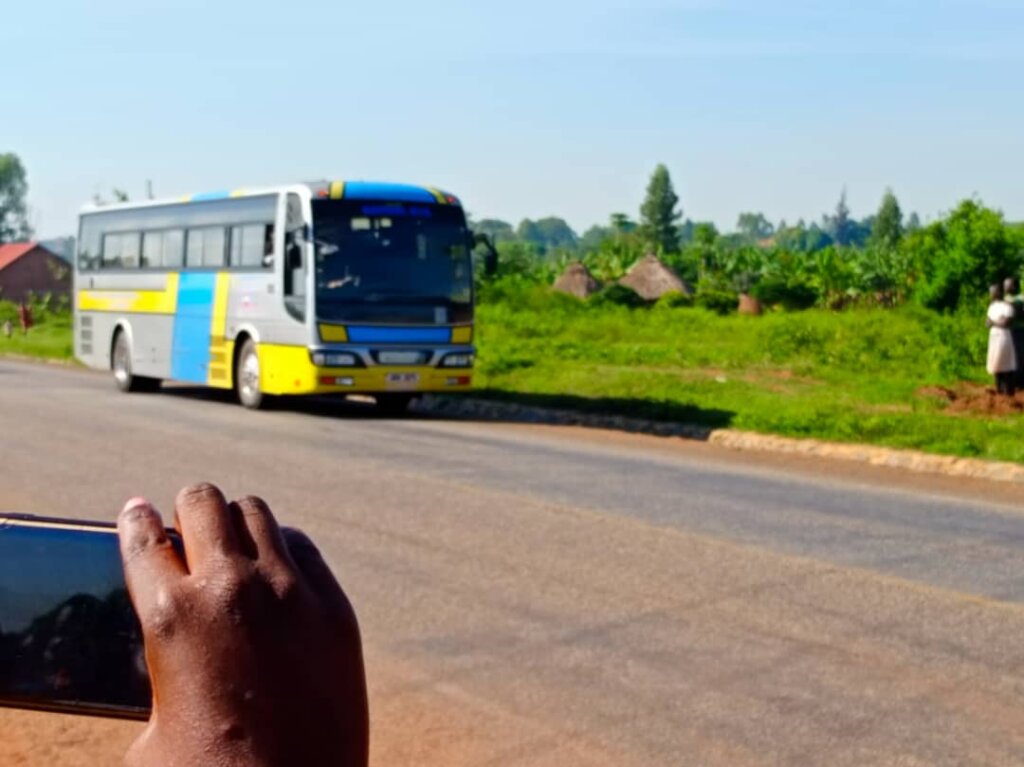
Access from surrounding villages to be facilitated by a waiting home and weekly transport for antenatal care, alongside transport to a health facility with a staffed operating theatre, when require
To be run by a resident midwife, with regular training updates, and is stocked with the necessary resources for quality healthcare.
By Charles Olupot | Project Leader
By Charles Olupot | Project Leader
Project reports on GlobalGiving are posted directly to globalgiving.org by Project Leaders as they are completed, generally every 3-4 months. To protect the integrity of these documents, GlobalGiving does not alter them; therefore you may find some language or formatting issues.
If you donate to this project or have donated to this project, you can receive an email when this project posts a report. You can also subscribe for reports without donating.



Support this important cause by creating a personalized fundraising page.
Start a Fundraiser