By Sonia LeRoy and Sulayman Ba | International Partner; Maison de la Gare Staff
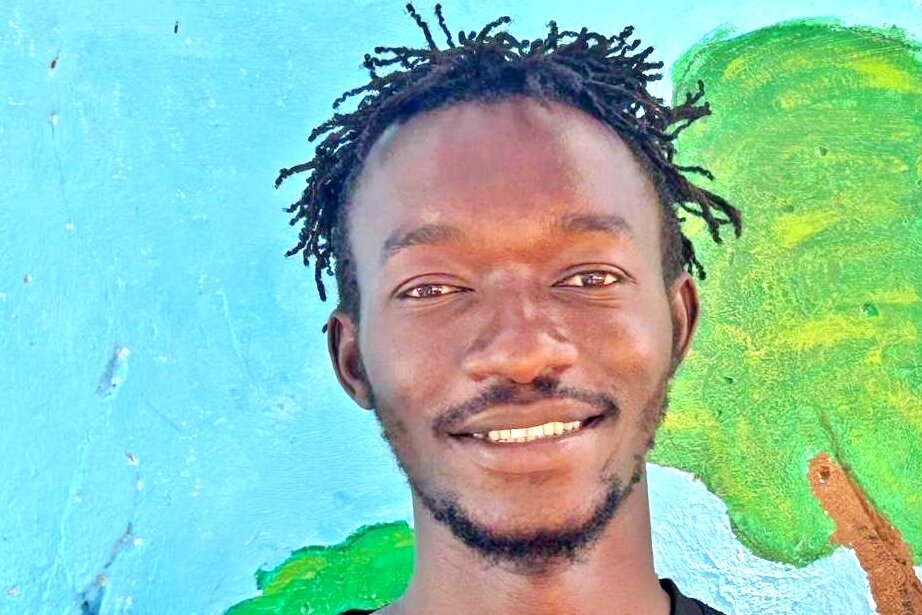
I have previously written about a special person I came to know well at at Maison de la Gare over my many years as a volunteer and parter. Sulayman is a former forced begging talibé who found his way to the centre in search of education and shelter from his difficult life. Sulayman faced almost impossible challenges and barriers along his path, but he never gave up his pursuit of a formal education.
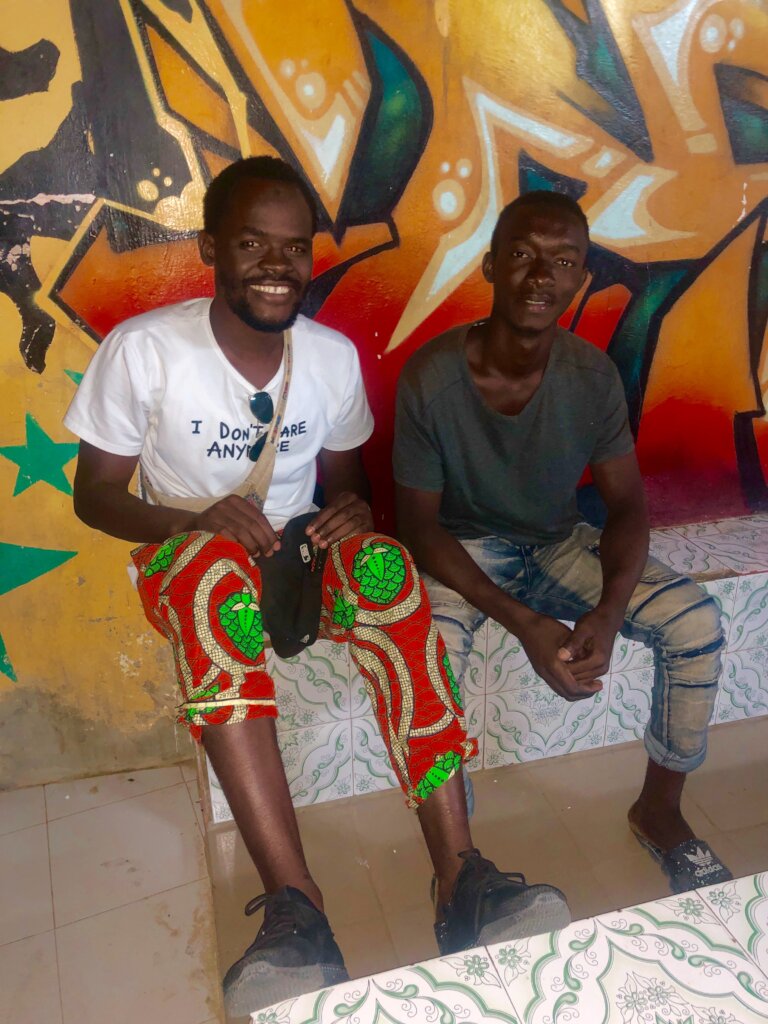
After considering and rejecting a dangerous migration to escape modern slavery, with the help of Maison de la Gare Sulayman eventually found his way home to Gambia. With no previous formal education, Sulayman began, persevered, and completed high school in four years. He also graduated from a post secondary training program. Today Sulayman is an adult, back at Maison de la Gare as a staff member and as a shining example of success, where he leads and mentors young tabilbés to help build agricultural skills and seek a better life. Several years ago, upon completing high school, Sulayman wrote about his journey. Some of his own words are repeated in this report, to shine a light on the struggles talibés face, and to demonstrate that no dream is impossible with perseverance, and enough heart and determination.
My name is Sulayman Ba. I was born in Gambia, West Africa. I have six siblings and I am the third son of my mother. I spent much of my childhood and youth as a modern slave, first as a slave labouring in the village, then a forced begging talibé. But education was all I ever wanted. Eventually I finally took some control over my own life and found a way to go to school.
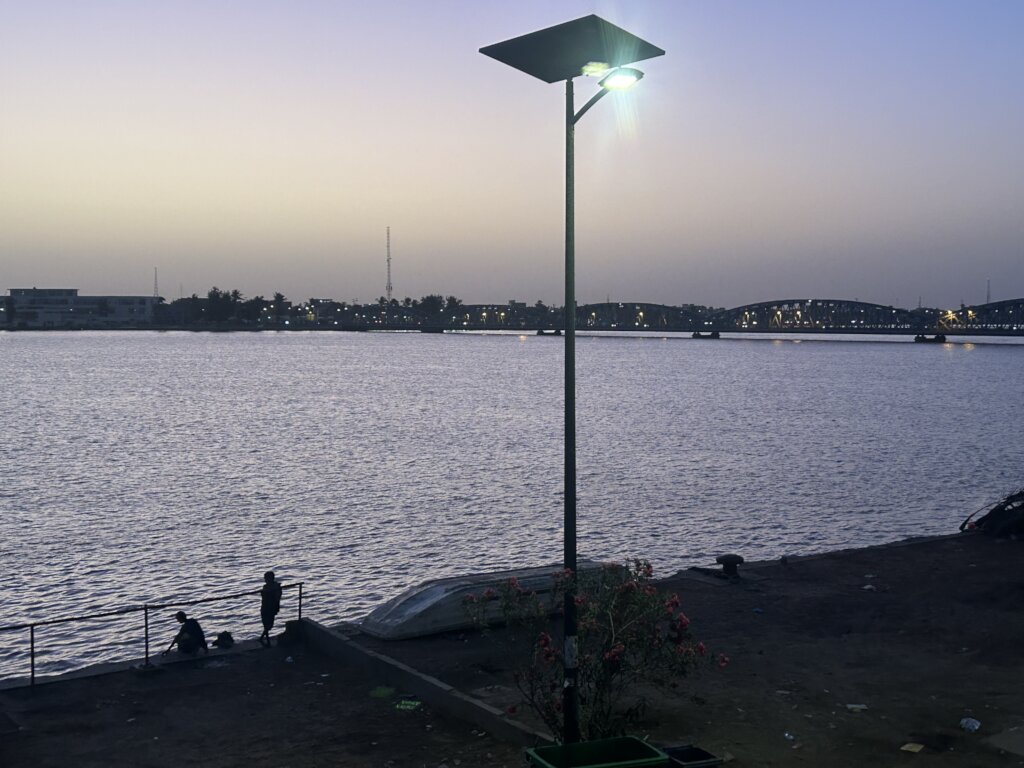
For a long time as a child I lived and worked in the village in Gambia, forced to labour in the fields. We would eat some of what we grew, and the marabout sold the rest. Then one day my marabout in that village decided to take me to Senegal to continue studying the Quran. This was how my journey to Saint Louis came about.
I was taken to Saint Louis, Senegal with one of my daara- mates, who was also a Gambian. When we arrived in the city around 8pm we were supposed to be taken to a certain daara. But we were not allowed to stay in the place we were sent. Instead we were sent to a different marabout we did not know. We eventually arrived at this other daara later that night and it was full also. But the marabout let us stay there with some of his talibés despite it being overcrowded. I remember there was so much confusion that night!
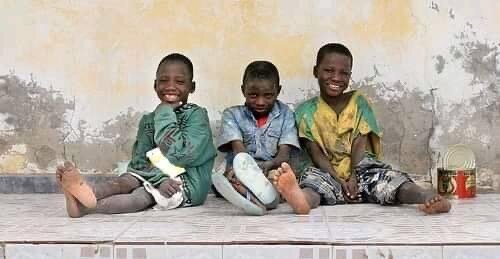
My first morning in Saint Louis, I woke up and was sitting waiting for breakfast, as I would back at my daara in the village. We were extremely famished after our long journey and the the chaos of the previous day without food. One guy came and told us boys “I know you boys are new comers, but here in this daara you have to go out beg for food or look for a job in order to survive.” We children, of course had no money, so we went to the market with some of the other talibés to try to get jobs carrying people's stuff. We were paid very small amounts actually, not enough to even buy food. That was how we were living for several more years.
I was forced to do many tedious jobs in Saint Louis just for survival to take care of myself, and also to give my marabout money. No one cared about taking care of me even though I was a child. I can remember my first job apart from going to that market was sweeping. There was a very wicked woman named Aja that I was working for, she was very mean to me. I did not understand the money, and I would wake up every morning and clean everywhere in the house up and down everyday, with no days off. For this I was paid 2000cfa a week (about US$3.25). But this woman often would not even pay me that small amount so I left there and I returned to the market to earn what I could.
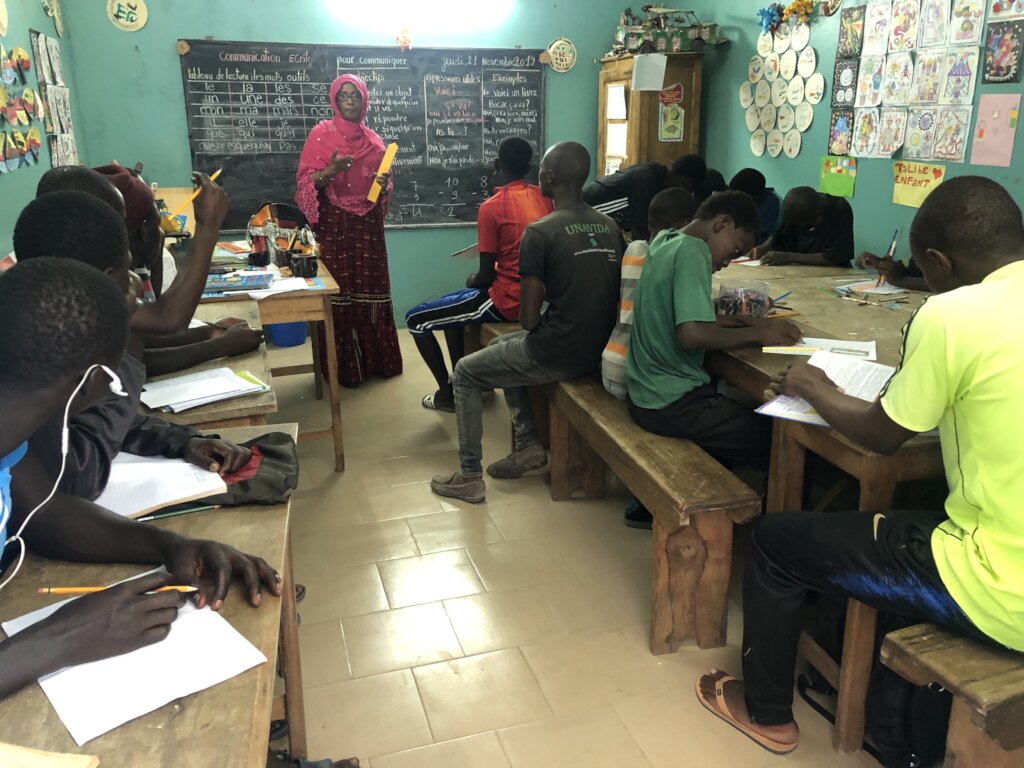
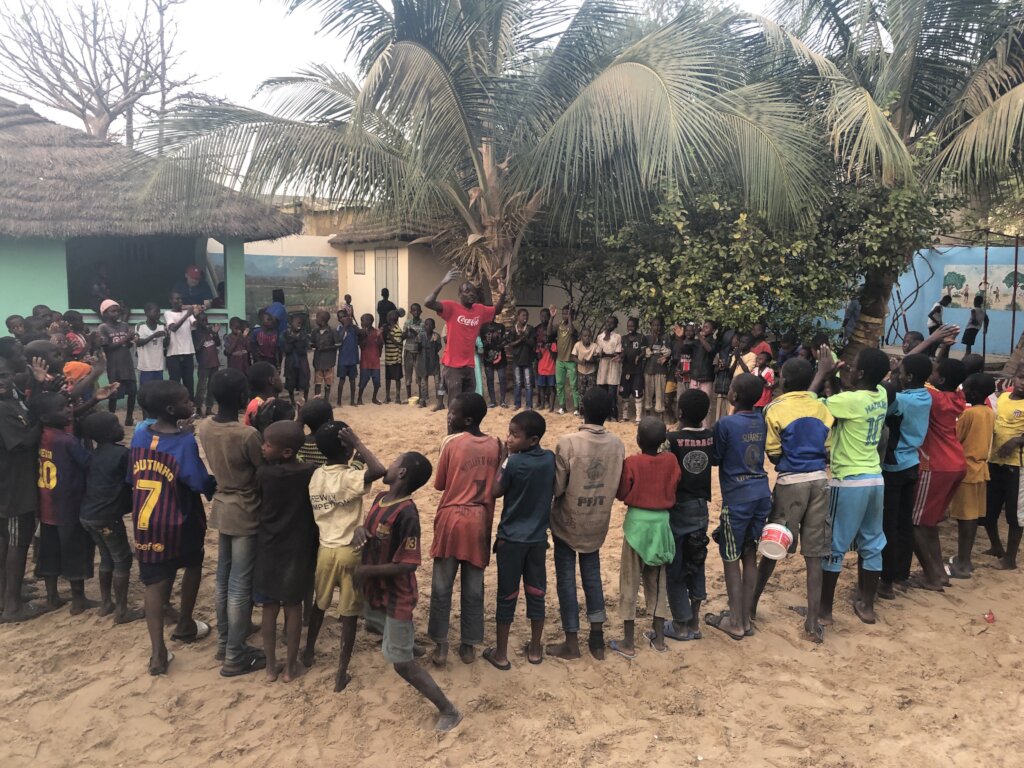
In 2015 I learned about some centres helping talibés like me. I started going to the centres and found Maison de la Gare. Whenever we were returning from working in the market we would pass by Maison de la Gare to take a shower and sometimes watch films and play. We would also come back in the afternoon and eat free food they gave us. I started falling love with it. Maison de la Gare was a break from my very hard life. I spent as much time as I could at Maison de la Gare. I started getting used to the people at Maison de la Gare, and trusting them, especially the teacher, Abdou Soumaré. He always would advise me go to the classes at the centre and learn French or English, advising that it may help a lot in my life.
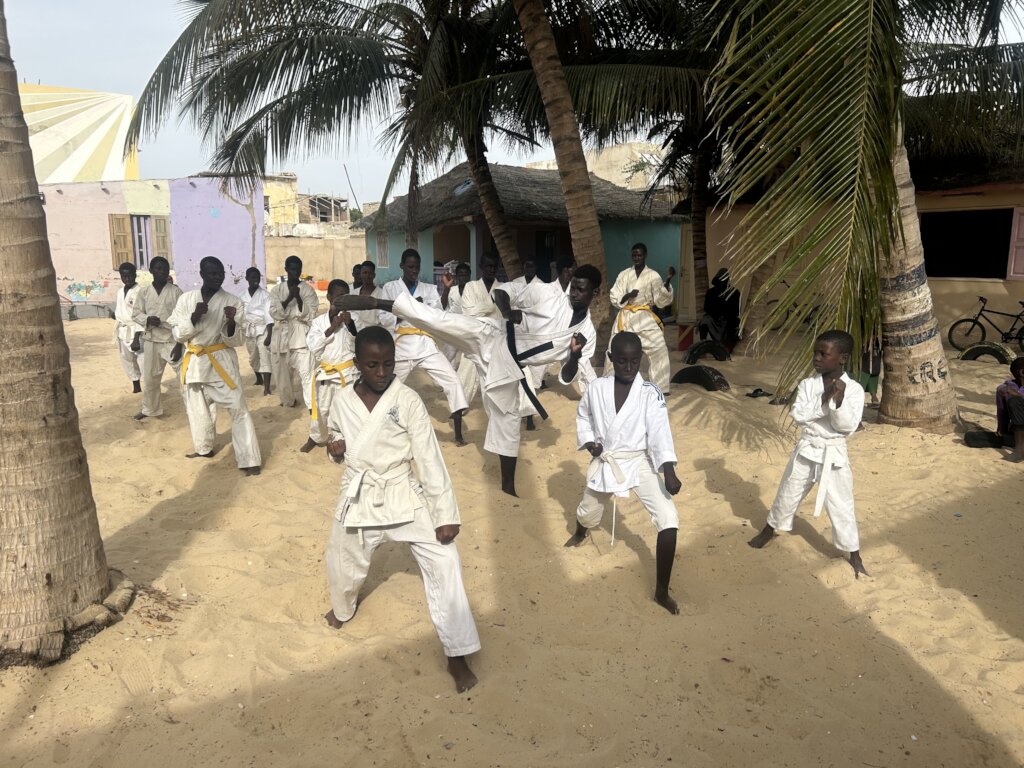
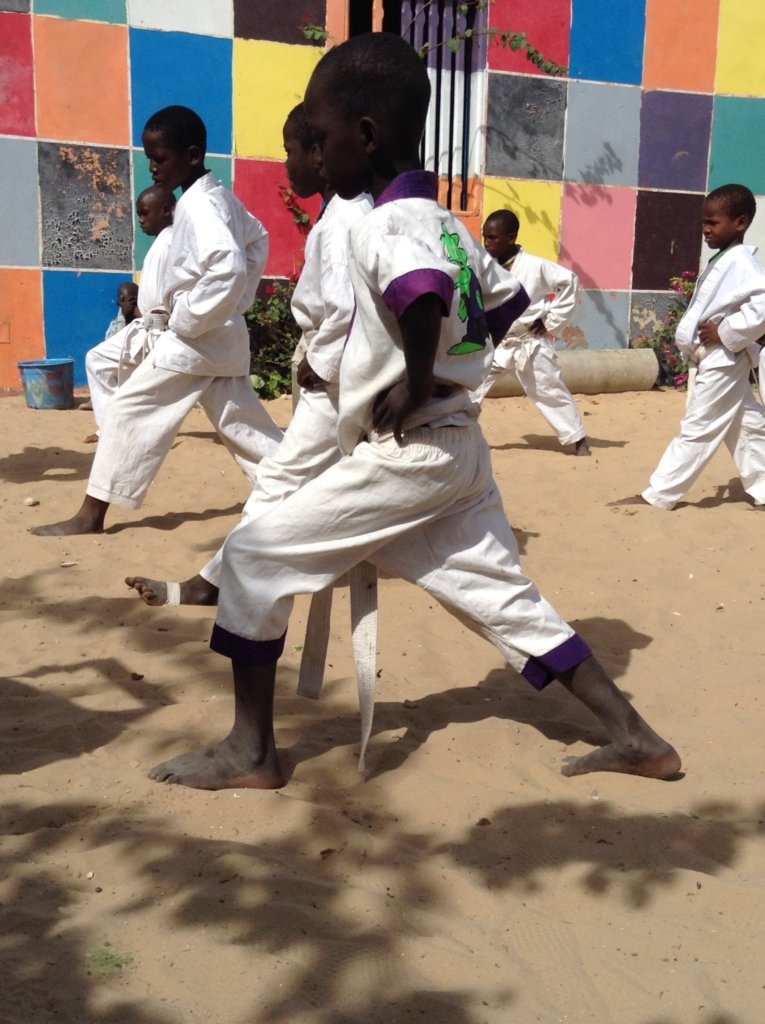
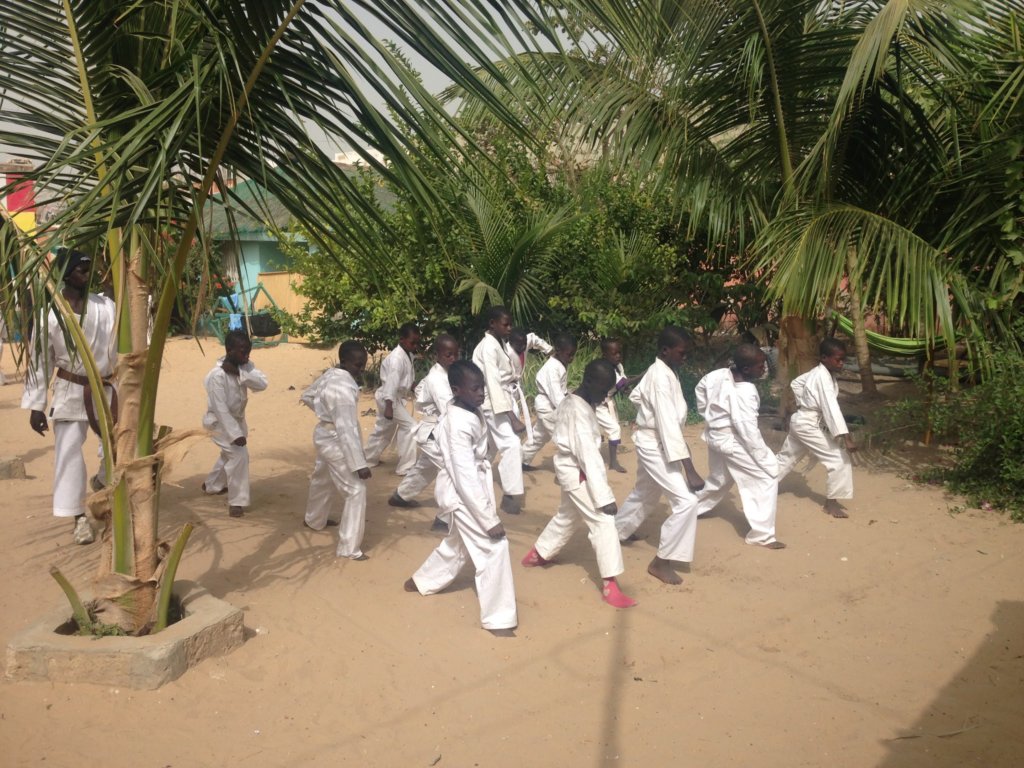
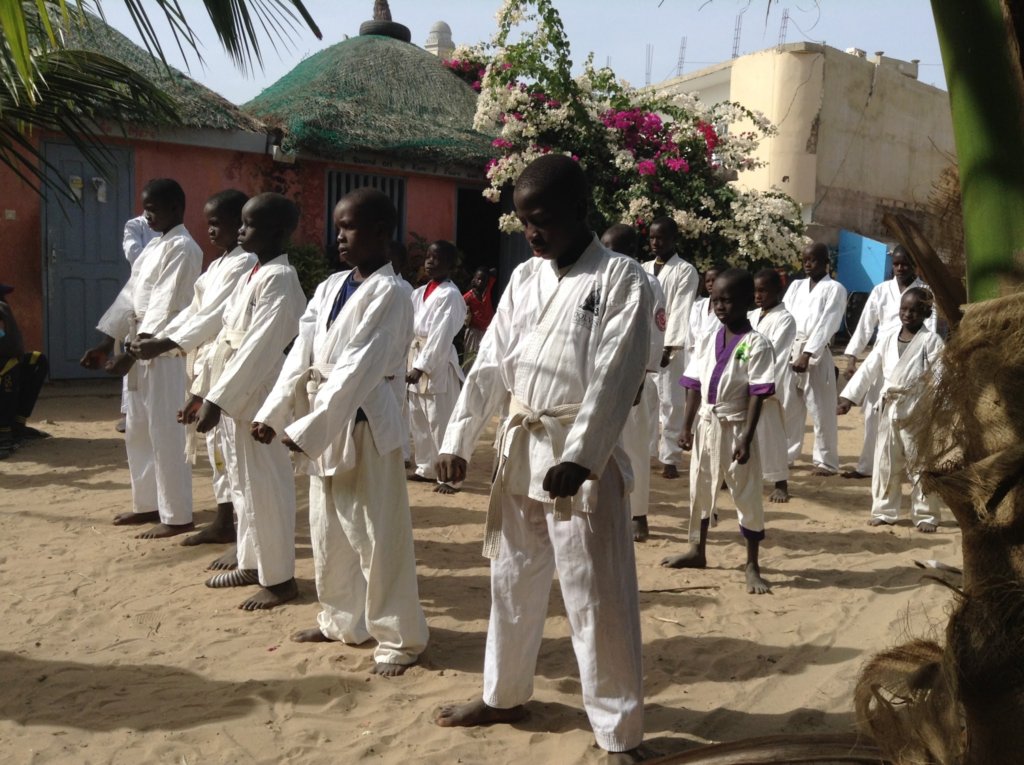
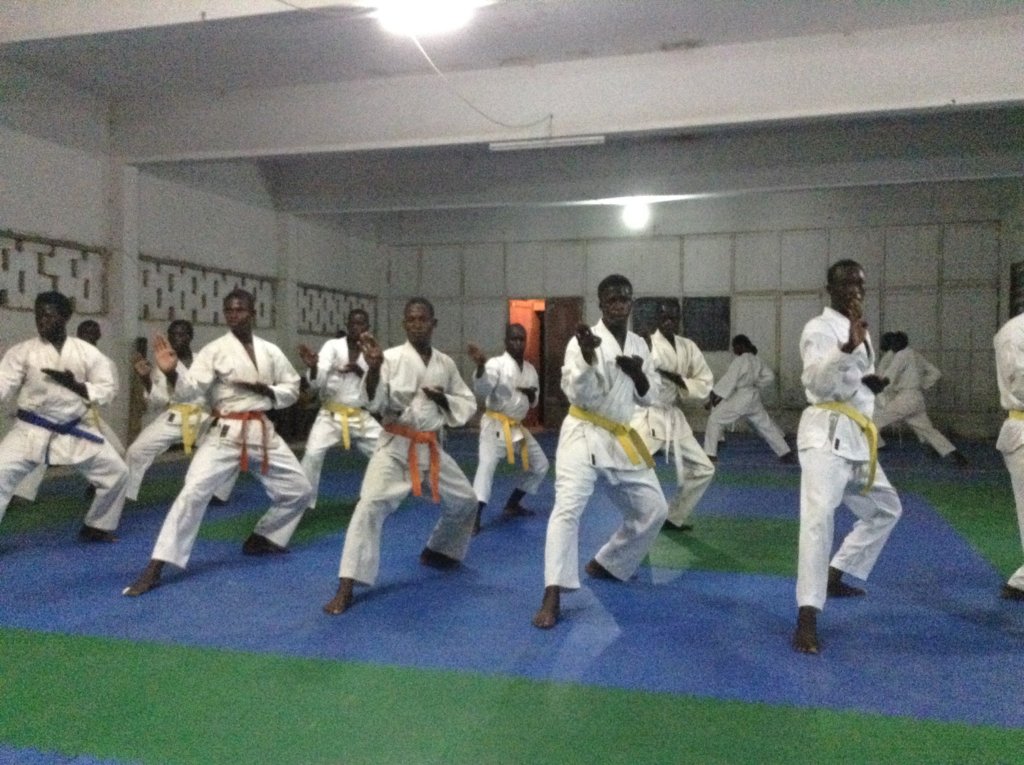
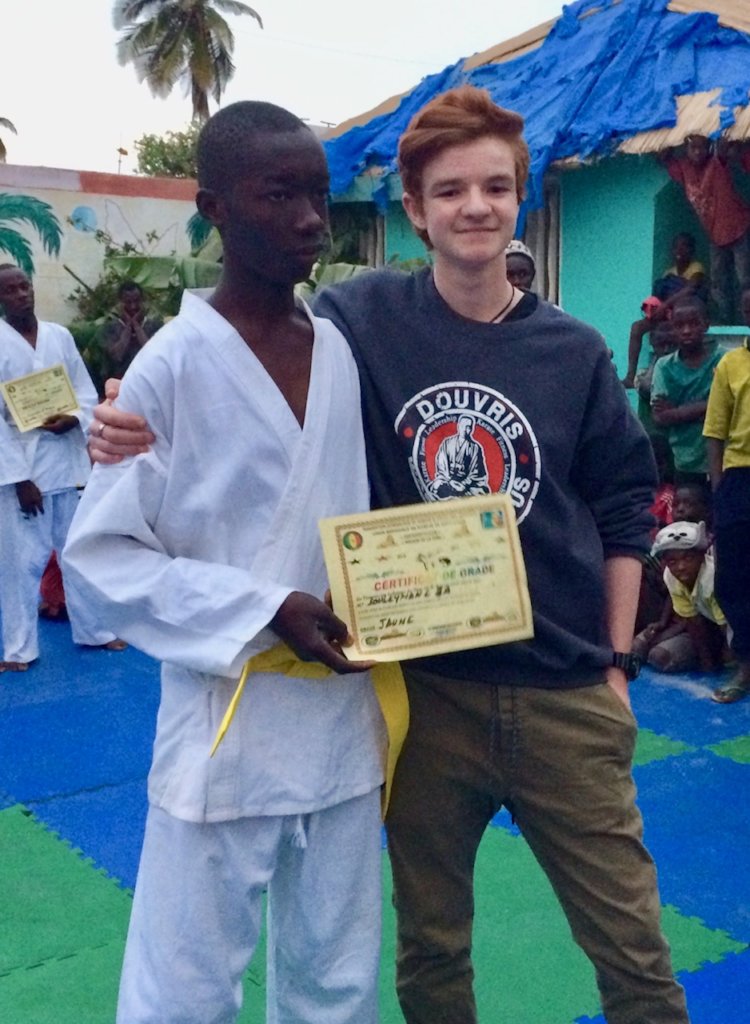
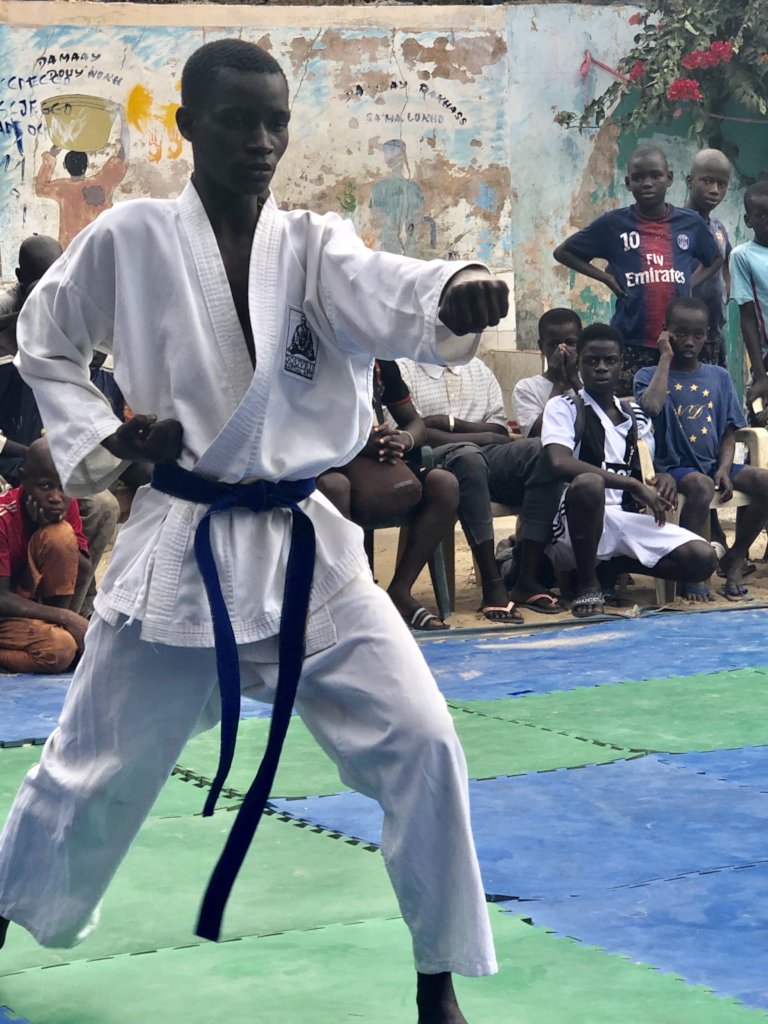
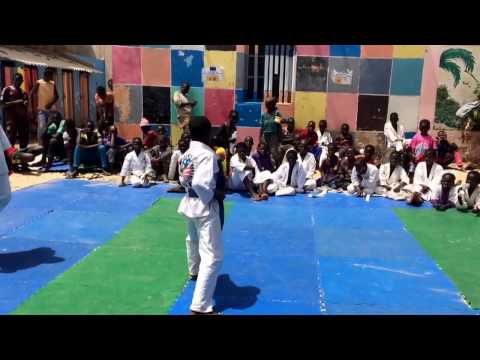
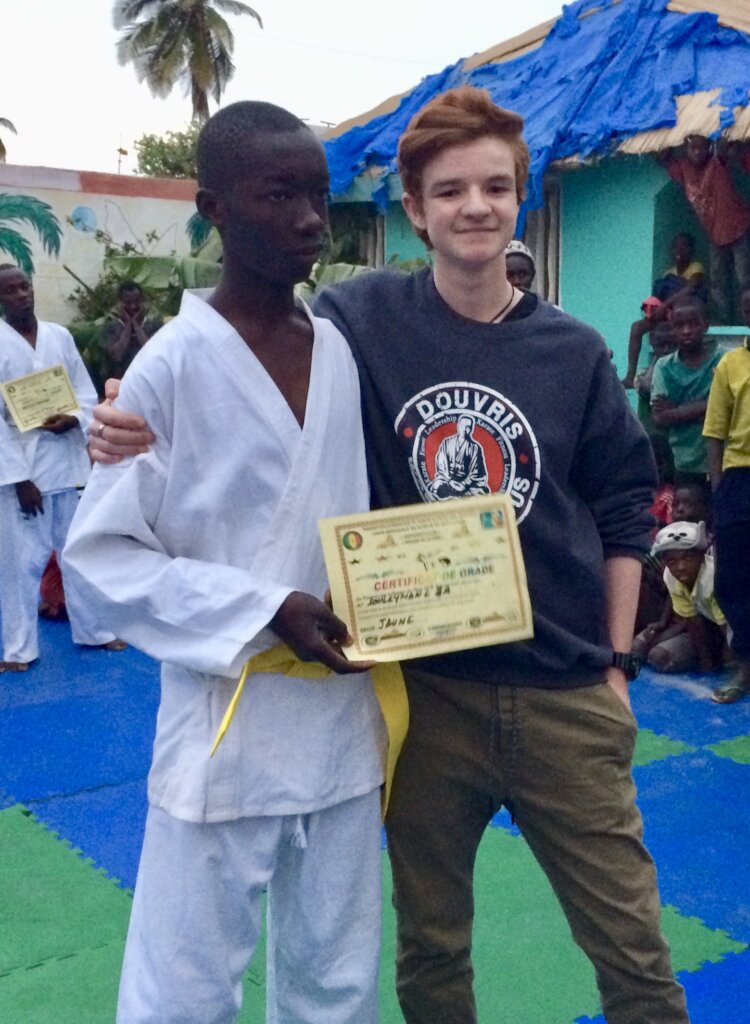
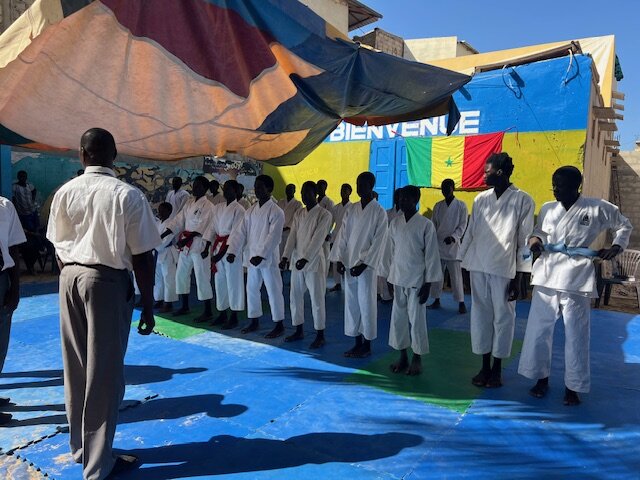
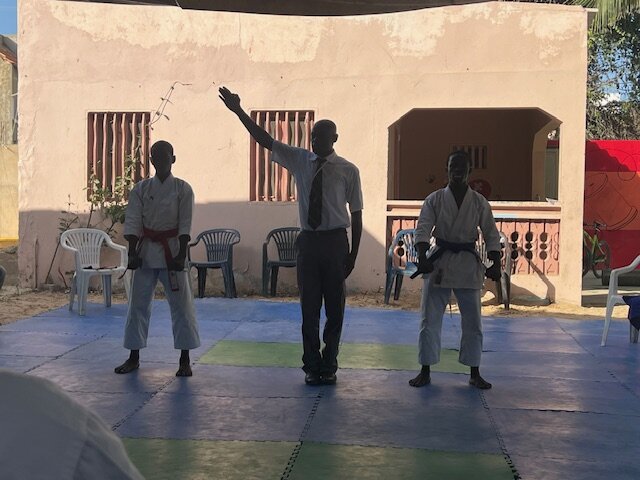
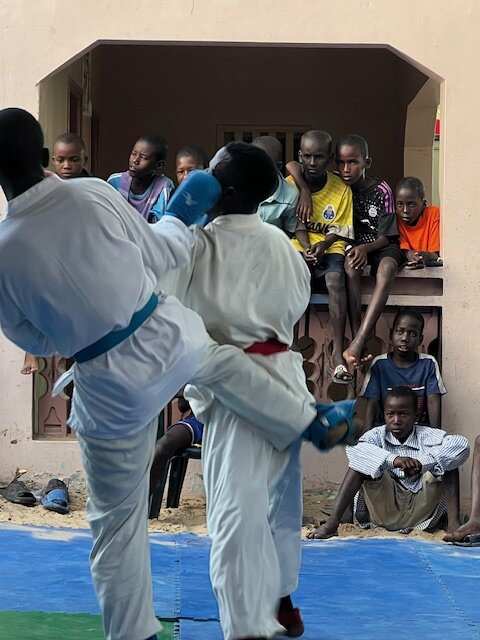
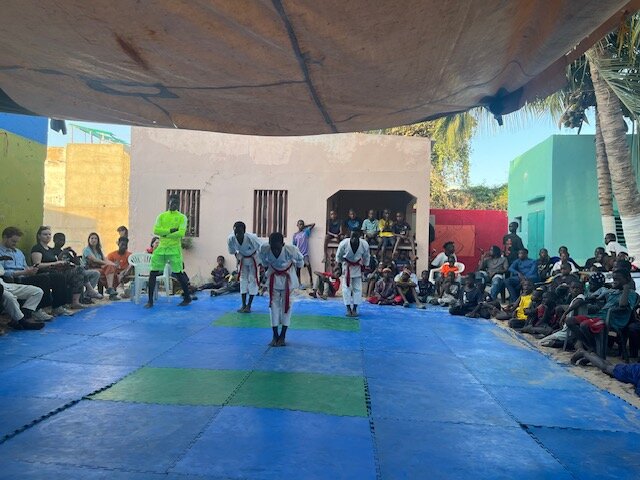
At first I could not understand anything in either English or French so I found it pointless to sit in the class room. I could not tolerate my life in the daara any longer, so I was eager to escape to Europe, through Libya or Morocco. Four of my friends had gone on that journey, and I wanted to do it too. That was the year I left the daara and went to Mauritania to try to find a job and then make my way to Europe. But Mauritania was even a worse nightmare for me. Even more terrible than living in the daara in Saint Louis. I returned to Saint Louis and finally took Abdou Soumaré’s advice. He had always been telling me I should try to go to classes and at least learn to understand one official language that could help me in life. So I started learning English with some of the volunteers at the centre. I remained at the centre until I started speaking a bit of English. I even joined the karate program and earned my yellow belt.
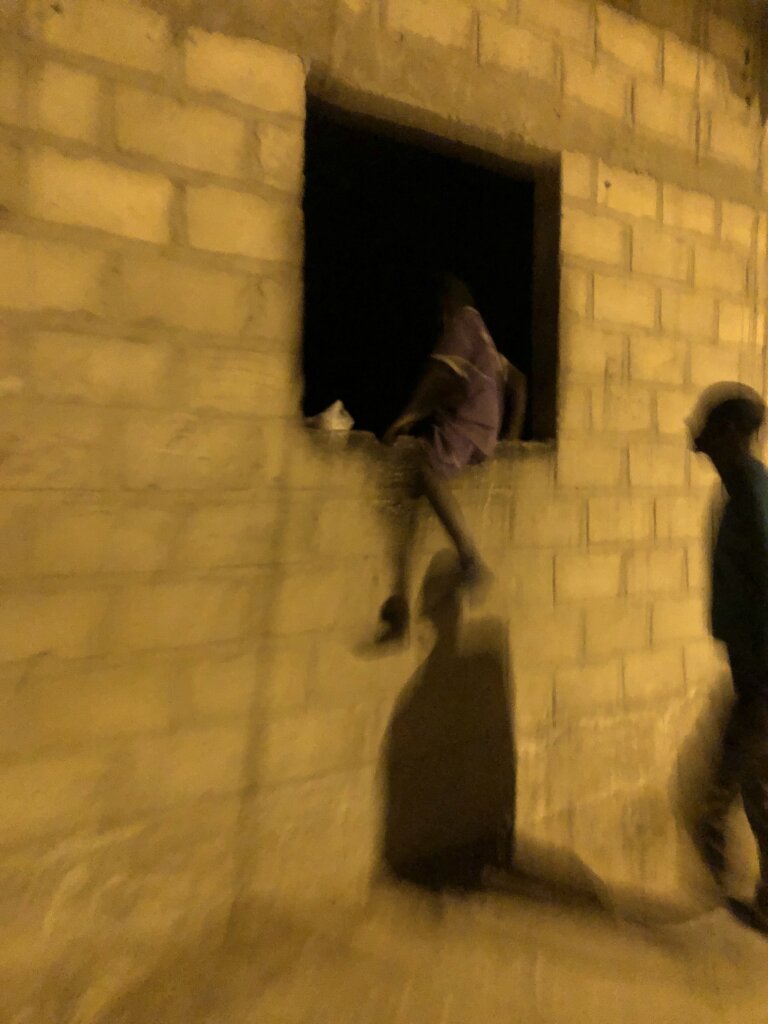
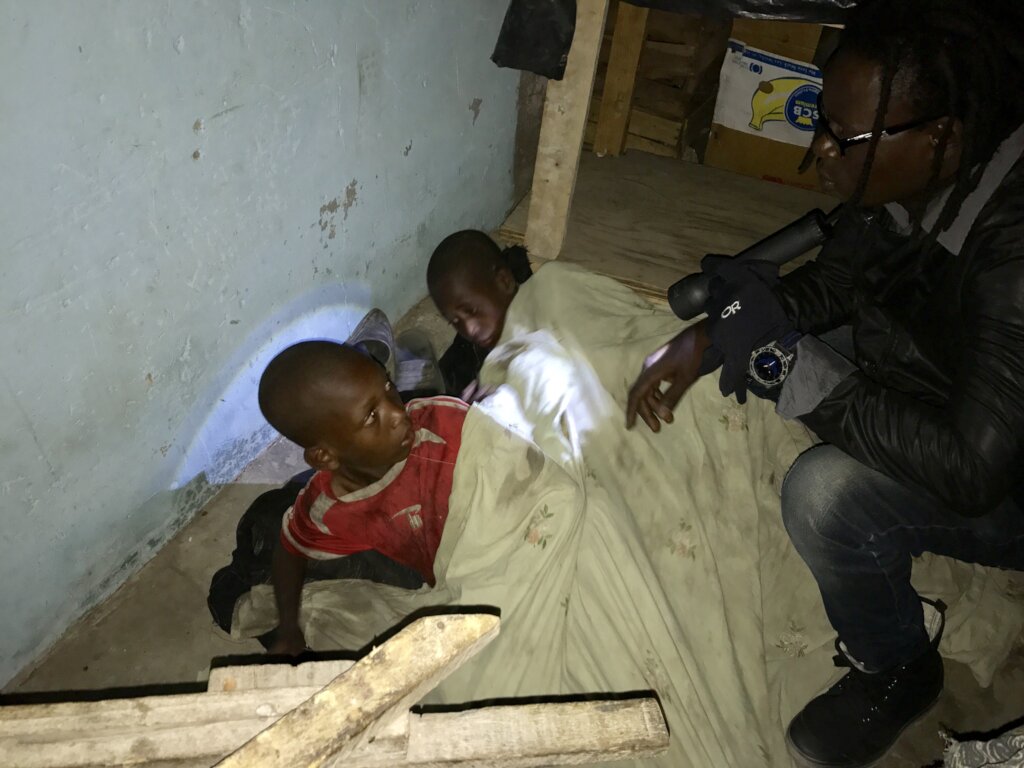
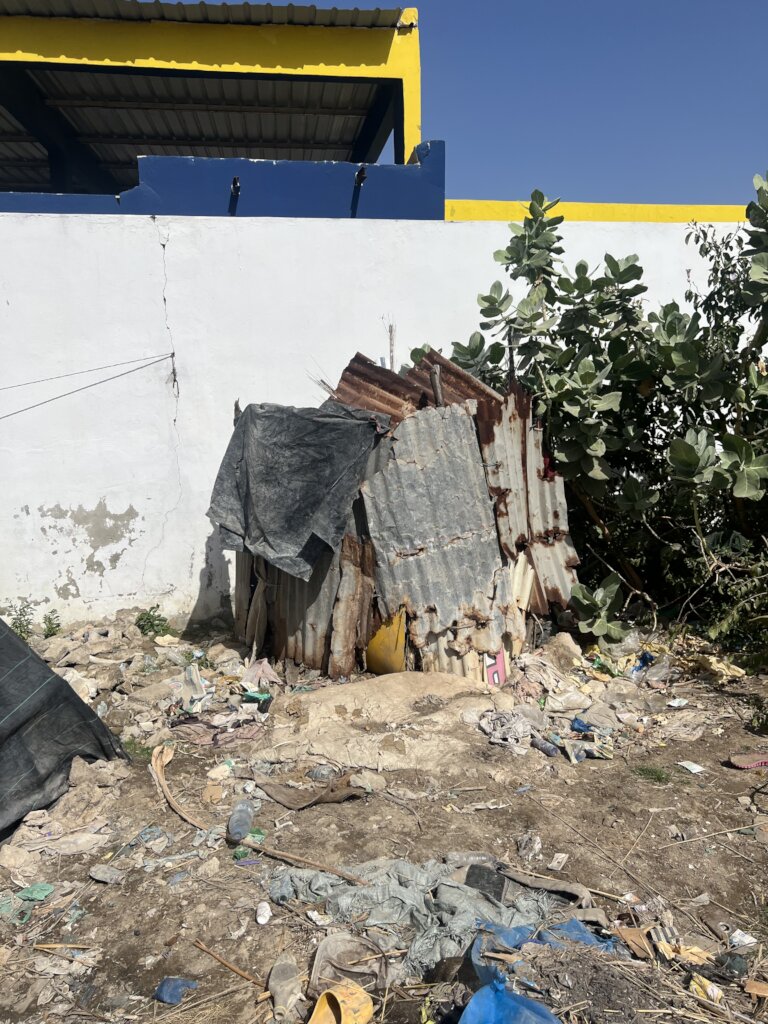
I returned to Gambia in late 2018, but I found my mum had a heart attack and my elder brother was not working. My uncle was the one taking care of this whole family and I had the feeling that I needed to make a change. I was wondering how I could make my way through my entire life with only having learned the Quran. I refused to treat other children the way I had been treated, as slaves, so being a marabout was not for me. I felt quite useless in my family. I went back to Saint Louis, and my main objective was to try to support myself, enrol myself to school, get my certificate, and then start working to become the bread winner of my family. I refused to return to the hell of the daara so I lived sometimes on the streets, sometimes at friends’ rooms, and sometimes at Maison de la Gare’s dortoir (emergency shelter). I continued to go to the Maison de la Gare classes.
I explained my situation and my desire to go to a real school to some of my friends. One friend who motivated me the most to find a way to go to school was my friend Tijan, also from Gambia. Tijan and I almost have similar stories. He was the one who would tell me “Sulayman stop thinking about this back way of going to Europe. You can make it in your own country.” He had returned to Gambia to go to school a few years before and he was going to graduate from high school! He was at that time in Senegal only briefly to visit Maison de la Gare. Tijan convinced and inspired me to return again to Gambia, this time to go to school. Abdou Soumaré and Issa Kouyaté, the president of Maison de la Gare gave us both some advice and wished us well. Tijan and I returned to Gambia together.
Today I believe that everything in life is possible. You just have to believe in yourself and give it a try. If I didn't believe in myself so strongly at this point, and already been through so much hardship, I would have dropped out of school the very first week that I enrolled. I will never forget this in my life: my very first test in school I earned zero out of one hundred. The teacher called me in front of the class room and embarrassed me in front of everybody. But, I didn't give up or think “well, I am stupid and I can't do this” instead I was like “ahhh, this is my first time in school, so it's not the end of the world. I’ll do better next time after I learn something.” I thank God now, Alhamdulillah!! that I stuck with it. I have learned much and improved a lot, advancing through all my high school grades. I am not bothered that I am of such an older age compared to my classmates and I am now at the last stage of high schooling. I have completed my high school studies with the help of tutors to help me get caught up for all the education I missed as a child. I have qualified to write the WASSCE, the West African Senior School Certificate examination, which I will be attempting this spring.
My hope for the future is to get good results in my upcoming exams. My high school diploma and good exam results will open the door for me to further my education. I hope my hard work and perseverance will give me the chance to go to university, to continue my education. I want to do it for myself and for my family. I believe education can brighten my life, it is the way.
Sulayman’s hard work and determination was rewarded. He passed his exams, graduated from high school, and qualified for college. He graduated from a post secondary flight attendant training program with flying colours. Though jobs in his field were scarce, he remained optimistic. Sulayman’s love and concern for other boys experiencing the abuses he had lived through brought him back to Maison de la Gare.
Recently Sulayman explained what inspires him to help talibés today:
I will keep fighting to the end to help change the lives of all the vulnerable children out there. This is just the beginning, I am proud to be a good example even if I don’t succeed in the job I was trained for. No education is ever wasted. I want to help be a reason for many talibé children to change their lives and live better.
Links:
By Robbie Hughes | International Partner, Volunteer, And Student
By Robbie Hughes and Sonia LeRoy | International Partners
Project reports on GlobalGiving are posted directly to globalgiving.org by Project Leaders as they are completed, generally every 3-4 months. To protect the integrity of these documents, GlobalGiving does not alter them; therefore you may find some language or formatting issues.
If you donate to this project or have donated to this project, you can receive an email when this project posts a report. You can also subscribe for reports without donating.



Support this important cause by creating a personalized fundraising page.
Start a Fundraiser