By El Hadj Abdou SY | Communications Manager, Maison de le Gare
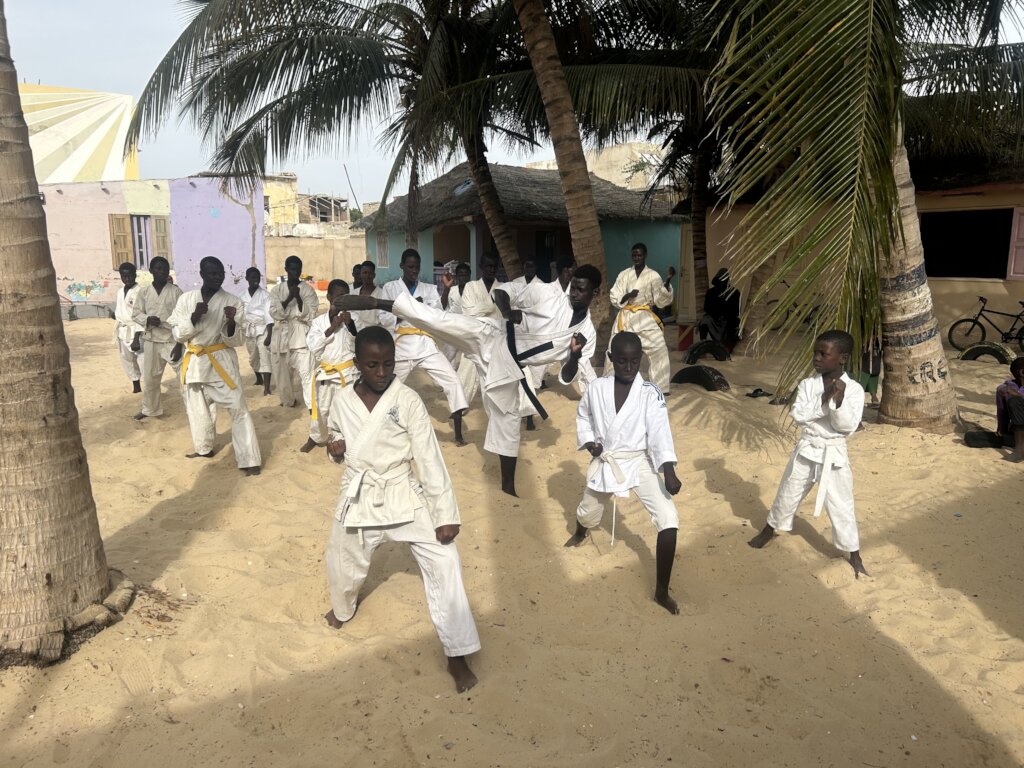
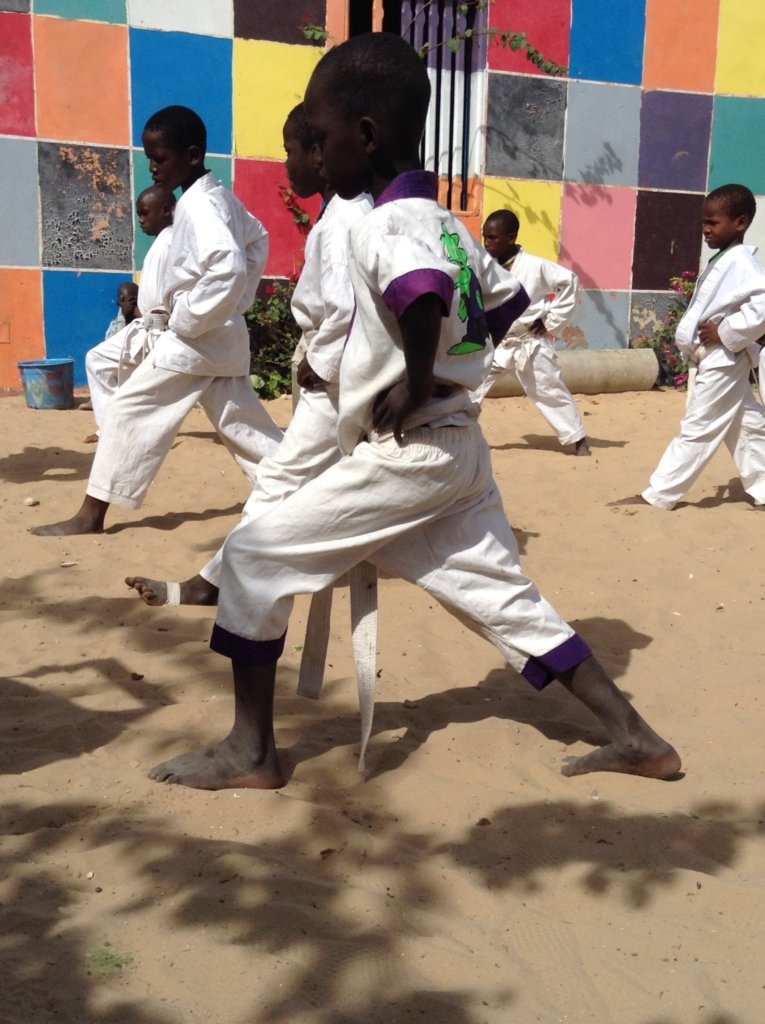
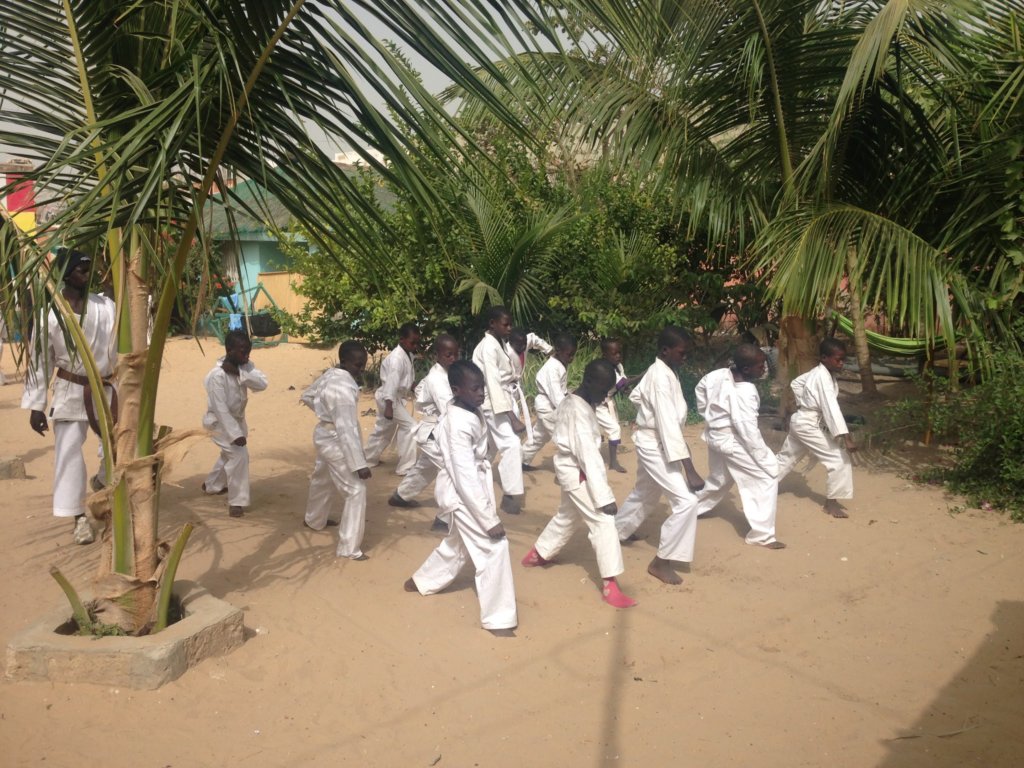
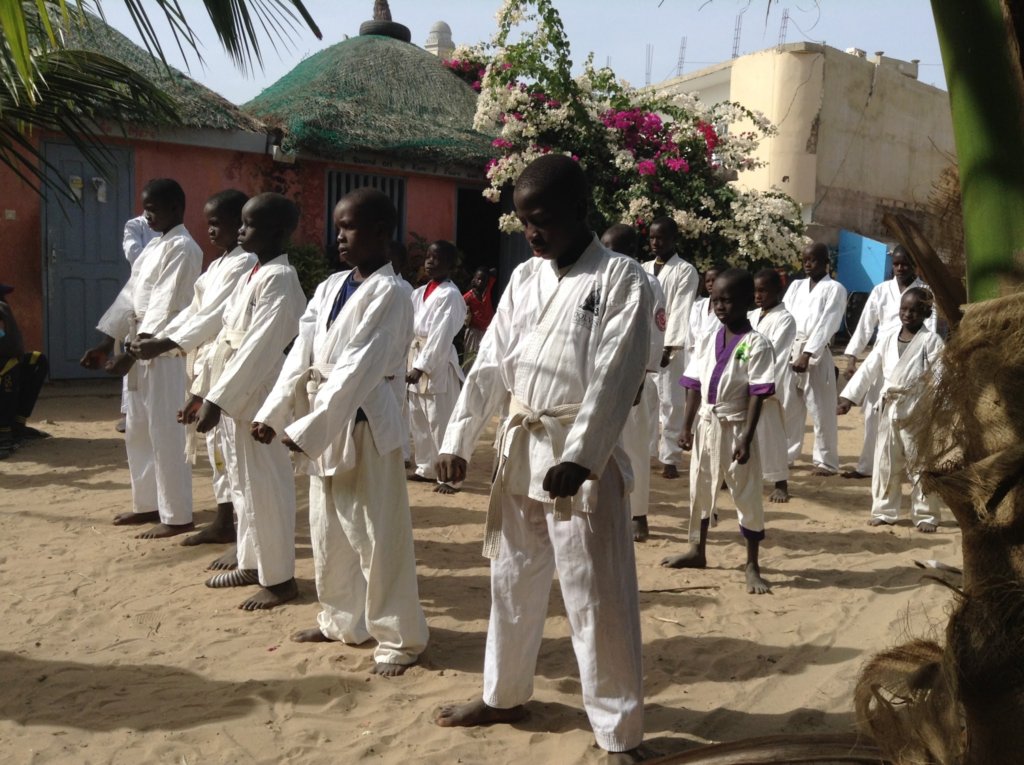
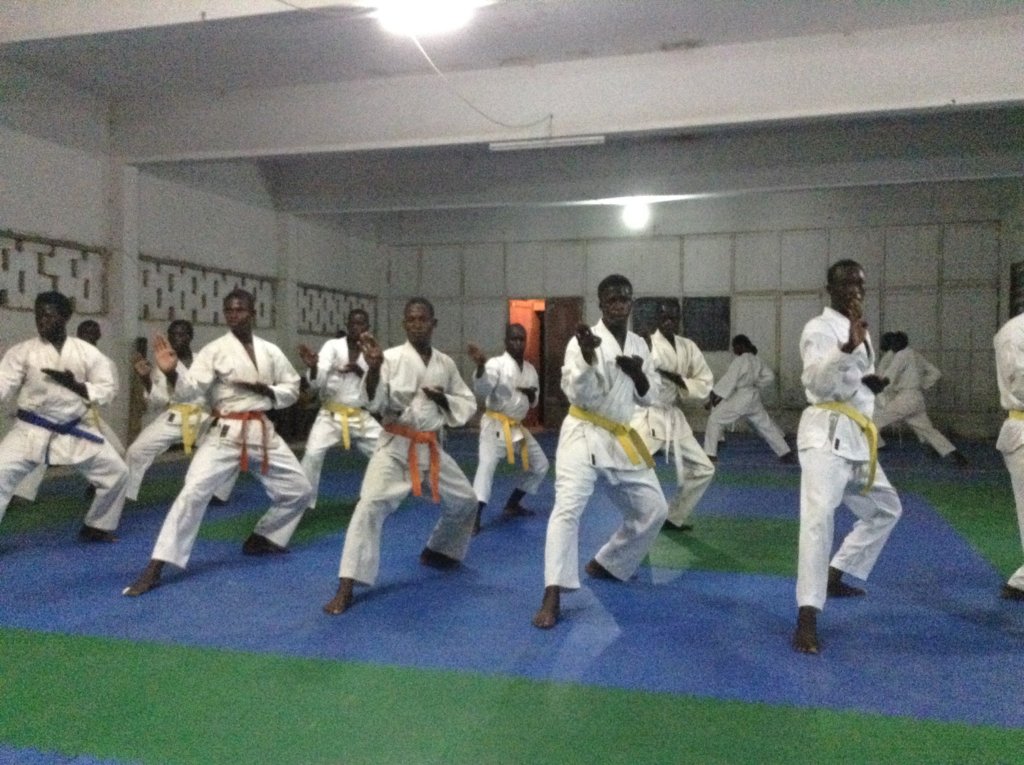
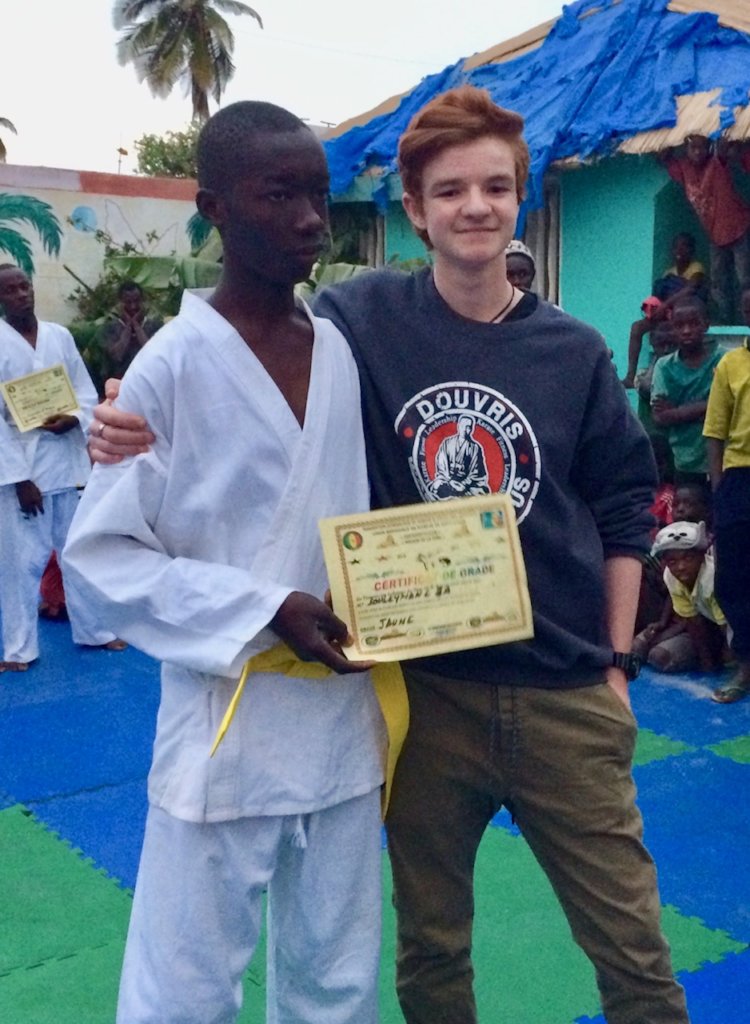
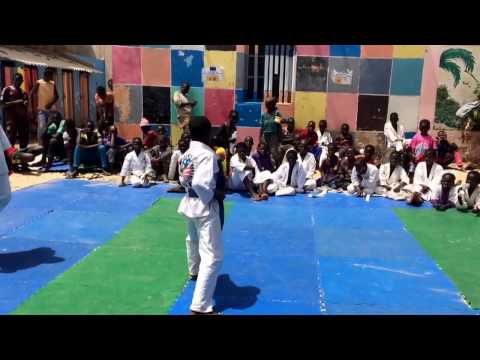
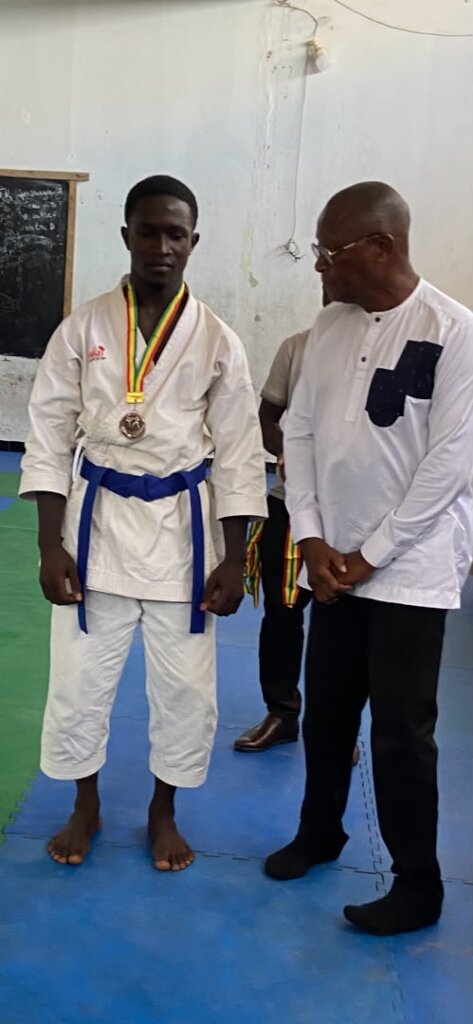
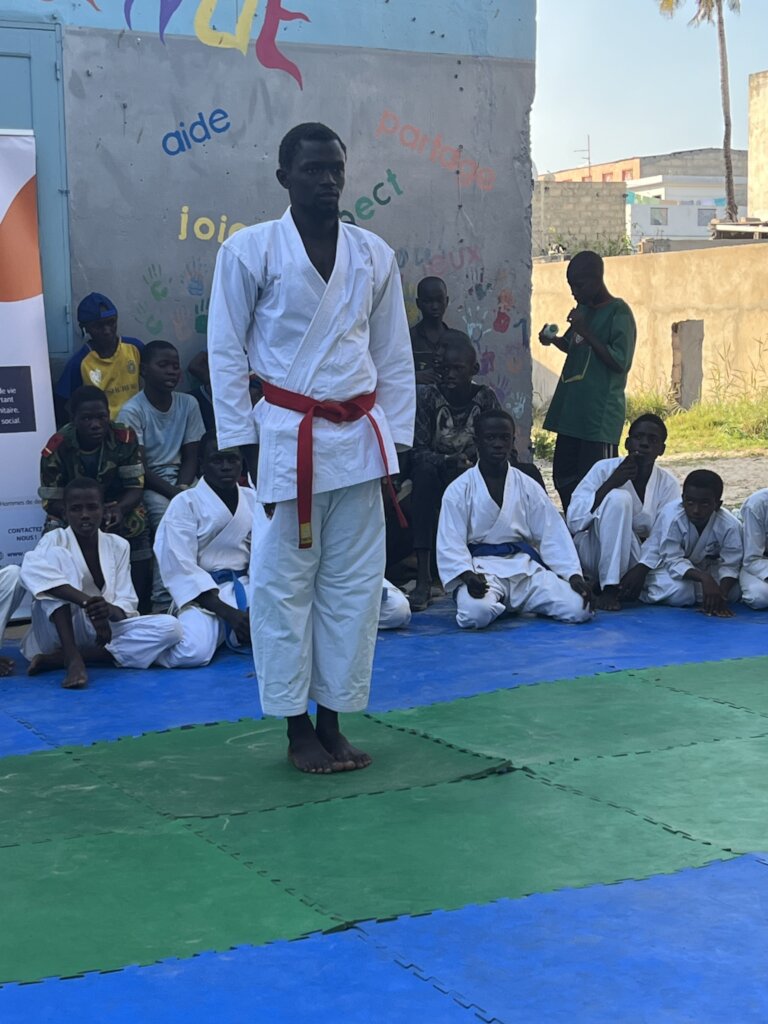
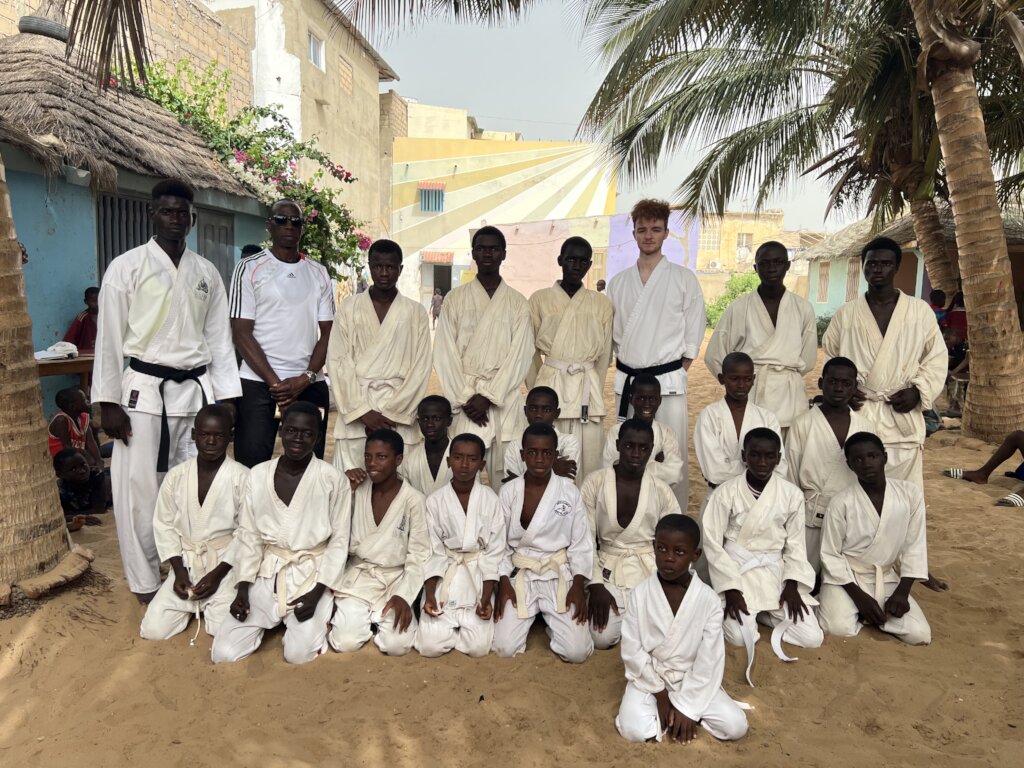
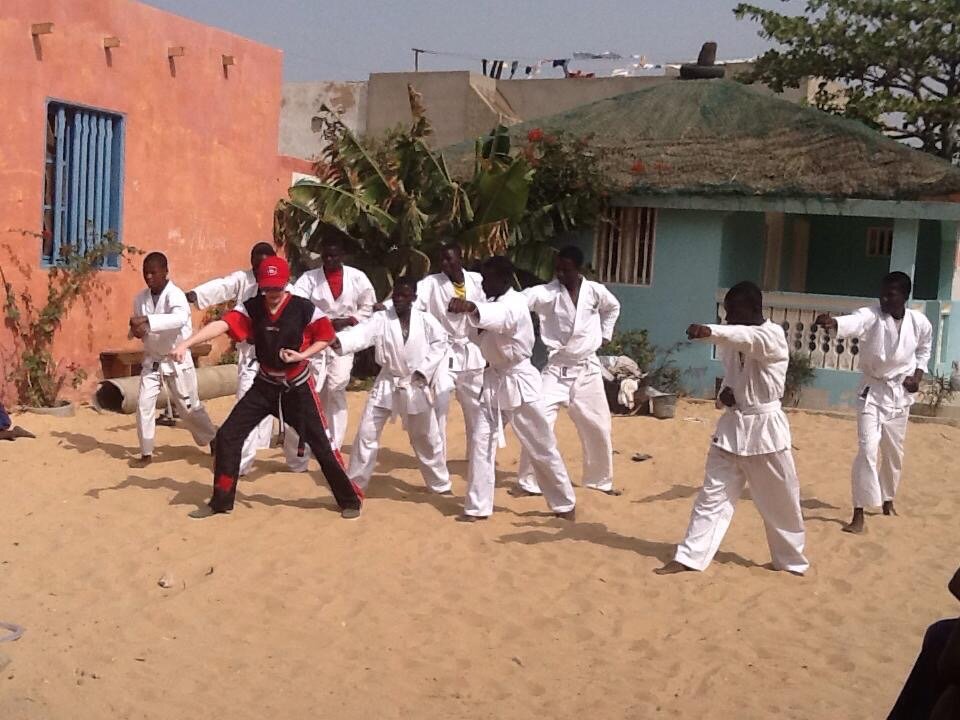
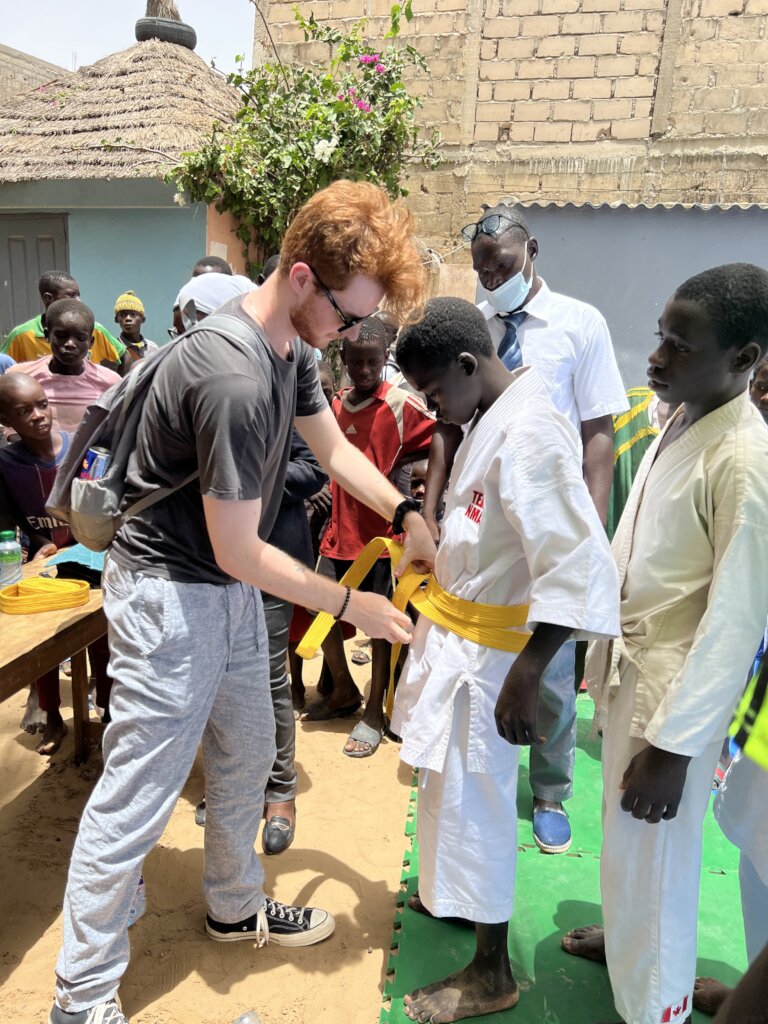
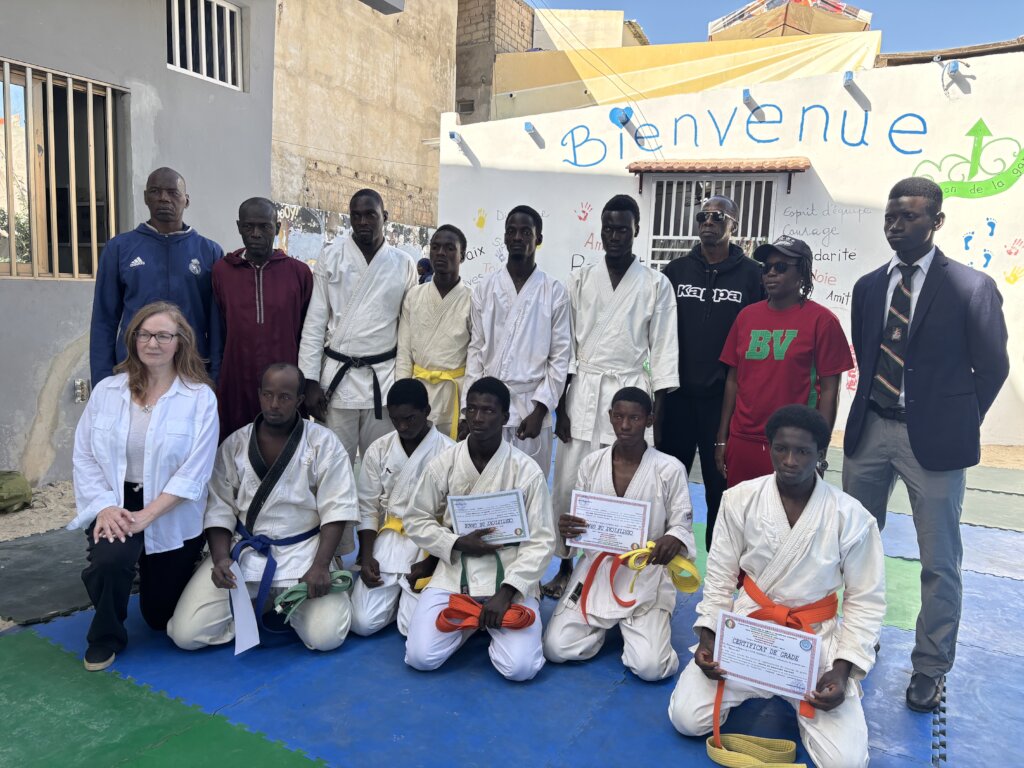
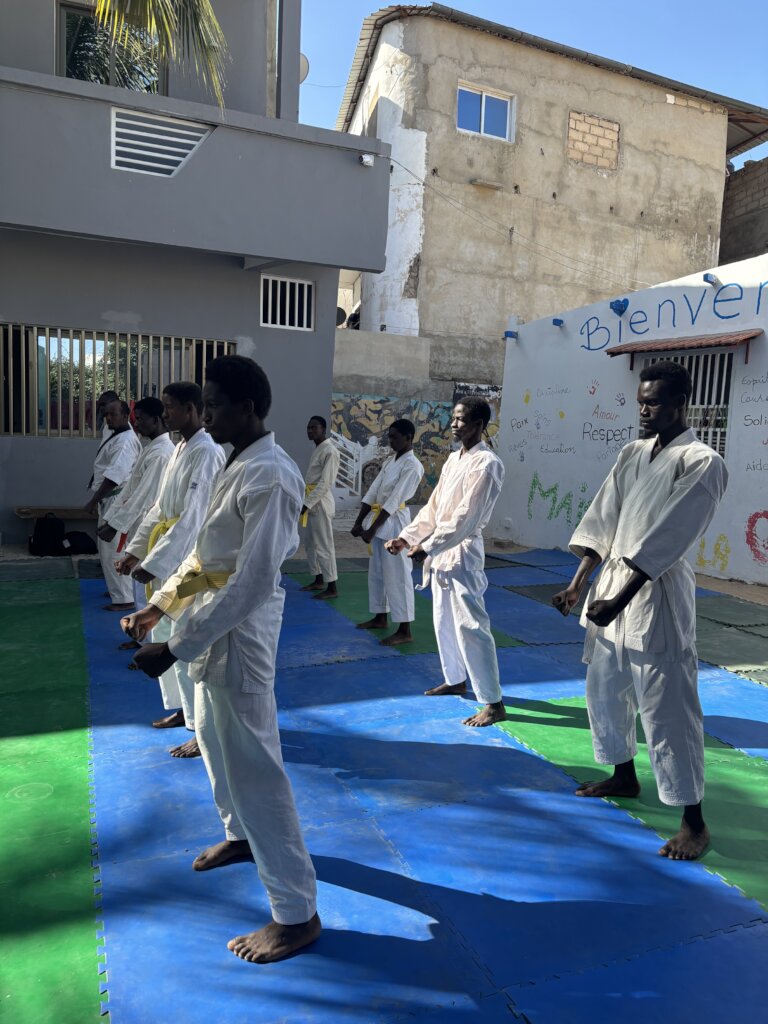
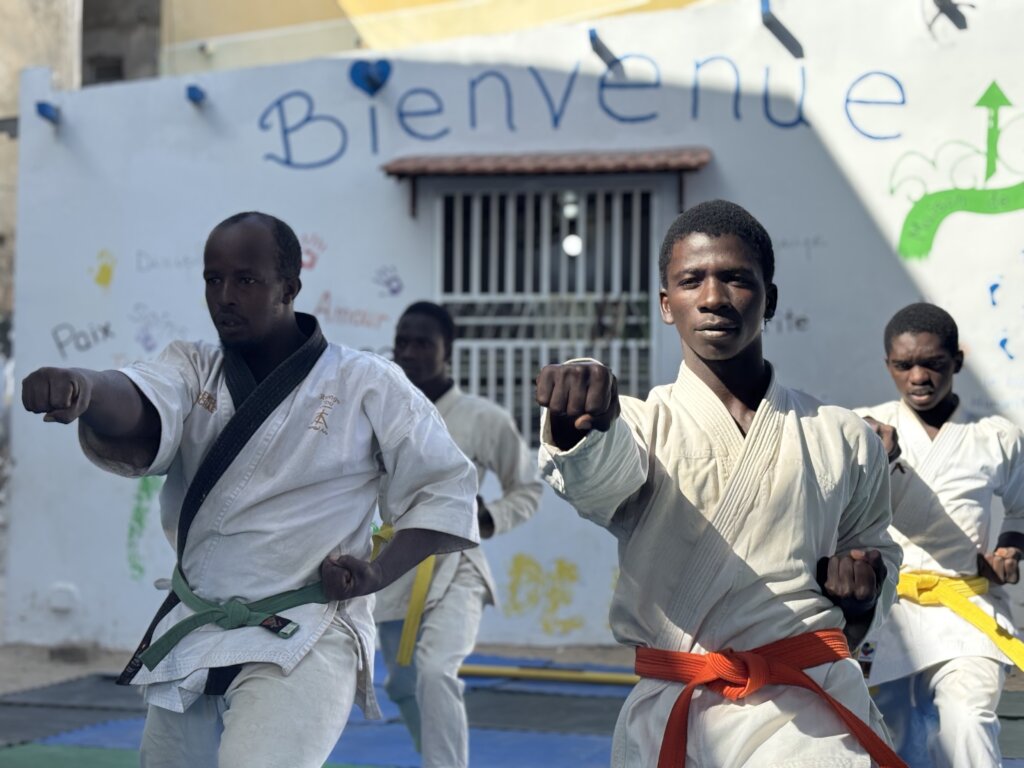
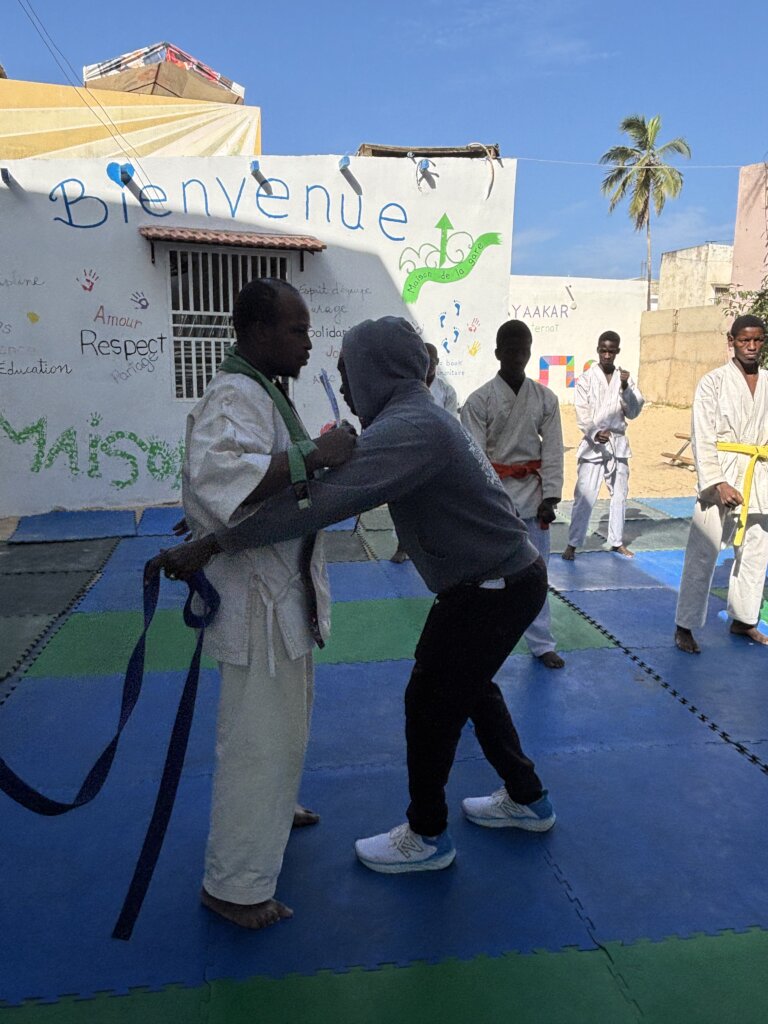
Karate holds a special place among the activities offered by Maison de la Gare. Far more than just a sport, it serves as a powerful tool for education and inclusion, enabling talibé children to develop self-confidence, discipline, a sense of respect, and perseverance. Every training session offers the kids a chance to push their limits, while every competition marks a significant milestone in their personal and athletic growth.
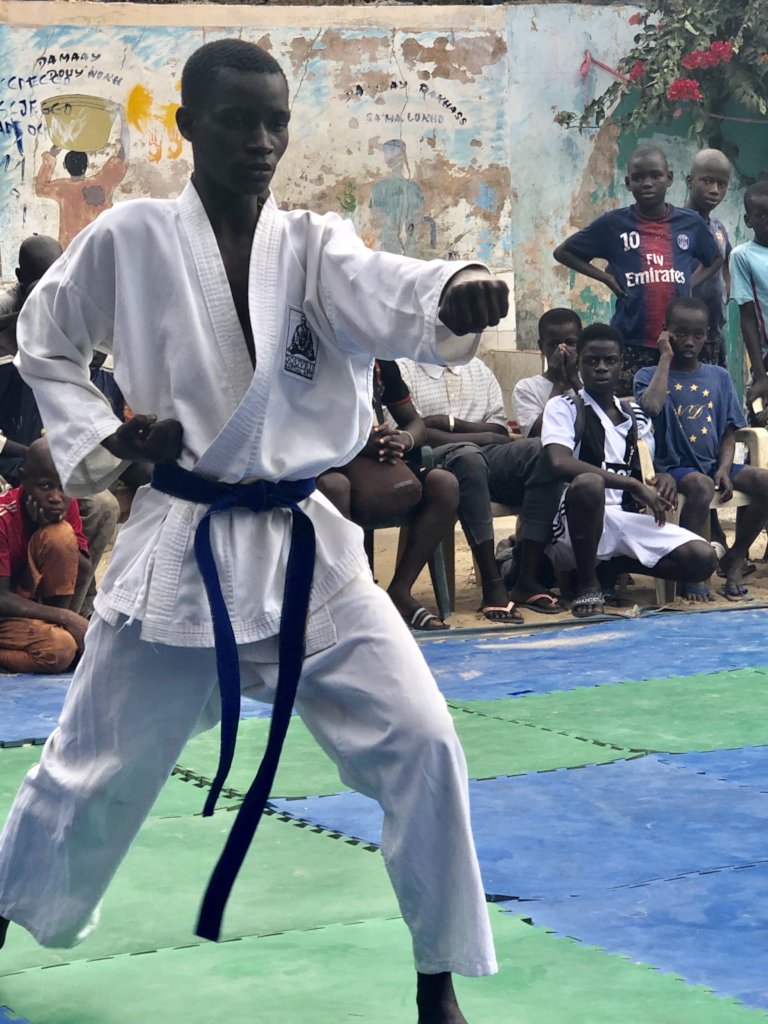
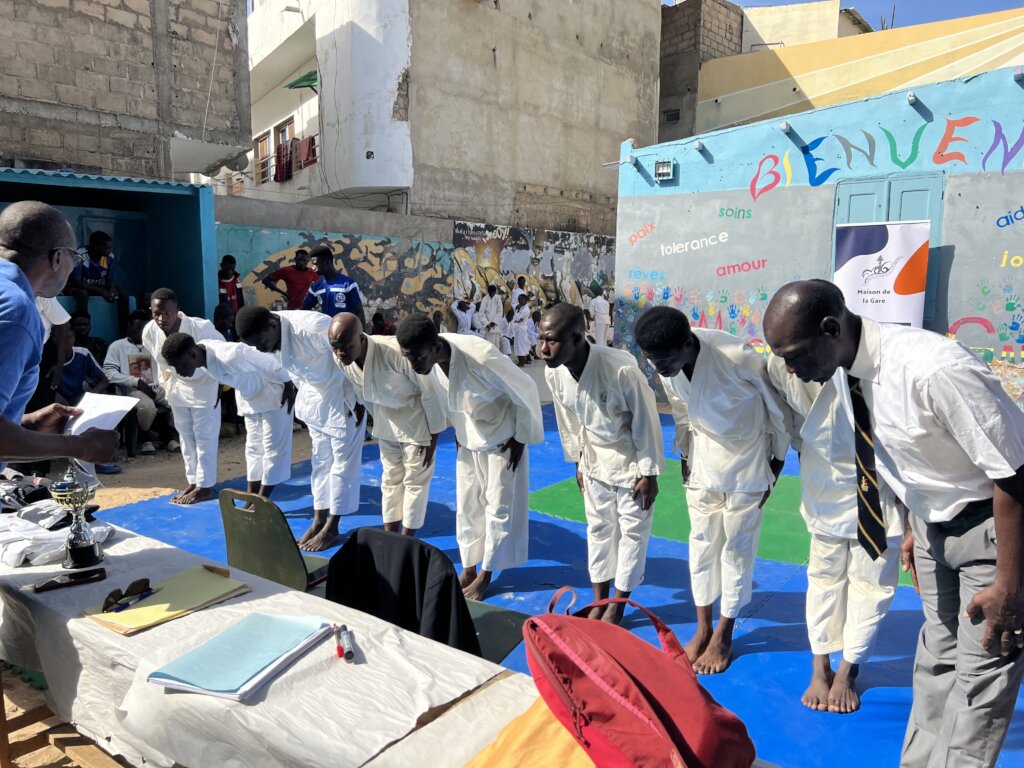
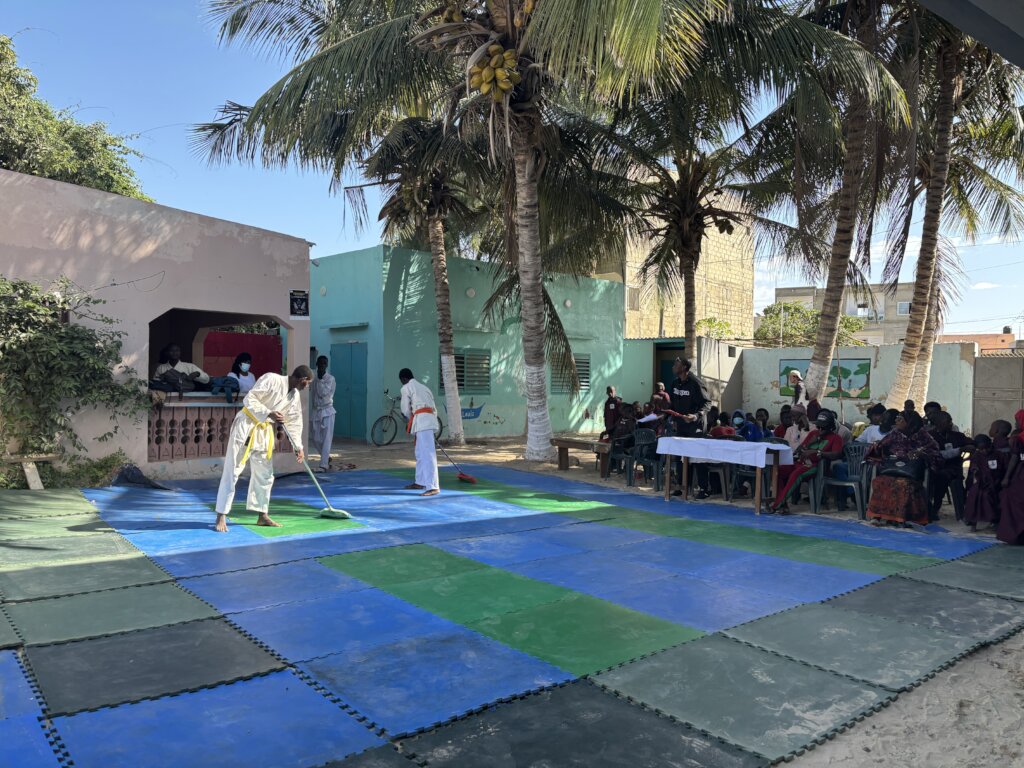
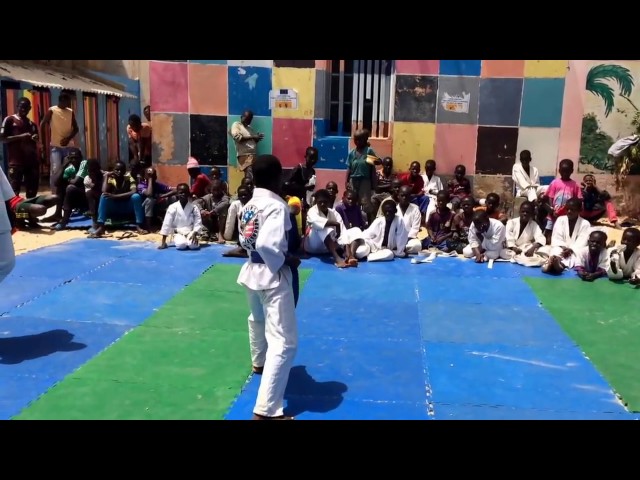
With this in mind, several youth from Maison de la Gare participated recently in a tournament organized by the Regional Karate League at the Charles de Gaulle High School in Saint-Louis. This annual competition brings together karate practitioners from various dojos across the region and is a key event, leading to the regional kata and kumite championships scheduled for October.
The tournament brought together 57 competitors representing their respective clubs in various categories: Kata—which highlights technical precision, mastery of movement, and focus—and Kumite, where competitors demonstrate tactical awareness, speed, and combat proficiency.
To ensure the competition ran smoothly, the regional league deployed a senior officiating team comprising a world-class referee and several national referees. Their presence ensured that evaluations met World Karate Federation standards and provided the young competitors with an experience akin to major official tournaments.
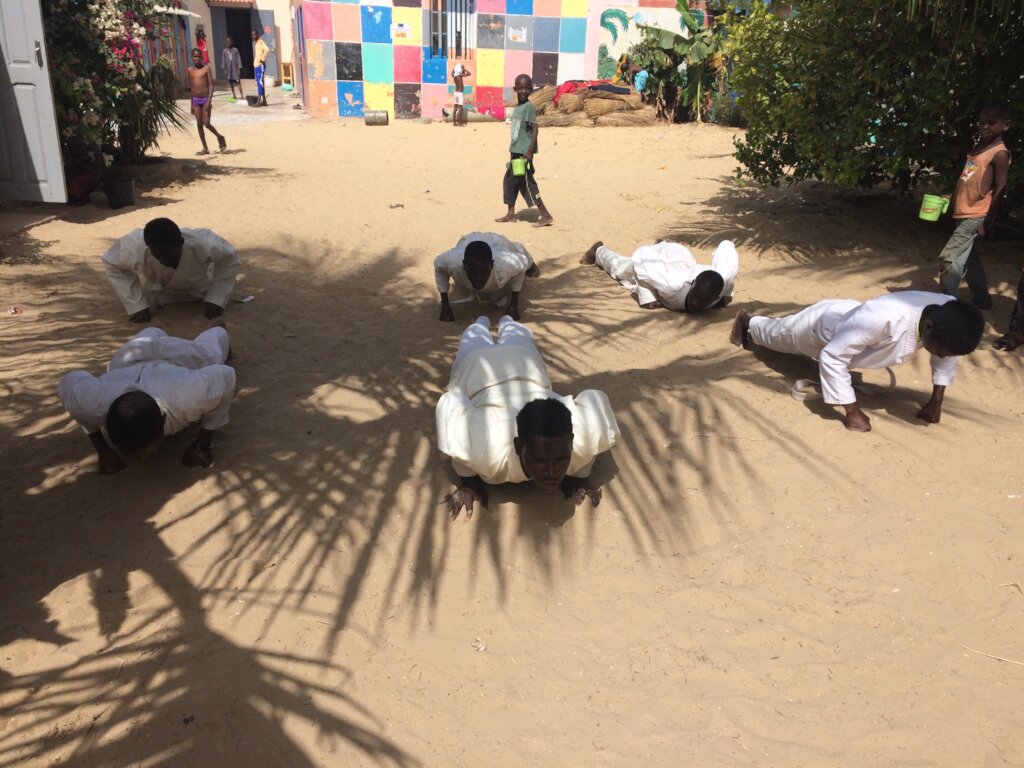
Sor Karaté Club— Maison de la Gare’s partner in providing sports training for talibé children—entered four young fighters. For several weeks, they had undergone specialized training to ensure they were in peak condition for the competition. Under the supervision of the regional technical director—who also coordinated the activity—the youths followed a program focusing on physical conditioning, technical refinement, and tactical preparation. Training sessions were intensified to improve both kata execution and combat techniques, while also building the concentration, stamina, and confidence needed to perform on the tatami.
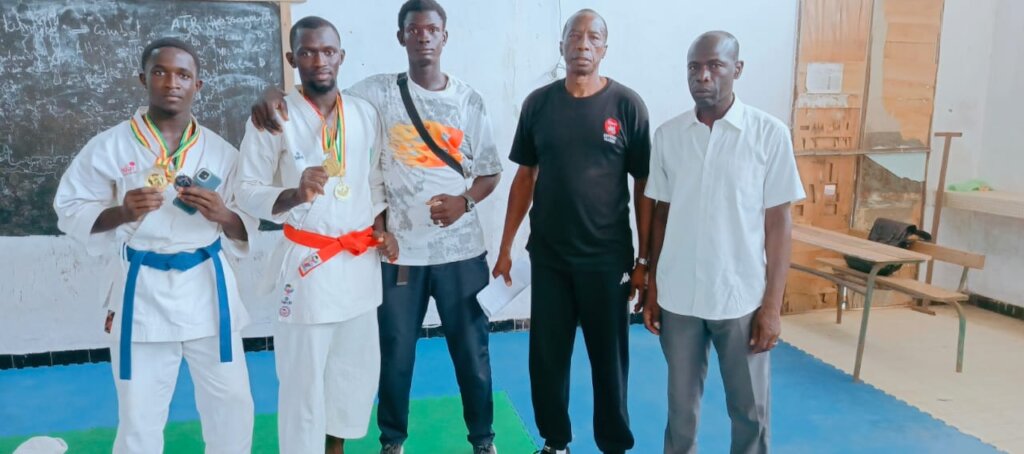
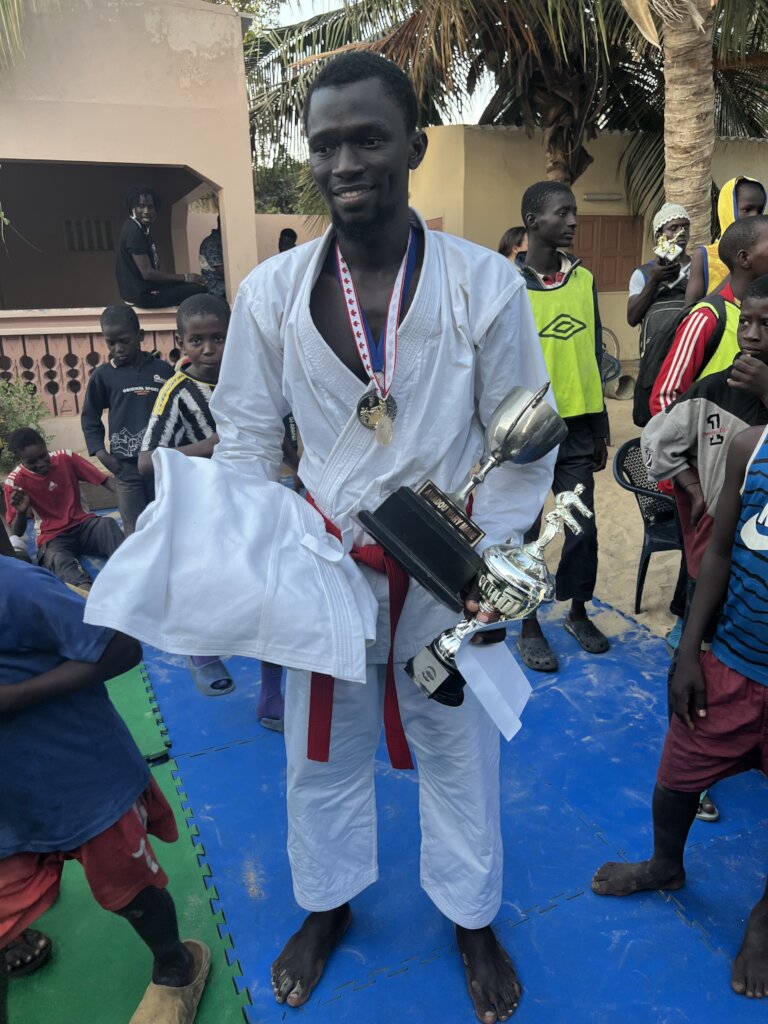
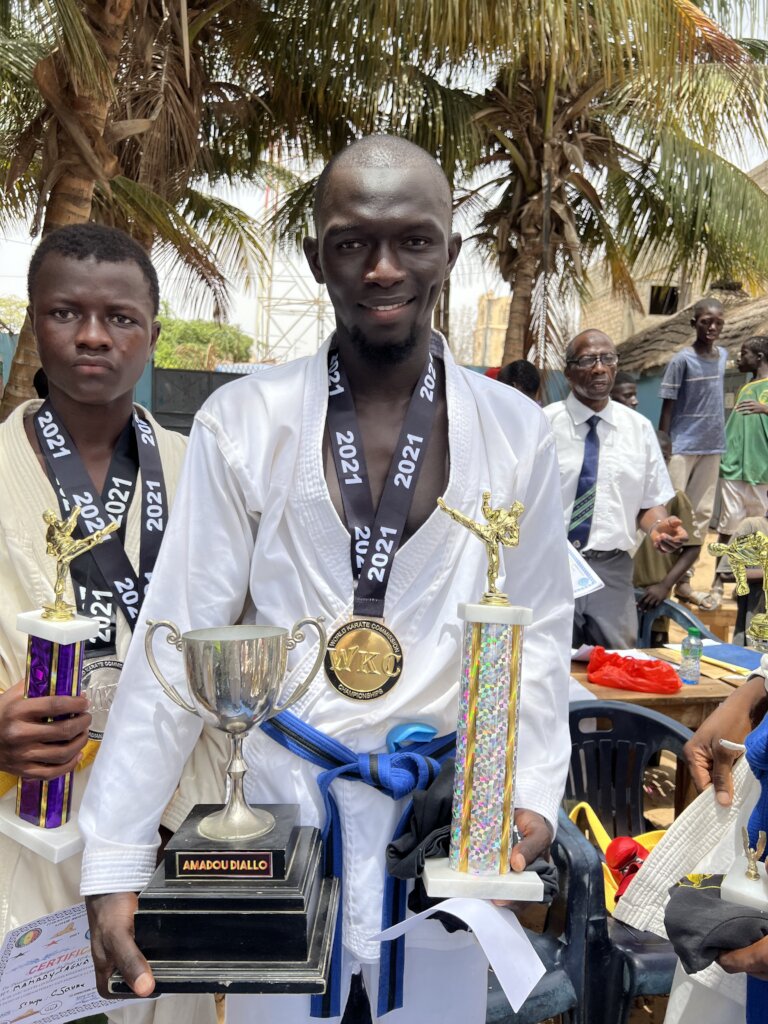
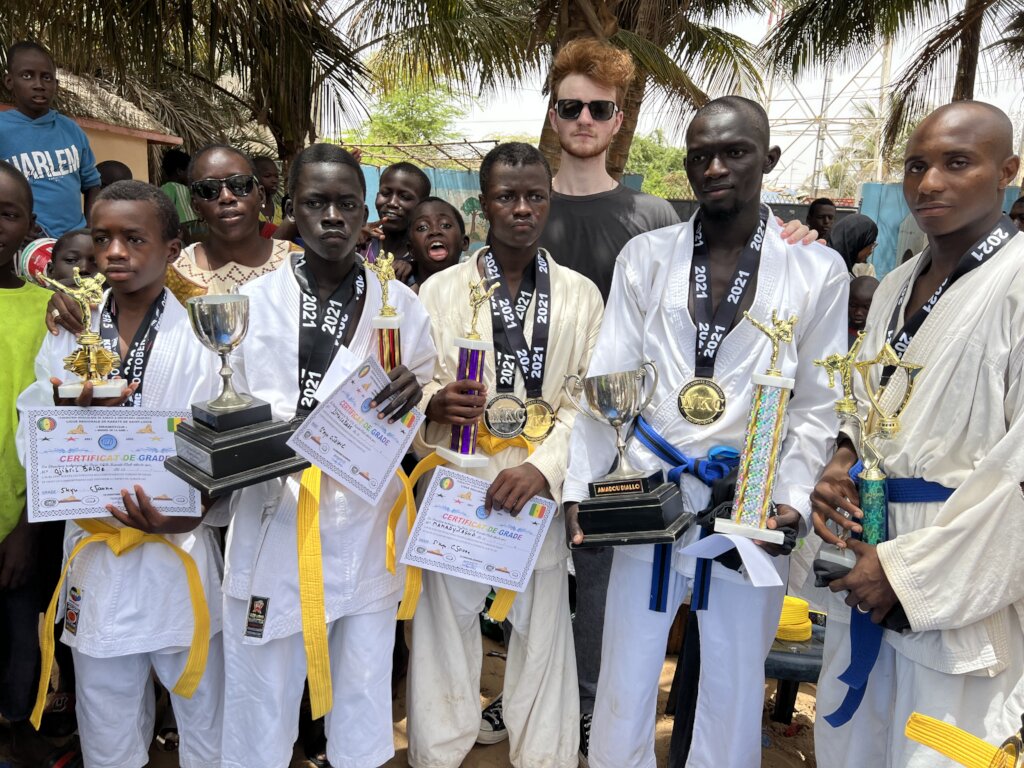
The effort and dedication put into this preparation paid off. Two representatives from Maison de la Gare particularly distinguished themselves by making it to the podium.
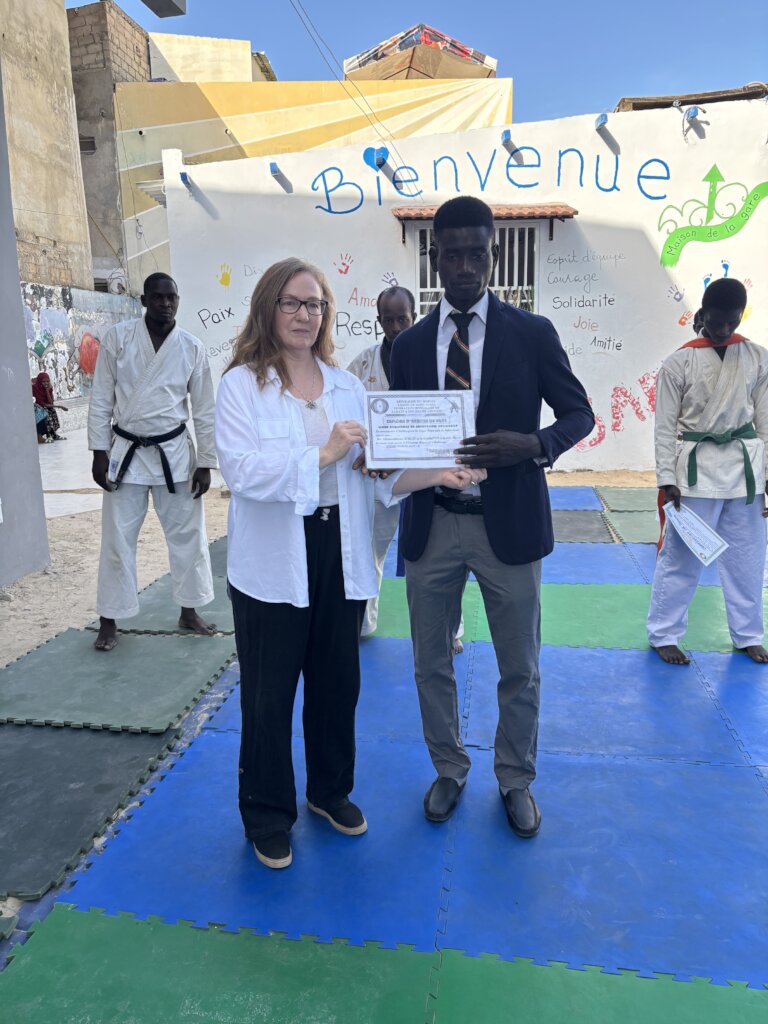
Khalil, a yellow-orange belt, delivered an outstanding performance in both disciplines. With a technical display that impressed the referees, he won the bronze medal in kata and then confirmed his talent by securing the gold medal in kumite after bouts marked by great skill and determination.
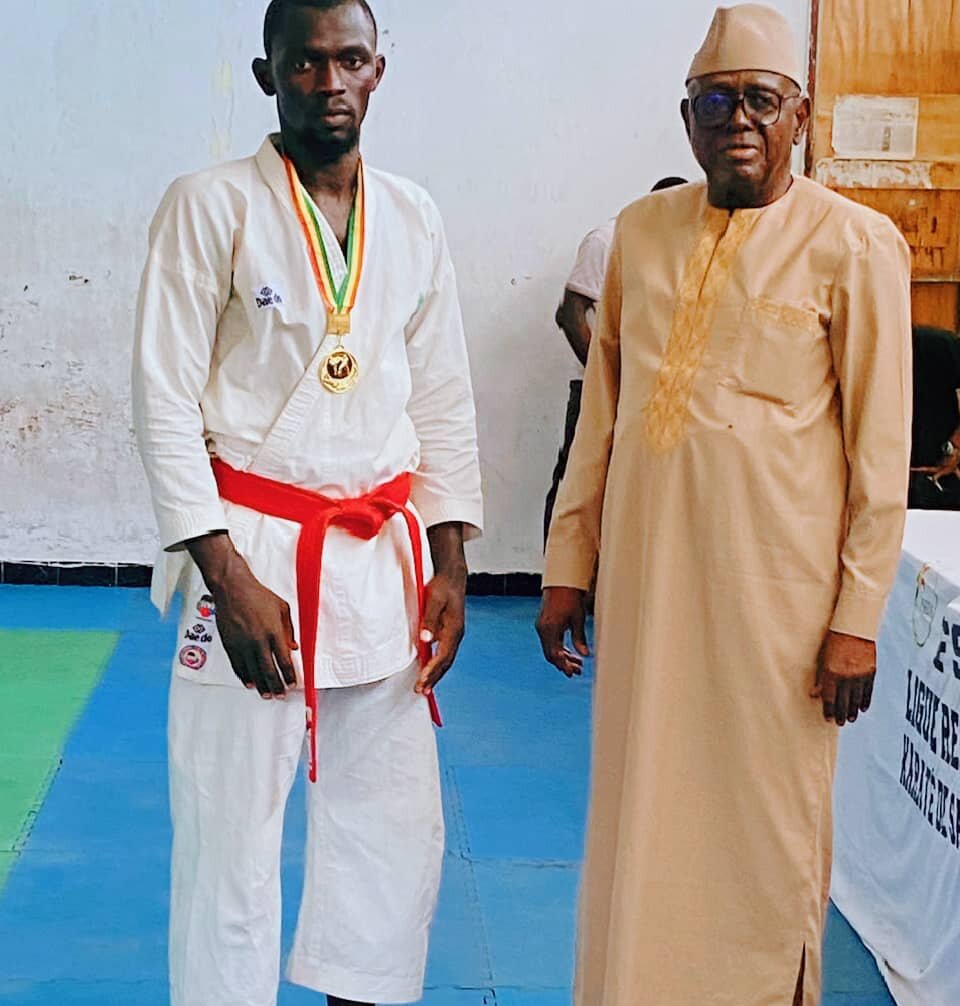
Another major highlight came from Adama, a well-known figure in the Maison de la Gare karate program. A regular on the regional competition circuit, he once again proved his caliber by winning the tournament in his category. This marks his third consecutive victory in the competition—a remarkable feat that speaks to his consistency and dedication.
With this latest triumph, Adama has qualified for the Saint-Louis regional team. He will now represent the region in upcoming official competitions, a significant milestone in his athletic journey.
Adama’s achievement holds special meaning because he is no longer just a competitor; he is also now an instructor for the Maison de la Gare karate program, where he shares his experience with younger talibés. Through the training sessions he leads, he passes on not only karate techniques but also the values that have guided him throughout his own journey: respect, discipline, perseverance, self-control, and mutual support. Adama knows only too well the challenges the karateka of Maison de la Gare face on a daily basis, in their daaras and on the streets. and, he understands better than most what a balm Karate is for these children.
Beyond individual achievements, the tournament results are a testament to the collaborative work carried out over the years by Maison de la Gare and the Sor Karaté Club. They highlight the quality of the guidance provided to the youth and the importance placed on sports in their personal development and path to independence from forced begging someday.
For many of these children, competing represents far more than just a sporting challenge. It is an opportunity to step outside their daily routine, gauge the progress made during training, and enjoy a rewarding experience in front of their peers, coaches, and chosen families. Each medal won symbolizes hours of hard work, effort, and sacrifice—but also a newfound sense of confidence.
Buoyed by these excellent results, the group is now continuing its preparations for the regional kata and kumite championships scheduled for October. Training sessions proceed with the same determination, driven by the ambition to keep improving and to fly the Maison de la Gare colors even higher.
Through karate, Maison de la Gare once again demonstrates that sport is a powerful vehicle for education, inclusion, and personal growth. On the tatami—just as in life—every victory marks another step toward a future where children can believe in their abilities, build their confidence, and write a new chapter in their own stories.
Links:
By Robbie Hughes | International Partner and Volunteer
By El Hadj Abdou SY | Responsable des Communications, Maison de la Gare
Project reports on GlobalGiving are posted directly to globalgiving.org by Project Leaders as they are completed, generally every 3-4 months. To protect the integrity of these documents, GlobalGiving does not alter them; therefore you may find some language or formatting issues.
If you donate to this project or have donated to this project, you can receive an email when this project posts a report. You can also subscribe for reports without donating.



Support this important cause by creating a personalized fundraising page.
Start a Fundraiser