By Nanci Cole | Project Leader
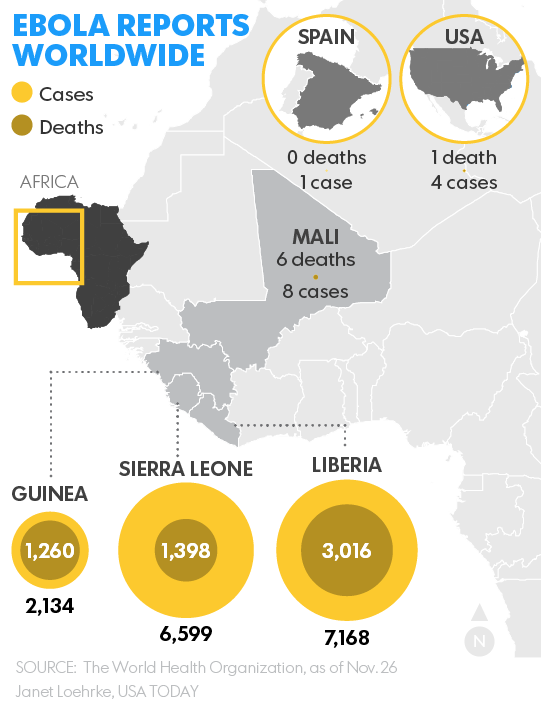
When Ebola hit Liberia, the financial toll was immediate. Although the last case was reported on March 20 and life is getting back to normal, many gains made since the war have been lost. A recent World Bank report said that "nearly half of the working population of Liberia is no longer working. Wealthy Liberians and foreign nationals, who fled the country taking their purchasing power with them, have not yet returned. Small businesses around the country went out of business. Most people went without an income for months and thousands of people are still out of work. New crops didn't get planted, food shortages and high prices continue. Tax revenues are down significantly, slowing government recovery efforts. Many NGOs are focused on crisis management rather than development. Liberia was one of the fastest growing economies in 2013, but recent projections show that the country’s growth could be negative in 2015. We are reassessing how we can be most effective in the communities.
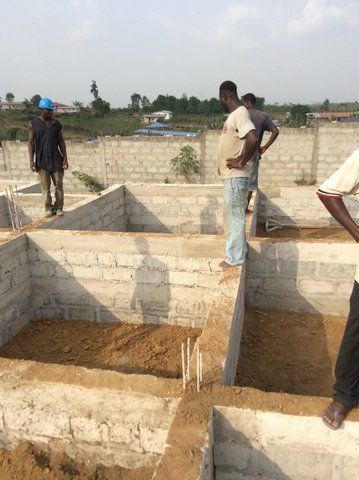
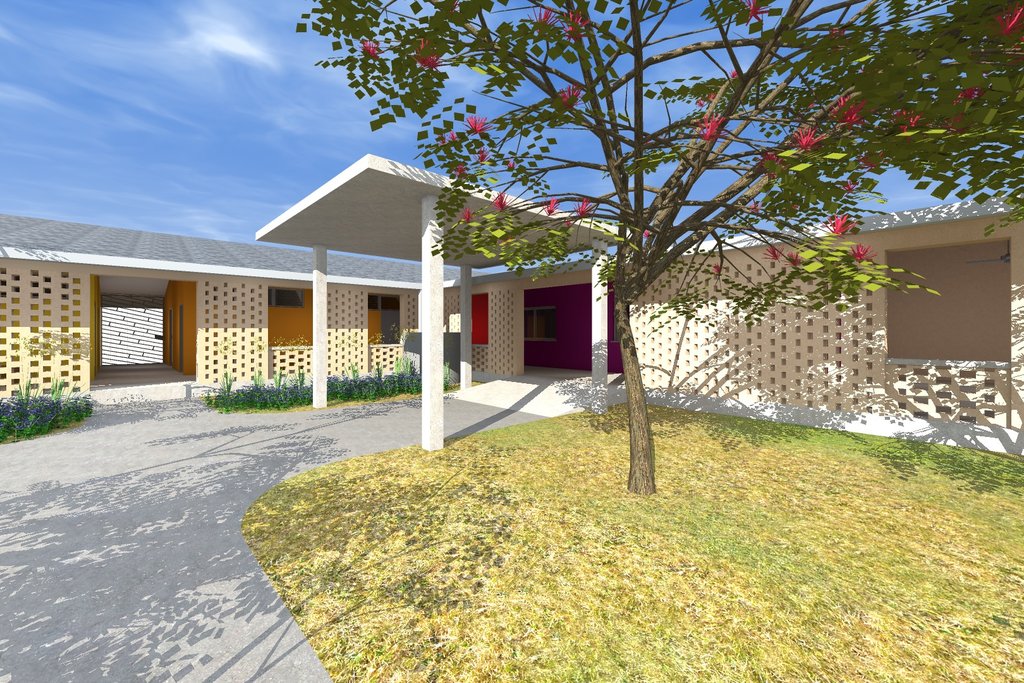
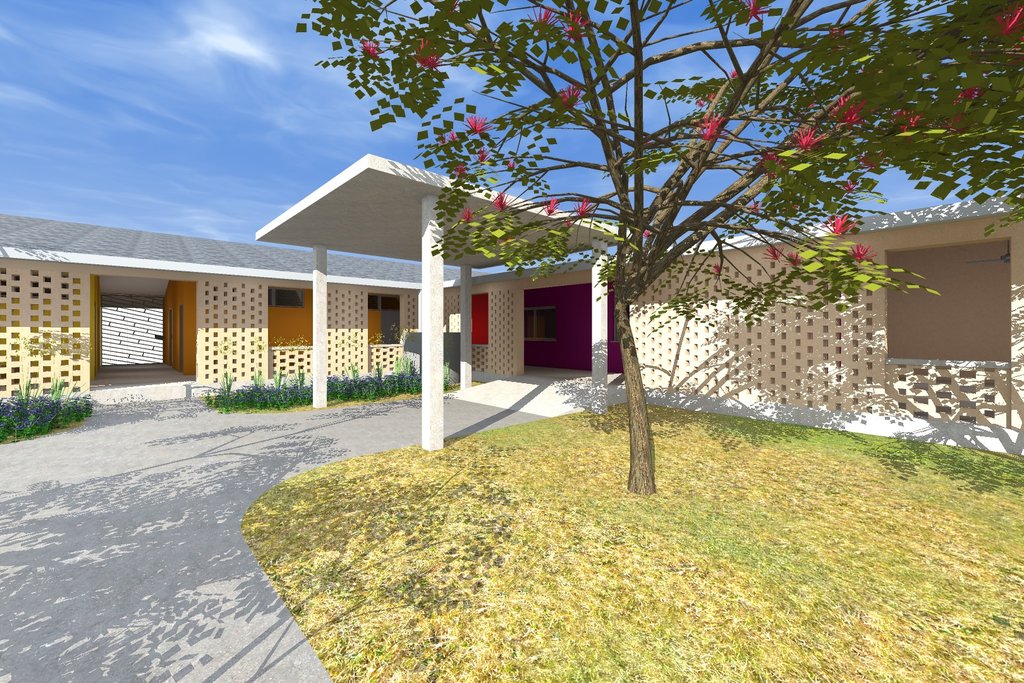
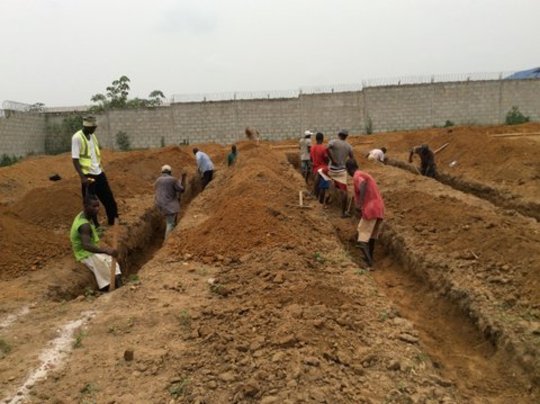
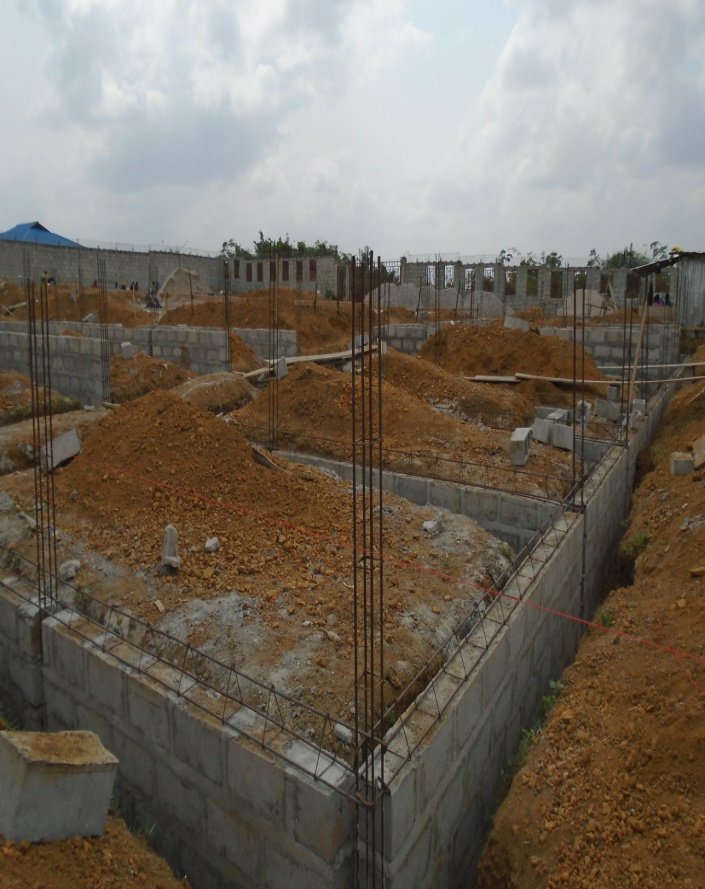
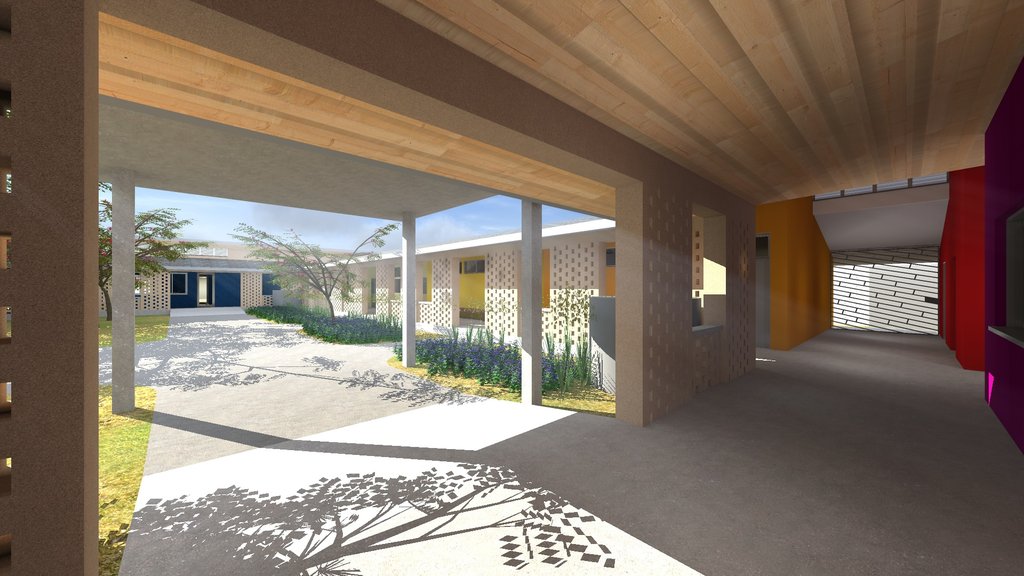
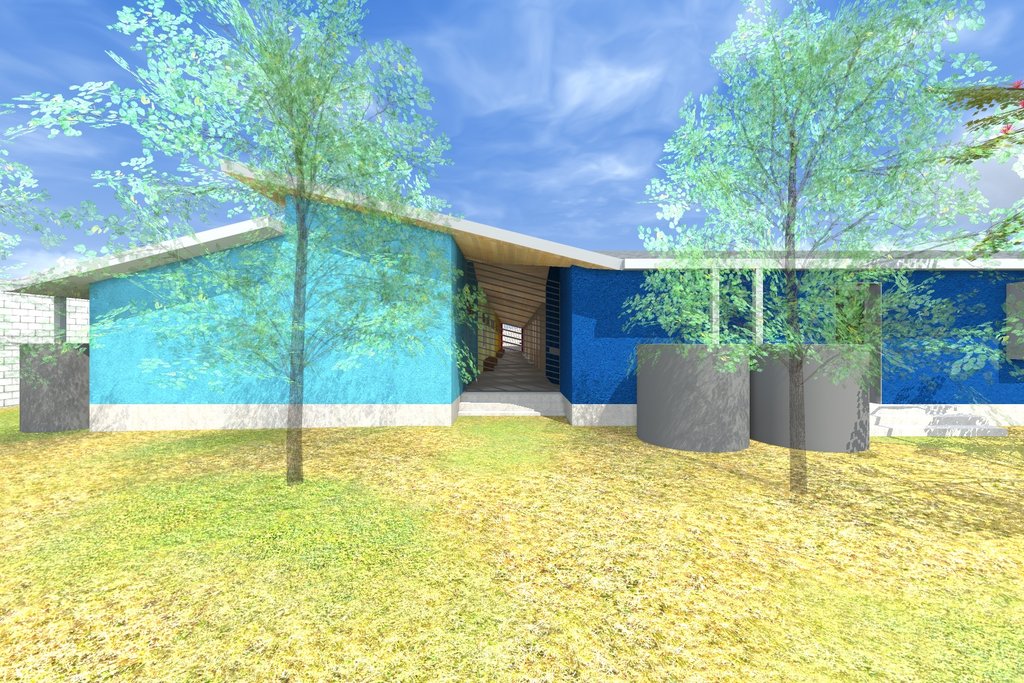
Work on our new Medical Center continues, focusing in the next two months on finishing the superstructure and raising the roof. In early July a team of experts from our Construction Partner, Building Goodness Foundation in Virginia will travel to Liberia to work with our LIberian team on building and placing the roof trusses. In April we had another opportunity to submit a grant proposal to GlobalGiving in support of Ebola recovery. We were just notfitied of an award of $70,000. This new funding, added to what has already been raised, will fully fund the remaining work on the shell structure and the water and power systems. We are still raising money for the interior finishes, furniture and appliances.
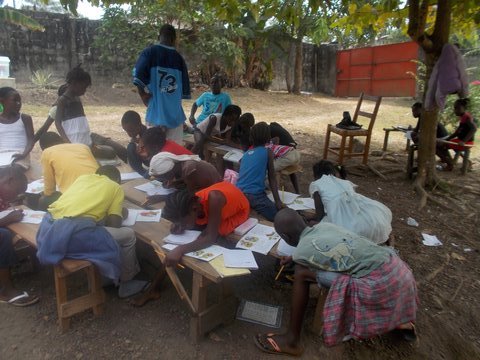
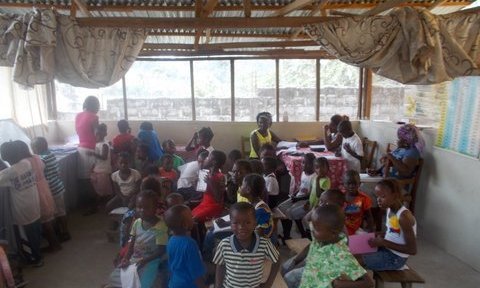
Work with the schools and the Ministry of Health continues to catch up on deworming, nutrition, sanitation, and vaccination programs, severely delayed by the school closings. Many schools were used to quarantine potential ebola patients. Now that the schools have reopened, some parents are still reluctant to send their children back. They are also afraid than the immunizations maybe include the untested ebola vaccine, creating a huge resistance. We have initiated a dedicated community effort calm continuing fears and to get all children back in school. Ten new Community Health Workers are being trained to help with these programs. Our reading program, started when the schools were closed, continues to expand in the communities. Since many young parents didn't have an opportunity to go to school during the long civil war, they are not able to help their children with schoolwork. We expect to add more reading and literacy programs as communities identify the ways they plan to bridge this gap.
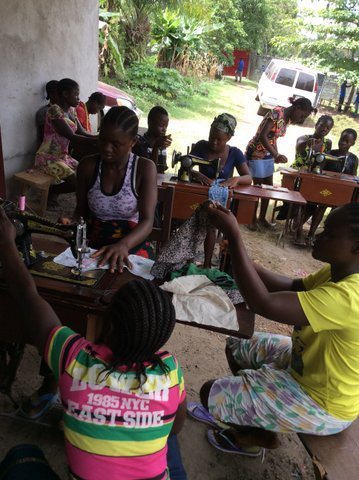
Although the tailor who led our sewing program died during the ebola crisis, we have recently restarted the program. One of the new groups started last month is made up of girls living on the streets. We are giving them both a place to go during the day, marketable skills for the future, and an education about sexual and reproductive health. Many young girls are expected to provide financial support for their family or to get married, Teen pregnancy is a very common problem. Domestic violence and rape are not commonly talked about, but we are seeing increasing numbers of victims. in the future we will expand programs for girls and their mothers on empowerment, their bodies and sex, gender violence, and contraception.
With your continuing support, this is a year of building and growth for Healthy Women, Healthy Liberia. Thanks!
By Nanci Cole | Project Leader
By Nanci Cole | Project Leader
Project reports on GlobalGiving are posted directly to globalgiving.org by Project Leaders as they are completed, generally every 3-4 months. To protect the integrity of these documents, GlobalGiving does not alter them; therefore you may find some language or formatting issues.
If you donate to this project or have donated to this project, you can receive an email when this project posts a report. You can also subscribe for reports without donating.