By Nanci Cole | Project Leader
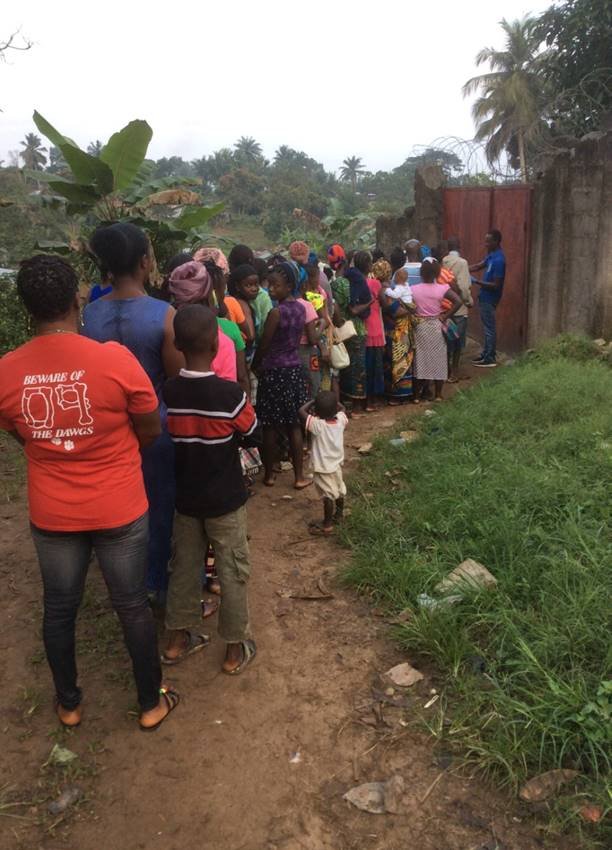
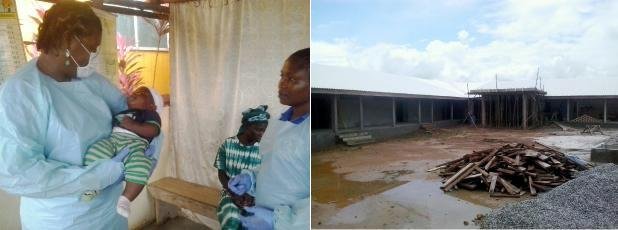
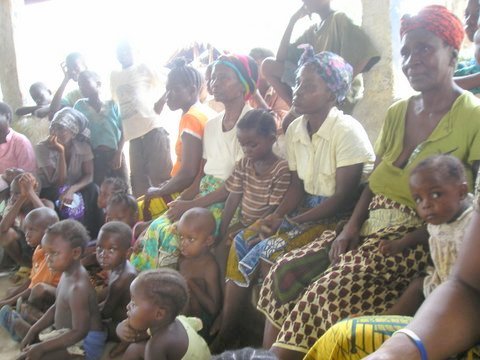
Even though ebola restricted clinical activities through May of 2015, HWHL cared for 13,473 clinical patients last year, 40% women and 50% children. With many clinics and birthing centers closed, the number of pregnant women seeking care increased sharply to 425. Many of these mothers are young teens with little experience with infant care, so great attention has been paid to teaching how to care for these new babies with heavy emphasis on breastfeeding to avoid use of formula using contaminated water. Malaria continued to be the most common diagnosis in children at 49%, followed by 29% respiratory infections and 9% diarrhea. During the year Dr. Chris wrote over 12,000 new prescriptions, as well as providing vitamins, oral rehydration supplements, and deworming tablets for the majority of families in HWHL programs. The ebola crisis drove men into our weekly health education classes in much higher numbers, bringing their participation to 35%.
When ebola was first suspected in Liberia, no public or private lab could be found with staff, equipment, and supplies to run the tests. Ebola was finally confirmed by a lab in Guinea. Before and after the crisis this lack of trained lab staff, working equipment, and medical supplies continues to be a major problem. As we prepare to open our new Medical Center, this is one of the areas that we plan to address to ensure that every patient in Kakata receives the appropriate diagnosis and care.
During the ebola crisis Dr. Chris hosted the Senior Medical Team from Heart to Heart International (HHI), who were called in by the CDC in the effort to rapidly build and staff ebola treatment units across Liberia. One of our board members, Dr. Duane Spaulding, is the Medical Director for HHI in Haiti. As a result of this relationship, we are currently in discussions with Heart to Heart International, Partners In Health, BD (the former Becton-Dickenson, Franklin Lakes, New Jersey) and IMEC (International Medical Equipment Cooperative) for the donation of a complete hospital clinic lab suite for our new Medical Center.
IMEC will provide our lab along with four others being provided Partners in Health (PIH) working in Maryland County, Liberia. PIH will clear customs for the container. HWHL will take delivery at the port. BD will cover the shipping and training, which includes two weeks of biomedical training, equipment repair and maintenance, and one week of WHO lab training. This lab will provide all of the needed tests, to quickly confirm diagnoses - basic blood tests and urinalysis, tests for malaria, strep throat and other infections, influenza, HIV, stds, pregnancy. Our continuing challenge is finding and hiring three experienced individuals to staff this new modern lab before the start of training now planned in July.
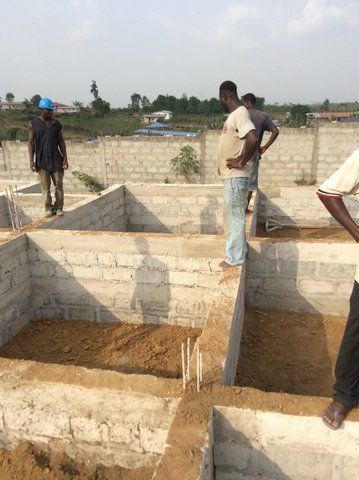
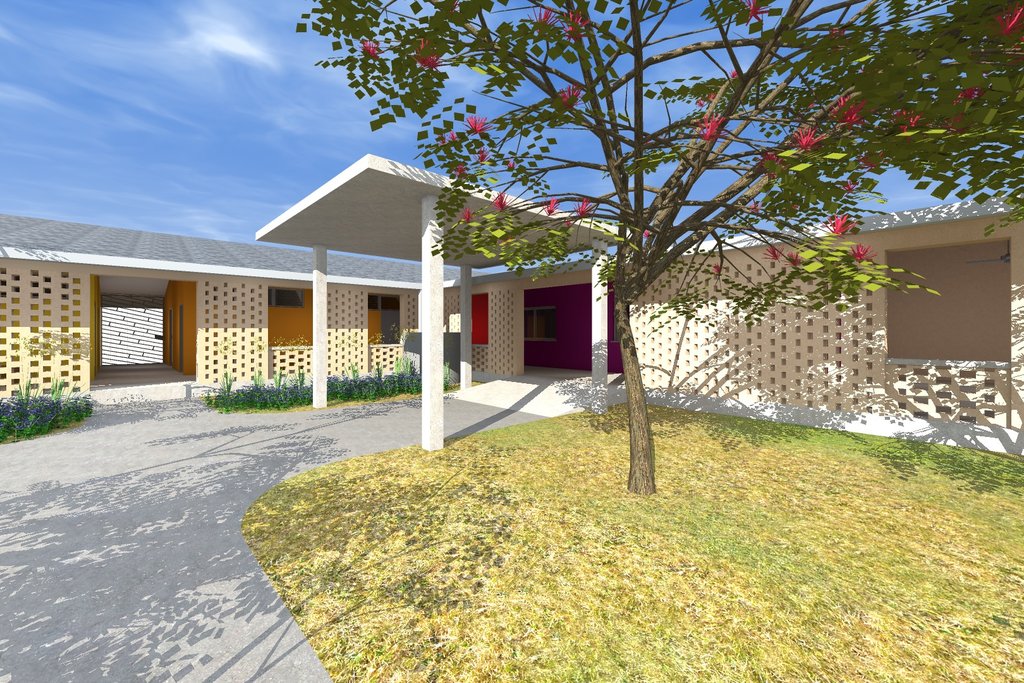
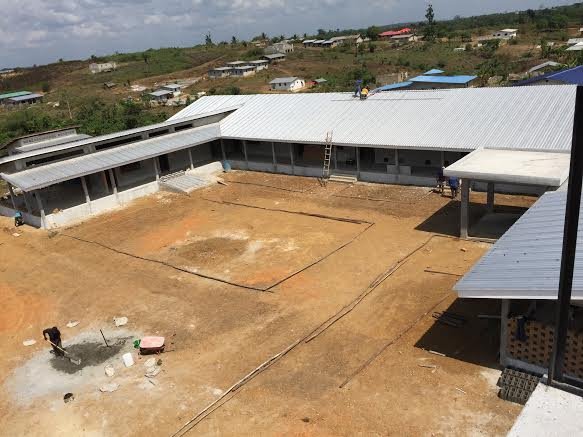
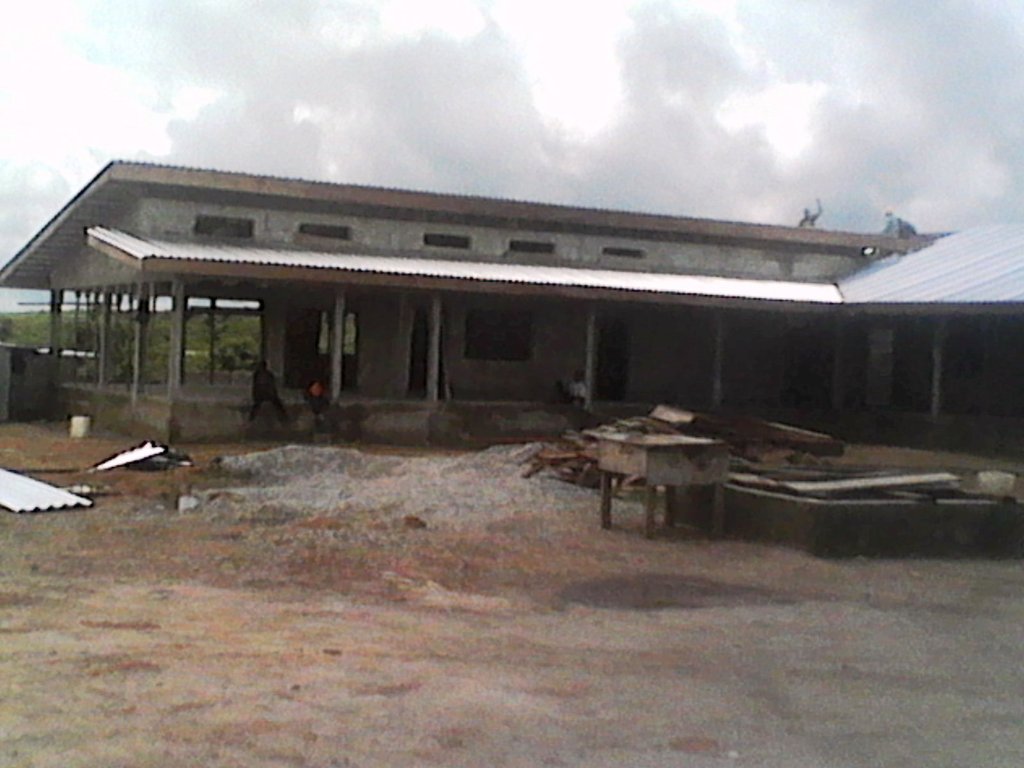
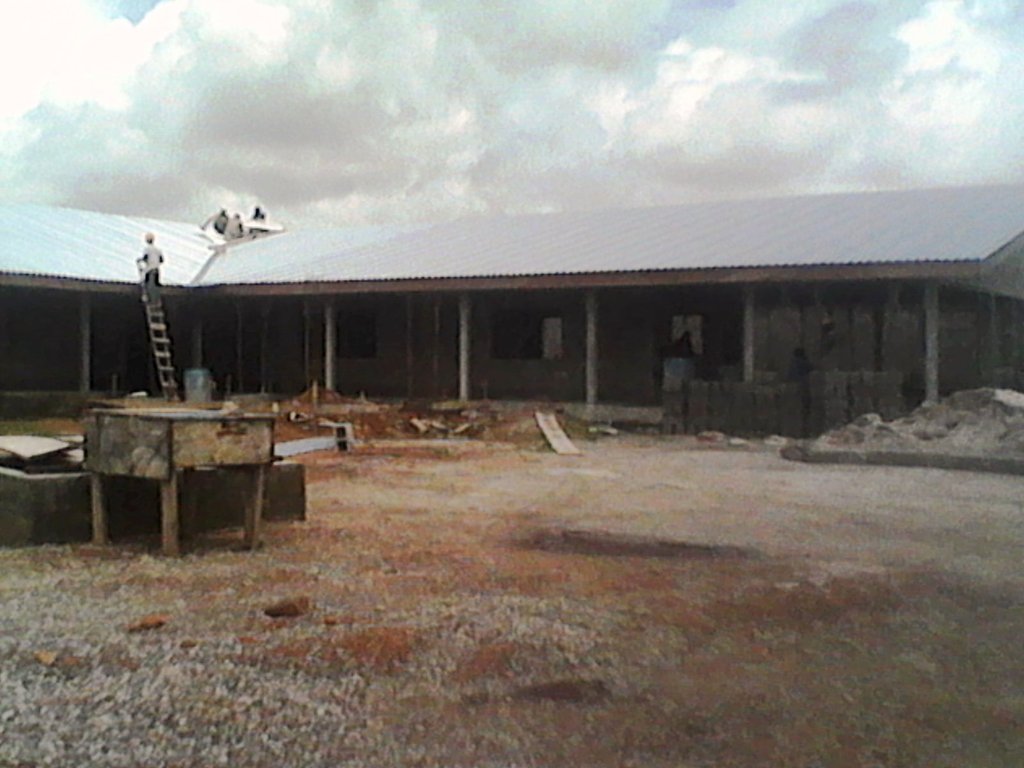
Once operational our new purpose-built facility will be equiped provide all comprehensive basic medical and dental services. This facility will fill a major gap in health infrastructure in the community that had existed long before the ebola crisis. With lab and ultrasound imaging services onsite we will have faster, more accurate diagnoses. We will be able to offer space for overnight, short stays during the long, 8 month rainy season. Medical outcomes will be better if we can limit patient travel. With more trained staff and a better organized workspace, we will have increased patient outcomes.
Thanks to your continuing support we are within months of realizing this dream. We cannot say thank you enough.
Links:
By Nanci Cole | Project Leader
By Nanci Cole | Project Leader
Project reports on GlobalGiving are posted directly to globalgiving.org by Project Leaders as they are completed, generally every 3-4 months. To protect the integrity of these documents, GlobalGiving does not alter them; therefore you may find some language or formatting issues.
If you donate to this project or have donated to this project, you can receive an email when this project posts a report. You can also subscribe for reports without donating.