By Louise | Managing Director
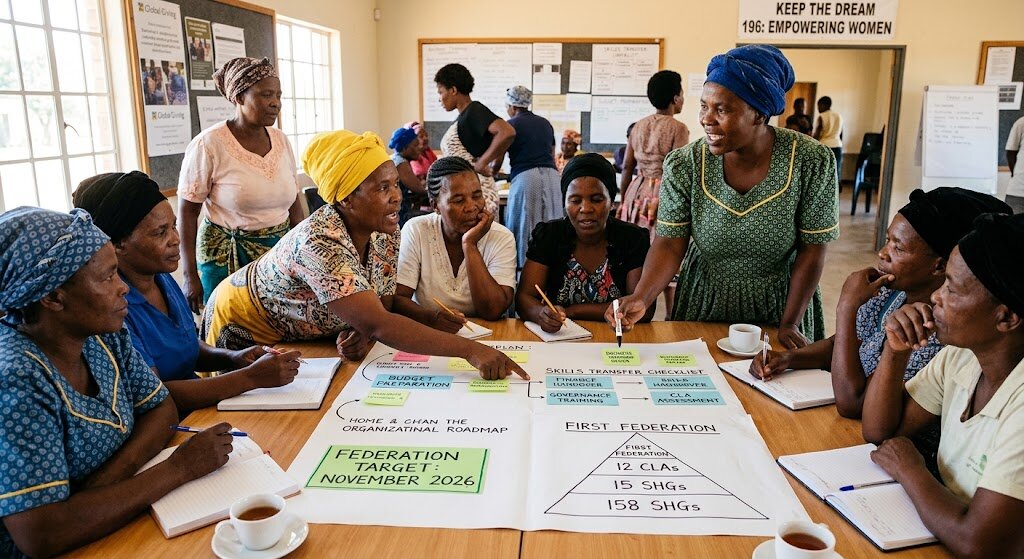
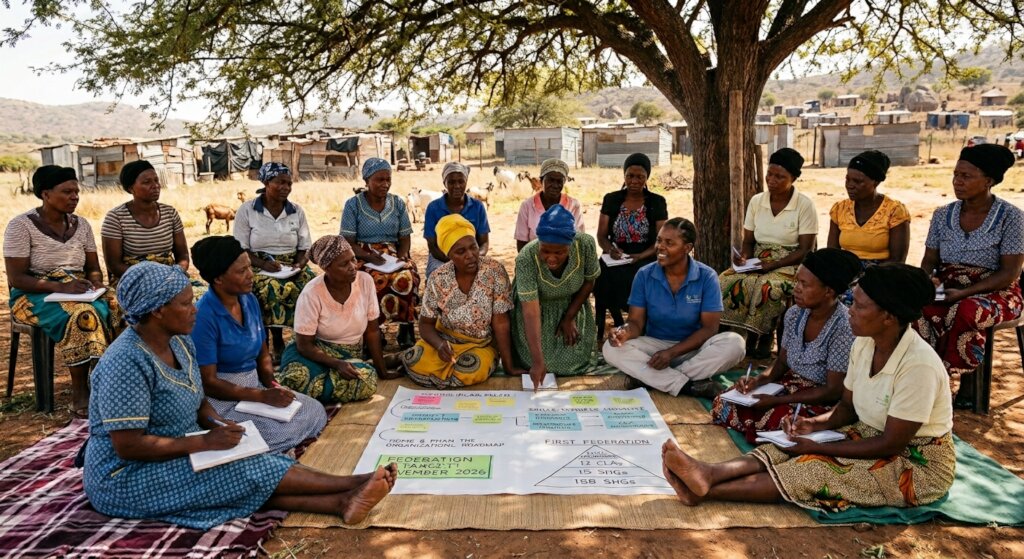
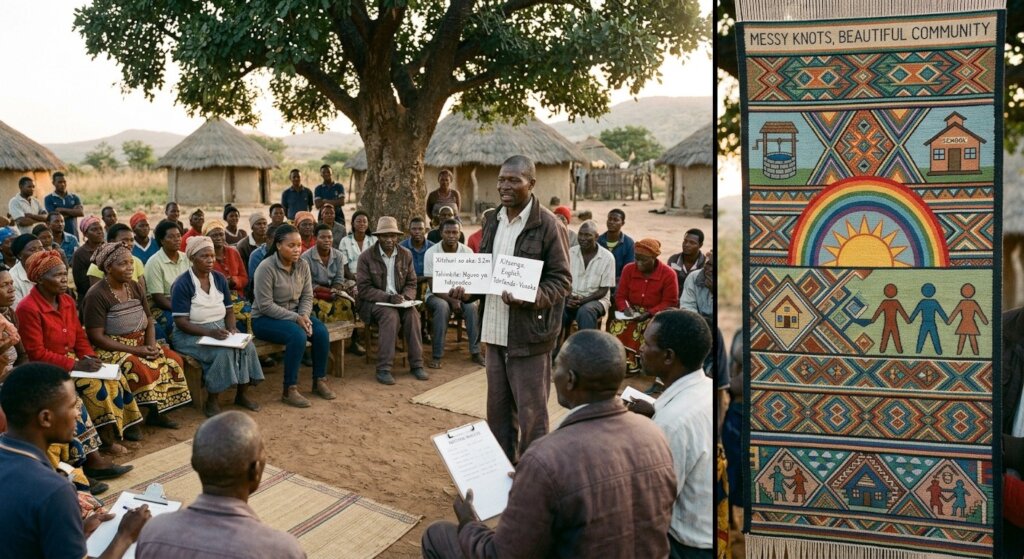
The secret to the work we do is the various frameworks we use. Firstly, we use Asset Based Community Development, and secondly, we use a Rights Based Framework. We empower people to use what they already have, to realise their rights and vice-a-versa. Many organizations create dependency and therefor create the need for the organization to continue. That is not our intention. With the formation of the Federation in the SHGA (Self Help Group Approach) we are expecting to withdraw from the project over a 3yr period, after skilling the leaders up, so they can stand on their own. We will become a stakeholder and not an oversight body which is so exciting.
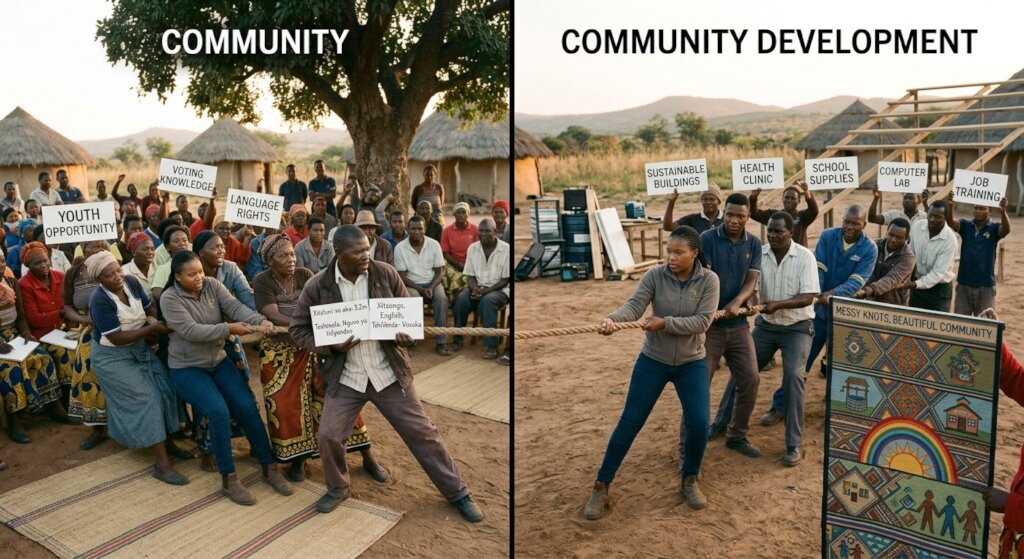
Asset-Based Community Development (ABCD) is a powerful methodology for sustainable development. At its core, ABCD shifts the narrative from asking "What is missing or wrong?" (the traditional deficit approach) to asking "What is strong, present, and possible?"
The Key Concept
Instead of viewing communities as passive clients dependent on external aid or interventions, ABCD views community members as active citizens, producers, and leaders of their own development. Lasting social change and empowerment originate from within the community when existing strengths are identified, connected, and mobilized.
Traditional Deficit Model
Asset-Based Model (ABCD)
"What's wrong?"
Focuses on needs & problems
Creates dependency on aid
"What's strong?"
Focuses on existing resources
Fosters local ownership & self-reliance
Core Pillars of ABCD
ABCD focuses on discovering and linking five primary categories of community assets:
How it Works in Practice
Summary
In a nutshell, ABCD is about discovering what a community has, linking it together, and mobilizing it to build a resilient, self-directed future. The SHG program is about the women using what they already have and developing their own futures.
Louise
My name is Annah. I was born on March 6, 1968, in Baurdoax village, but I currently live in Makhubidung village with my parents. I started my education at Maake Primary School and continued to Bokgaga High School until Grade 10. I dropped out in Grade 10 because I became pregnant, and my parents passed away.
After giving birth to my child, I had no one to help care for my baby, which made it difficult for me to go back to school. I married France Molobela in 1988, and we are now blessed with four children: two boys and two girls. I live with my husband, our four children, and two granddaughters.
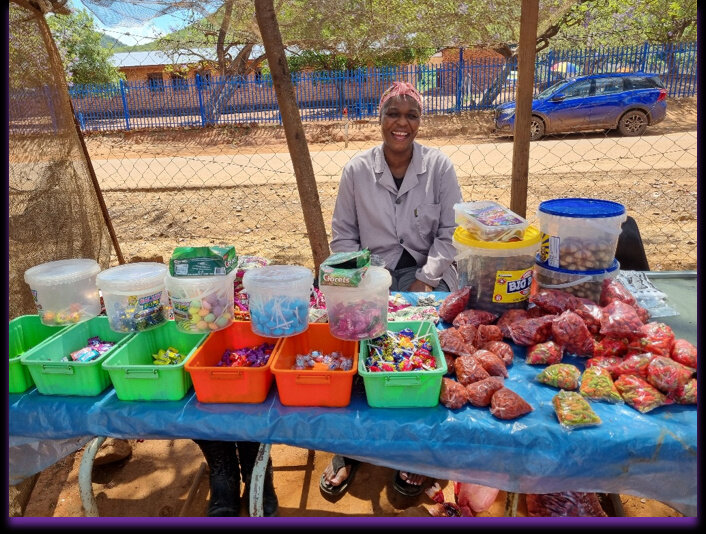
I began my business by selling traditional beer because no one in my family was employed. In 2005, I started selling chickens because selling traditional beer was not providing enough profit, especially since the only income we had was from the child support grant ($15USD/month).
I joined Lebone SHG in June 2024. We started by loaning R50.00 and are now able to loan up to R4,000.00. The money from SHG has helped me grow my business, and my daughter is now at university level with the assistance of SHG and the profits from my business. I can also afford to buy food for my family.
By selling one chicken for R110, I know that if I can sell 100 chickens, I will make a profit of up to R11,000.00. I benefit greatly from SHG; it is not just about money. We also have weekly discussions where we learn from each other, whether on personal or business-related topics. I enjoy our meetings during SHG days because it helps me see how many women are benefiting from this program.
Links:
By Louise | Managing Director
By Louise | Managing Director
Project reports on GlobalGiving are posted directly to globalgiving.org by Project Leaders as they are completed, generally every 3-4 months. To protect the integrity of these documents, GlobalGiving does not alter them; therefore you may find some language or formatting issues.
If you donate to this project or have donated to this project, you can receive an email when this project posts a report. You can also subscribe for reports without donating.


Support this important cause by creating a personalized fundraising page.
Start a Fundraiser