Avuxeni, (
Good morning / Good day Derived from "uxena" / shining light)
Mixo wunene (Literally "good morning")
I hope you are well and excited to see our impact for Quarter 3 of 2026
Thanks to your continued support, our Self-Help Group (SHG) program in Limpopo Province continues to expand rapidly, fostering grassroots financial independence, community-led development, and profound generational impact.
Key Impact Metrics at a Glance1. Women & Self-Help Groups (SHGs)
-
Active Self-Help Groups: 169 groups (54 new groups established this year to replace departing ones and expand our reach). Our target was 50groups for the whole year, so we have exceeded this target.
-
Participating Women: 2,870 women actively saving, investing, and supporting one another.
-
Cluster Level Associations (CLAs): 12 CLAs uniting groups at a regional level, with 8 CLAs successfully passing their pre-assessment for Federation status. Our target was 10CLA's so once again we have exceeded this target.
Children Supported
-
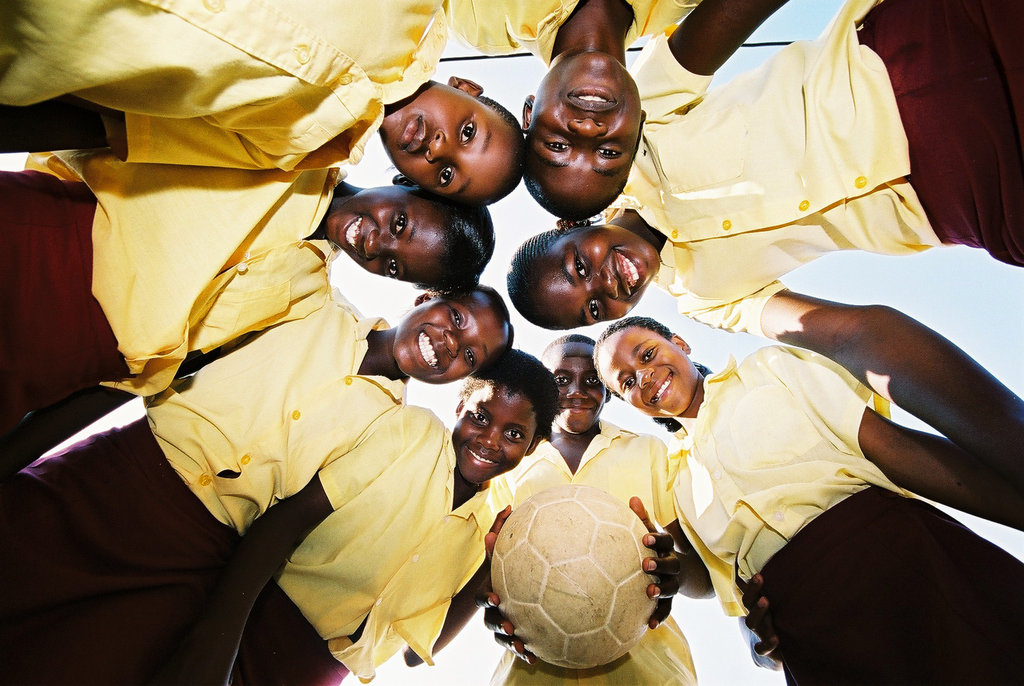
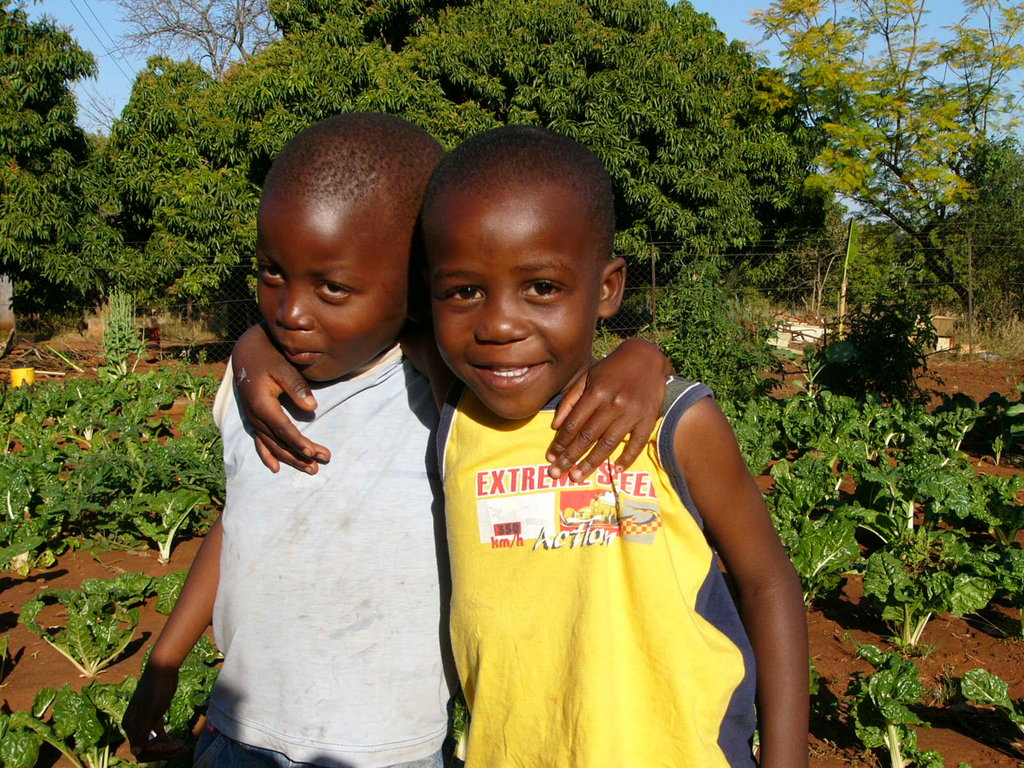
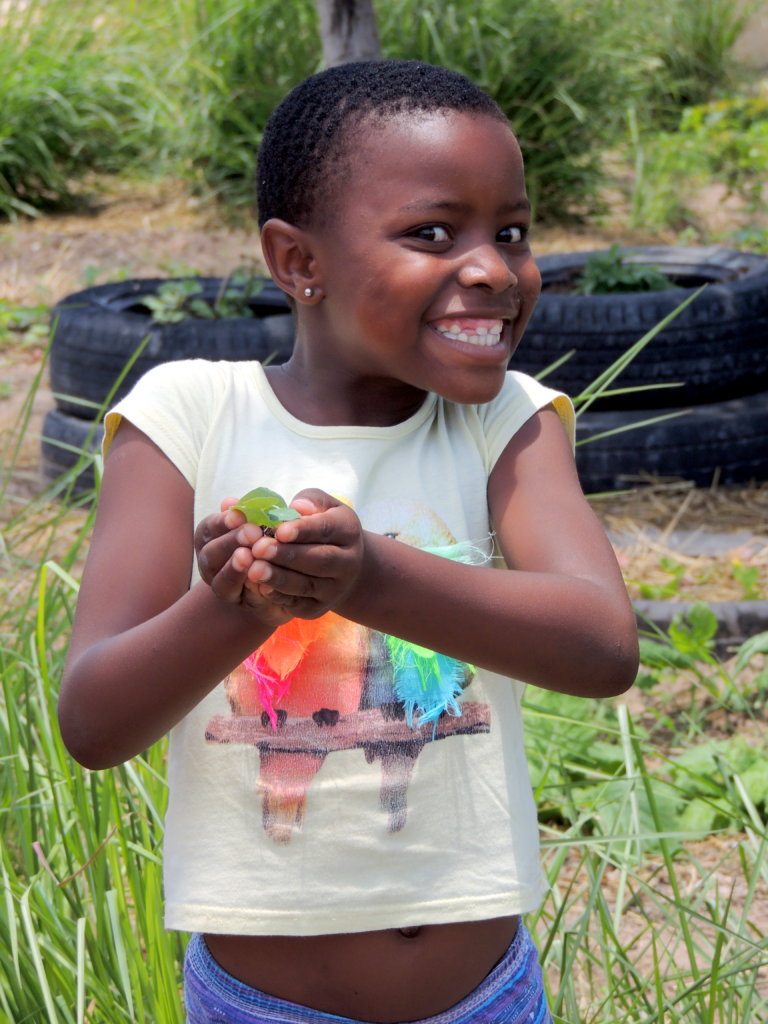
Total Children in Member Households: 8,129 children (3,947 girls and 4,182 boys).
-
School Attendance: 2,259 school-going age children (1,101 girls and 1,158 boys) are enrolled and attending school regularly. This is huge because through our CRSA (Children's Rights Situational Analysis - many children from poor families were being abused for being poor, not have shoes, or uniform, or pens/stationary. The children were bunking schoool, plus were unable to focus due to hunger, so now those issues are steadily being resolved through your support.
-
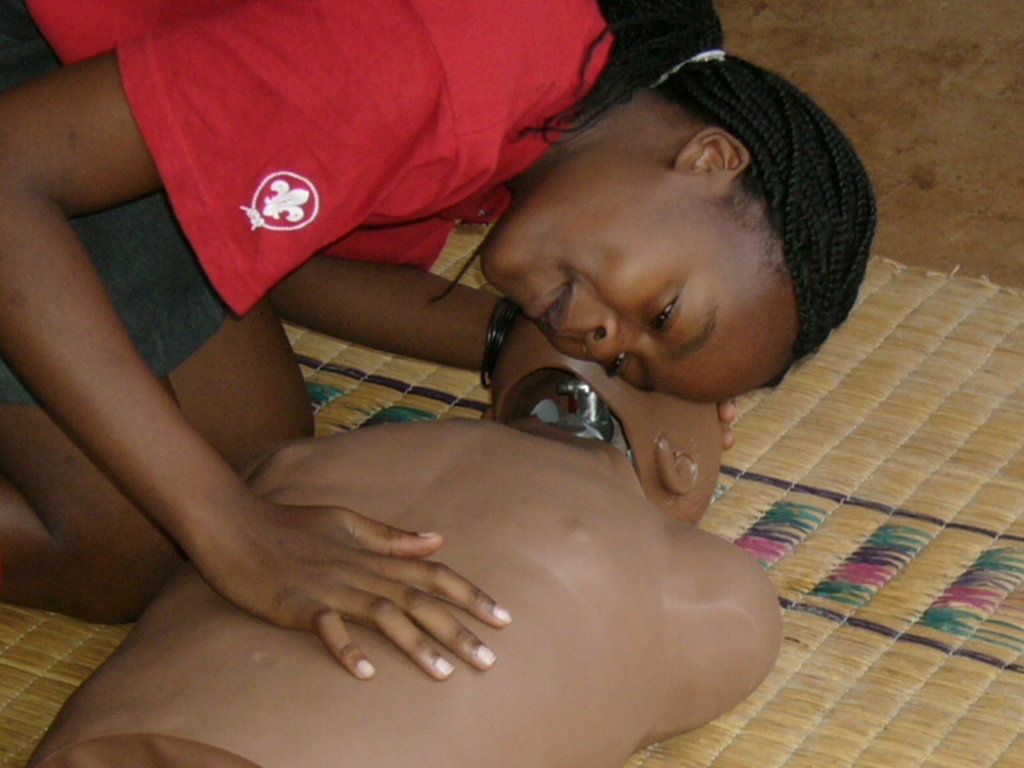
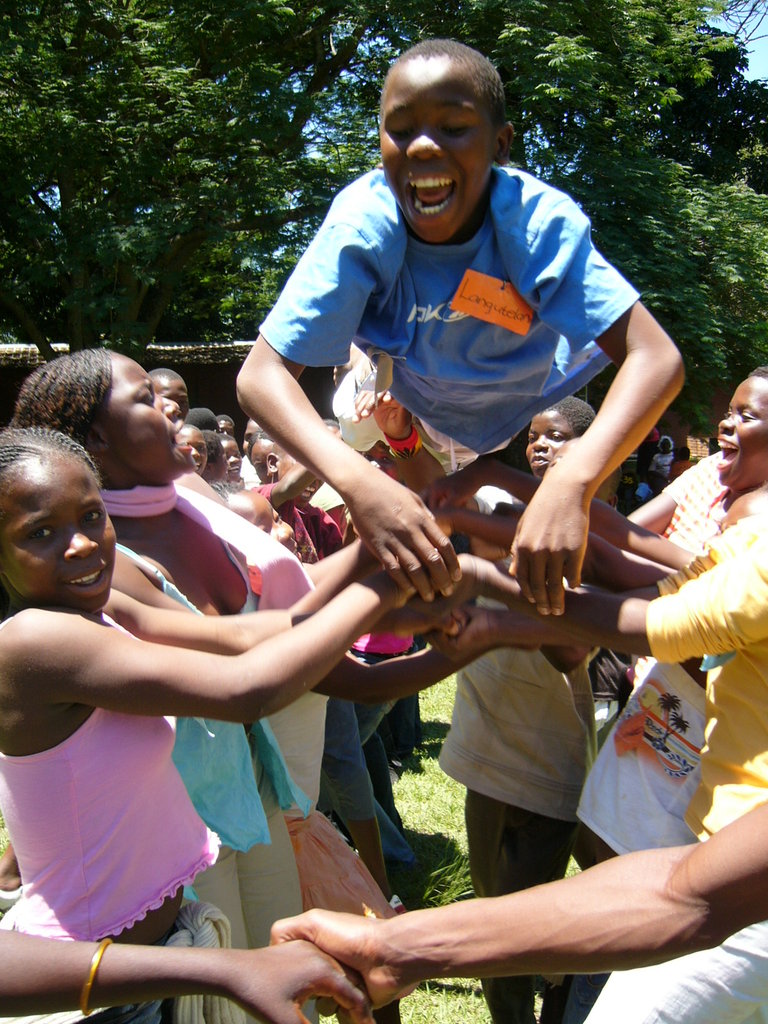
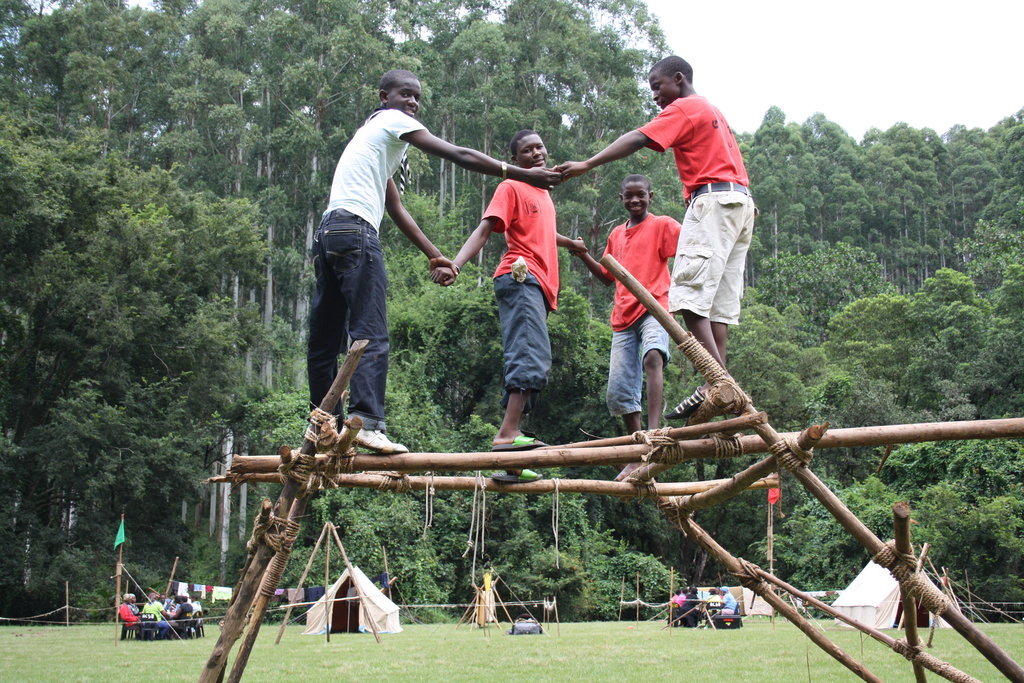
Youth Engagement: Beyond economic security, our holistic approach recently enabled 16 younger children to experience their very first nature and leadership camp, building confidence and life skills. The funding from this was combined, your support and that of the mothers in SHG...... it is a start.
Financial Mobilization & Economic Growth
The women continue to demonstrate incredible fiscal discipline and resourcefulness.
-
Total Group Savings: R2,961,000.00 (approx. $180,621 USD)
-
Total Working Capital: R6,586,148.00 (approx. $401,755 USD)
-
Total Loans Issued: R30,230,330.00 (approx. $1,844,050 USD)
-
Active Borrowing: 60.9% of members actively utilizing loans to build and scale micro-enterprises.
Spotlight on Success: Annah Molobela’s Story
"My name is Annah Molobela... I joined Lebone SHG in June 2024. We started by loaning R50.00 and are now able to loan up to R4,000.00. The money from SHG has helped me grow my business, and my daughter is now at university level with the assistance of SHG and the profits from my business. I can also afford to buy food for my family."
Annah’s journey from selling traditional beer and chickens to funding her daughter's university education exemplifies how small group savings transform entire family trajectories.
Key Highlights & Innovations This Quarter
-
Grassroots Advocacy: Demonstrating remarkable self-reliance, SHGs in Dan and Petanenge villages successfully utilized the small claims court system—after local leadership delays—to hold defaulting members accountable and recover outstanding loans, achieving a 100% repayment rate.
-
Role Transfer & Leadership: Kutlwano CLA successfully hosted its own bookwriters' training across 9 SHGs, proving that local women are now driving administrative and financial oversight independently. The skills transfer has been achieved and KTD196 no longer has to micromanage this process.
-
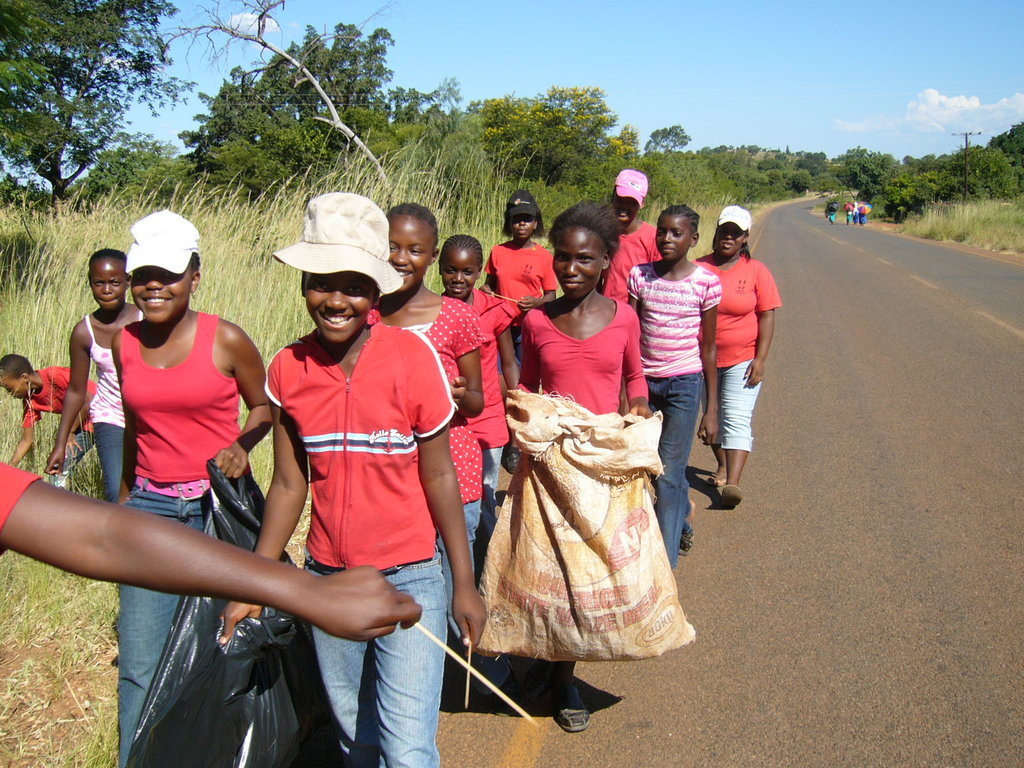
Community Linkages: CLAs actively partnered with local stakeholders, including the Department of Home Affairs (bringing mobile ID/civic services directly to rural villages), local ward councilors, traditional Indunas, and schools to grade roads, repair boreholes, and run anti-substance abuse campaigns.
Thank you for standing with the women of Limpopo. Your partnership is building sustainable livelihoods, educating children, and laying the foundation for a thriving community-led Federation!
Your support means everything to us. If you are not yet a monthly donor, please consider setting up a recurring gift today. Because our program funding is strictly earmarked and does not cover essential overhead costs—such as rent, insurance, and financial administration—monthly contributions are vital to sustaining our day-to-day operations.
Blessings
Louise