By Andy Brown | Senior Supporter Care Officer
It’s back to school, but not for everyone.
Students in Uganda have gone over 300 days without stepping foot in a classroom. For those living in Kampala’s slum communities, remote learning is not an option.
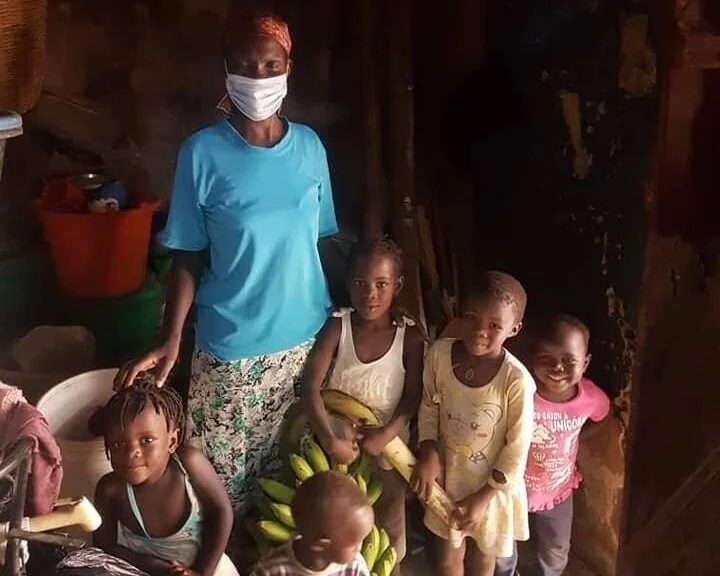
Children in Kampala often stay with family as parents are unable to afford their basic needs or are working away from home.
Imagine…
You are living in Kisenyi, Kampala’s biggest slum. You are staying with your grandmother, three siblings and four cousins in just one room. You have no internet access, no tv and no radio. Your school has been closed for over 300 days. Remote learning is not an option.
This is the reality for children living in Kampala’s slum communities where education is even more inaccessible. The UN has estimated that in East Africa and the Pacific 80 million children have no access to remote learning.
How has lockdown impacted education in Uganda?
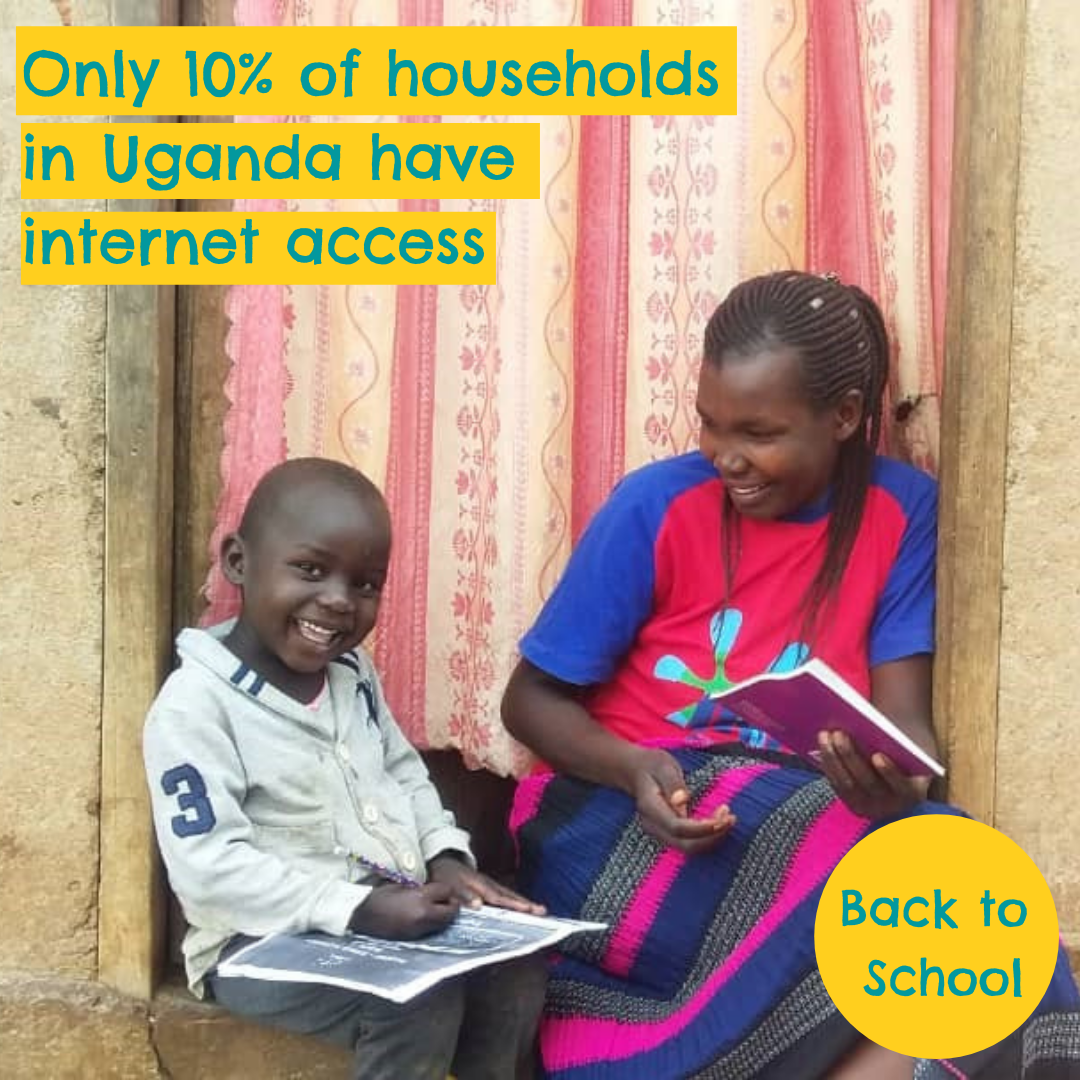
In Uganda, moves to accommodate home learning have been through digital means; online lessons, school programmes on TV and radio. However, only 10% of households in Uganda have internet access and many live without a home tv or radio set. Only 20% of the 15 million children out of school in Uganda have received learning materials from the government.
Without technology, it is down to parents and carers to educate their children. But, a long history of limited education access has left many adults in Kampala’s slum communities without appropriate formal education to teach their children from home.
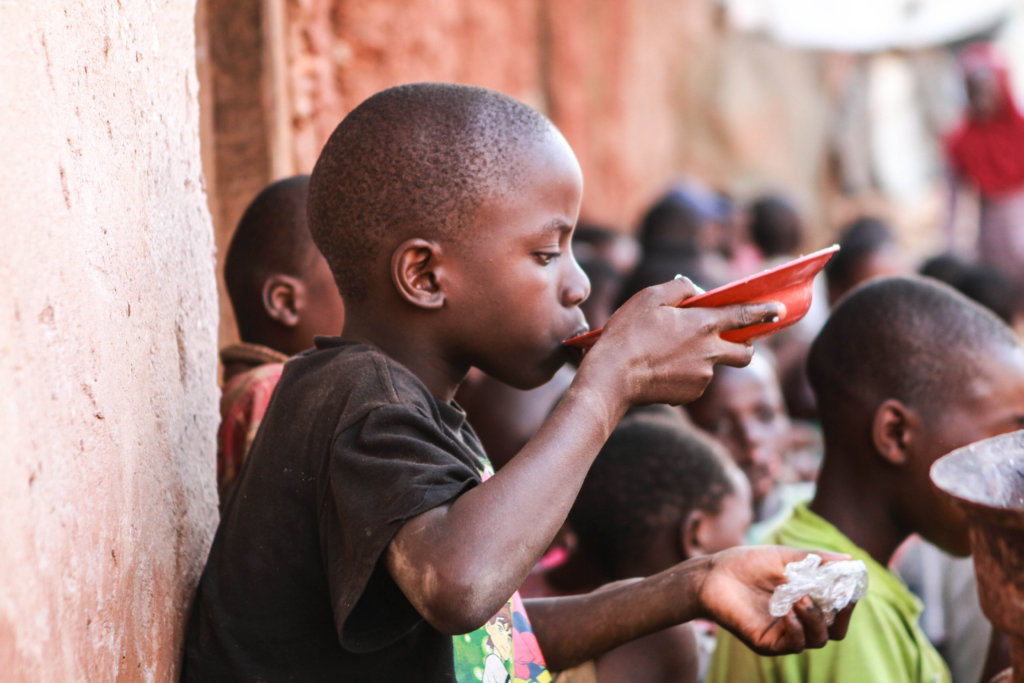
It is not just education being impacted by school closures, but also access to food. 2 in every 10 children are having less than 1 meal a day due to being unable to access meals provided by school feeding programmes.
What does this mean for the future of students in Uganda?
Without access to educational support and nutritious food, children in Kampala’s slum communities will be left behind.
The longer schools stay closed, the greater the number of student dropouts. The loss of household income during Uganda’s lockdown and the economic burden of repeating years and retaking exams will drive more students to pursue income opportunities rather than return to the classroom.
It is not just students who have turned to more lucrative options. Teachers in Uganda have abandoned the profession, many turning to bricklaying and boda boda driving to support their families.
For girls, the increase in teenage pregnancies is another obstacle forcing many out of education. Between March 2020 - June 2021 there was a 22.5% increase in pregnancy between 10 - 24 year olds.
Uganda risks slipping behind on the Sustainable Development Goals, not just for education but for poverty, hunger and gender equality.
What are Kids Club Kampala doing to keep education opportunities alive in Kampala’s slum communities?
Throughout Uganda’s most recent lockdown Kids Club Kampala have been providing educational support including home education packs to students and advice to parents and carers. Our volunteer teachers have also been making home visits to keep children on track.
11,590 children have been reached with Kids Club Kampala’s COVID-19 relief through our Serving Communities in Crisis emergency appeal. This includes both educational support and food packages.
We have resumed our Teens Project in line with lockdown easing to help educate girls and boys on sexual and reproductive health and to encourage them to stay in school, as well as providing teenage girls with essential period products.
We are unsure how long schools will remain closed, but we will continue to be there for our communities.
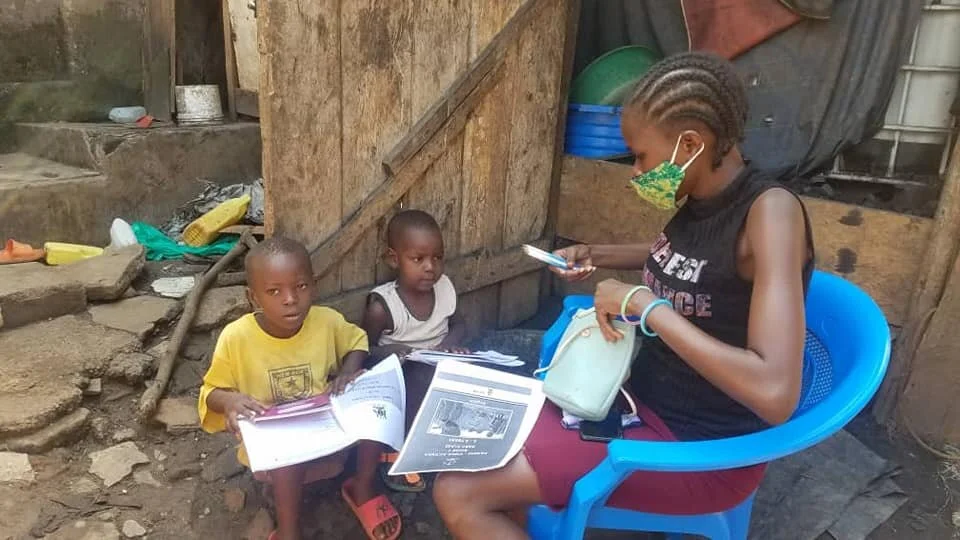
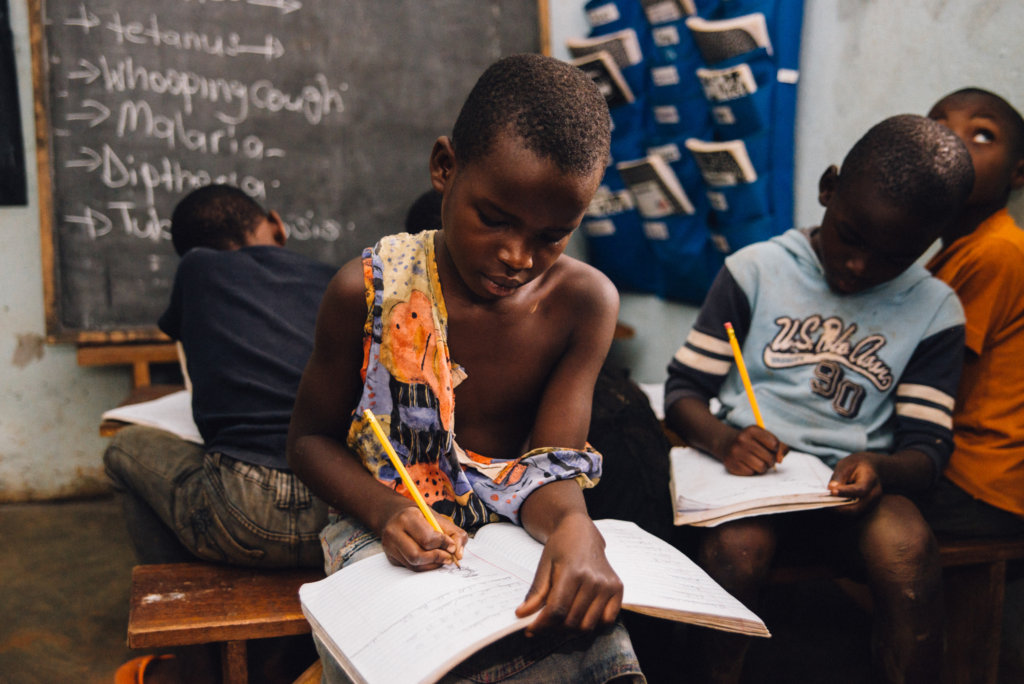
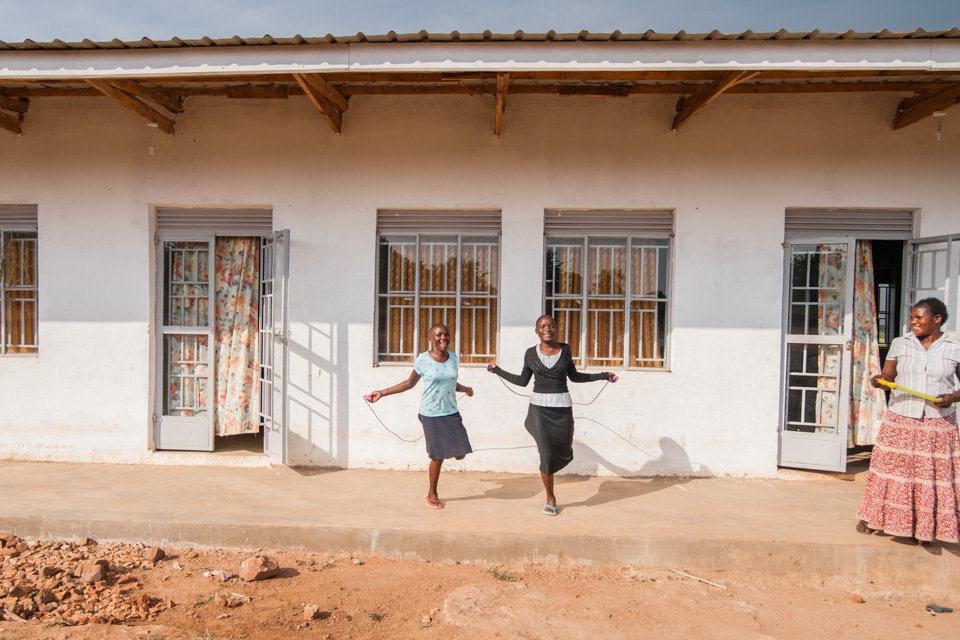
Kids Club Kampala volunteer teachers have been giving lessons and materials to children living in Kampala’s slums
Project reports on GlobalGiving are posted directly to globalgiving.org by Project Leaders as they are completed, generally every 3-4 months. To protect the integrity of these documents, GlobalGiving does not alter them; therefore you may find some language or formatting issues.
If you donate to this project or have donated to this project, you can receive an email when this project posts a report. You can also subscribe for reports without donating.



Support this important cause by creating a personalized fundraising page.
Start a Fundraiser