Project Report
| Apr 24, 2025
Qtly Report - La Fondita de Jesus in the Community
By Geraldine Bayron-Rivera, Ph.D. | Executive Director
![]()
Distinguished Donors:
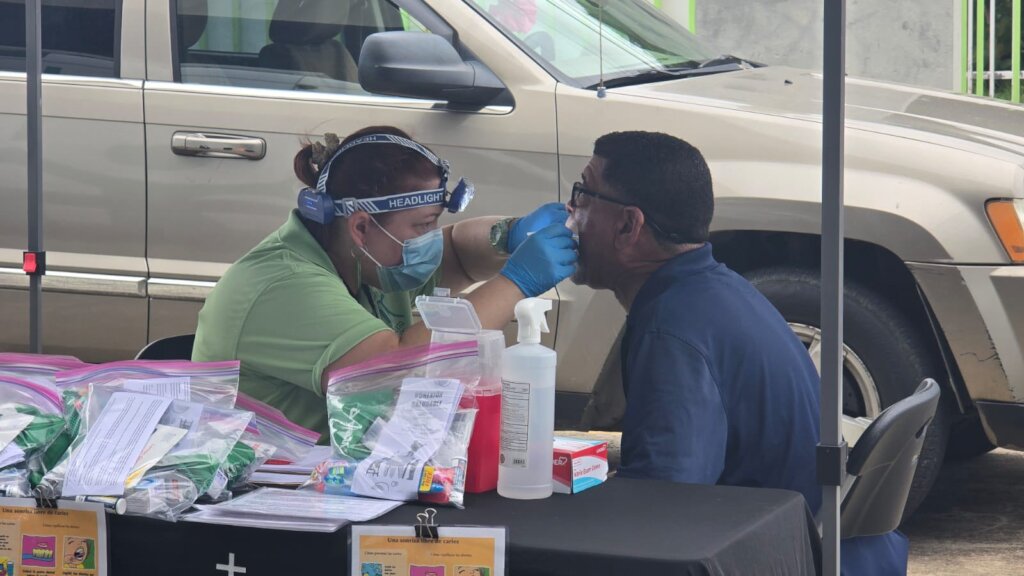
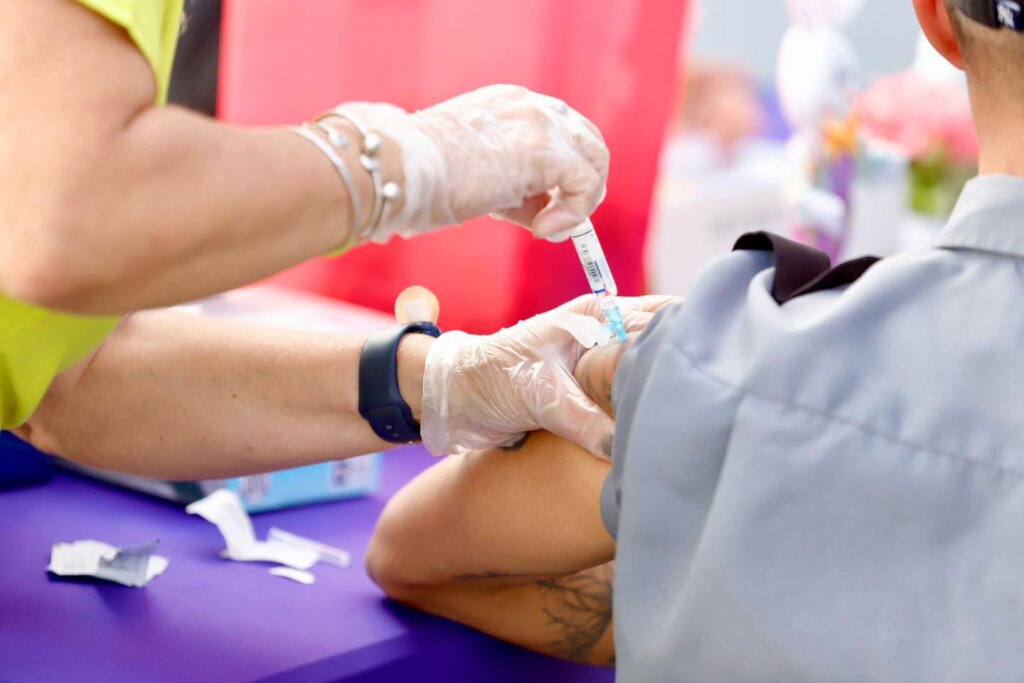
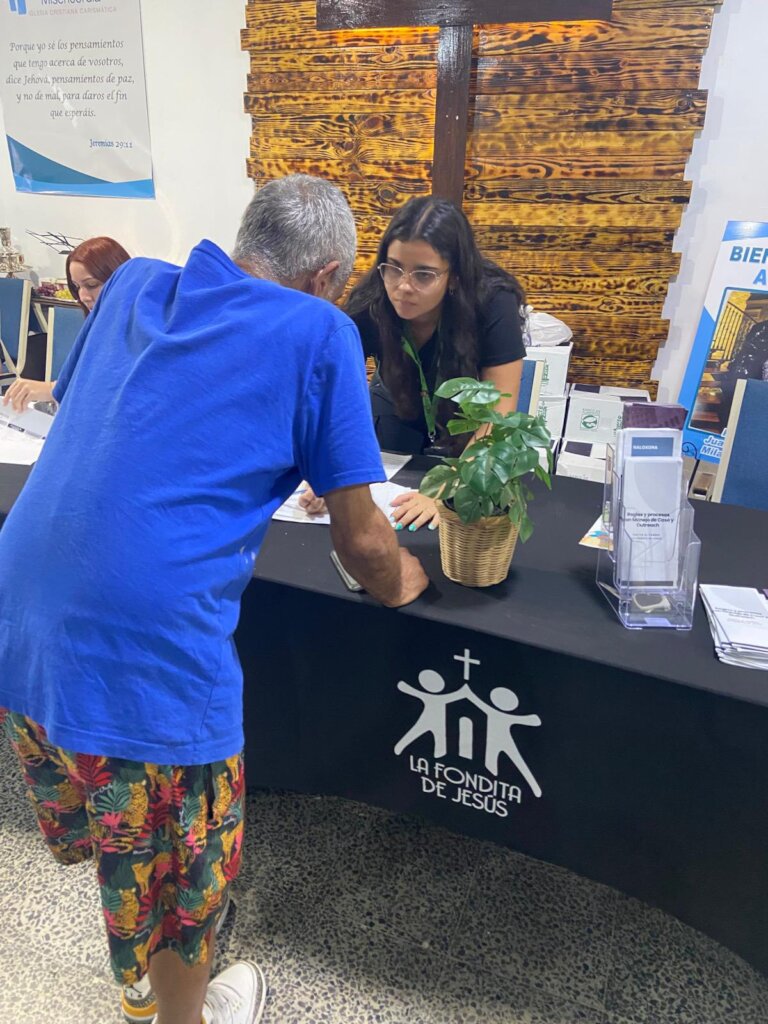
Greetings on behalf of Corporación La Fondita de Jesús’ family. With great respect, we are reporting our achievements and challenges while providing services to vulnerable communities through the “La Fondita de Jesús en la Comunidad” (La Fondita de Jesus in the Community) program from January through April 2025.
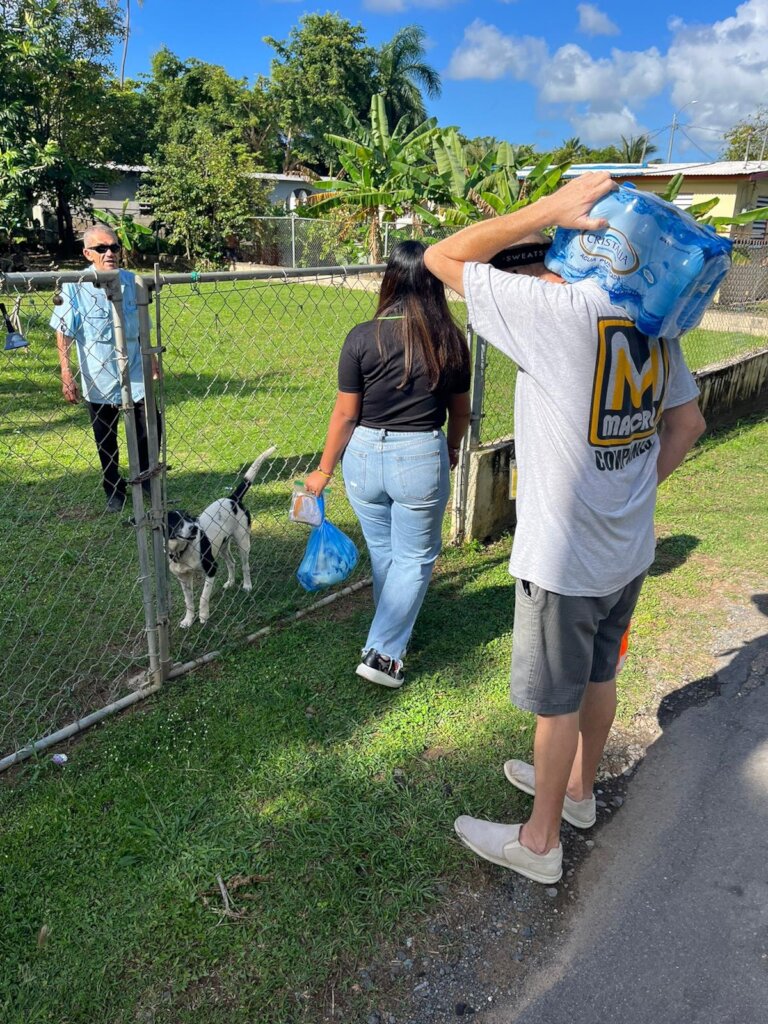
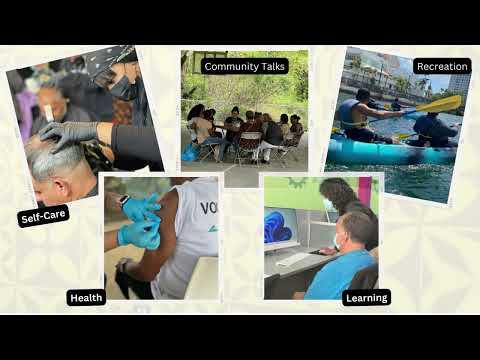
During this quarter, our project delivered 29,507 service units to 1,903 unique individuals and families in 123 communities, from which 42 (34%) were impacted for the first time by our project. In other words, there is an average of 16 units of services per participant. These communities are in the following 12 Puerto Rican municipalities: Bayamón, Caguas, Canóvanas, Carolina, Cidra, Juncos, Río Grande, San Juan, Toa Baja, Trujillo Alto, Vega Baja, and Yabucoa.
Trying to keep you as informed as possible regarding the demographic descriptions of the people we provided services to during this period, the distribution per gender was as follows:
- Females = 52%
- Males = 47%
- Transgender and non-binary = 1%
49% of the population served (n=931) were older adults (ages 55+), 19% (n=355) were children (ages 0-17), and 4% (n=84) were young adults (ages 18-24); all from vulnerable communities. We always point out that these individuals, families, and communities are at imminent risk of losing their homes, given their needs, life circumstances, and social determinants of health.
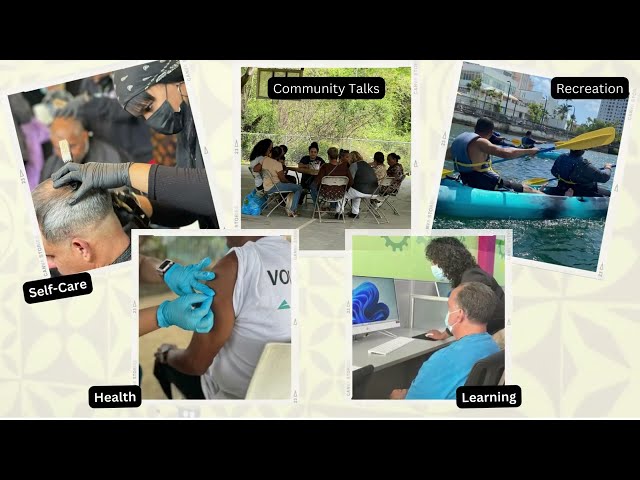
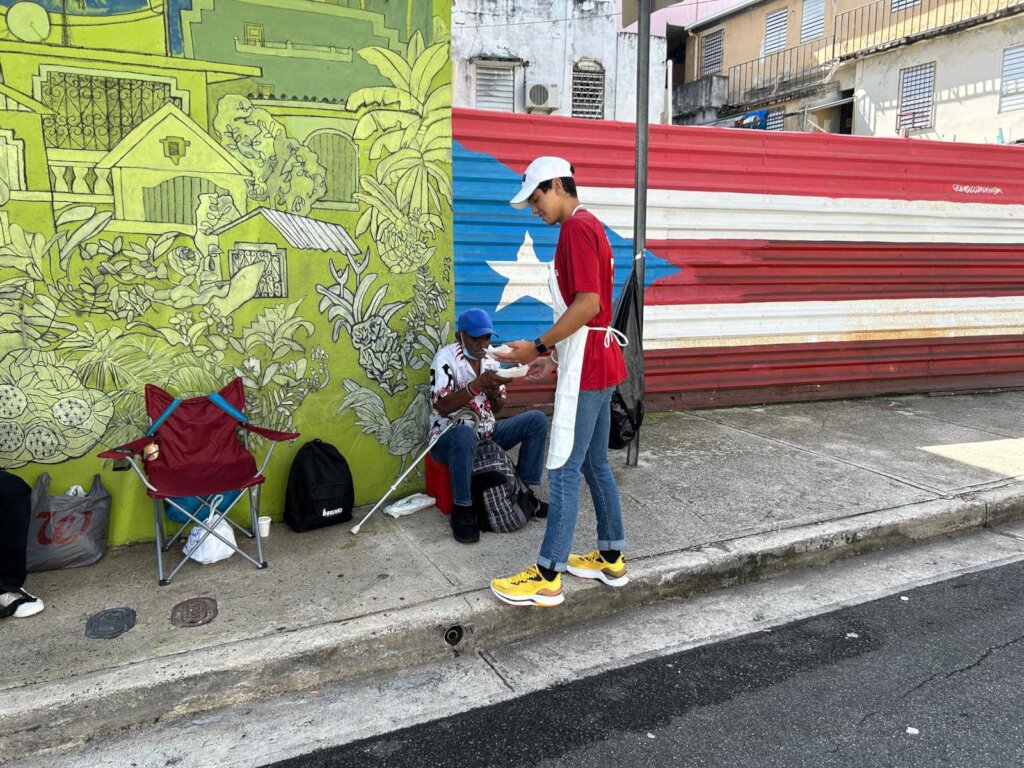
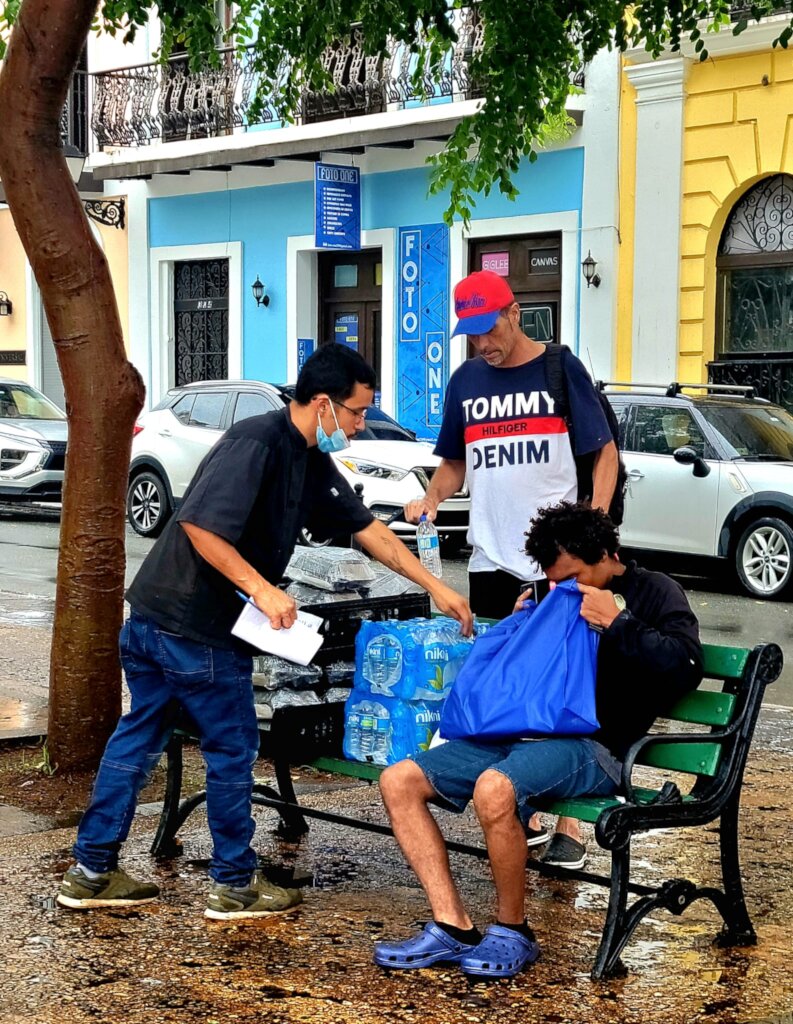
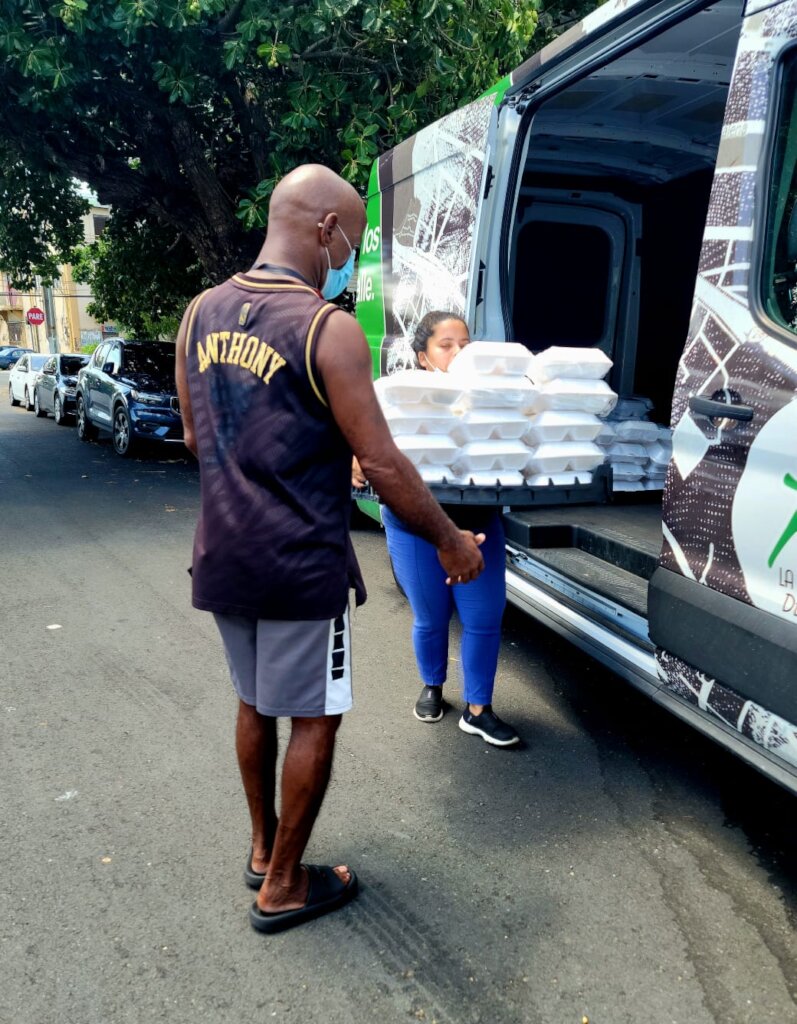
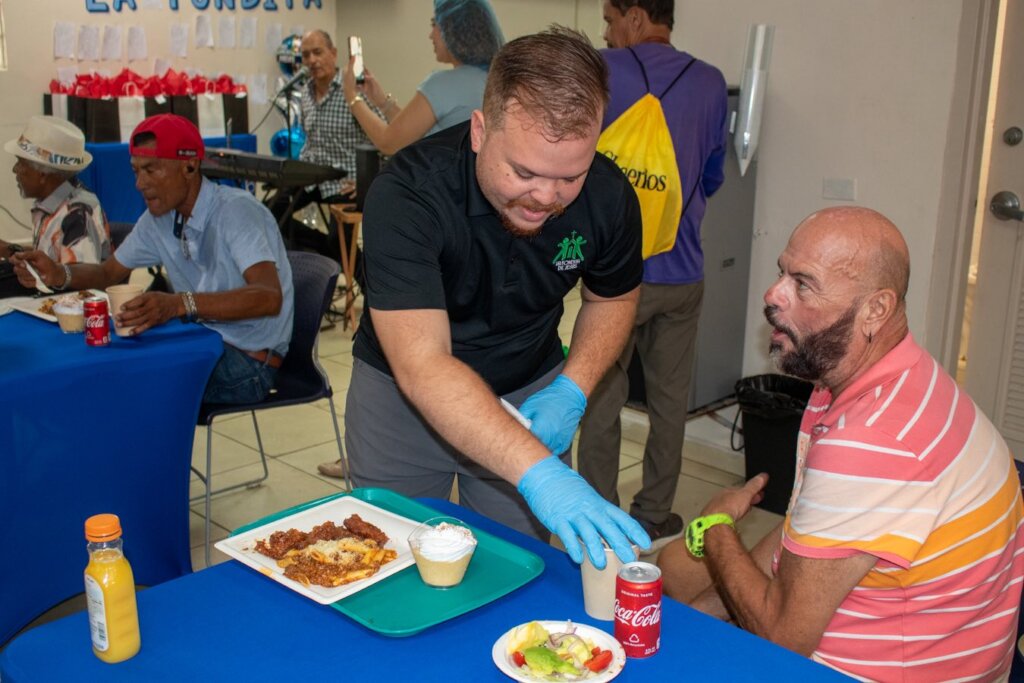
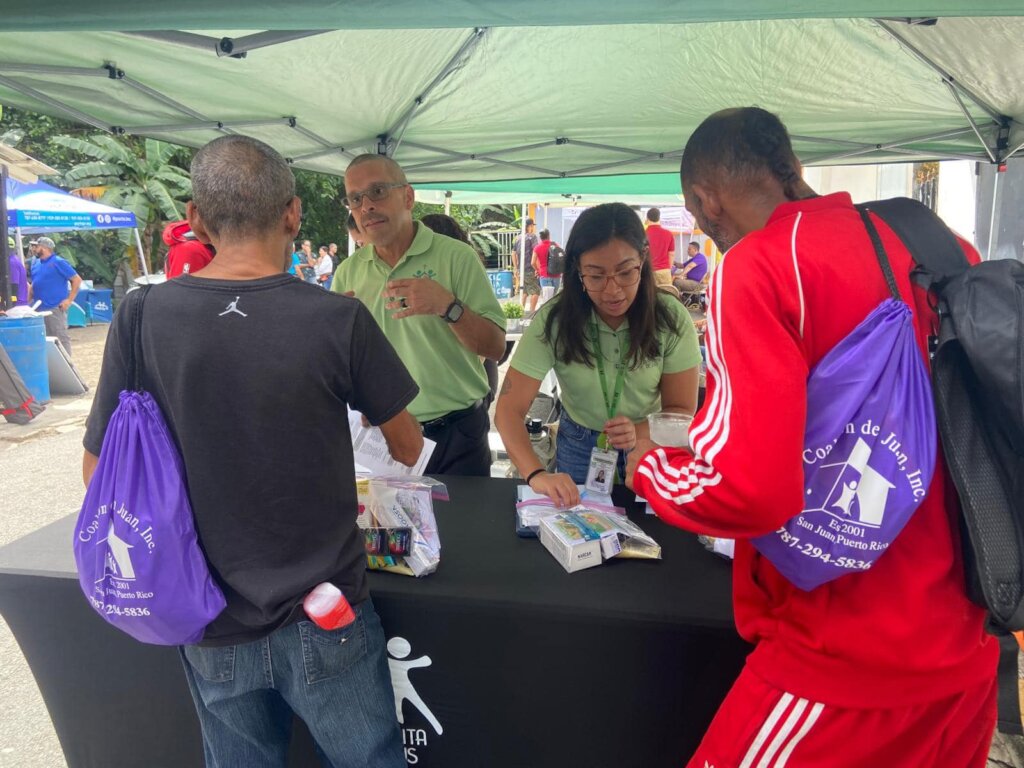
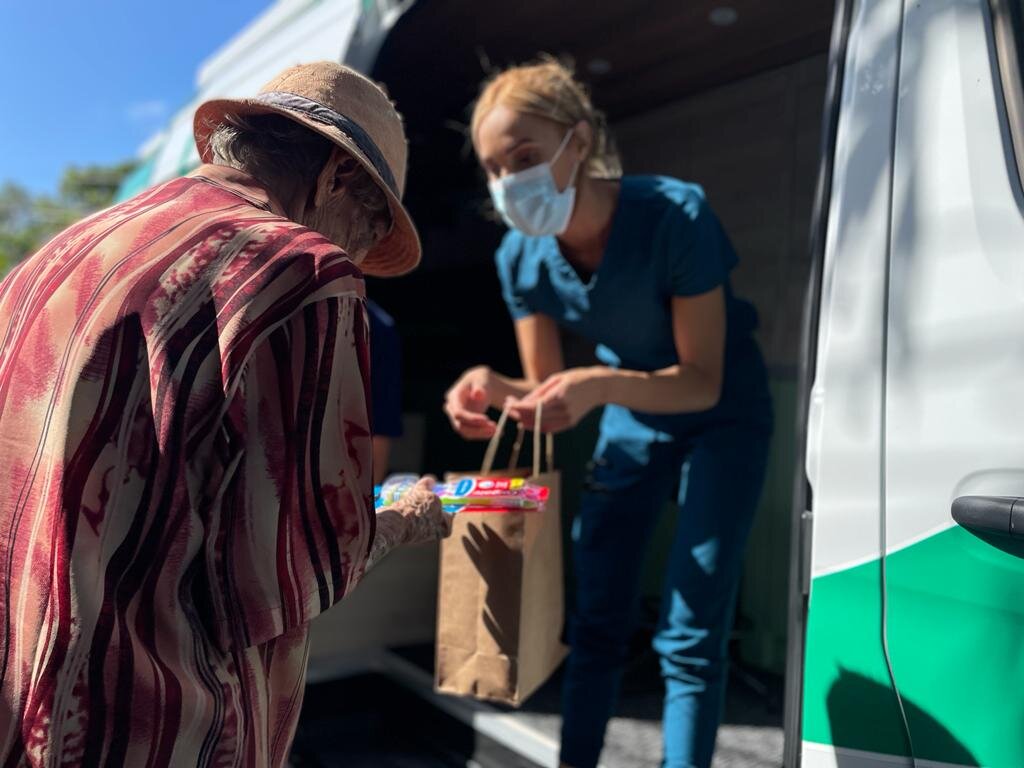
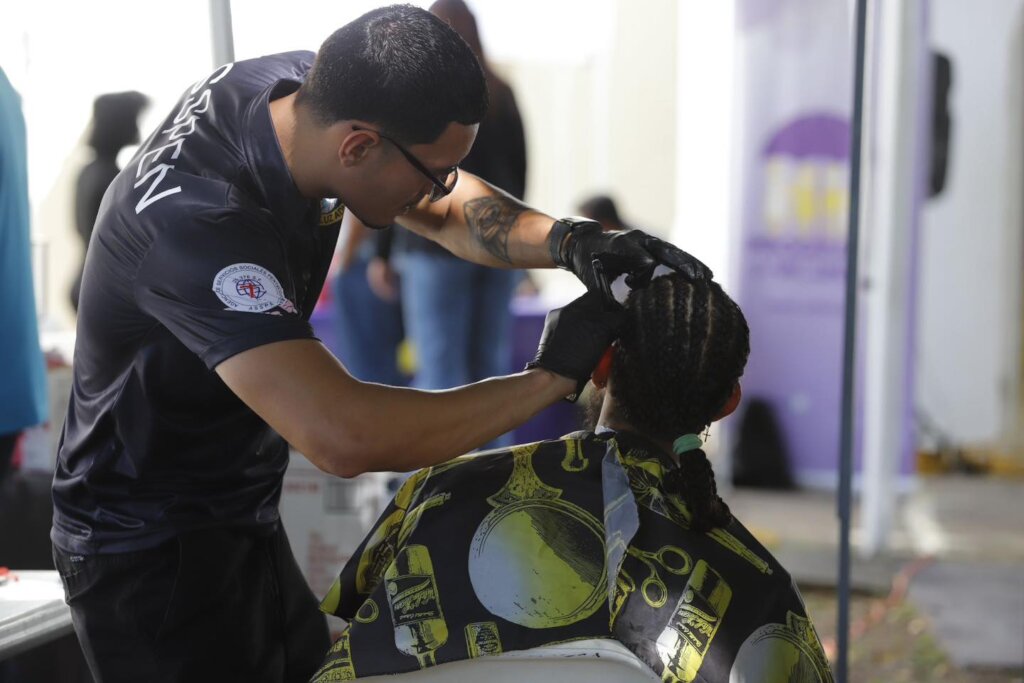
Donating materials needed for participants in impacted communities is always part of our work. Some of the donations provided during this quarter were anti-stress therapeutic balls, medical equipment, Narcan and Fentanyl Test Strips, nutritional supplements, vitamin C bottles, children’s books, clothing, emergency groceries, house paints, wall fans, painting equipment, adult diapers, toaster, over-the-counter medications, coffee makers, coffee mugs, ETS prevention kits, hygiene kits, blankets, plastic cups, washing machine, umbrellas, house cleaning kits, and hot lunches.
Workshops were developed and provided regarding the following themes:
- Literacy workshop: The Three Wise Women
- Literacy workshop: Tale – What do you think?
- Literacy workshop: Children’s Rights
- Literacy workshop: Finger Puppet
- Literacy workshop: The Color Monster
- Literacy workshop: The Cane of Speech
- Literacy workshop: Managing Emotions
- Our Rainbow Skin
- Literacy workshop: I feel
- Introduction to Support Group
- Adapted Yoga
- Acceptance of Old Age as a Stage of Life
- Community Action and the Elderly
- Sexuality and the Elderly
- Cognitive Stimulation Strategies
- Managing Emotions in Older Adults
- Art Therapy
- Human Rights Law 121
- Healthy Relationships
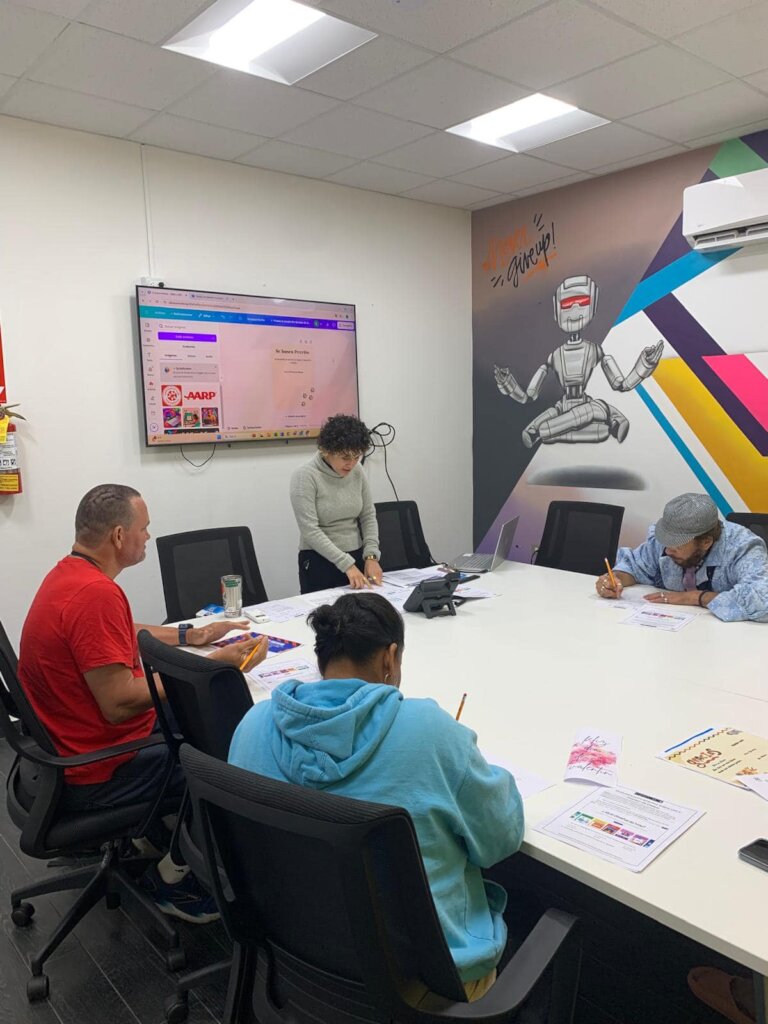
- Designing with Canva
- Basic Cell Phone Handling and Use
- Basic Use of Computers
- Strategies to Avoid Isolation and Loneliness
- Immigration Defense
- All About Opioids and Naloxone
- Healthy Eating
- Importance of Heart Care
- Foot Care
- Healthy Change Management
- Our Emotions
- Courage / Sadness
- Assertive Communication and Limits
- Stress and Frustration Management
- Conflict Resolution without Violence
- Importance of Hygiene
- Self-Love
- Types of Self-Love
- Alcohol Use Disorder
- Alcohol and Substance Detoxification Unit
Some of our most important achievements during this period were as follows:
- During this period, we had the opportunity to impact 42 new communities.
- In general, the participation of community members continues to increase.
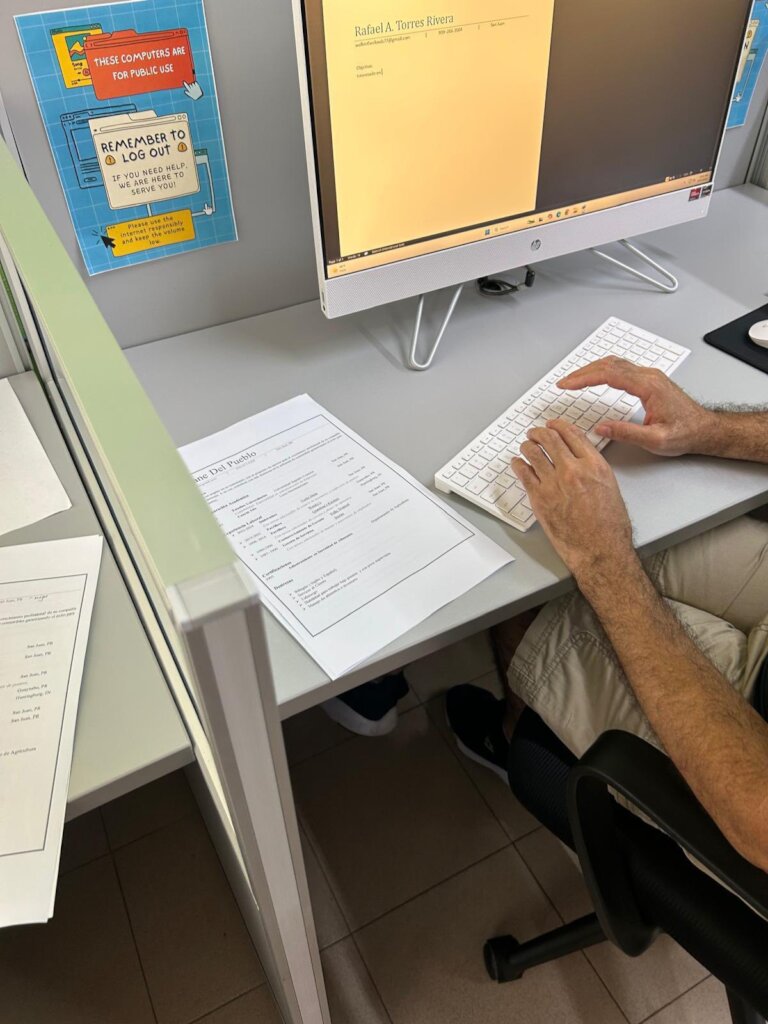
- Participants show interest in benefiting from the support provided by the organization and using the services to develop their self-sufficiency in different areas of their lives, such as housing, employment, studies, health, etc.
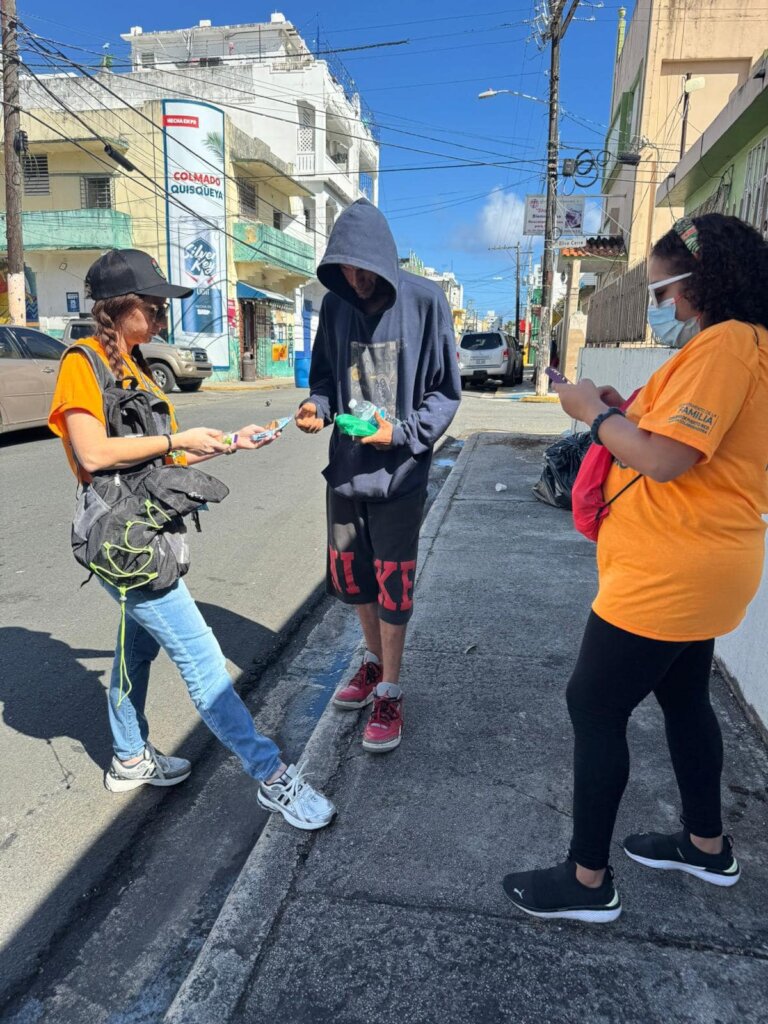
- During this period, many communities were reached with information related to opioids and overdose prevention. Narcan and Fentanyl Test Strips (FTS) were also distributed. This helps communities stay updated with firsthand information and are trained to respond in emergencies.
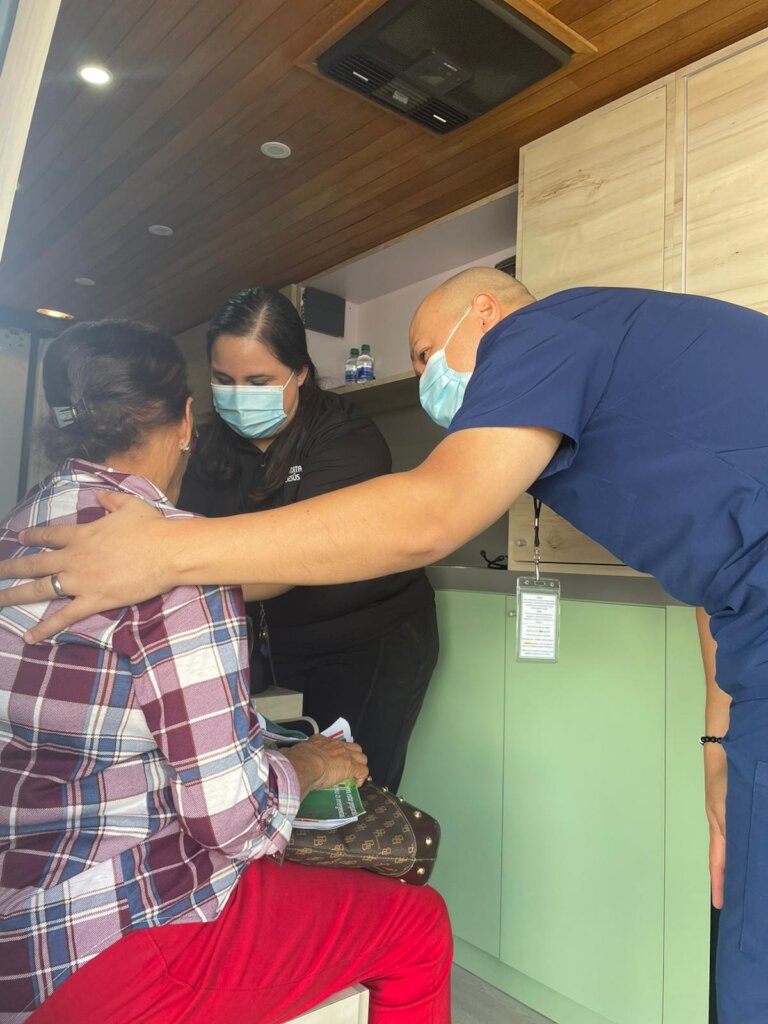
- Together with the multidisciplinary team, several community impacts were achieved. The team provided social work, case management, and outreach services, provided guidance on the organization's services, and established various links with private and government agencies.
- During this period, educational workshops were held to address and prevent violence in the community. These workshops provided participants with valuable information and practical tools to address violent situations, promoting a safer and more aware environment.
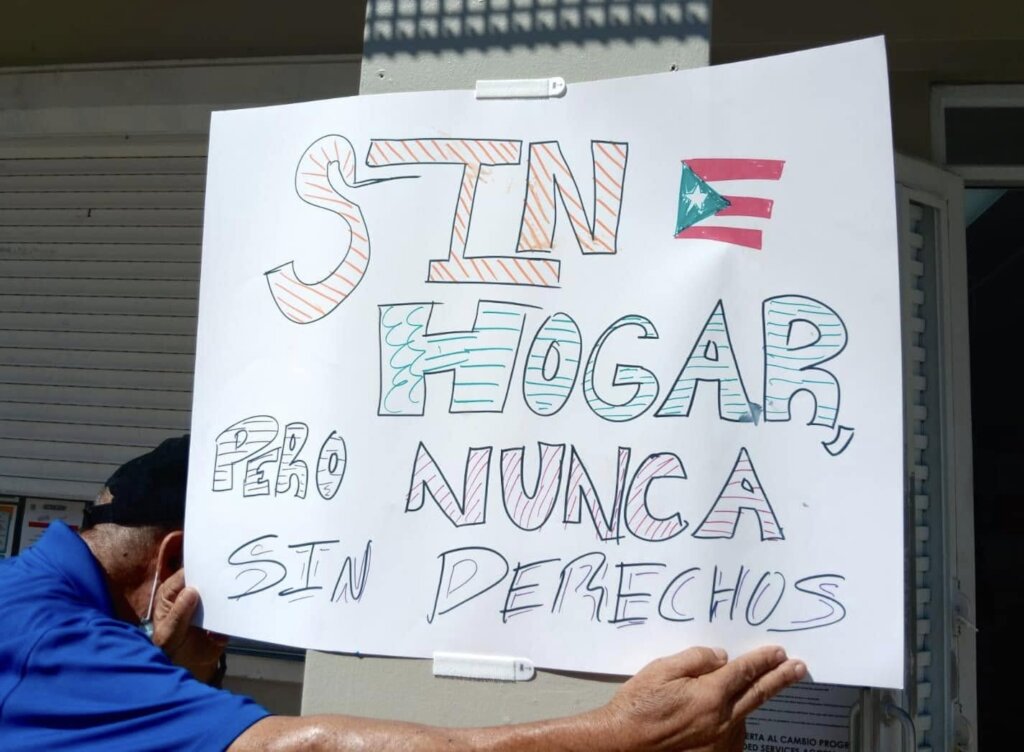
- An educational plan was developed to raise awareness and visibility of the issue of homelessness in Puerto Rico. This plan aims to increase public awareness of the difficulties of the homeless and offer solutions to improve their quality of life. Through various activities and campaigns, we seek to generate a positive change in perception and support for this vulnerable population.
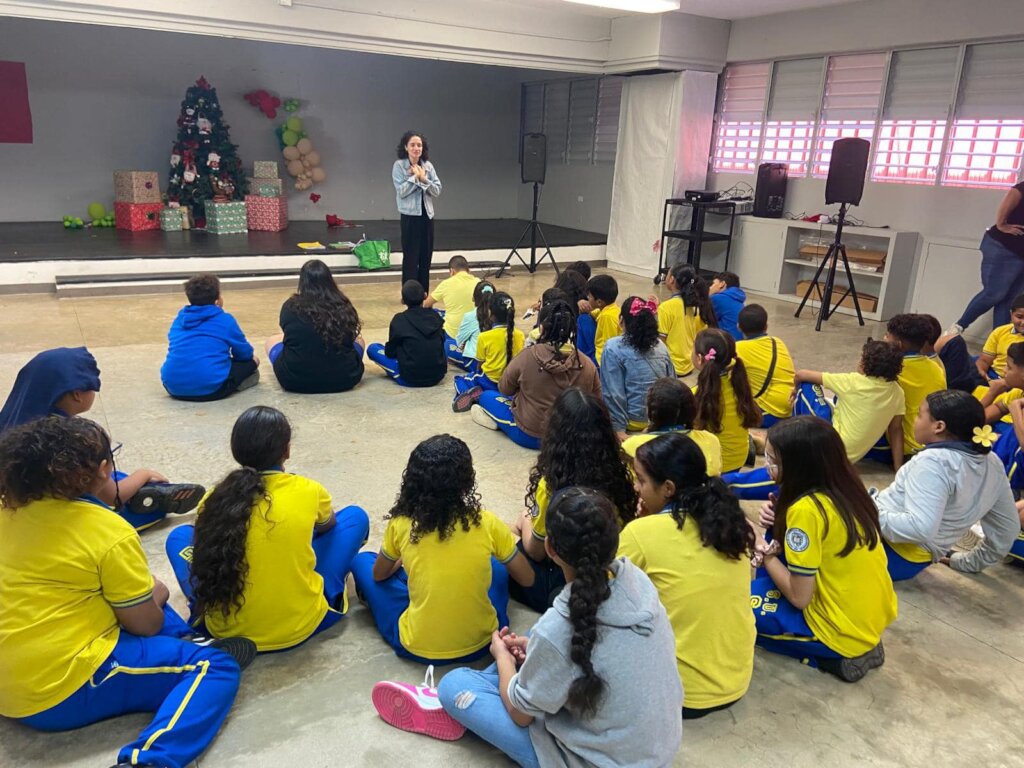
- We have impacted more than 300 children and adolescents aged 5-17 through educational workshops to strengthen their reading-writing, leadership, and psycho-emotional skills. Topics such as self-esteem, respect for the environment, diversity, and emotional management were addressed, among other relevant issues in the school, family, and community context.
Challenges:
- During this period, the need for affordable housing for participants continues. The stigma, prejudice, businesses, short-term rentals, and the high-cost rental market, among other factors, have contributed to the challenging process of locating participants with housing vouchers in our programs, which affects their well-being.
- At the mental health level, a large portion of the population in vulnerable communities faces pressing challenges such as coordinating appointments with psychologists and psychiatrists and accessing mental health treatment.
- Many participants continue to use substances such as fentanyl or opioids, which often makes it more challenging to complete Case Management or Social Work processes. The necessary approaches for prevention and harm reduction continue to be provided.
- Finally, poor access to health agencies, primary physicians, and specialists limits the continuity of care for participants regarding their existing health conditions.
We are incredibly grateful to all of you, our social investors, who believe in our work and commitment and continue to allow us to impact the lives of so many people consistently! Should you need additional information or have any questions regarding this report, please do not hesitate to contact us through the GlobalGiving Foundation.
Thank you!
![]()
![]()
![]()
![]()
Links:
![Share on Twitter]()
![Share on Facebook]()