Life Skills-Based Education for Girls

by Zindagi Trust
Life Skills-Based Education for Girls

Project Report | Oct 1, 2026
Beginning with Curiosity, Growing with Purpose

By Hamza Khan | Program Officer


A new school year often begins with new uniforms, new timetables, and new faces. For Zindagi Trust’s Life Skills Based Education (LSBE) program, August and September 2026 were about something less visible and far more lasting: helping students begin to understand themselves and the world around them.

From Grade 1 lessons on personal preferences to Grade 8 discussions on globalization, this period highlighted how life skills education develops step by step through open dialogue and reflection. The sections below outline how this learning progressed across the term.

About LSBE

Zindagi Trust’s flagship Life Skills Based Education (LSBE) program equips students with the knowledge, attitudes, and skills needed to navigate real-life challenges with confidence. Through interactive, activity-based learning, students develop self-awareness, physical and emotional well-being, decision-making skills, civic understanding, and responsible digital habits. The program aims to nurture thoughtful, resilient, and socially responsible individuals.

Topics Covered

August’26

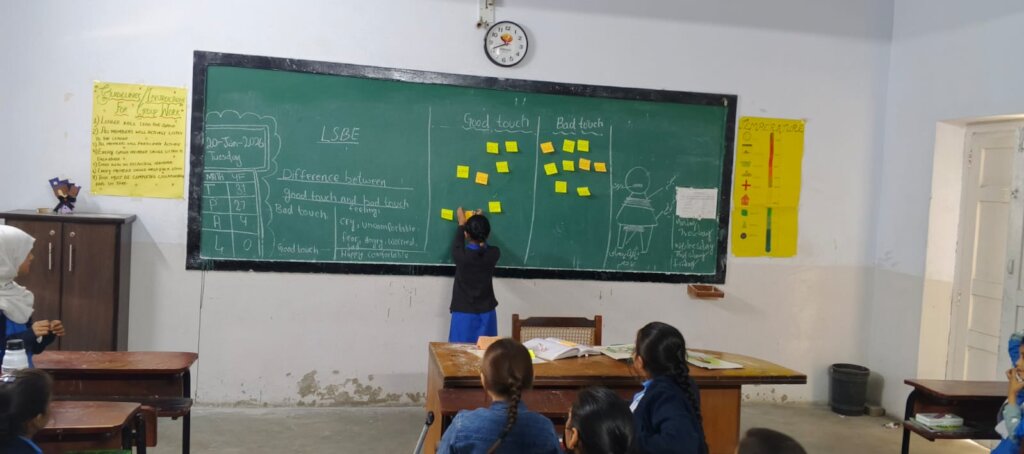
Students began the academic year with ice-breaking activities and an introduction to age-appropriate LSBE topics.

  • Grade 1 took their first steps into self-awareness, learning to recognize their own likes and dislikes and to express simple preferences with confidence, they began to understand that every choice, however small, says something about who they are.
  • Grade 2 reflected on their strengths and the areas they wished to improve, while building an appreciation for the daily routines that keep them grounded. Sessions on gratitude encouraged them to notice the good in everyday life, and gentle conversations around grief helped them understand loss as a natural part of life worth talking about.
  • Grade 3 examined the different roles and relationships within a family and discussed what makes a household feel supportive. They also explored how to balance schoolwork with rest and play, learning that a well-rounded routine helps them thrive both in and out of the classroom.
  • Grade 4 explored different family structures, including nuclear, joint, and extended families, and discussed how each can provide support in its own way. They also shared their hobbies with classmates, discovered new interests, and reflected on the importance of downtime.
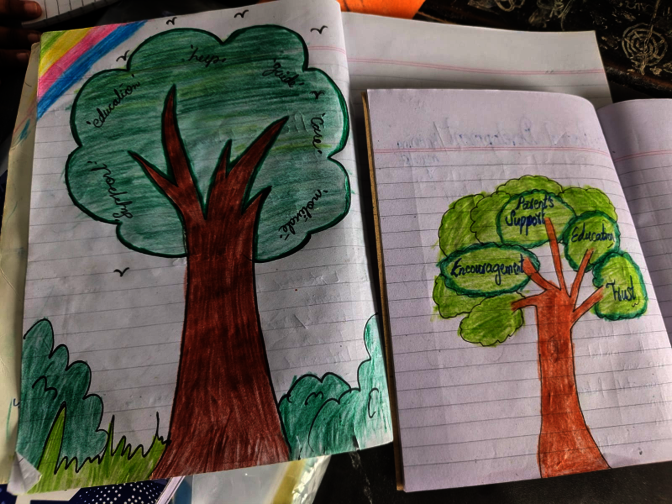
  • Grade 5 distinguished between what they need and what they want and reflected on the values and beliefs that shape their everyday decisions. The sessions encouraged them to think critically about priorities, laying the groundwork for more responsible decision-making later in life.
  • Grade 6 explored how they see themselves and how outside opinions can sometimes shape that view. Sessions on personal boundaries gave them the motivation to express comfort and discomfort, an important step towards asserting themselves respectfully.
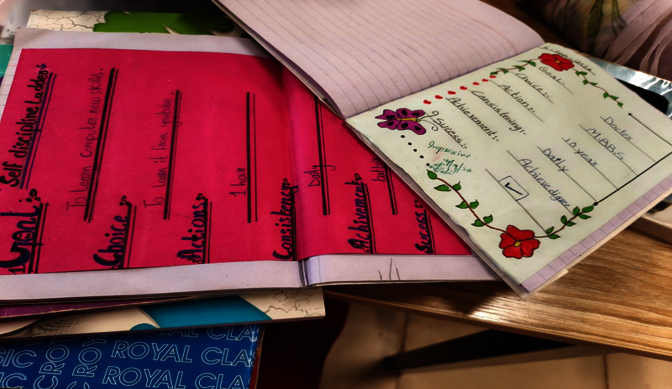
  • Grade 7 learned to set SMART goals, ones that are specific, measurable, achievable, relevant, and time-bound, and connected this to the everyday discipline required to see a goal through.
  • Grade 8 unpacked what diversity and inclusivity mean in practice, discussing how differences in background, ability, and belief can strengthen a community rather than divide it. The sessions encouraged them to reflect on their own attitudes and how they treat those who are different from themselves.

September’26

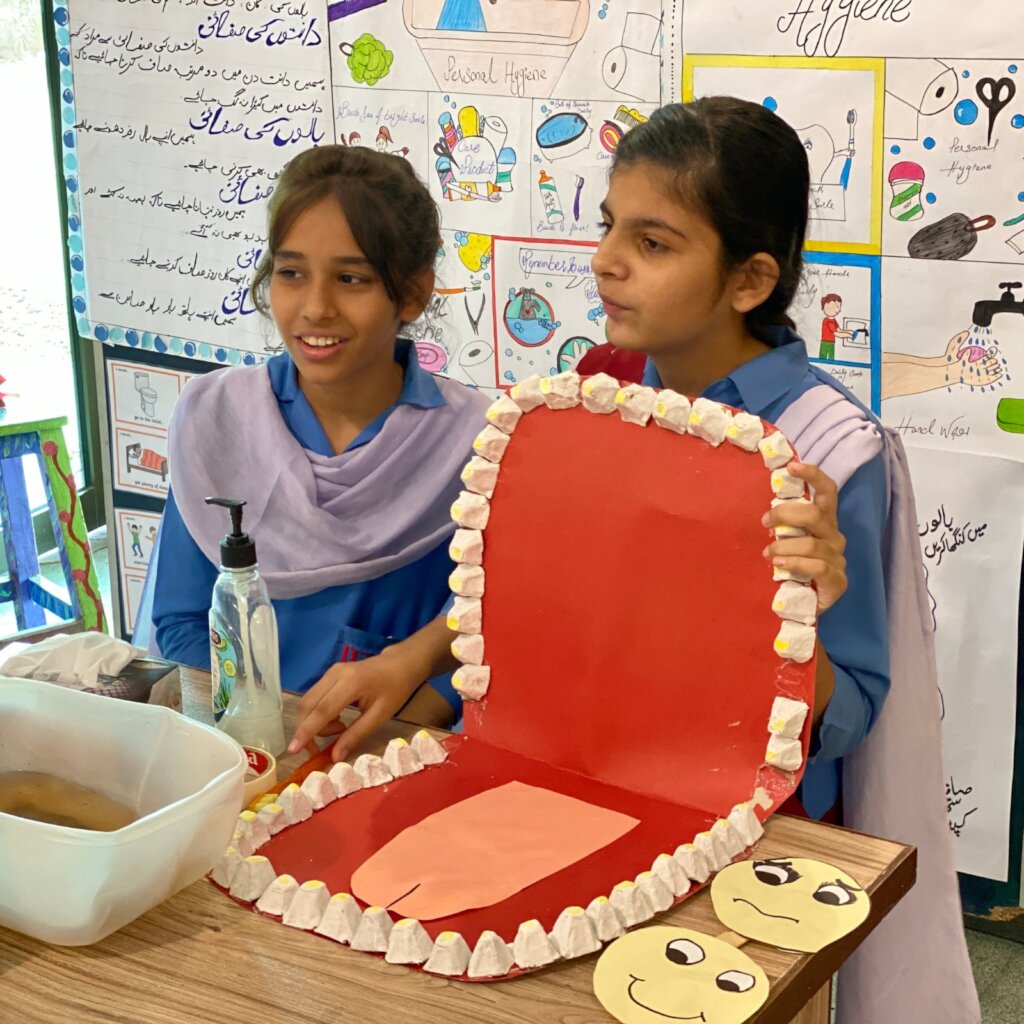
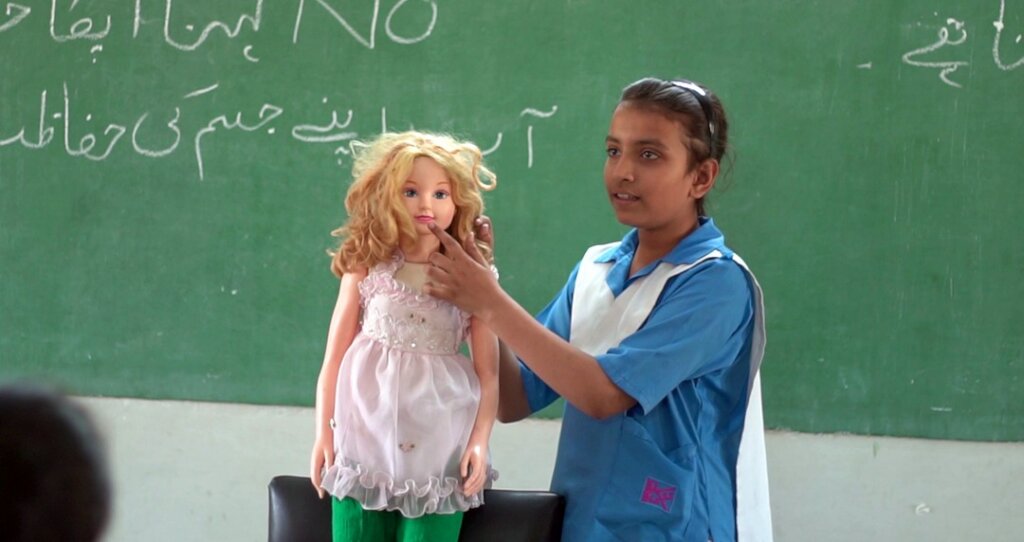
  • Grade 1 learned to correctly name body parts and understand basic personal hygiene, from handwashing to the importance of keeping themselves clean, building habits that protect their health from an early age.
  • Grades 2–4 turned their attention to emotions, learning to name what they feel and to recognize the physical signs that come with different feelings. They practiced simple strategies for calming down and regulating strong emotions, skills that will serve them well beyond the classroom.
  • Grade 5 were introduced to the physical changes that come with puberty and the hygiene practices that go along with them, delivered in a way that normalized these changes rather than treating them as something to be embarrassed by.
  • Grade 6 learned about menstruation as a normal biological process and worked to unpack common myths and stigmas that often surround the topic, aiming to replace silence with informed, confident conversation.
  • Grade 7 discussed what harassment looks like and the impact it can have, and, crucially, where and how to seek help, equipping them to recognize unsafe situations and to know they are not alone in navigating them.
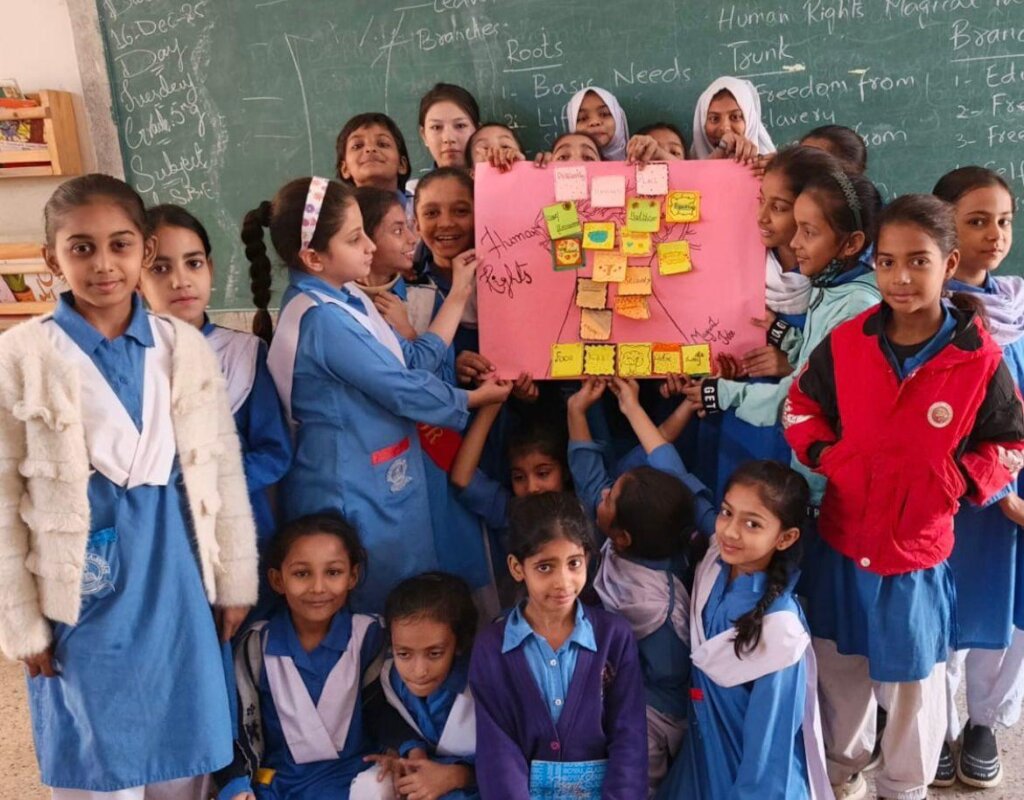
  • Grade 8 examined globalization and its far-reaching effects, connecting global issues such as poverty, climate change, and human rights to their own lives and communities, and considering the role young people can play in addressing them.

Teaching and Learning in Action

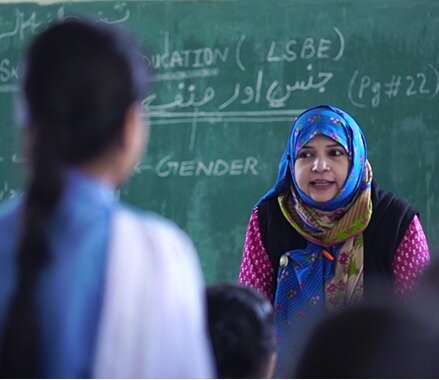
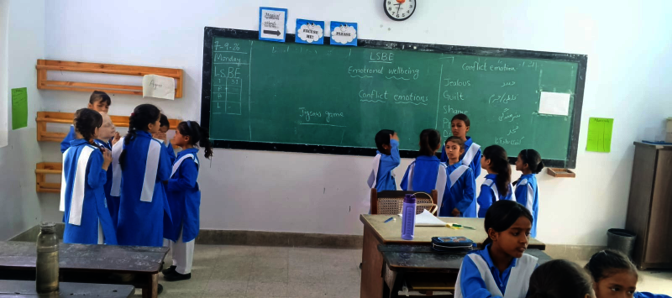
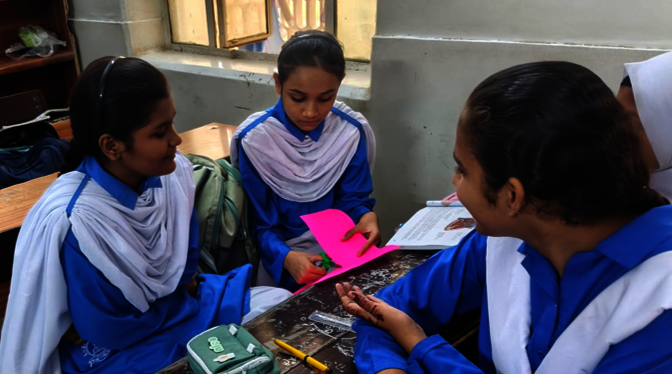
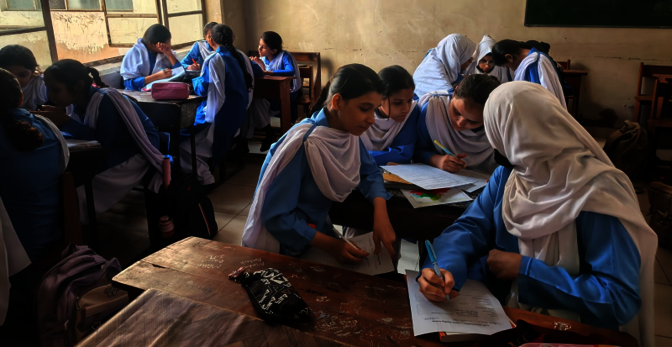
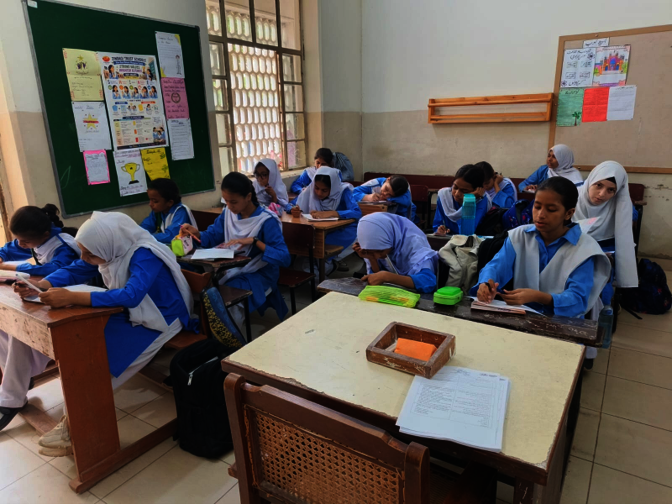
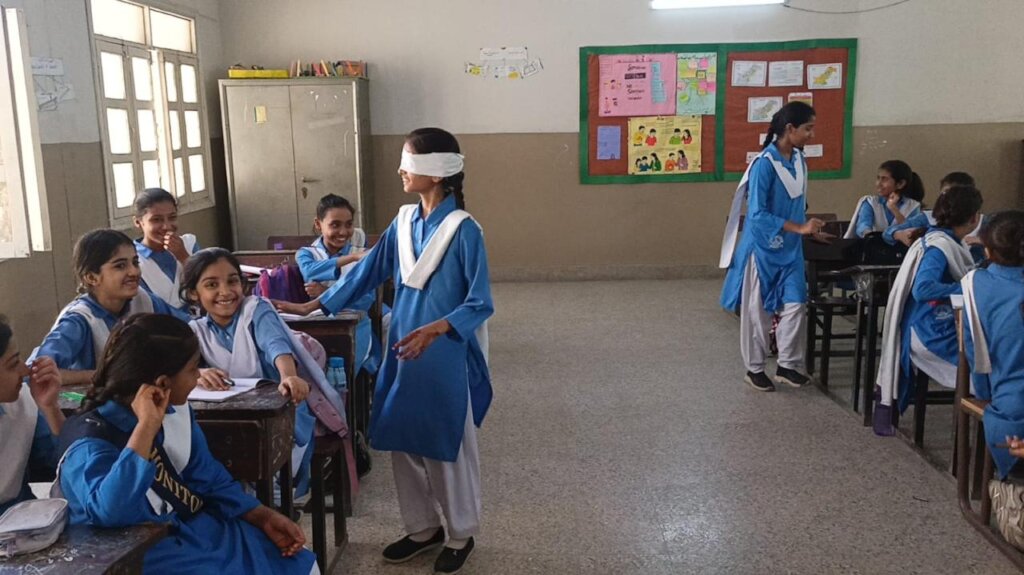
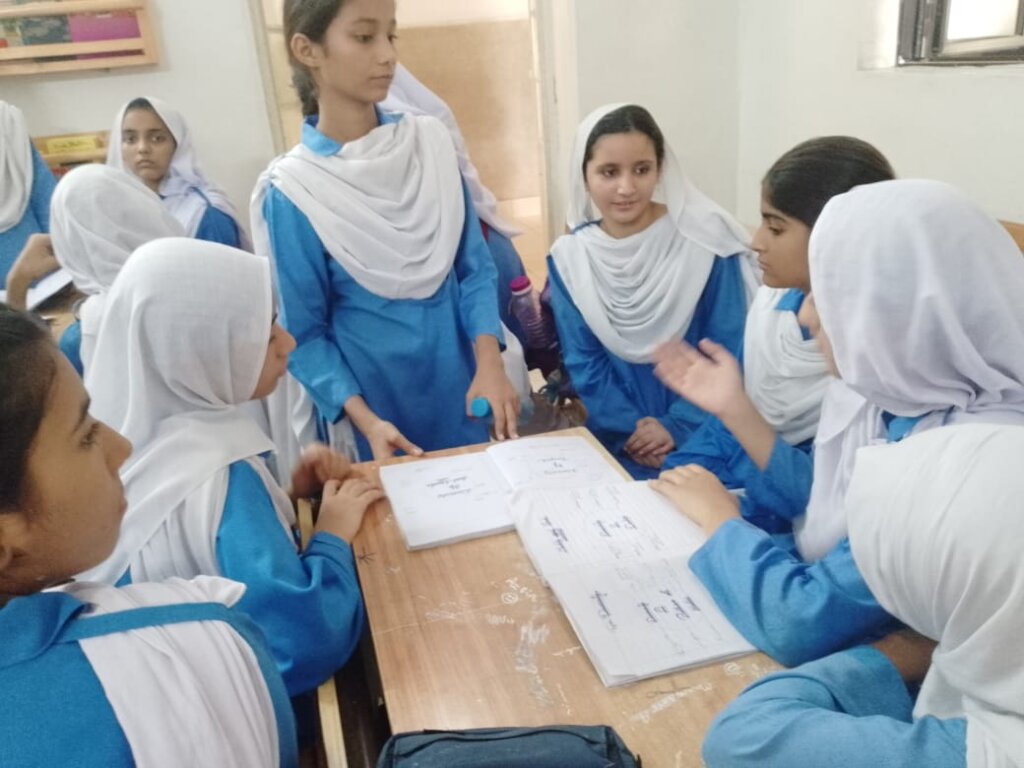
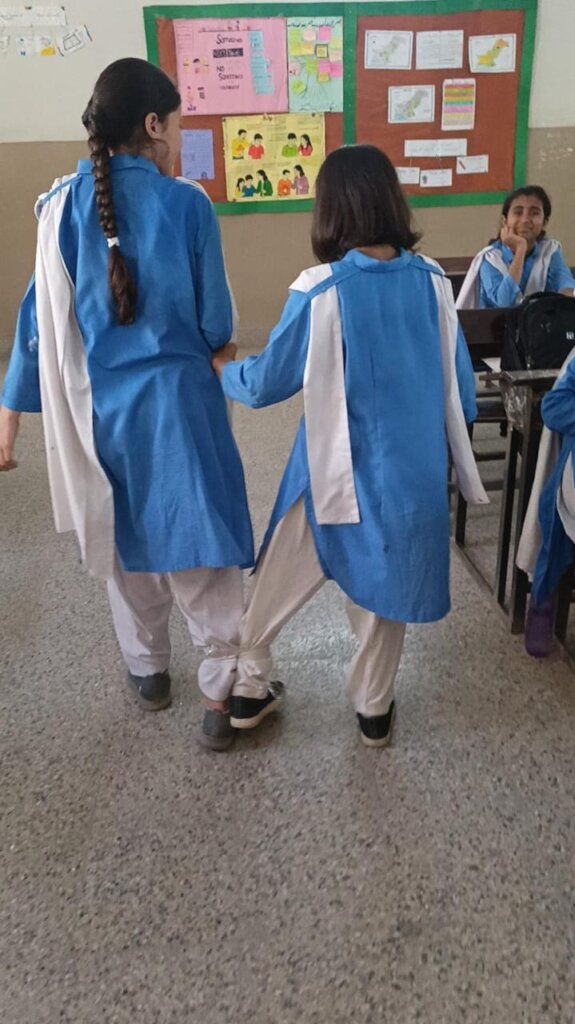
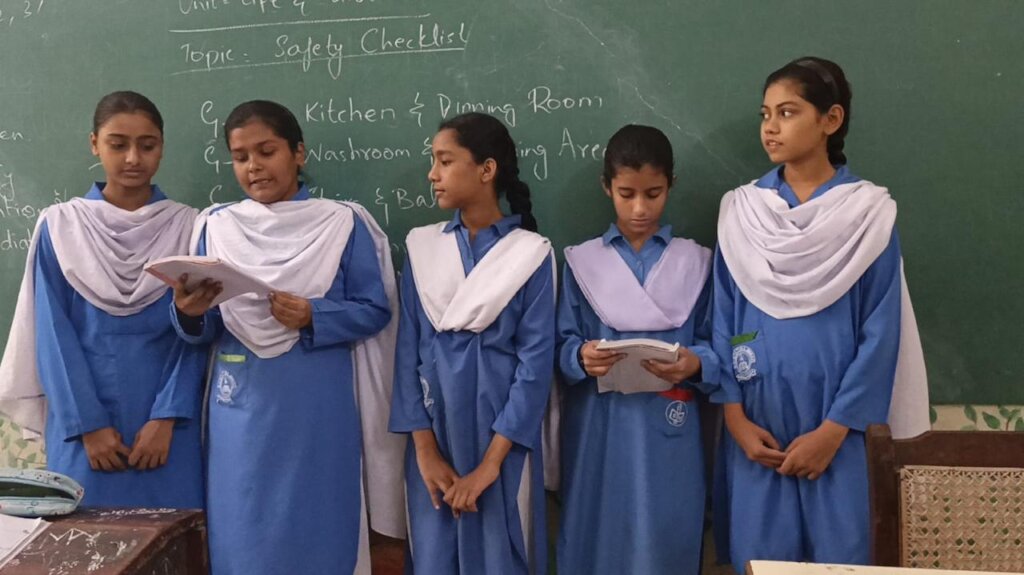
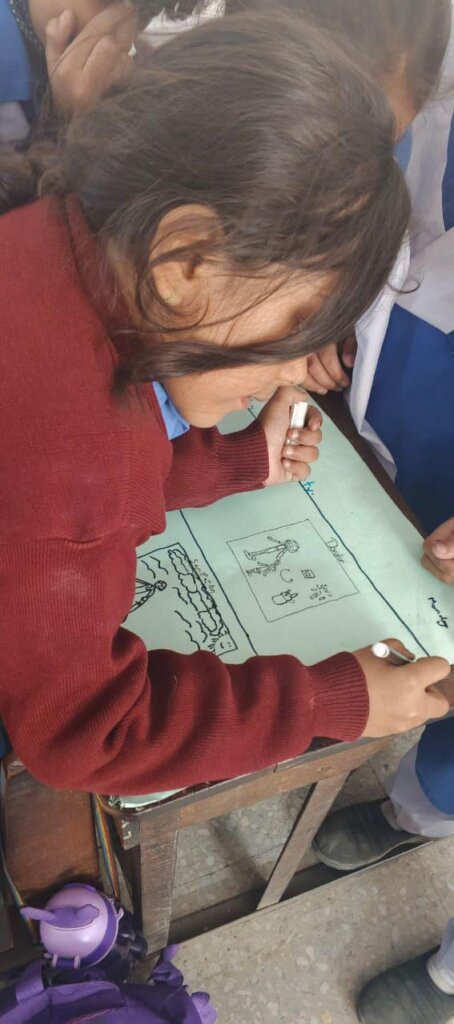
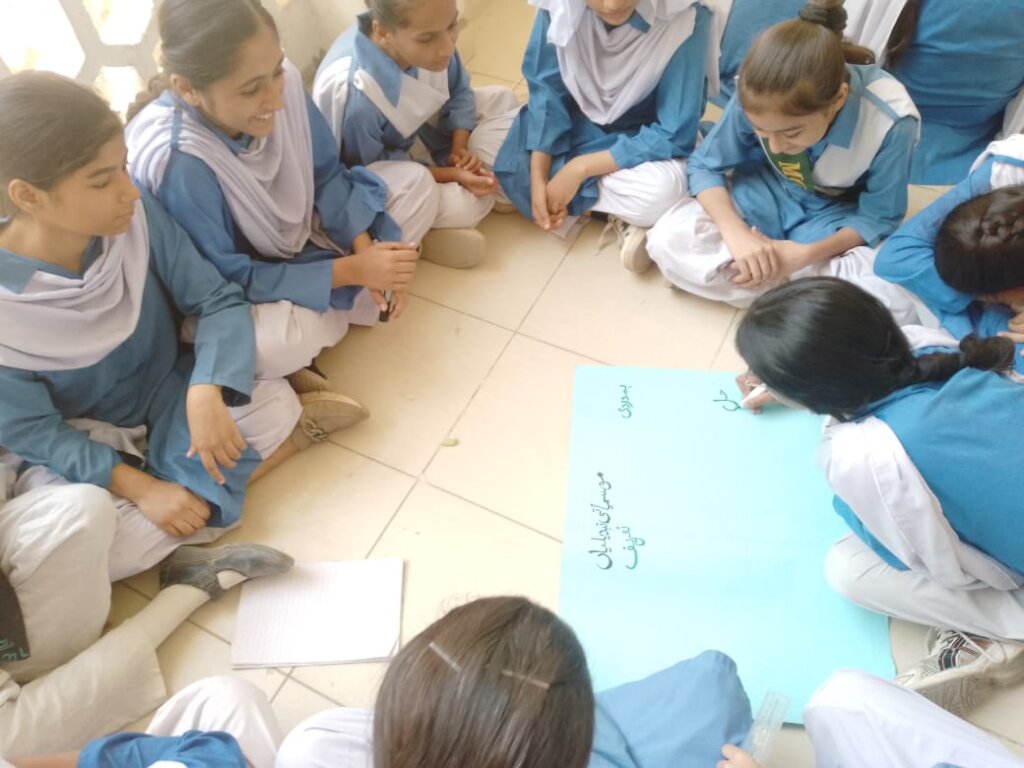
Teachers used hands-on, collaborative strategies, including Think-Pair-Share, interactive discussions, role-play, peer discussion, and Jigsaw, to make LSBE lessons engaging and relevant. Emotional well-being lessons gave students opportunities to share their feelings and consider different perspectives. The Value-Based Management System was reinforced through empathy-focused discussions, with regular reminders for students to practice empathy in everyday interactions.

Student engagement was especially strong during lessons on hygiene, SMART goals, and globalization. Students shared their views on hygiene, Grade 7 responded positively to setting realistic SMART goals, and Grade 8 offered thoughtful reflections on the effects of globalization.


Challenges Faced and Our Responses

Challenge 1:Challenges with written expressions

Our Response: Some students struggle to put their thoughts into writing, which can make it harder for them to show what they've actually understood. To work around this, teachers rely more on oral discussion, visual prompts, peer interaction and activity-based tasks, giving students other ways to demonstrate their understanding that don't depend on writing ability.

Challenge 2:Grade 1 Reading and Writing Readiness

Our Response:Grade 1 students are still developing their phonics awareness, which makes it harder for them to read and write words on their own. To support this, teachers are incorporating more oral, visual and hands-on activities, while continuing to reinforce foundational literacy skills alongside the LSBE content.

Challenge 3:Adjusting to LSBE

Our Response:Since this was the start of the academic year, Grade 1 students needed extra time to understand what LSBE was and how it worked. Teachers eased this adjustment through familiar routines, open discussion and engaging activities designed to build comfort and encourage participation.

 Challenge 4:Higher Student Strength in Classes

Our Response:A higher student strength in some classes can make it harder for everyone to actively take part in group activities. To address this, teachers are using structured pair and group strategies, creating more focused opportunities for each student to contribute.


Looking Ahead

In the coming months, the LSBE team will keep building on activity-based and discussion-led teaching, along with a few dialogue sessions in secondary grades, while adjusting tasks to suit students at different grade levels. A key focus will be creating safe classroom spaces where students feel comfortable talking about real-life issues, reflecting on their own experiences, and applying what they learn beyond the classroom.

Share on Twitter Share on Facebook

Jun 4, 2026
Learning That Lives Beyond the Classroom

By Hamza Khan | Program Officer

Feb 4, 2026
Building Awareness, Confidence, and Life Skills

By Hamza Khan | Program Officer

About Project Reports

Project reports on GlobalGiving are posted directly to globalgiving.org by Project Leaders as they are completed, generally every 3-4 months. To protect the integrity of these documents, GlobalGiving does not alter them; therefore you may find some language or formatting issues.

If you donate to this project or have donated to this project, you can receive an email when this project posts a report. You can also subscribe for reports without donating.


Sign up for updates

Organization Information

Zindagi Trust

Location: Karachi, Sindh - Pakistan
Website:
Facebook: Facebook Page
X / Twitter: Profile
Project Leader:
Namir Roziani
Karachi , Sindh Pakistan
$5,493 raised of $25,000 goal
 
42 donations
$19,507 to go
Donate Now
lock
Donating through GlobalGiving is safe, secure, and easy with many payment options to choose from. View other ways to donate

Zindagi Trust has earned this recognition on GlobalGiving:

Help raise money!

Support this important cause by creating a personalized fundraising page.

Start a Fundraiser

Learn more about GlobalGiving

Teenage Science Students
Vetting +
Due Diligence

Snorkeler
Our
Impact

Woman Holding a Gift Card
Give
Gift Cards

Young Girl with a Bicycle
GlobalGiving
Guarantee

Get incredible stories, promotions, and matching offers in your inbox

WARNING: Javascript is currently disabled or is not available in your browser. GlobalGiving makes extensive use of Javascript and will not function properly with Javascript disabled. Please enable Javascript and refresh this page.