By Francis Osisiogu | Founder
Introduction
Elite Star Foundation's "Life Skills for 7,000 Children in Niger State" initiative aims to address the twin challenges of youth unemployment and food insecurity in Niger State, Nigeria. With a targeted approach to empowering vulnerable youth aged 15-26, the project provides free, hands-on training in food-related fields such as agriculture, food processing, and culinary arts. This initiative plays a critical role in fostering economic stability and promoting food security, key factors in uplifting the communities of Niger State.
Program Overview
The project’s objective is to offer life-changing opportunities to 7,000 youths in Niger State. By providing free skills training in areas related to food production, we aim to equip participants with practical skills that will enable them to secure livelihoods, whether through entrepreneurship or employment. The program offers a holistic approach to solving youth unemployment and food insecurity, two major issues impacting the region.
Challenge
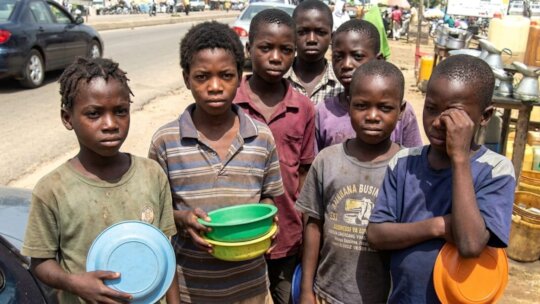
Niger State is grappling with high levels of youth unemployment, contributing to widespread poverty, food insecurity, and social instability. With limited access to practical skills training, many young people are left without sustainable employment options, which perpetuates the cycle of poverty. The need for viable skills that align with the region’s agricultural base is critical, yet the available opportunities remain scarce. This gap significantly affects youth in Niger State, trapping them in conditions of vulnerability and limited economic opportunities.
Solution
In response to these challenges, the "Life Skills for 7,000 Children in Niger State" project is providing vulnerable youth with free training in food-related sectors. The training covers practical skills in farming, food processing, and culinary arts, which are essential for creating self-sustaining livelihoods. By gaining these skills, young people will have the opportunity to either start their own businesses or secure jobs within the food industry. This program not only addresses unemployment but also strengthens local food production, providing a sustainable solution to food scarcity.
Program Structure and Implementation
The project will be implemented through a series of training workshops and mentorship programs in the following areas:
Agriculture: Youth will learn crop cultivation, livestock farming, and sustainable farming practices to create income-generating opportunities.
Food Processing: Participants will be trained in food preservation techniques, value addition, and packaging, which will enhance local food production capacity.
Culinary Arts: Youth will acquire skills in food preparation, hospitality, and catering, enabling them to enter the thriving food service industry.
The training will be provided by industry professionals and experienced trainers. These sessions will also be accompanied by mentorship, ensuring that the skills learned can be translated into practical business or employment ventures.
Setbacks and Challenges
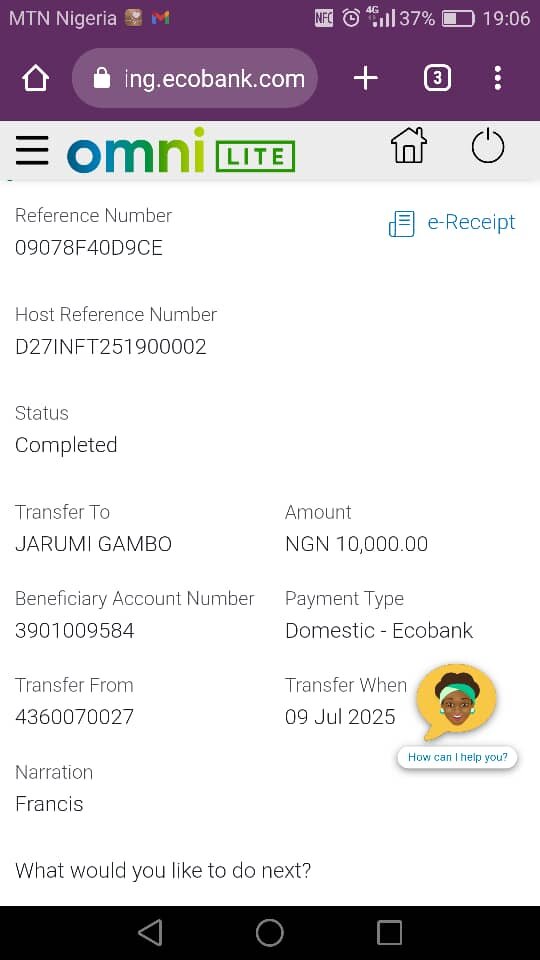
While the program has made strides in empowering youth, it has faced significant setbacks due to lack of funding. The total cost of training one youth in the program amounts to N10,000, which covers tuition, materials, and basic provisions. However, insufficient funding has limited the program’s ability to reach its goal of training 7,000 youths.
Despite this challenge, we remain grateful to Gambo, who has generously supported the initiative by collecting a minimal amount for the training fees, enabling the program to continue running with minimal disruption.
Achievements and Successes
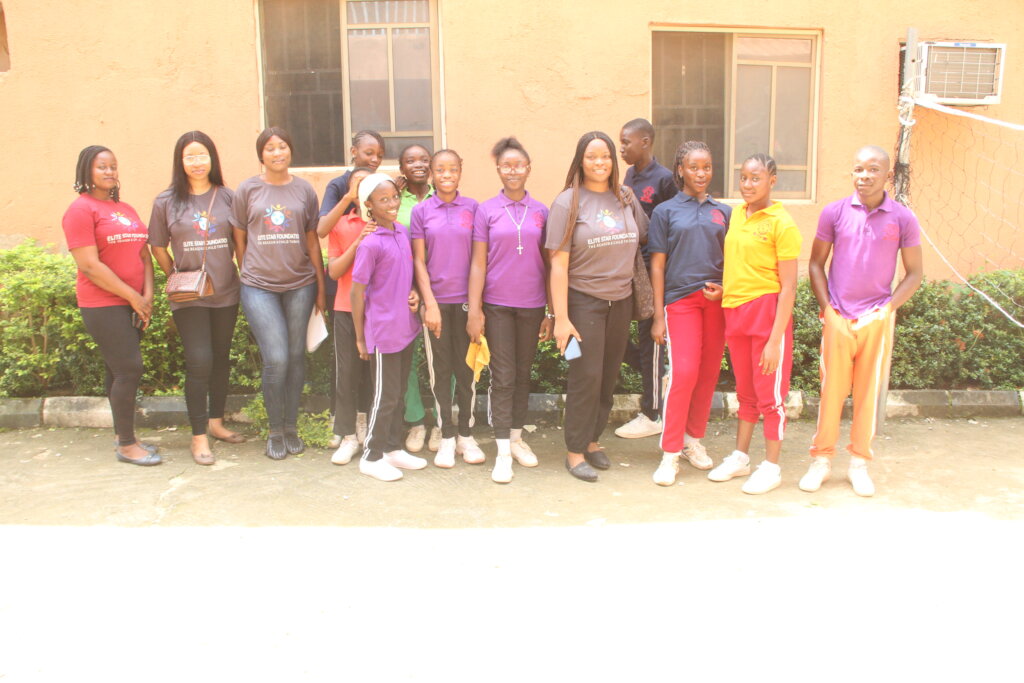
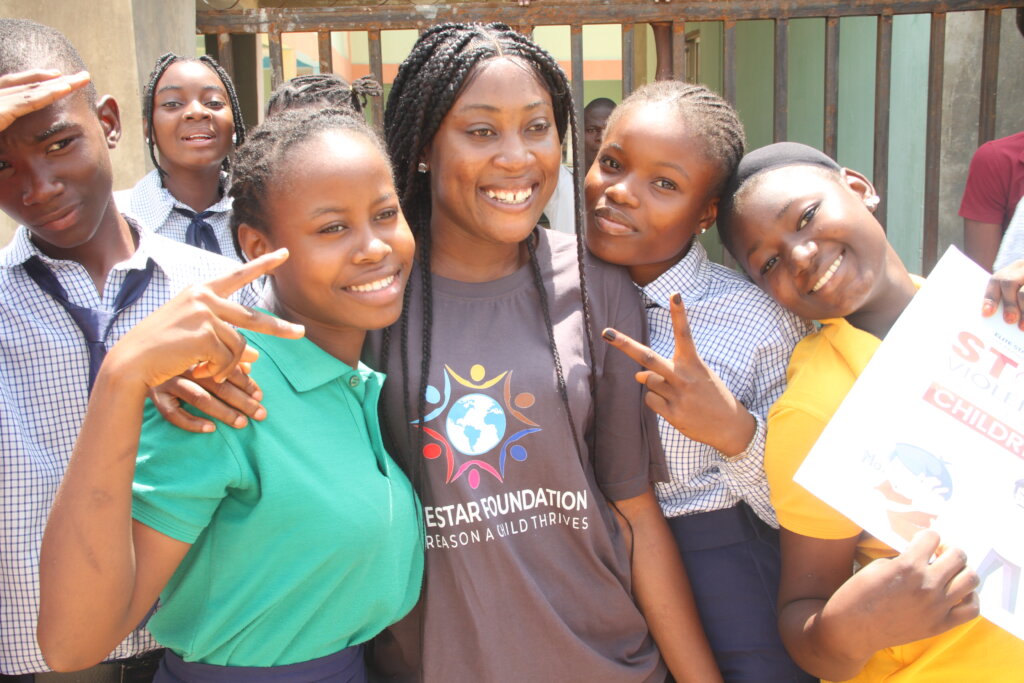
Despite financial constraints, the project has already made notable strides. We have successfully enrolled and trained several youths, many of whom have expressed their commitment to using the acquired skills to improve their livelihoods and contribute to their communities. This reflects the potential impact of the program in addressing both unemployment and food security when fully funded.
Funding and Financial Needs
The lack of adequate funding remains the biggest obstacle to scaling this project and reaching the target of 7,000 youths. To overcome this, additional financial support is urgently needed from government agencies, private sector partners, and philanthropic organizations. The project’s long-term sustainability is contingent upon securing the necessary funds to expand its reach and enhance the training resources available.
Long-Term Impact
Once fully funded, this program will not only equip 7,000 youth with practical life skills but also contribute to local economic growth by improving food production and reducing unemployment. The increased capacity for food production will lead to a decrease in food prices and an improvement in nutrition, benefiting the wider community. Moreover, by fostering entrepreneurship, the program will create a ripple effect of positive social and economic outcomes, breaking the cycle of poverty in Niger State and offering a scalable model for other regions of Nigeria.
Conclusion
The "Life Skills for 7,000 Children in Niger State" program is a beacon of hope for young people in Niger State. While the program faces funding challenges, it has shown immense potential for creating sustainable change through its focus on food-related skills. With additional funding, the program can realize its goal of empowering 7,000 youth, improving food security, and fostering economic stability in the region. Elite Star Foundation remains committed to its mission of transforming lives, and with the support of generous partners, this project can continue to uplift vulnerable children and provide them with the tools to succeed.
Call for Support
Elite Star Foundation calls on stakeholders, including government agencies, corporate bodies, and philanthropists, to invest in the future of Niger State’s youth. Your support will make a lasting impact on the lives of 7,000 young people and their communities, paving the way for a more prosperous and secure future for all.
Project reports on GlobalGiving are posted directly to globalgiving.org by Project Leaders as they are completed, generally every 3-4 months. To protect the integrity of these documents, GlobalGiving does not alter them; therefore you may find some language or formatting issues.
If you donate to this project or have donated to this project, you can receive an email when this project posts a report. You can also subscribe for reports without donating.