By Noemi Zulauf | Project Assistant
The World Health Organization (WHO) Global status report on alcohol and health 2018 predicts that global alcohol consumption will continue to increase in the future.
African regions suffer the most from alcohol-related diseases and injuries caused by violent behaviour and accidents. The abstinence rate in Chad has fallen by 10% in the last 6 years, which means that more people drink in Chadian society. These changes in cultural norms are a negative trend and hinder a positive development of the country.
Among women in Chad, heavy episodic drinking has increased from 2 to 14.3%. The consumption of alcohol by women leads to more vulnerability: they become victims of violence and abuse.
The WHO report outlines another change in Chad: At the political level, the legal alcohol age has fallen from 18 to 16 years. This shows that Chad is very vulnerable to the influence of global pressure from the alcohol industry.
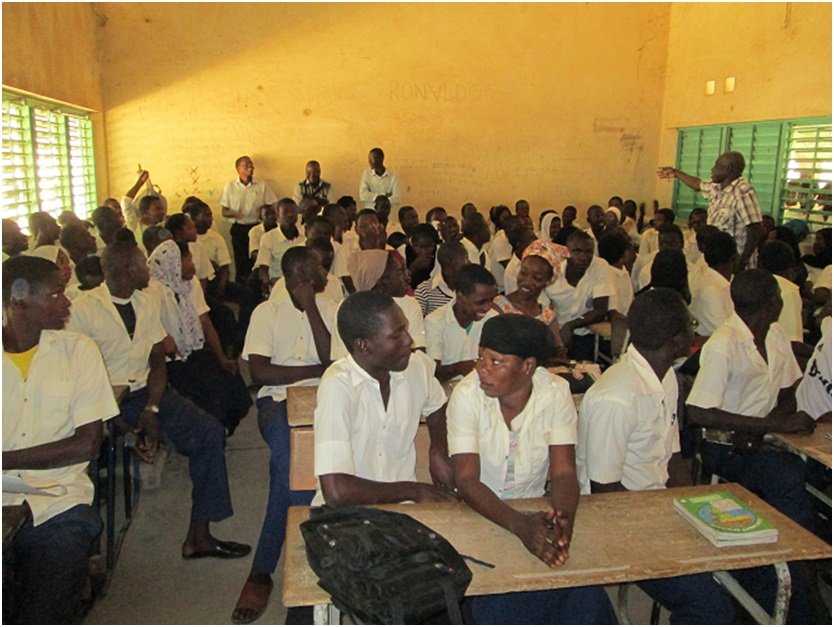
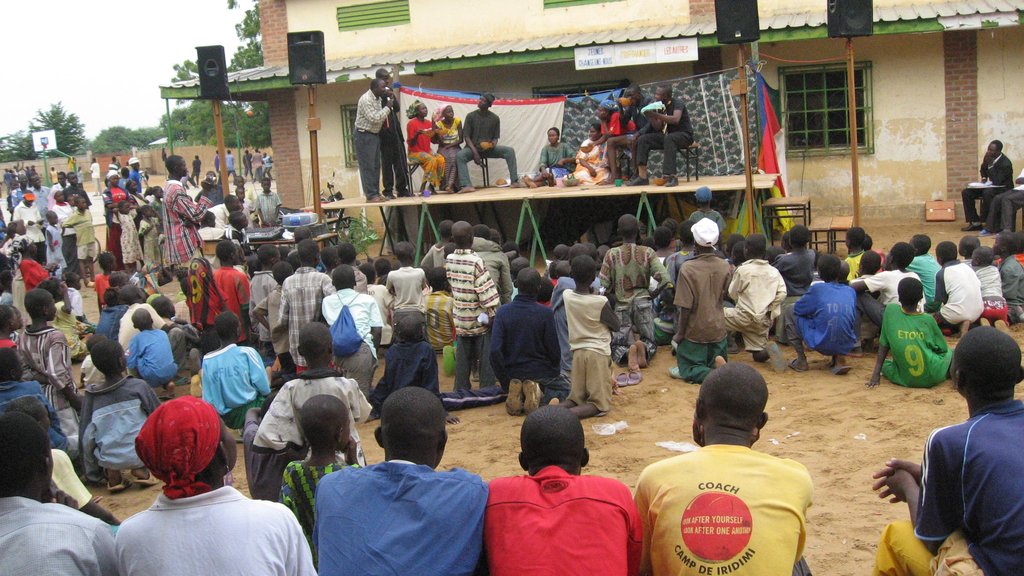
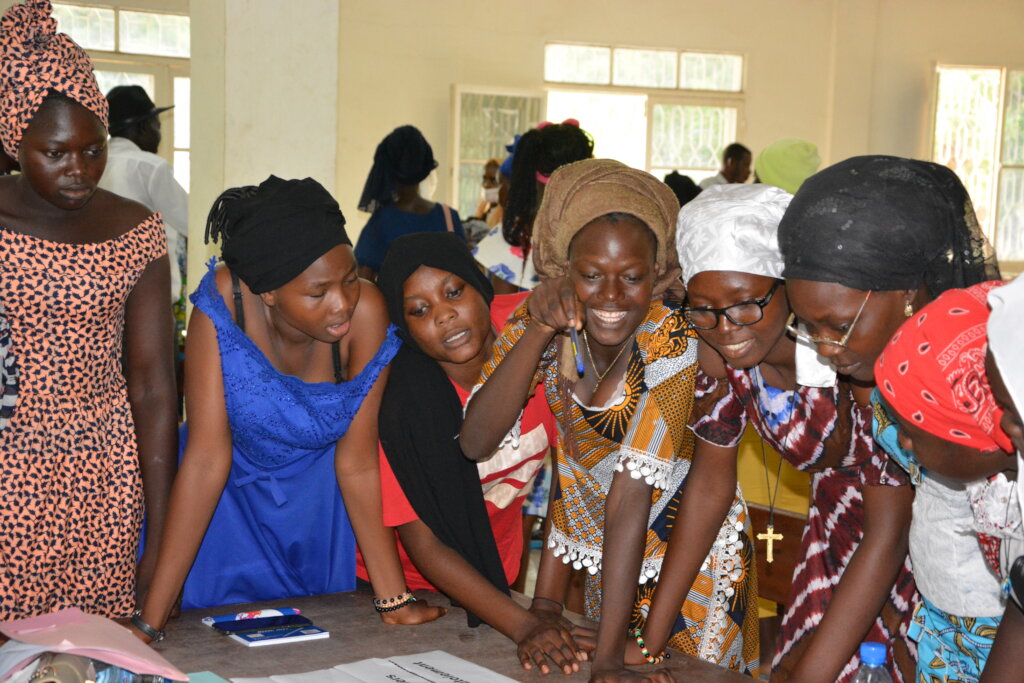
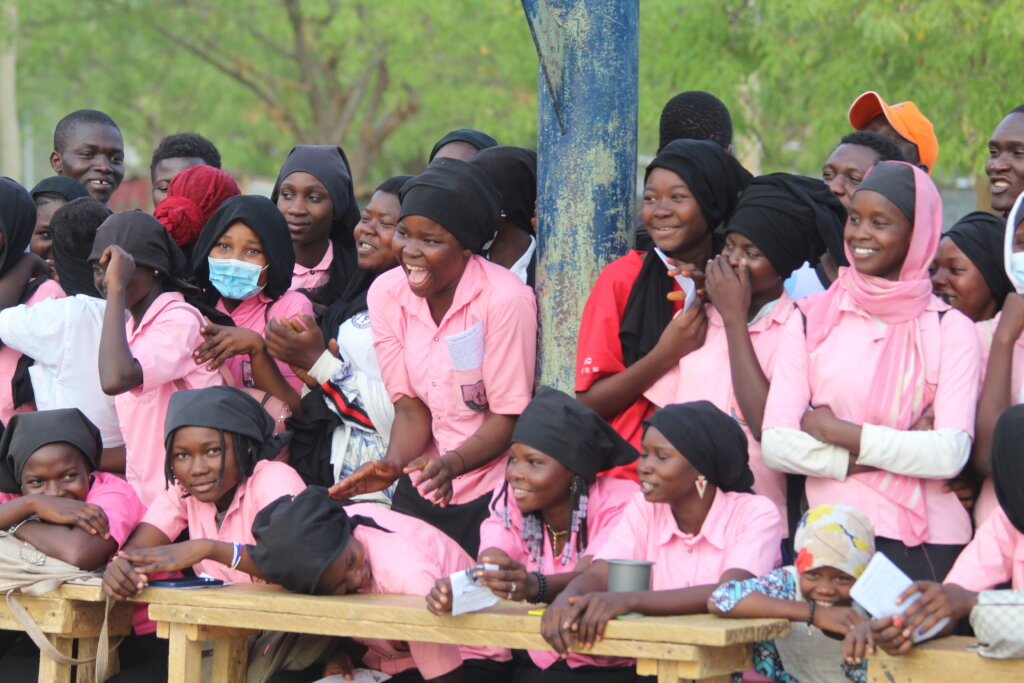
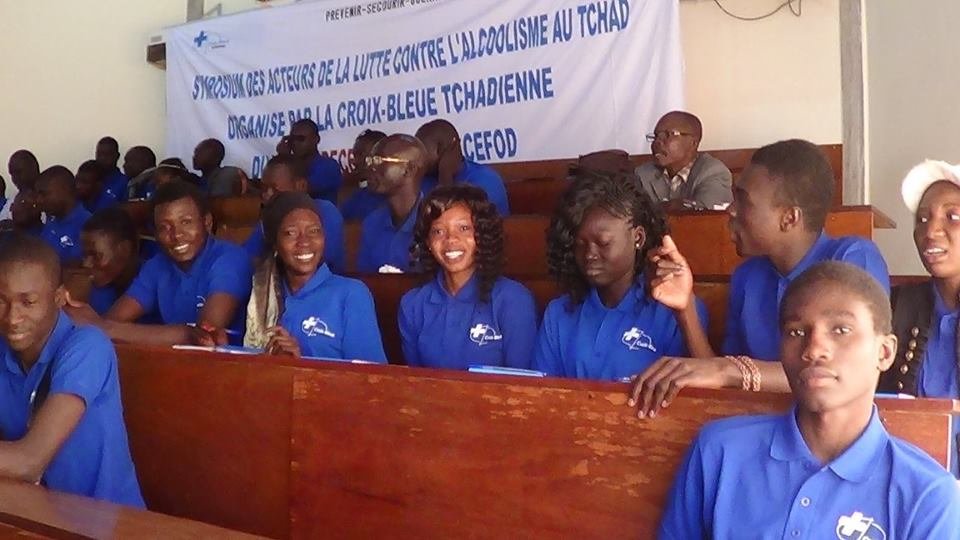
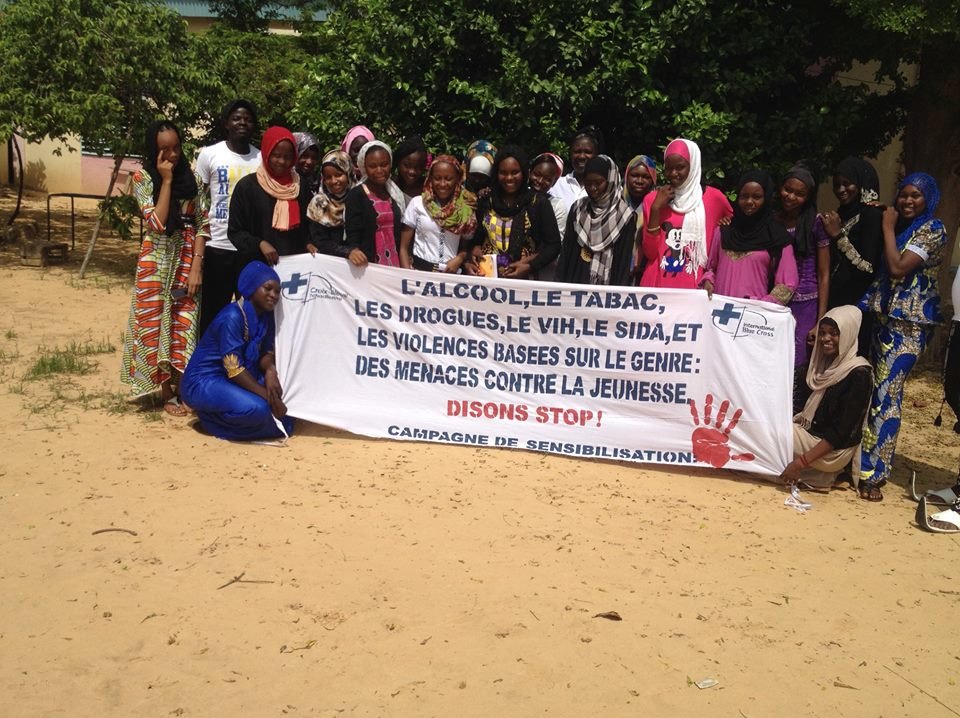
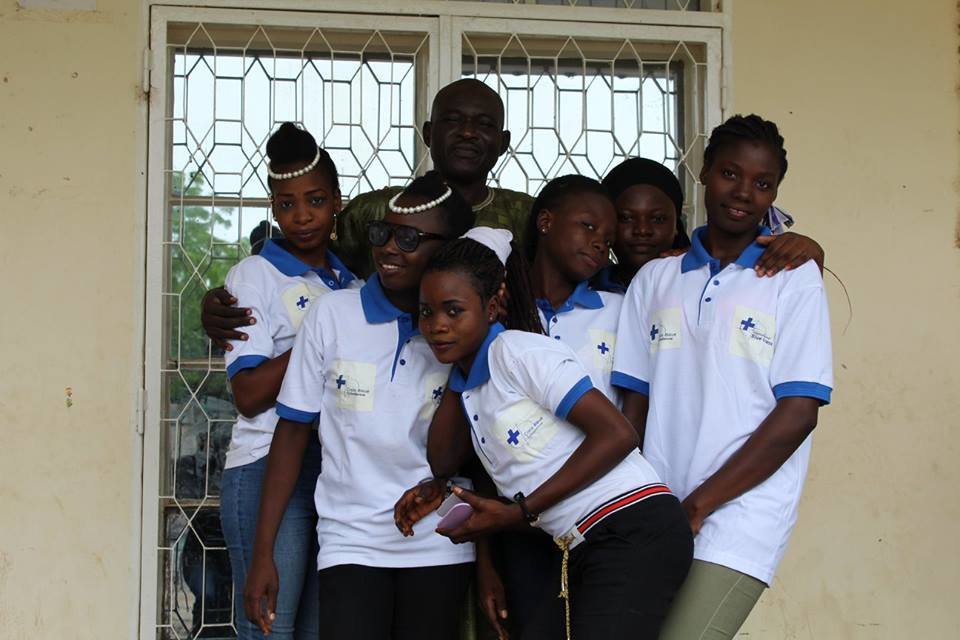
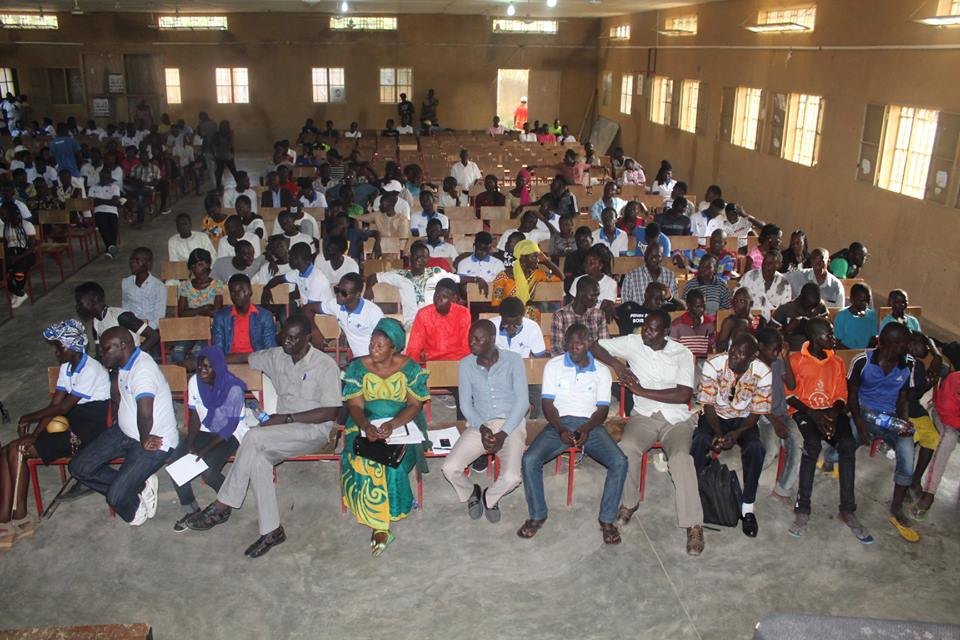
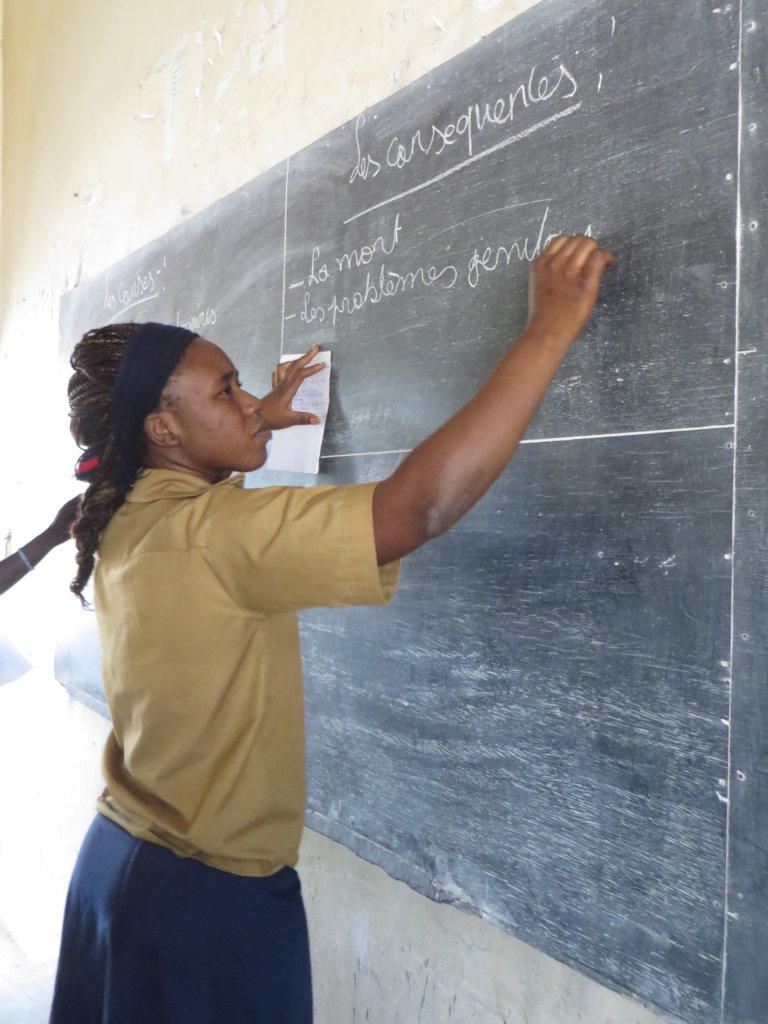
These developments in the WHO report underline the importance of the project "Life Skills and Peer Education for Chadian Youth".
Your contribution will educate young people about the consequences of alcohol, especially gender-based violence. Your donation helps to ensure that particularly sensitive sections of society have the opportunity to spend their leisure time in a meaningful way. Thank you very much!
The WHO report can be found at (Chad, p. 150): http://www.who.int/substance_abuse/publications/global_alcohol_report/en/
By Anne Babb | General Secretary of International Blue Cross
By Anne Babb | General Secretary
Project reports on GlobalGiving are posted directly to globalgiving.org by Project Leaders as they are completed, generally every 3-4 months. To protect the integrity of these documents, GlobalGiving does not alter them; therefore you may find some language or formatting issues.
If you donate to this project or have donated to this project, you can receive an email when this project posts a report. You can also subscribe for reports without donating.



Support this important cause by creating a personalized fundraising page.
Start a Fundraiser