By Richard Montgomery | Executive Director
Dear supporters,
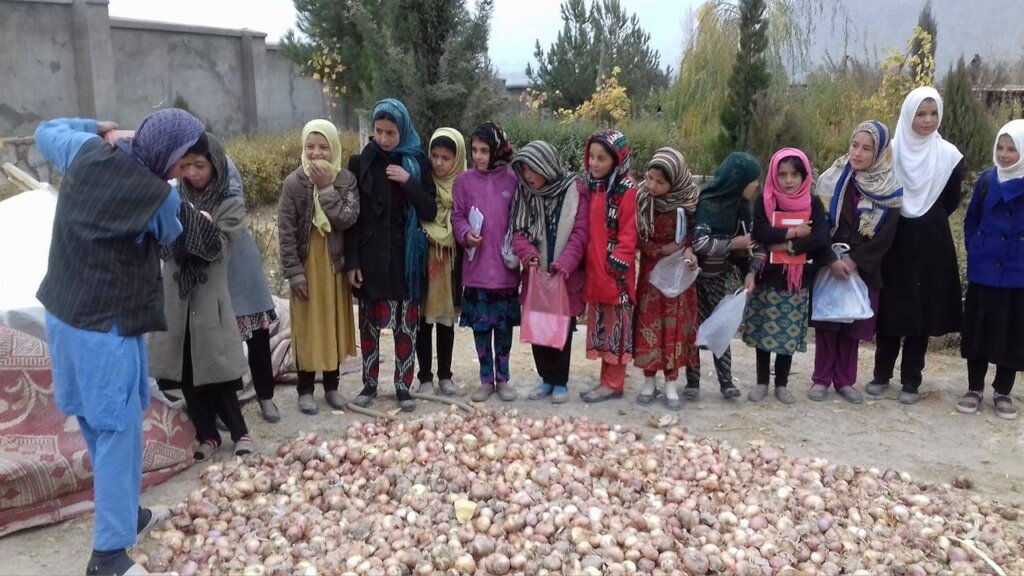
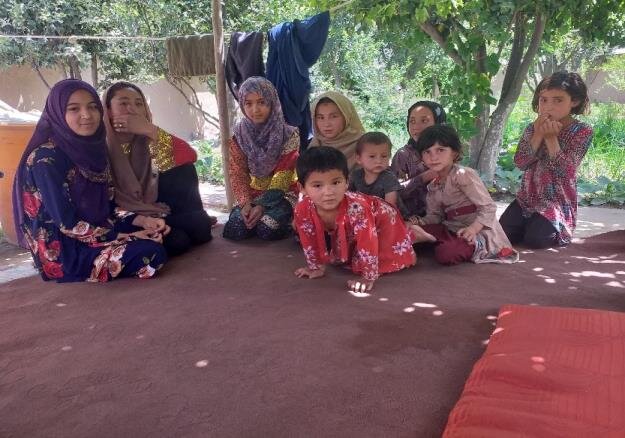
In many parts of Afghanistan, girls are still being told that they cannot continue with school beyond sixth grade. For families in remote villages, this has created uncertainty and fear for the future of their daughters.
But inside small community classrooms across Northern Afghanistan, something different is happening.
Girls are learning again.
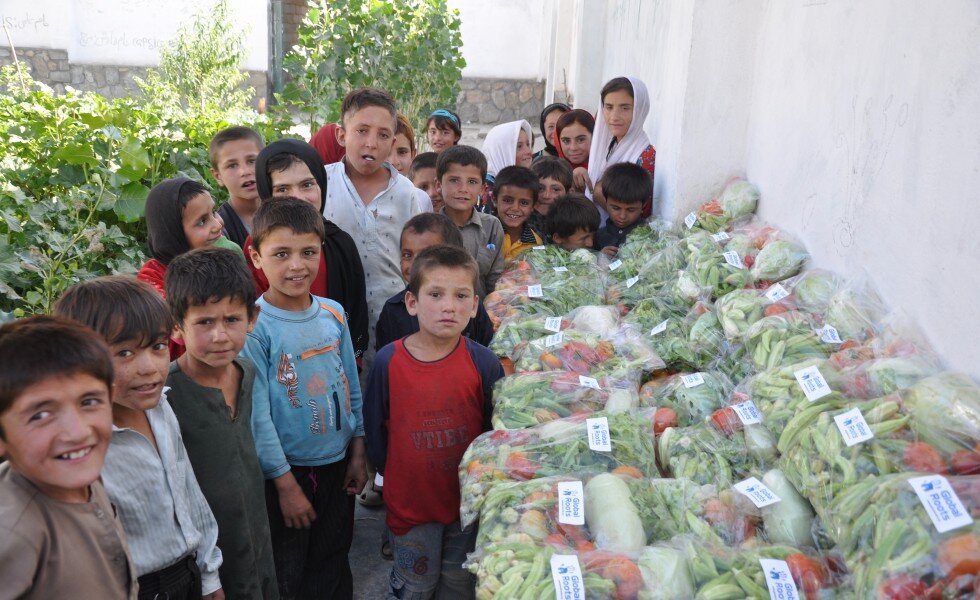
Over the past year, our learning centers continued operating in 32 villages in Northern. Girls are studying mathematics, English, science, Dari, and critical thinking. Alongside education for girls, we also give families support through home gardens, greenhouses, and beekeeping initiatives to help reduce some of the economic pressure they face every day.
This combination of education and livelihoods continues to shape our work because we have learned something important over time: girls are more likely to stay in school when their families are able to survive economically.
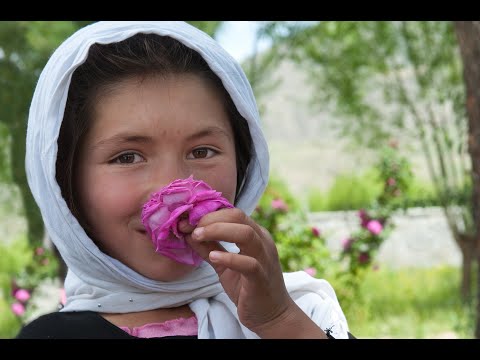
One of the girls in our program is Sima.
Since childhood, Sima dreamed of becoming a teacher. Her father, a farmer with a very limited income, strongly believed in education and wanted his daughter to study. But after girls were banned from continuing school, Sima’s dream began slipping away. Her family could not afford online learning, and she believed her education was over.
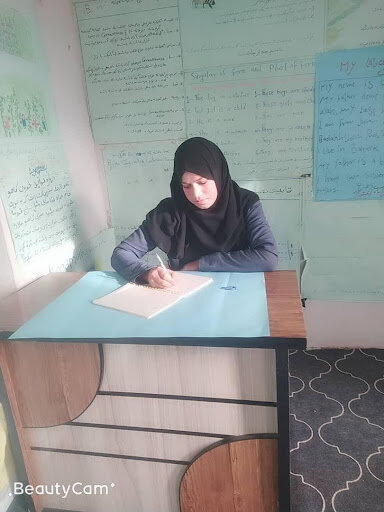
Everything changed when she heard about the Global Roots learning program in her community. Sima enrolled immediately.
Today, she is back in the classroom studying. Through the livelihoods portion of the program, she also learned home gardening and beekeeping skills that are helping her contribute to her family’s income.
“I started studying again, and my motivation and passion for life returned,” she told us.
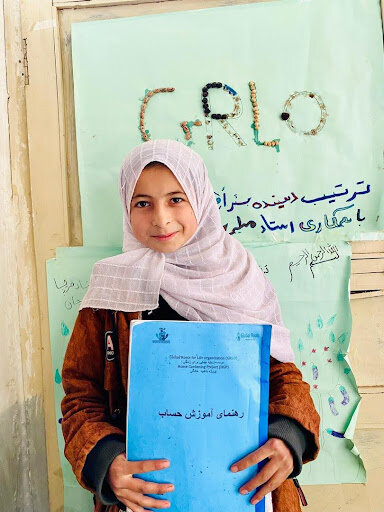
Another student, Latifa, lives in the village of Sar-e-Marza in Baharak District. Before joining the program, she had become extremely withdrawn after the closure of girls’ schools. She also dreamed of becoming a teacher but no longer believed that future was possible.
When she entered our classroom for the first time, she barely spoke. But over time, things began to change. She learned multiplication and division, and she began practicing English. At the same time, her family received greenhouse support, allowing them to grow vegetables that could be sold in the market.
One day, after selling tomatoes and cucumbers, her father handed her some of the earnings. With part of the money, Latifa bought a dress for her mother.
“My mother has suffered a lot,” she said. “I wanted to do this for her.”
Today, Latifa speaks confidently about her future. The shy girl who once believed her life had stopped now talks about continuing her studies and helping others around her.
In 2026, we hope to expand our program to reach more than 1,800 children and approximately 415 vulnerable families across Northern Afghanistan.
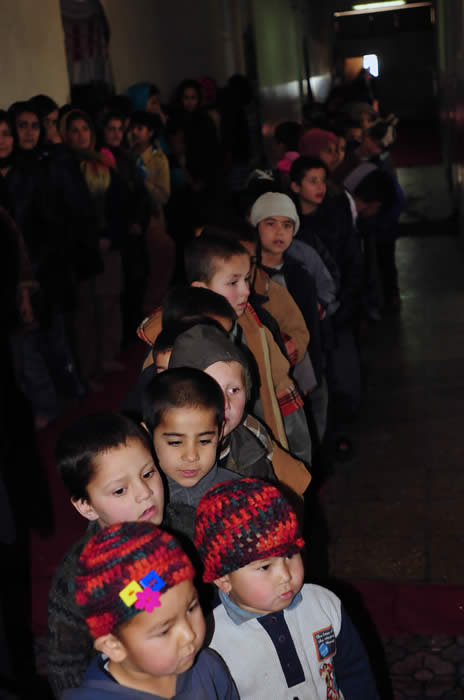
This growth comes during an incredibly difficult period for Afghan families. Poverty remains severe, and many households continue struggling with food insecurity, unemployment, and uncertainty. Yet despite these realities, parents continue bringing their daughters to class because they understand what education means for their future.
Every supporter who makes this work possible is helping protect something that many girls feared they had lost forever.
Thank you for continuing to stand with Afghan girls and their families.
With gratitude,
The Global Roots Team
Project reports on GlobalGiving are posted directly to globalgiving.org by Project Leaders as they are completed, generally every 3-4 months. To protect the integrity of these documents, GlobalGiving does not alter them; therefore you may find some language or formatting issues.
If you donate to this project or have donated to this project, you can receive an email when this project posts a report. You can also subscribe for reports without donating.



Support this important cause by creating a personalized fundraising page.
Start a Fundraiser