By Francisco Delgado | Executive Director
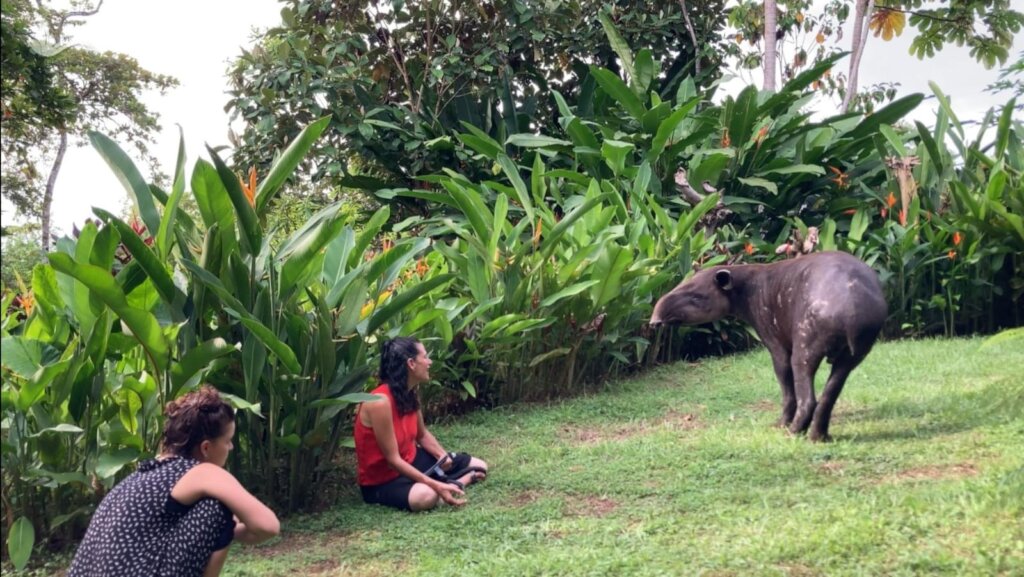
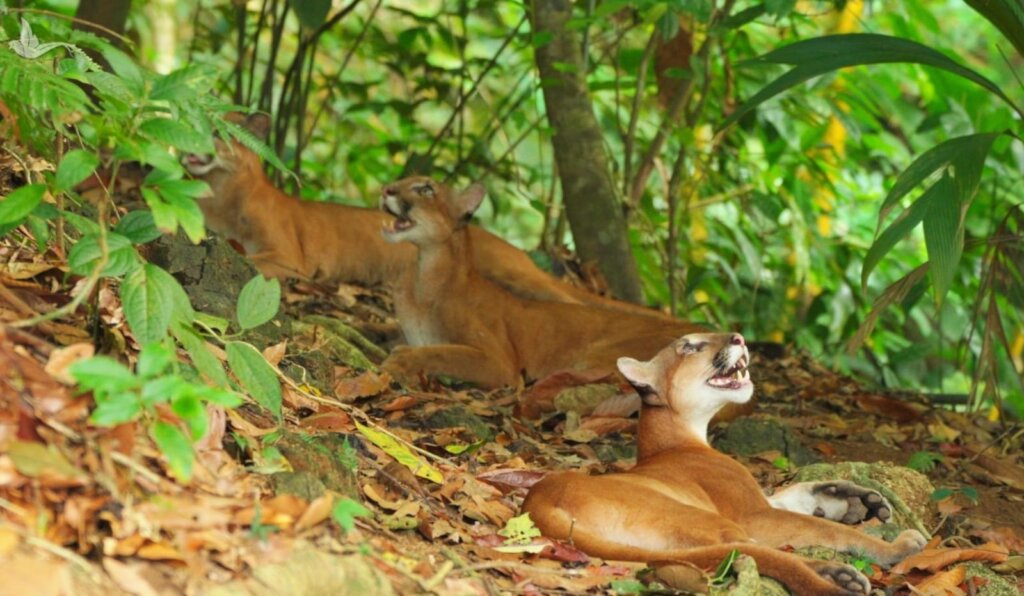
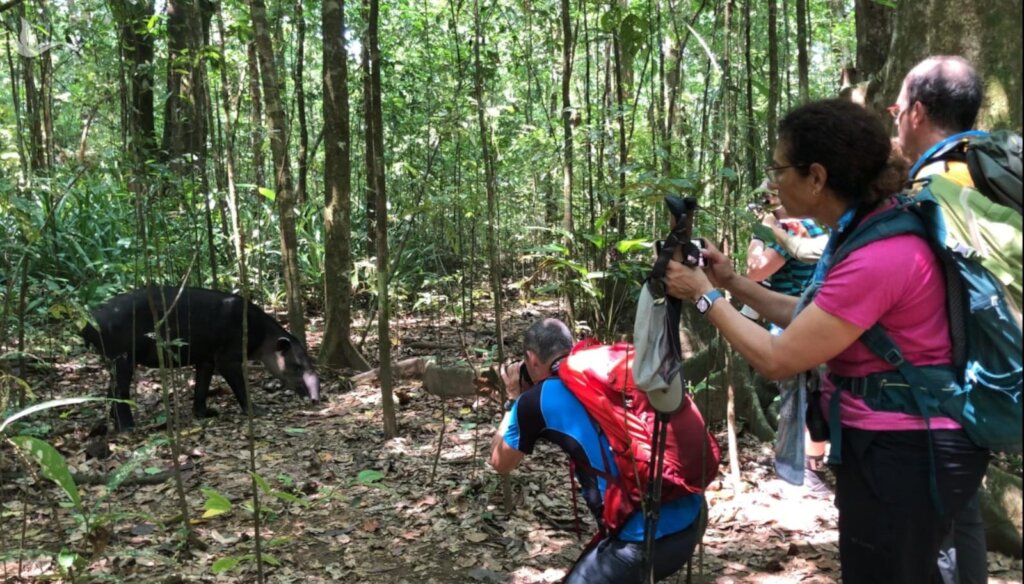
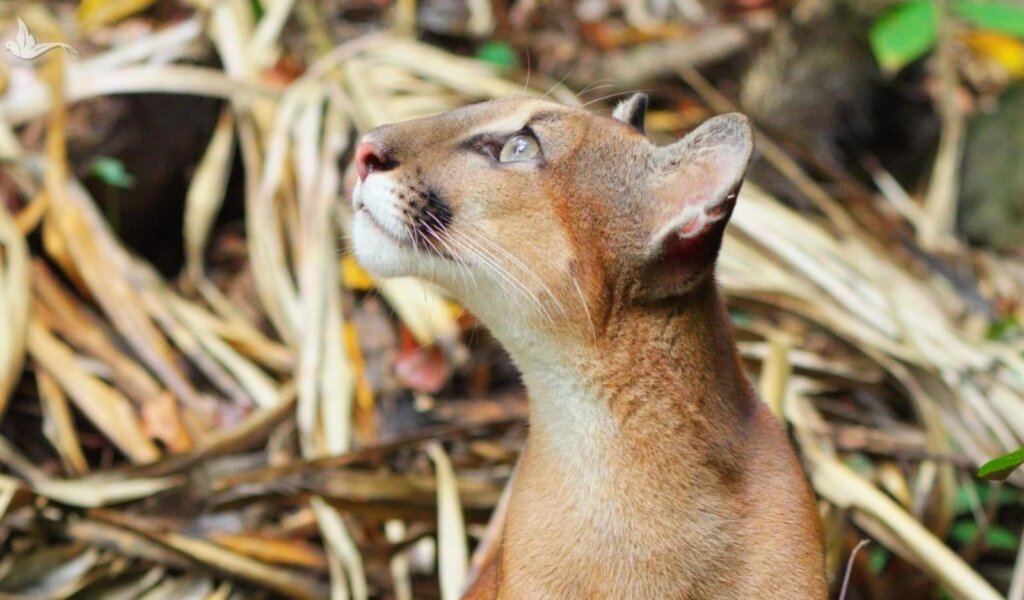
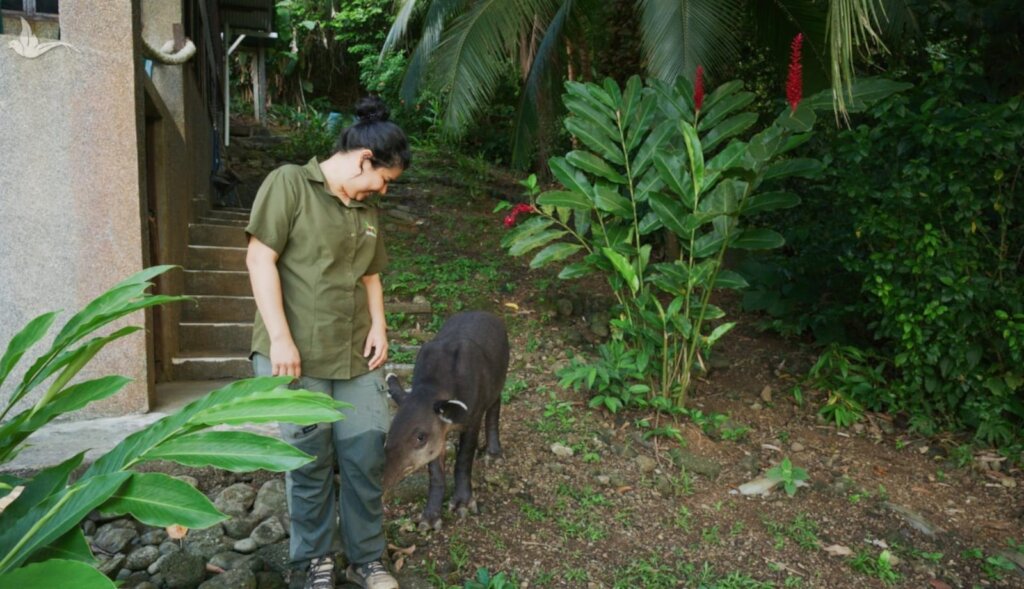
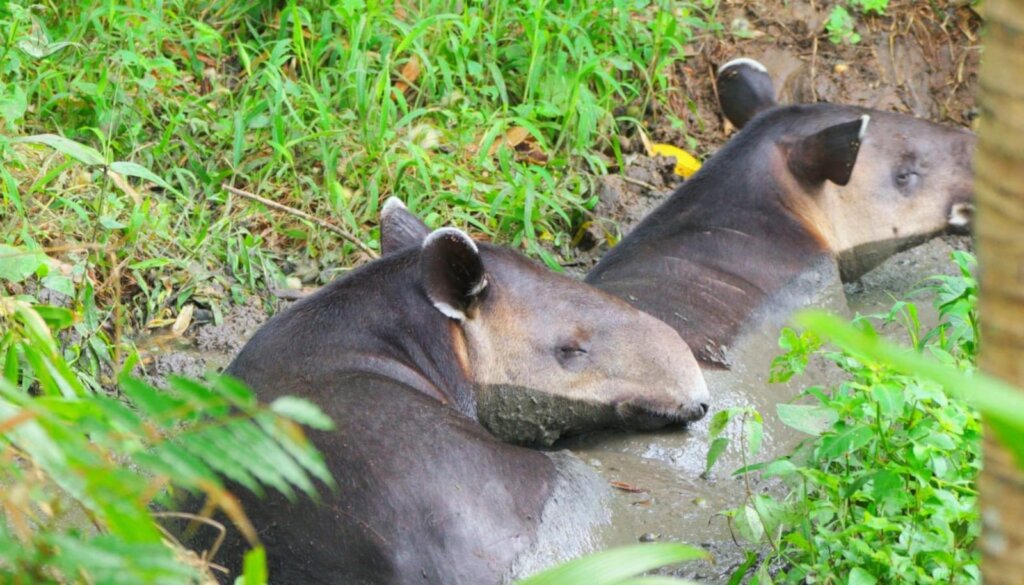
In the communities surrounding the forests of the Osa Peninsula, wildlife is never very far away. Children grow up in a landscape shared with tapirs, monkeys, wild cats, birds, and countless other species. Learning to understand this biodiversity from an early age is an important step toward building a future where people and wildlife can coexist.
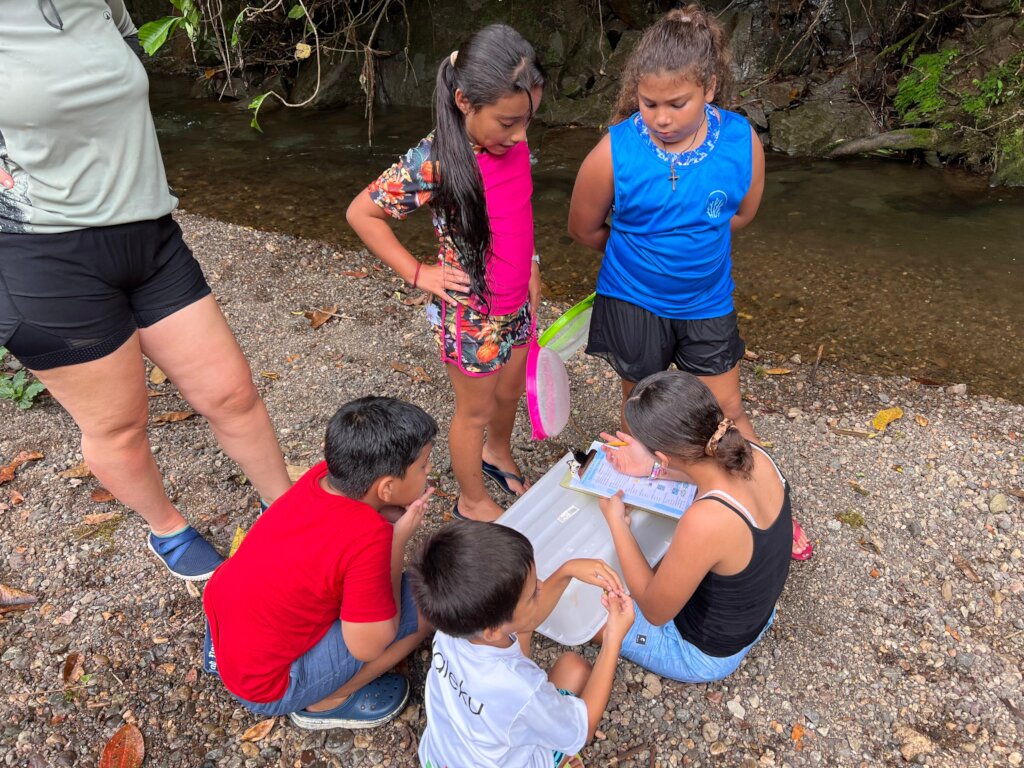
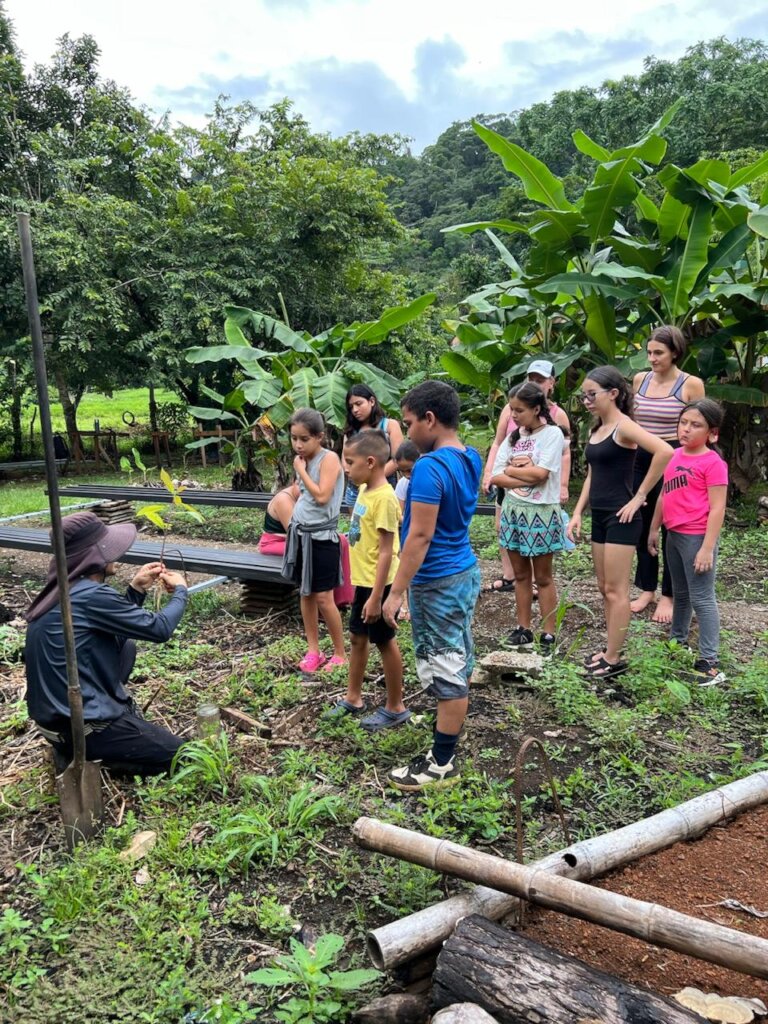
During May and June, our environmental education activities reached 235 children: 150 students from 11 schools and 85 participants from 4 community environmental groups. Through hands-on experiences, children had the opportunity to explore the ecosystems around them and better understand how every species plays a role in keeping these environments healthy.
One of these experiences took place along local rivers. Children searched among rocks and leaves for macroinvertebrates and learned how these tiny organisms can help us understand the health of freshwater ecosystems. What began as the excitement of finding a small creature quickly became a conversation about clean water, biodiversity, and how the health of one part of an ecosystem is connected to everything around it.
The children also built pollinator gardens and learned about the biodiversity found in their communities. An educational field trip to Caño Island gave participants another perspective on the extraordinary natural wealth of the Osa Peninsula, allowing them to experience the marine ecosystems that are also part of the landscape they call home.
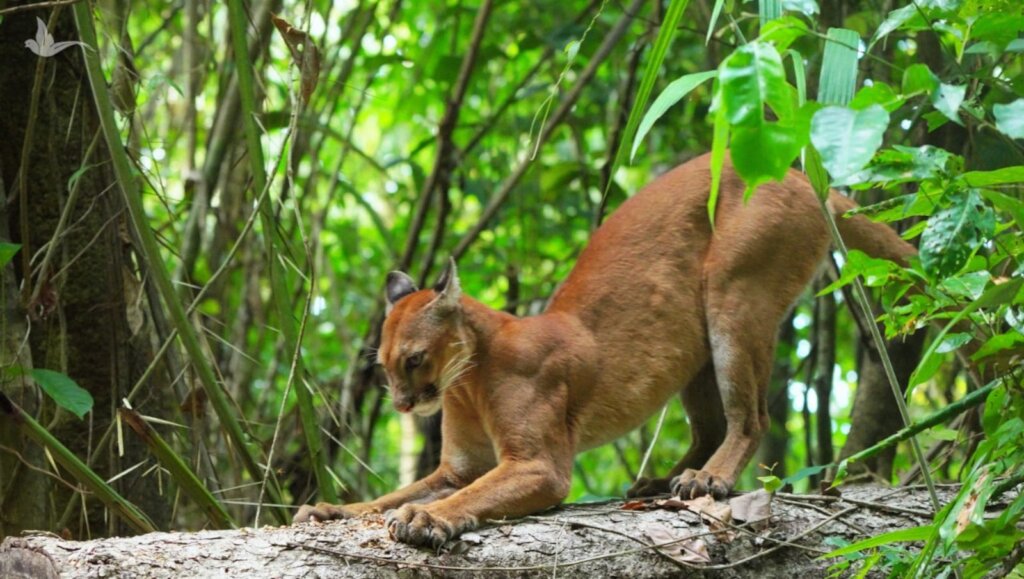
These experiences may seem very different from encountering a puma or a tapir, but they are part of the same process: helping children understand that wildlife is not something separate from their communities. Rivers, forests, pollinators, marine ecosystems, tapirs, and wild cats are all part of the interconnected environment in which they live.
At this stage, the donations received through this project have allowed us to move forward with its environmental education component. Other planned activities will require additional funding before they can be implemented. In the meantime, education gives us an important place to start: working with children and helping them develop the knowledge, curiosity, and respect for wildlife that are essential for long-term coexistence.
Every field trip, every question, and every new discovery helps build a different relationship between communities and the wildlife around them. By helping children understand the ecosystems they share with species such as pumas and tapirs, we are planting the seeds for a generation that sees Costa Rica's wildlife not only as something to admire, but as something worth protecting.
Thank you for helping us take these first steps. With continued support, we hope to expand beyond environmental education and implement the other components of the project, creating even more opportunities for communities and wildlife to thrive together.
Project reports on GlobalGiving are posted directly to globalgiving.org by Project Leaders as they are completed, generally every 3-4 months. To protect the integrity of these documents, GlobalGiving does not alter them; therefore you may find some language or formatting issues.
If you donate to this project or have donated to this project, you can receive an email when this project posts a report. You can also subscribe for reports without donating.



Support this important cause by creating a personalized fundraising page.
Start a Fundraiser