By Lark Rodman & Mary McCarthy | Project Development Officers
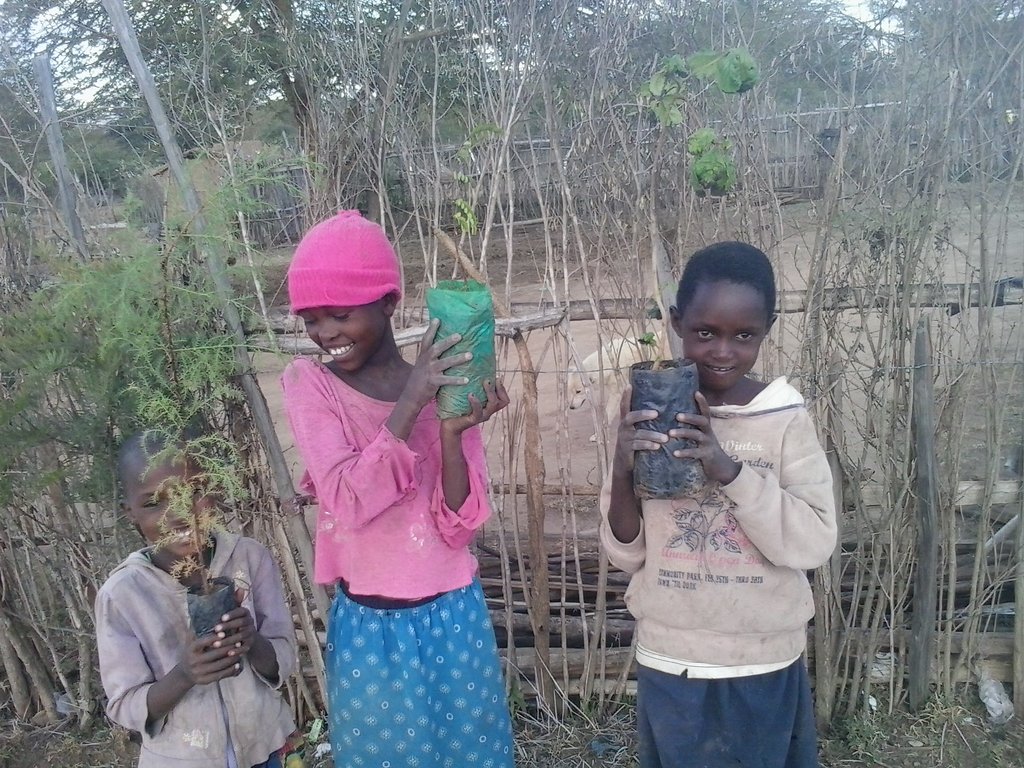
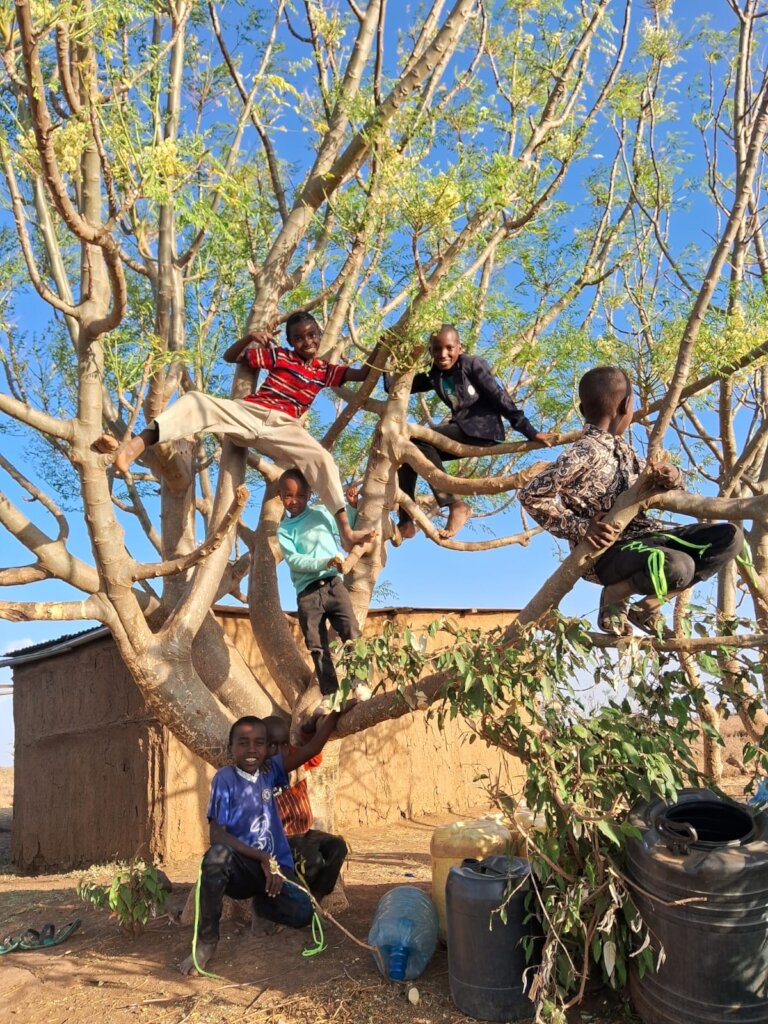
When the first Moringa stenopetala trees were planted at his home, four-year-old Shadrak and his two older brothers were each assigned by their family a seedling to care for. Now Shadrak is 12 years old and his Moringa tree towers over his family's house. Shadrak frequently harvests the nutritious leaves for cooking and, once a year, he collects the pods. His young tree currently produces 1–2 kg and in the future, when the tree is fully mature, it can yield 2,000 pods (roughly 6 kg of seeds).
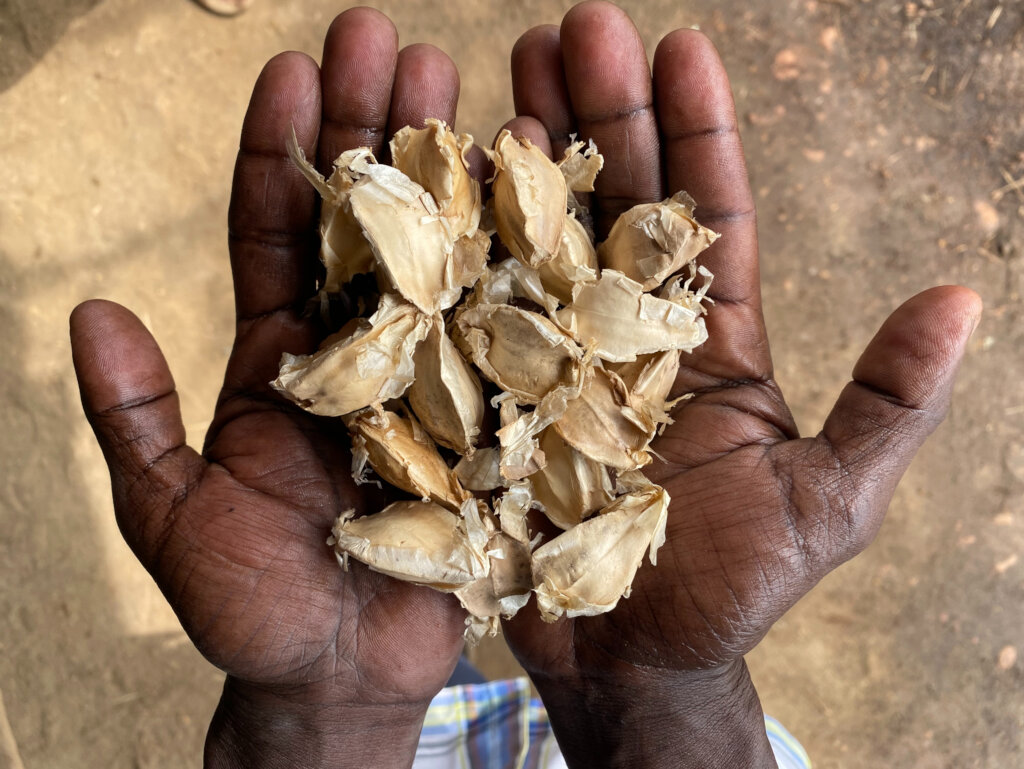
Shadrak and his brothers then remove the seeds from their pods, so that they can be germinated at the tree nursery at Sadhana Forest Kenya. Here, Joseph, the nursery manager, carefully extracts each seed from its spongy casing and soaks them overnight in warm water. This crucial step softens the outer layer and jumpstarts the seed's metabolism, breaking dormancy and significantly increasing its chances of germinating into a healthy tree.
The next day, Joseph prepares planting bags with a well-draining blend of topsoil, sand, and compost from Sadhana Forest. After draining the soaked seeds, he presses a shallow hole into each bag with his finger and nests them half an inch deep. This careful planting ensures the seeds are perfectly positioned to break through the loose soil. For about two weeks, all progress remains hidden underground while Joseph waters and tends to them daily. As the seeds transform into seedlings over the next two months, he keeps Naisherua, the Sadhana Forest Kenya planting manager, updated on their growth and readiness for transplanting.
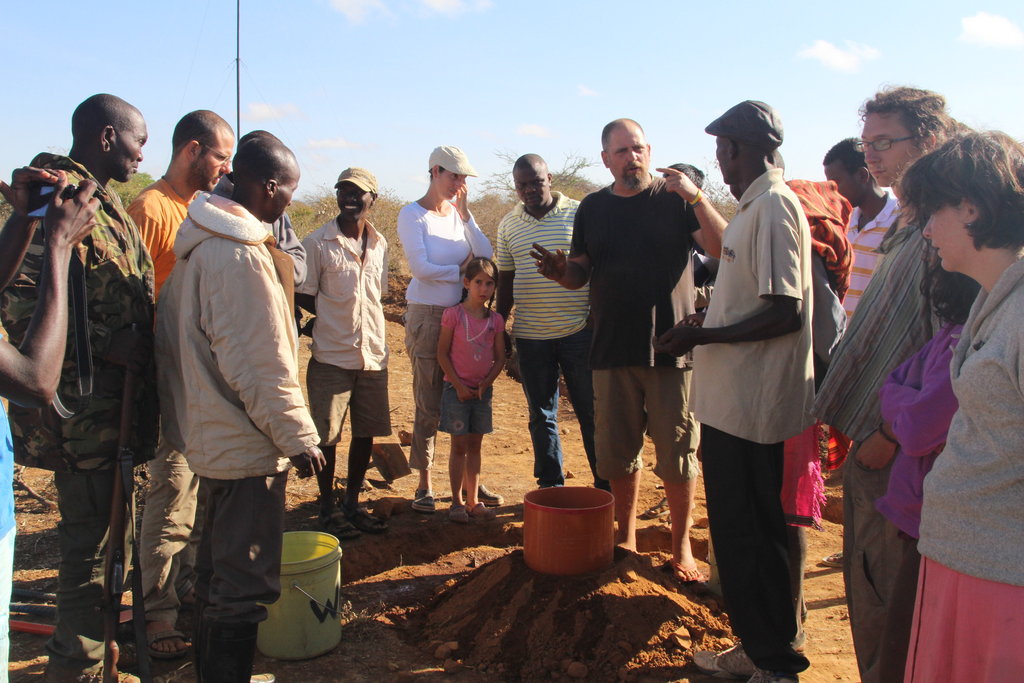
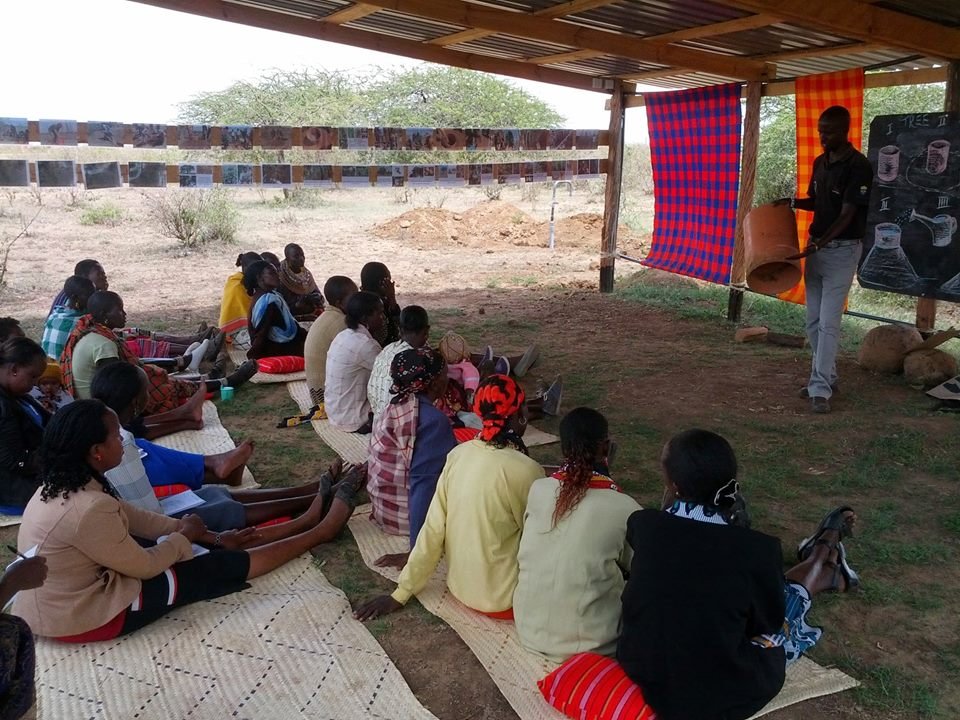
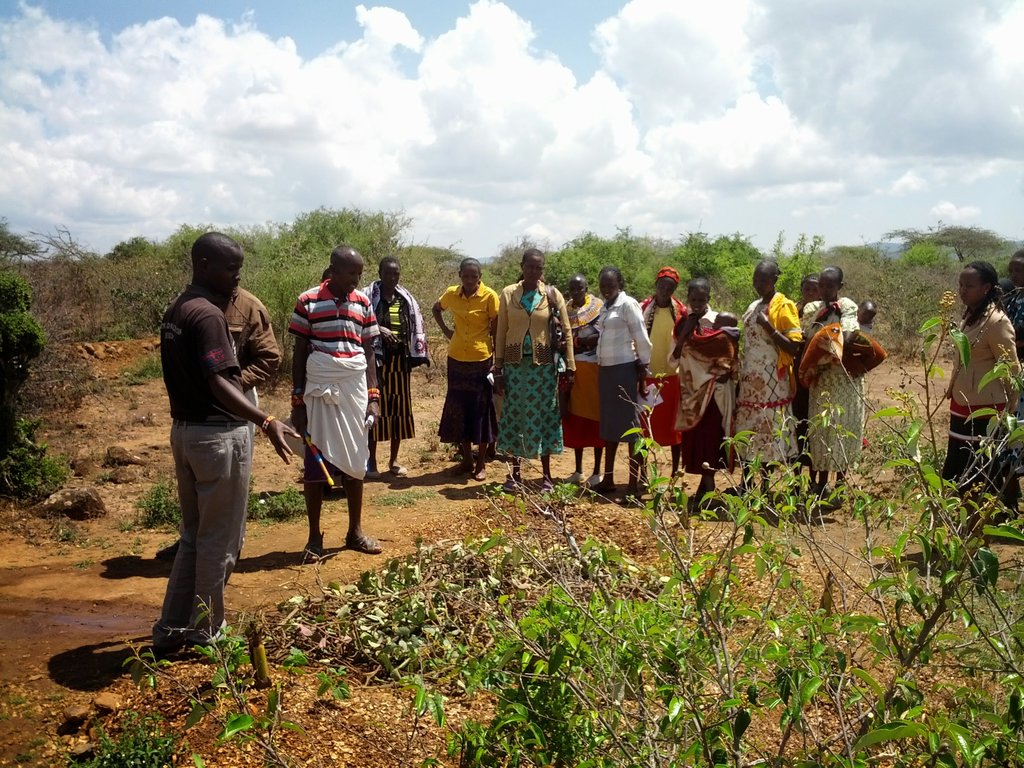
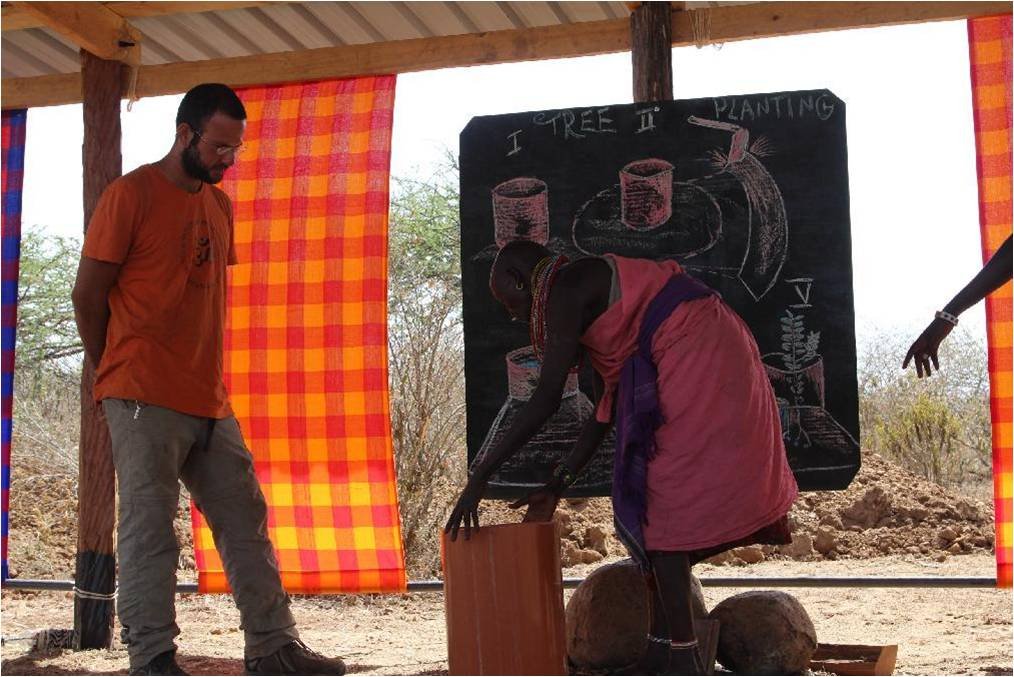
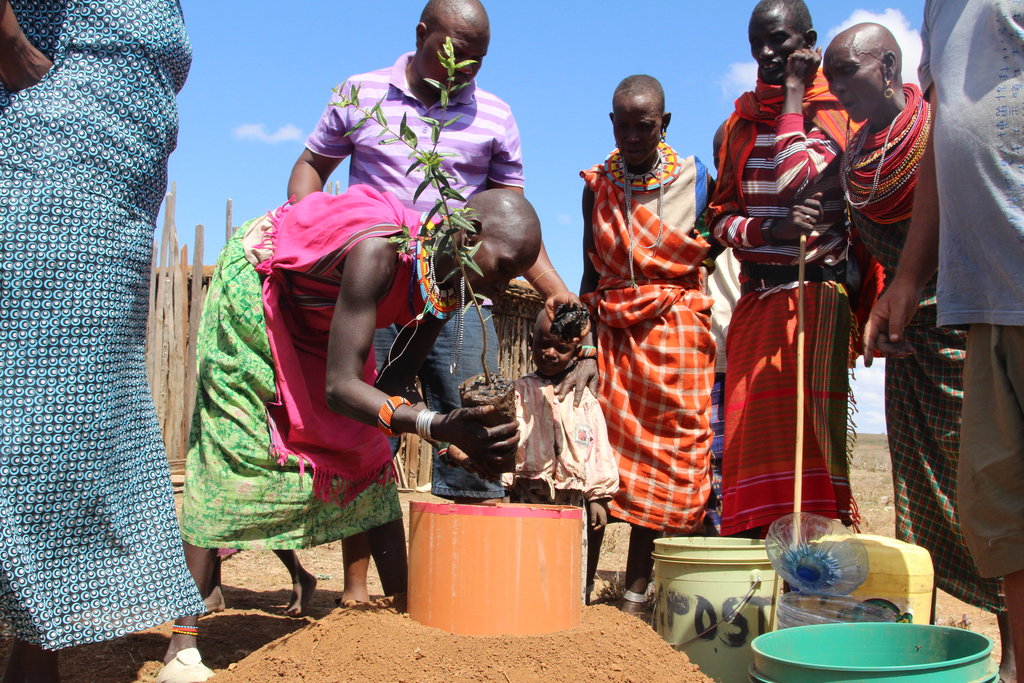
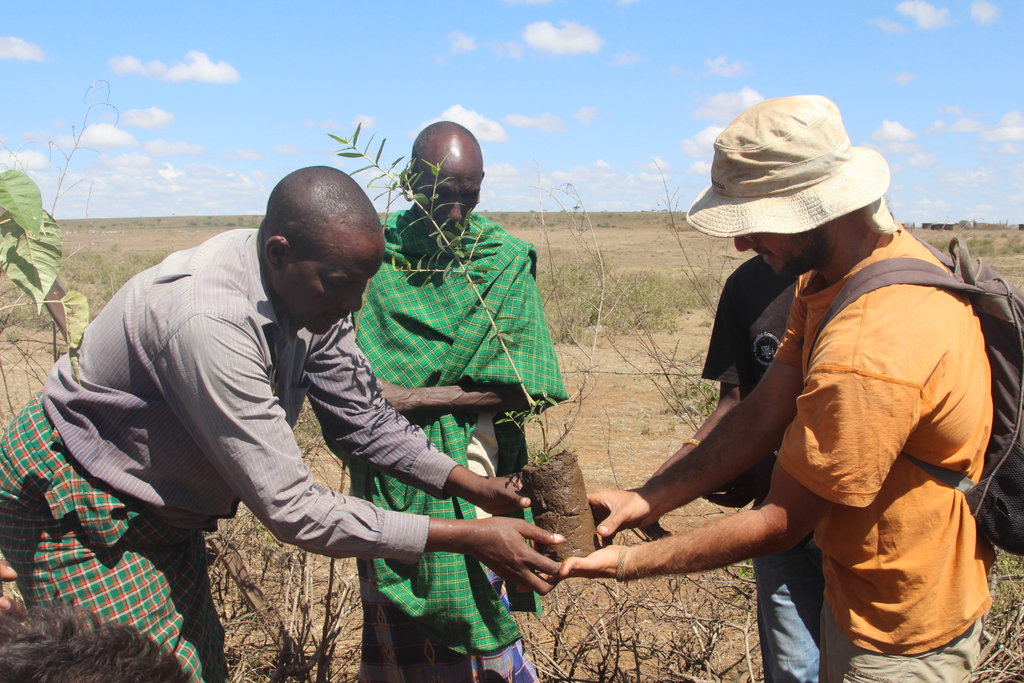
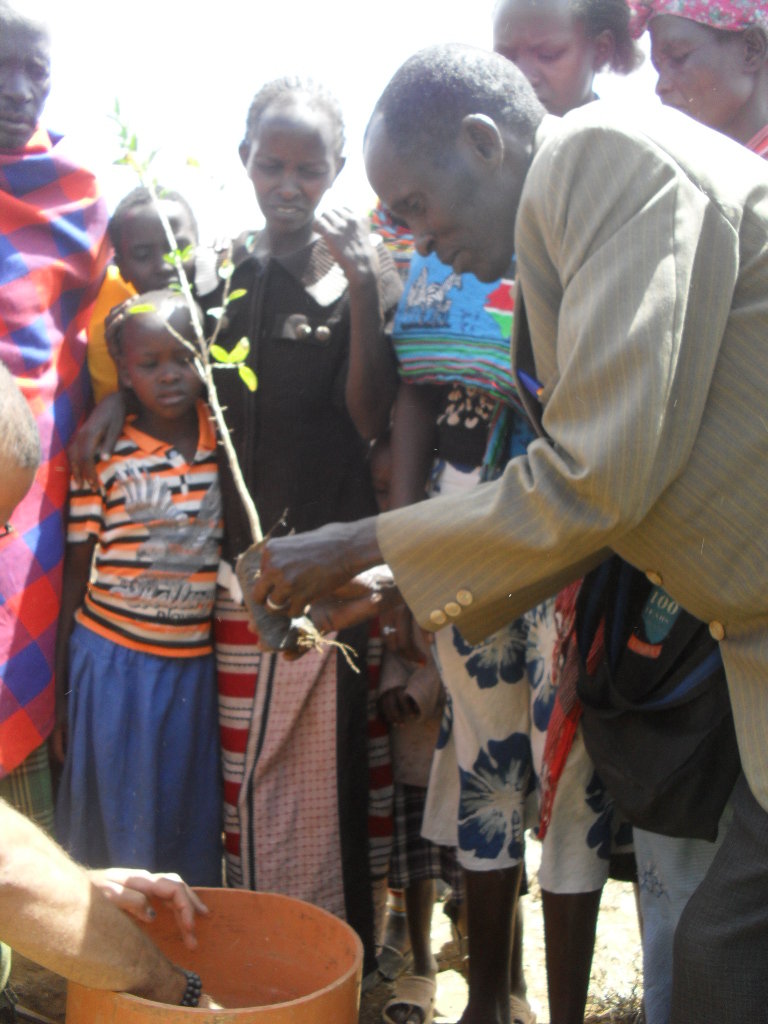
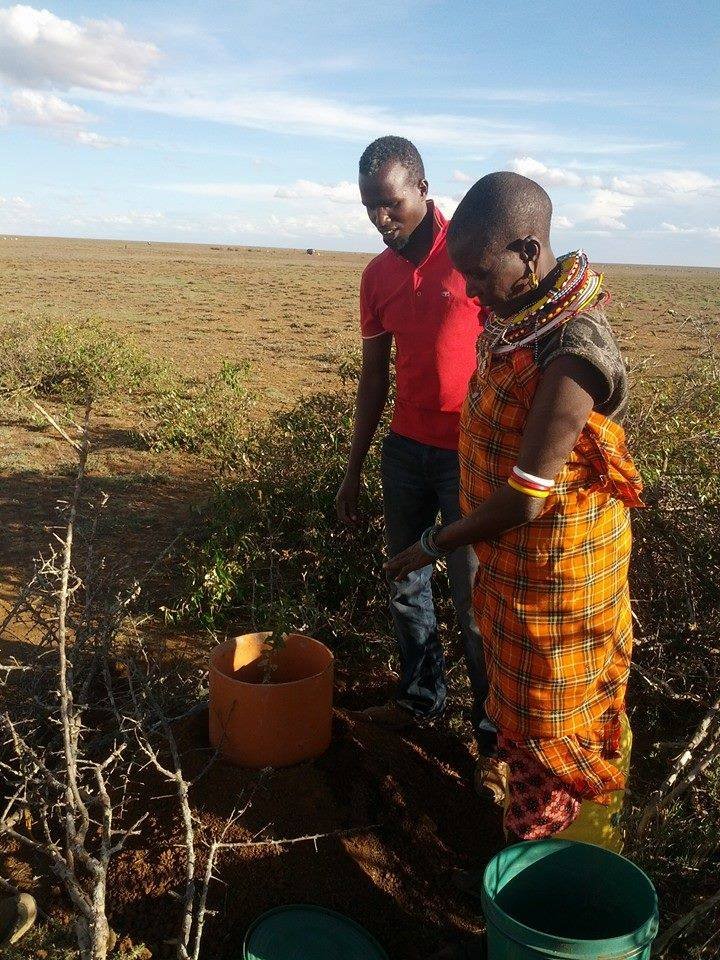
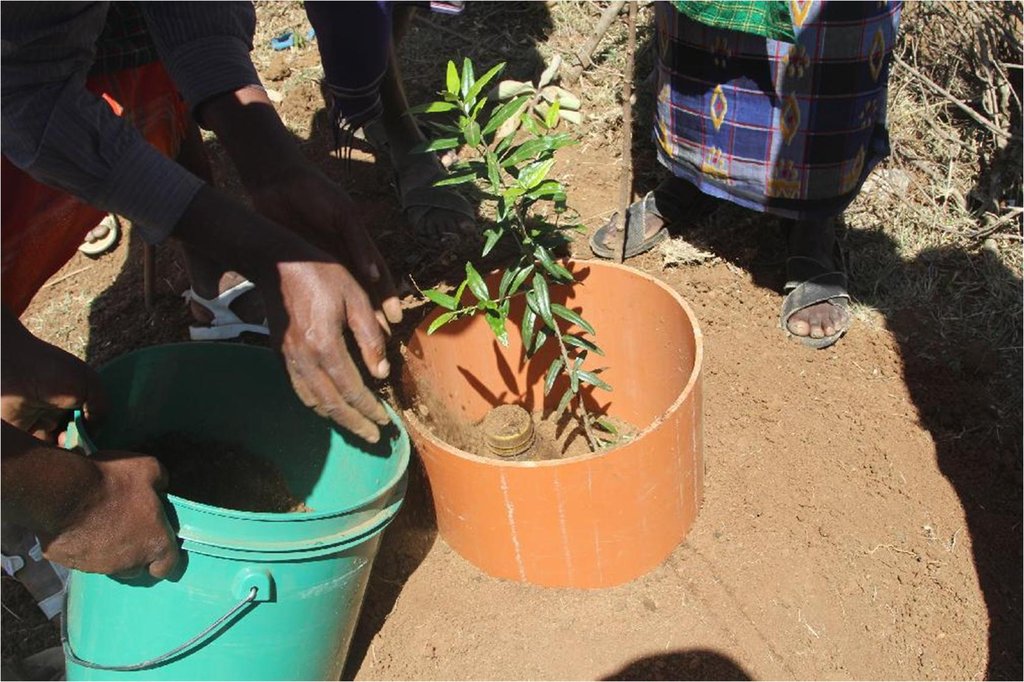
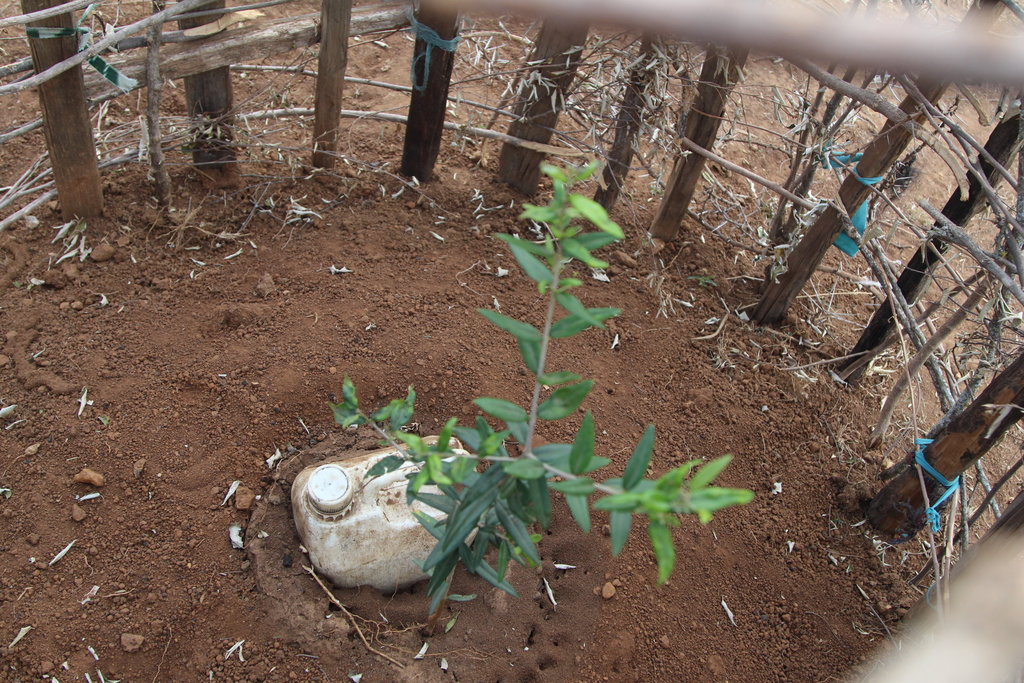
Naisherua consults her records to schedule the next tree recipients, then mobilizes the team for community planting. At dawn on planting day, the team crates the Moringa seedlings and loads them onto the lorry along with the day’s essentials: tools, topsoil, water, and mulch. Sabik takes the wheel, this time heading for Kurdai village, to help a local family establish a small food-forest next to their home. Upon arrival, Naisherua assesses the land’s contours and water flow pattern. The team, together with the family, then spends the morning preparing the site, digging catchment trenches, and thoroughly soaking the soil. Late in the afternoon, once the air cools and the water has fully saturated the earth, the Moringa seedlings are planted in their new homes. Each is provided with rich topsoil, a wick irrigation bottle, and a thick protective layer of dry grass mulch.
Now, the family will water the seedlings and keep them mulched and protected from animals, ensuring they have the best chance to thrive. The Sadhana Forest team will continue to support them as the need arises. One of the children in the family, perhaps inspired by Shadrak’s example, may take responsibility for a special tree, nurturing it as it grows each year. In time, that tree will produce seeds ready to be planted again, and this beautiful cycle will begin anew.
Project reports on GlobalGiving are posted directly to globalgiving.org by Project Leaders as they are completed, generally every 3-4 months. To protect the integrity of these documents, GlobalGiving does not alter them; therefore you may find some language or formatting issues.
If you donate to this project or have donated to this project, you can receive an email when this project posts a report. You can also subscribe for reports without donating.



Support this important cause by creating a personalized fundraising page.
Start a Fundraiser