By Libby Henrickson | Global Conservation Programs Coordinator
Dear Friends,
Today, I want to tell you about an education project that we’re supporting in Carchi, Ecuador, very close to the Colombian border.
Ecuador is home to the second highest diversity of orchids in the entire world, boasting 4,200 described species with new species being discovered every year. Each species is entirely unique; they come in a plethora of shapes and colors. Some look like they have little faces, some have frills and curls almost like ribbons. Some even look like tiny fairy creatures floating in the treetops.
Most orchid species are dependent on trees; as epiphytes, they grow on bark and absorb nutrients and water from the air. This is why orchids are so abundant in humid climates, like Ecuador's cloud forests. It’s also why deforestation is particularly threatening to them. As illegal mining has escalated over the past few years in Carchi, deforestation and toxic pollution in the forest has risen alongside it, placing orchid populations at risk.
We are taking action for orchids by supporting the construction of a virtual classroom at the Dracula Nature Reservein the cloud forests of Carchi; a space that will connect the local town of Quinshul to the reserve and its work, provide essential access to technology for the community, raise awareness about the importance of protecting the cloud forest, and create opportunities for the community to get involved.
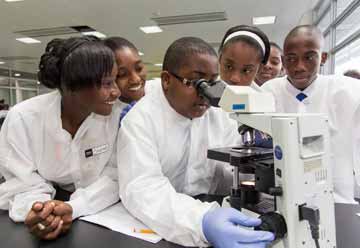
At Women for Conservation, we believe that education is the key to creating change in the fight against biodiversity loss. We see its impact on the ground every day: women, men, and children that are inspired to get involved in conservation and reawaken their love for nature, all through education. Inspiration and love transform into real actions, whether that’s choosing to learn how to compost at home—reducing food waste and recycling nutrients back into the soil—or planting native flowers in your backyard to create a sanctuary for disappearing pollinators, committing to shopping primarily secondhand, or getting involved in local conservation initiatives. Researchers at Stanford University analyzed 105 studies on the effects of environmental education on conservation. 87% of the studies reported that participants gained awareness, knowledge, and skills that inspire change in their own daily behaviors. If enough people take small actions like these, we can make an enormous difference for nature.
By building a space for education to take place, we directly contribute to the protection of rare orchids that live in the Dracula reserve. It will help the reserve to reach the local community and inspire positive actions through education. When students are informed about the importance of protecting local biodiversity, they become a generation of citizens that live more environmentally-friendly lives, reducing their long-term impact on the forest.
Many people in Quinshul rely on mining for income. With few opportunities for education and alternative jobs, they often don’t have much choice. The classroom will help community members pursue education and training to find alternative livelihoods, meaning that there will be less reliance on mining for income, and less harm to the forest. Furthermore, the reserve facilitates a women’s group called Mujeres de Quinshul that runs a sustainable agriculture business, with products like greenhouse-grown vanilla and handmade soaps. The classroom and its tools will be an invaluable resource for them as they continue to expand and diversify their businesses— further strengthening and diversifying the local economy away from environmentally harmful activities.
We are thrilled for the classroom to open its doors and invite learners of all ages inside. To us, the classroom represents a vital step towards a healthy and stable cloud forest ecosystem, one where orchids are abundant and thriving.
Thank you for helping educate the next generation of conservationists! Together, we are building deeply rooted change for nature. We couldn’t do this without you.
With gratitude,
Libby Henrickson
Project reports on GlobalGiving are posted directly to globalgiving.org by Project Leaders as they are completed, generally every 3-4 months. To protect the integrity of these documents, GlobalGiving does not alter them; therefore you may find some language or formatting issues.
If you donate to this project or have donated to this project, you can receive an email when this project posts a report. You can also subscribe for reports without donating.


Support this important cause by creating a personalized fundraising page.
Start a Fundraiser