By Tom Webber | Development Director
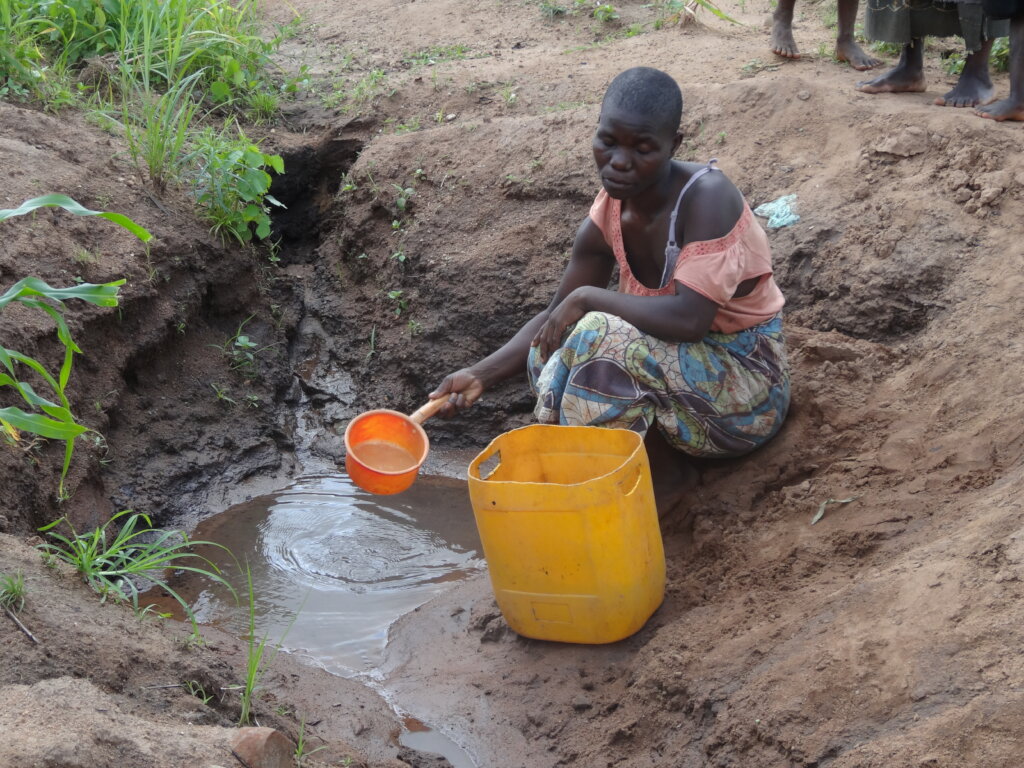
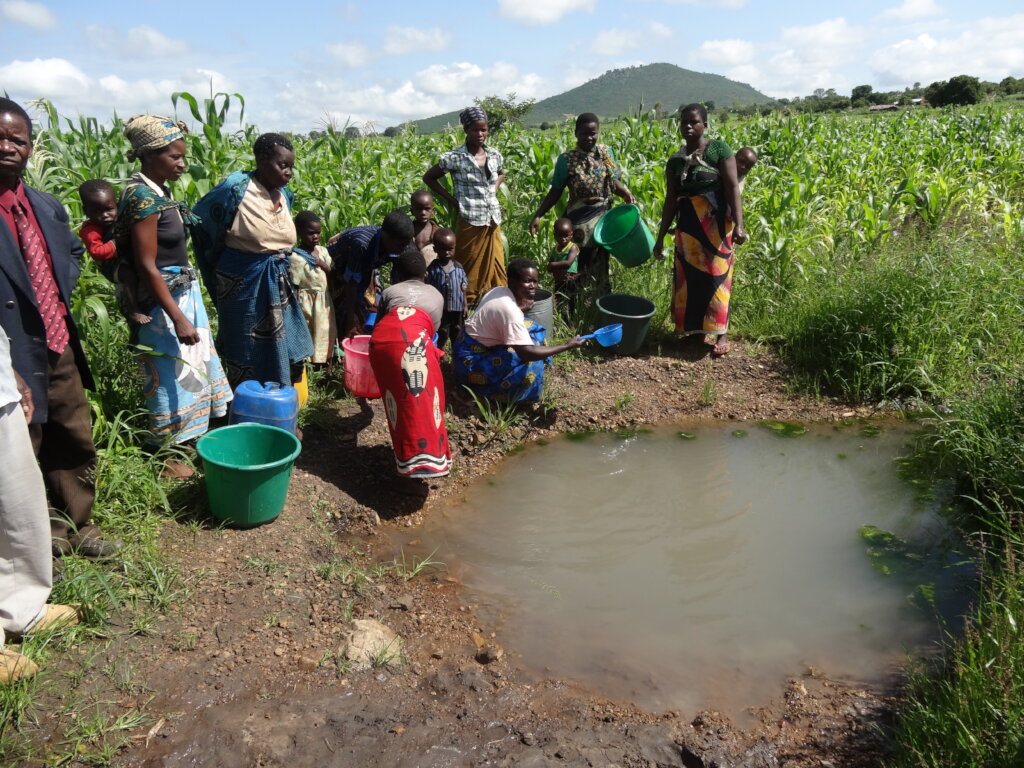
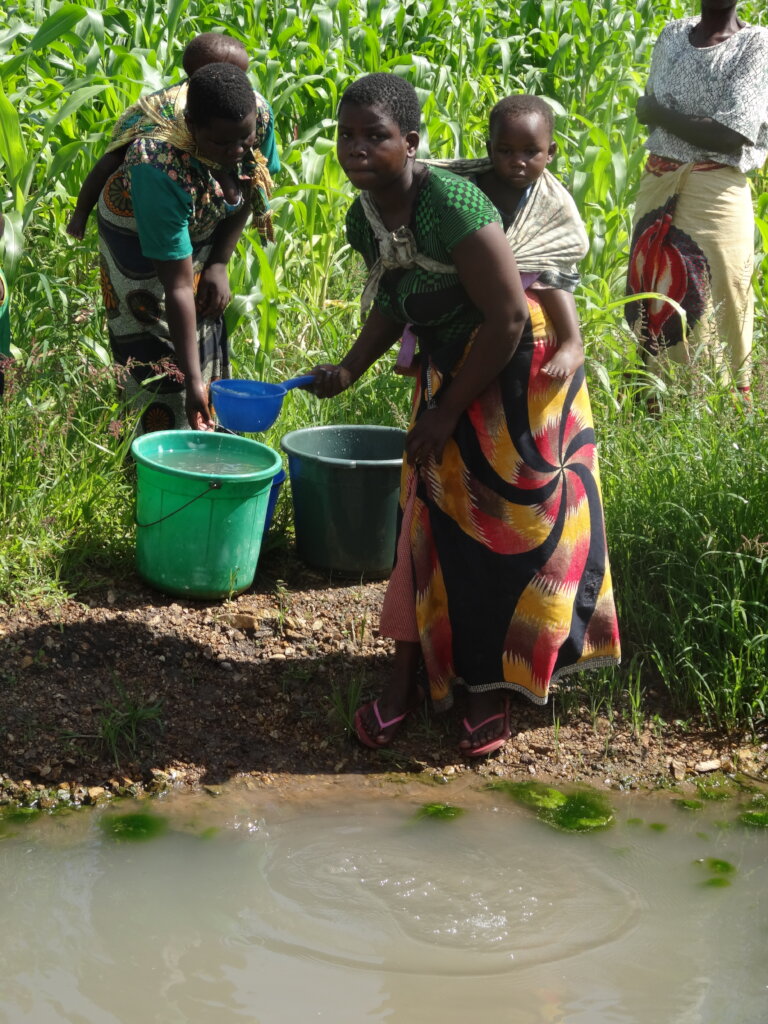
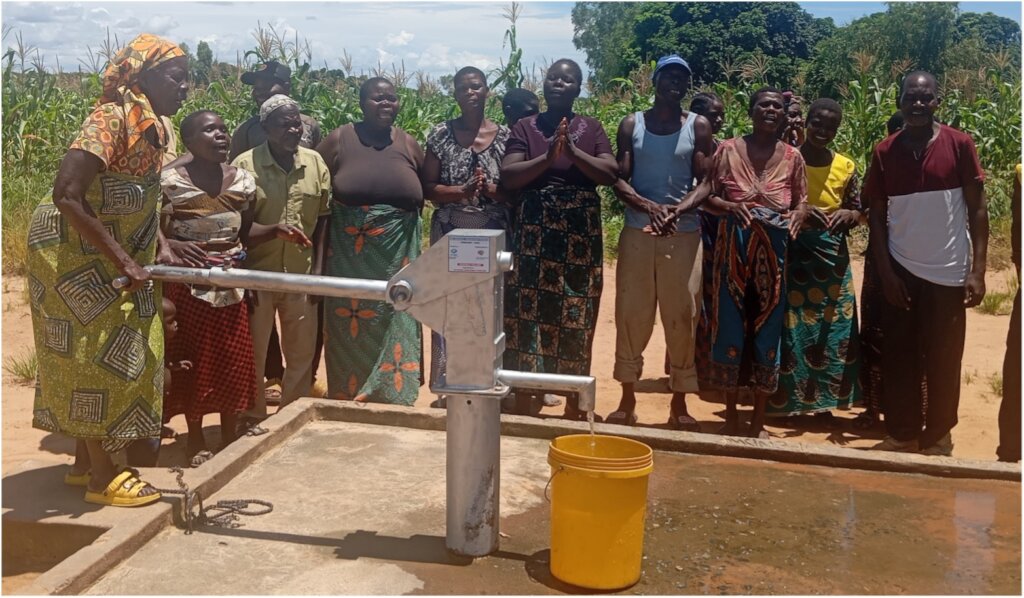
Bridgit Water Foundation’s Malawi project in Nkhotakota District demonstrates how improved water access can drive both community development and environmental conservation. Prior to the intervention, families in Chapola Village relied on unsafe water sources such as hand-dug holes in dry riverbeds shared with animals, exposing them to significant health risks and environmental pressures. With the successful refurbishment of a non-functional borewell, 1,566 people now have reliable access to clean and safe drinking water within their community. This restored access not only improves daily life but also reduces the need for communities to encroach on fragile ecosystems within the nearby Nkhotakota Wildlife Reserve in search of water.
The project has delivered meaningful improvements in health, time use, and overall well-being. With safe water now available locally, the incidence of waterborne diseases such as cholera has declined, and families can adopt better hygiene practices. Community members—particularly women and children—no longer need to walk more than 3–5 kilometers to collect water, saving hours each day and reducing physical strain. This reclaimed time is being redirected toward education, agriculture, and other productive activities, strengthening livelihoods and supporting economic resilience. As highlighted by community members, access to clean water has also improved school attendance and reduced the burden on households that previously depended on unsafe and distant sources.
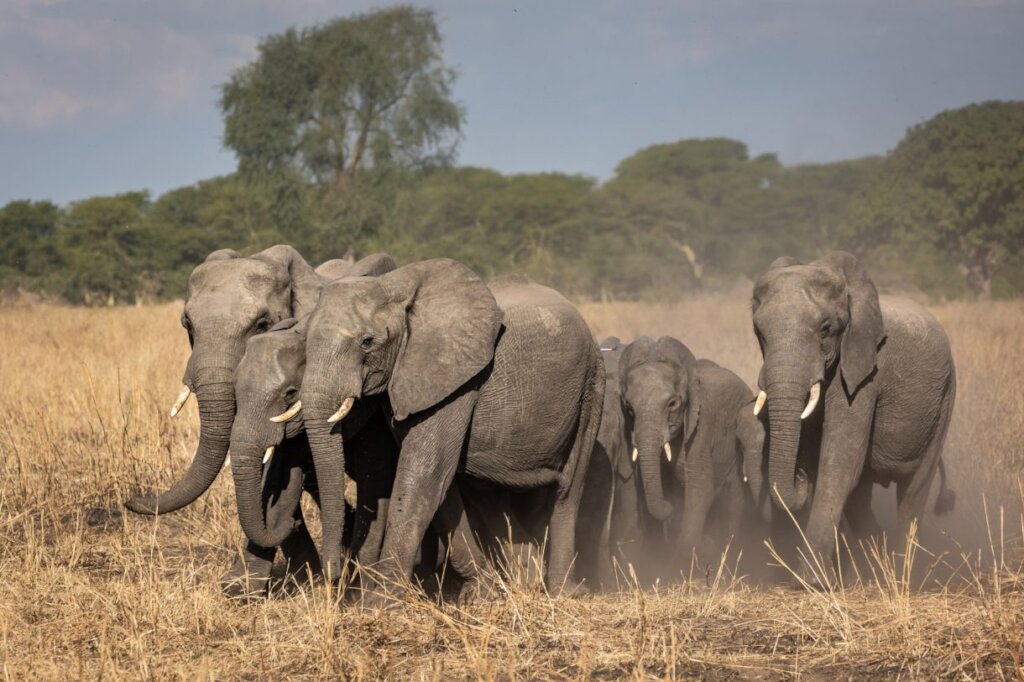
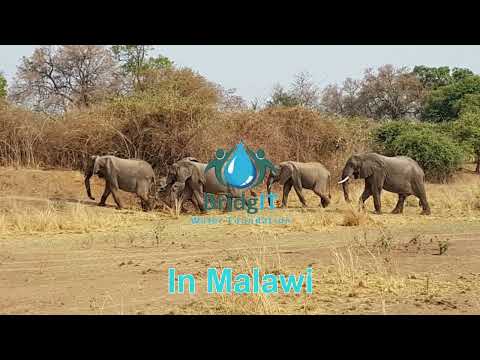
A distinctive feature of this project is its integration of water access with wildlife conservation and community empowerment. Through targeted training, villagers have gained a deeper understanding of the importance of protecting natural resources and reducing human-wildlife conflict, particularly involving elephants in the reserve. The establishment of a Water User Committee ensures local ownership and long-term sustainability of the borewell, while inclusive participation—especially of women and vulnerable groups—strengthens community governance. By linking safe water access with environmental stewardship, this project not only improves immediate living conditions but also contributes to the long-term preservation of Malawi’s vital ecosystems.
Links:
Project reports on GlobalGiving are posted directly to globalgiving.org by Project Leaders as they are completed, generally every 3-4 months. To protect the integrity of these documents, GlobalGiving does not alter them; therefore you may find some language or formatting issues.
If you donate to this project or have donated to this project, you can receive an email when this project posts a report. You can also subscribe for reports without donating.



Support this important cause by creating a personalized fundraising page.
Start a Fundraiser