By Huzaifa Kermani | Chief Marketing Officer (CMO)
Executive Summary
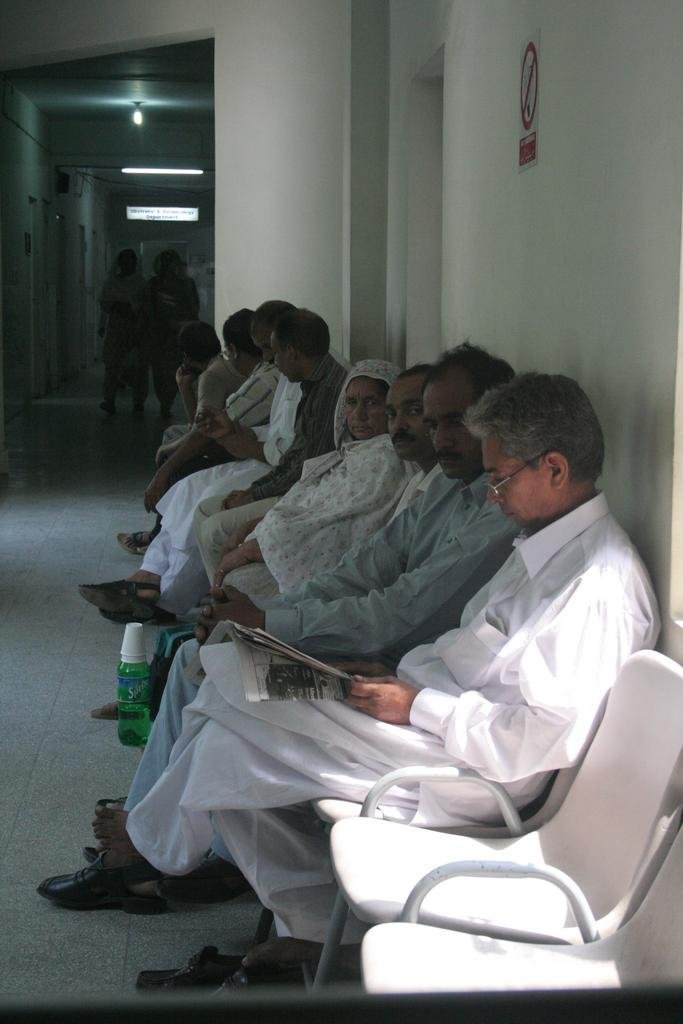
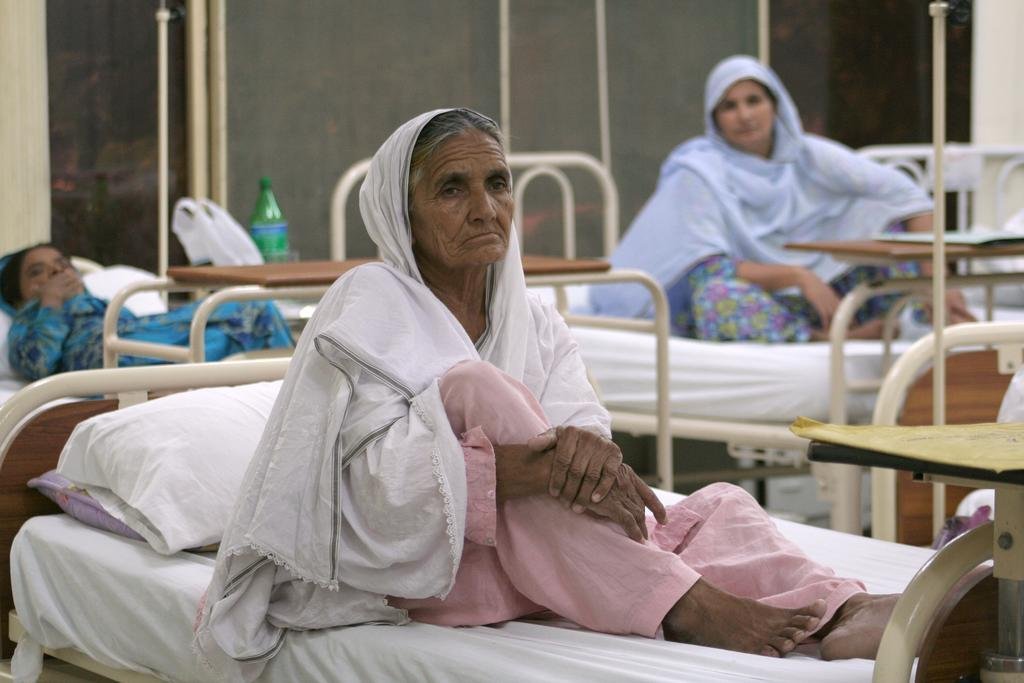
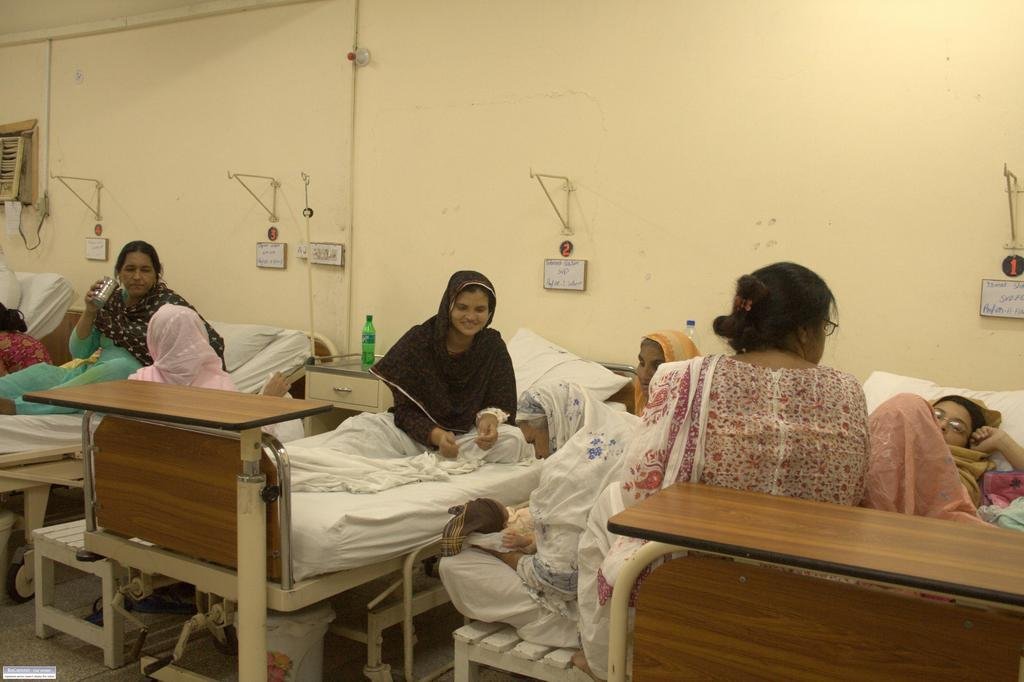
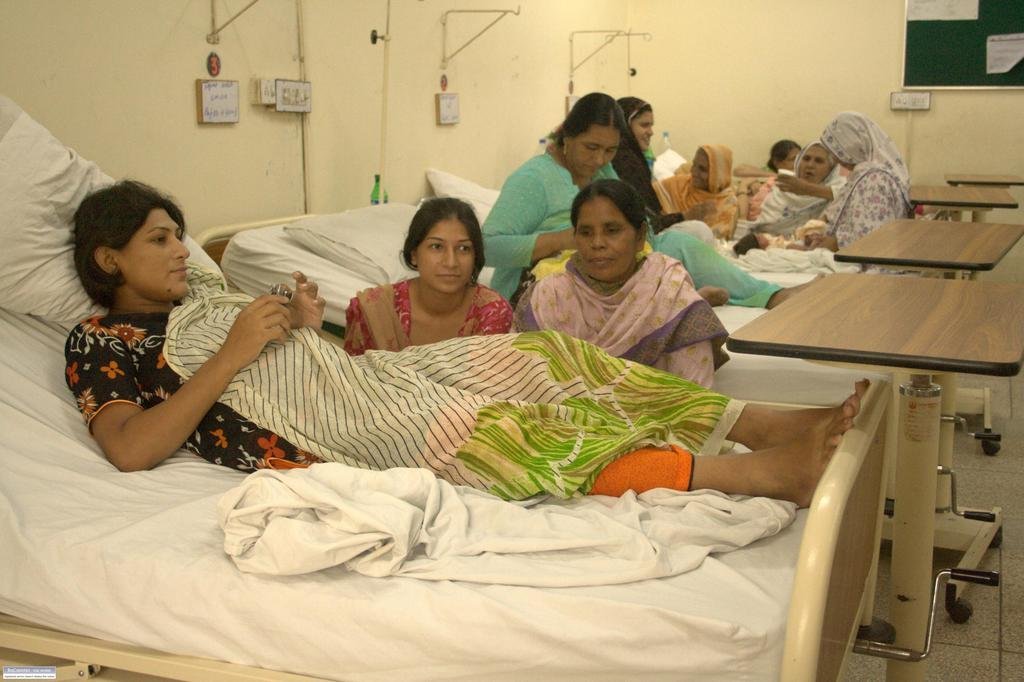
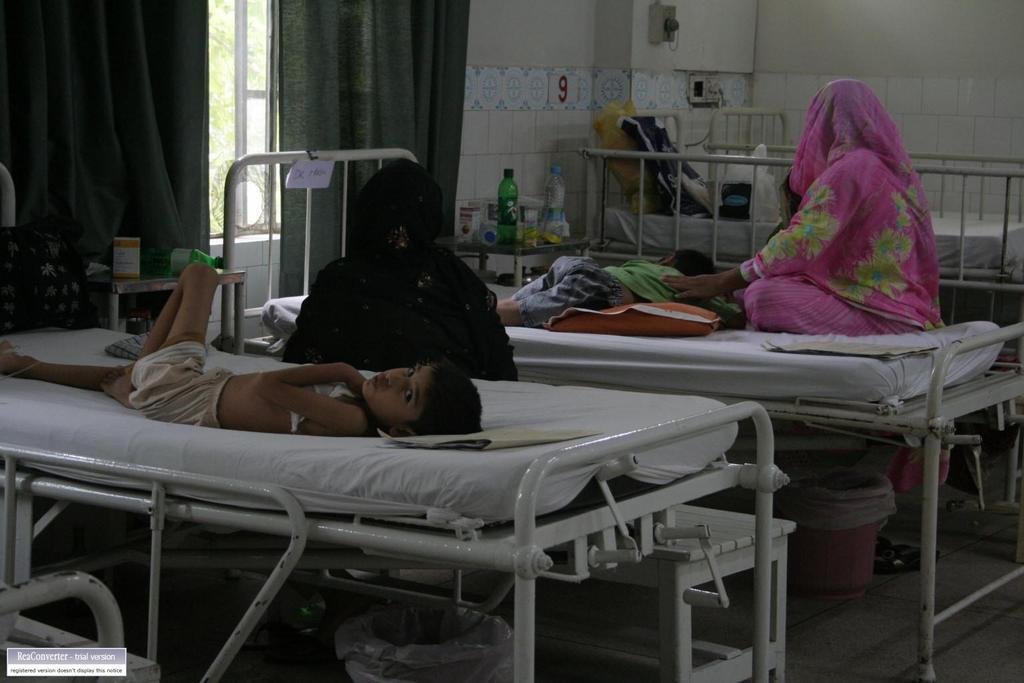
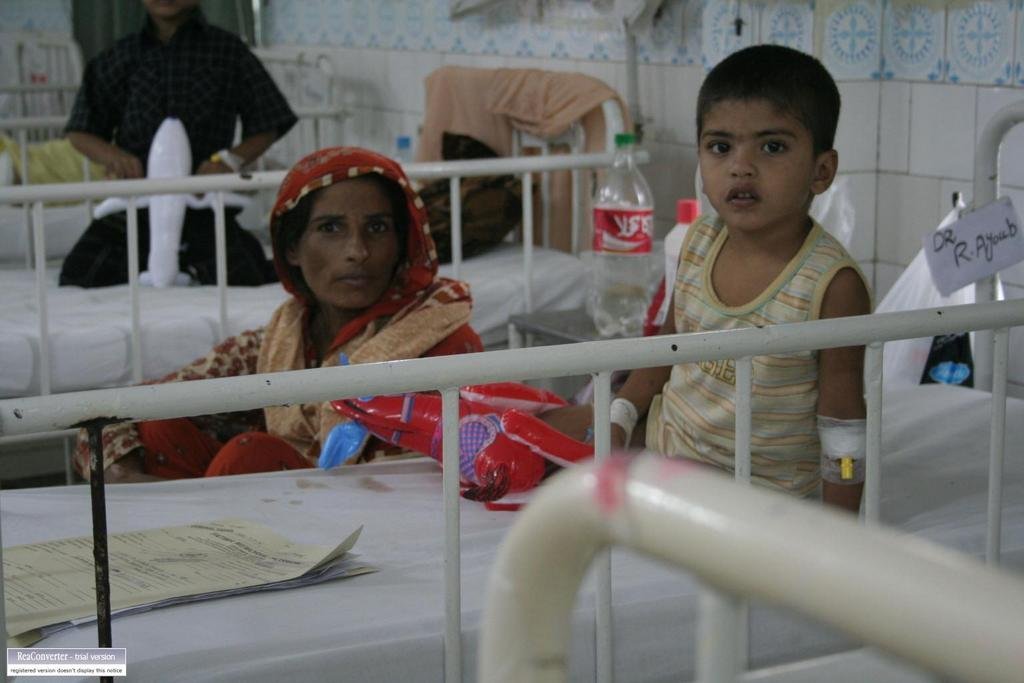
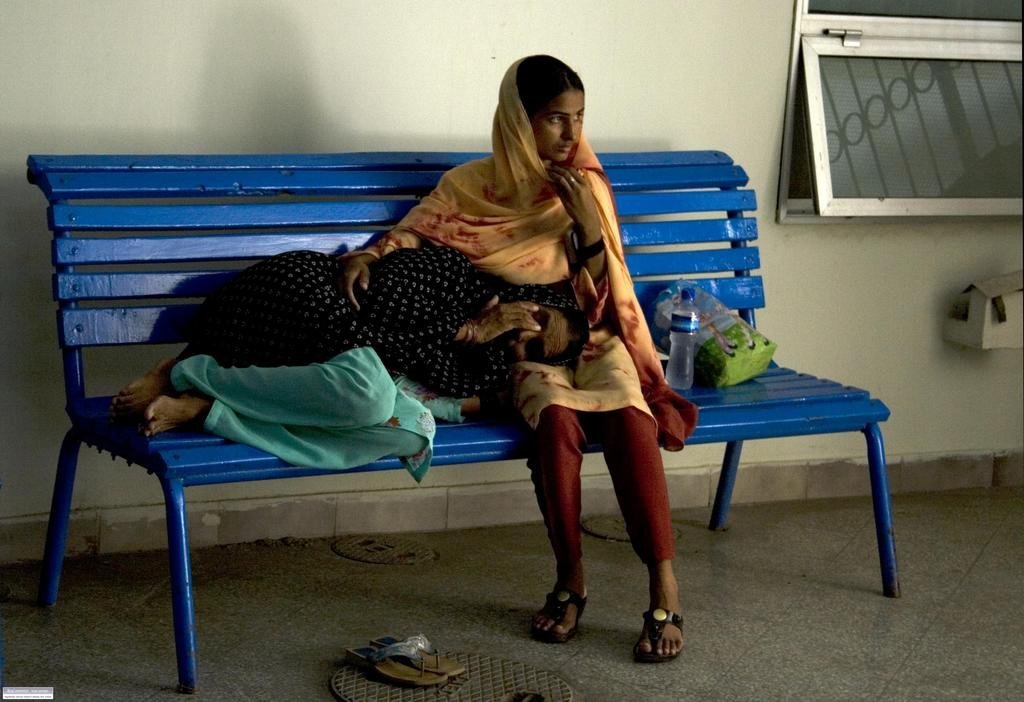
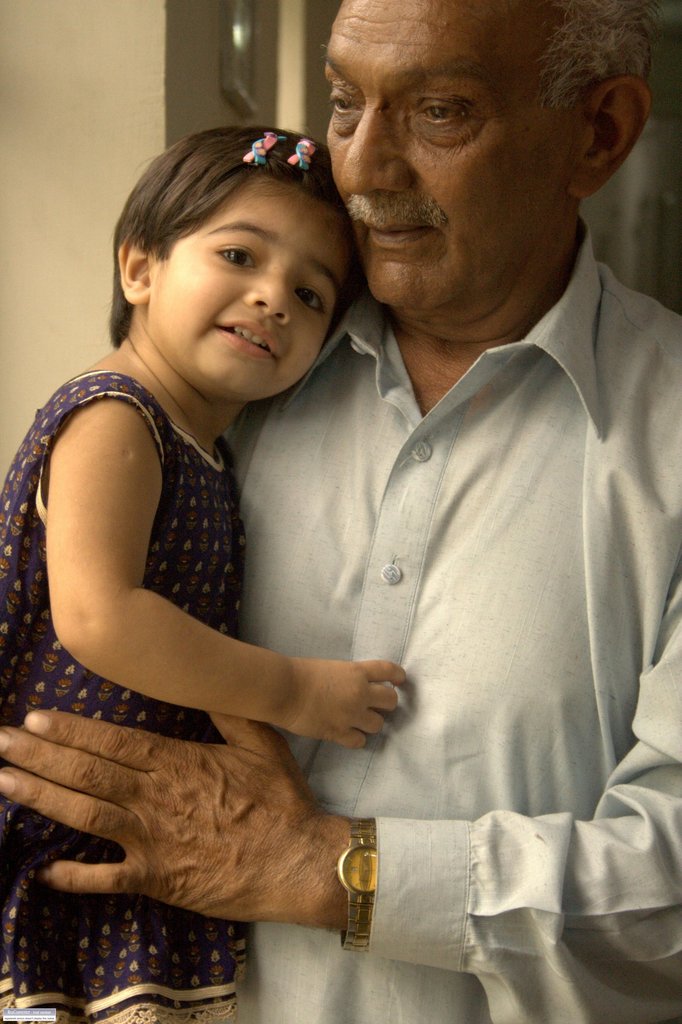
Every day, Fatima Memorial Hospital receives patients and attendants from across Lahore, Punjab, and beyond. Many of these families arrive in moments of fear, uncertainty, and financial hardship. For patients receiving free, subsidized, or prolonged treatment, even a simple daily meal can become difficult to arrange.
The Food for Patient Families initiative exists to address this quiet but deeply human need.
A warm meal does more than satisfy hunger. It offers comfort, dignity, relief, and emotional reassurance during some of the most stressful days of a family’s life. For attendants who remain beside patients for long hours, and for families who have travelled from outside Lahore, reliable food support can reduce a major burden during treatment.
Since our last report in January 2026, the program has continued to focus on predictable meal access, improved coordination, nutrition-sensitive planning, volunteer discipline, monitoring, and cost-aware procurement. As patient inflow continues to rise and food prices remain challenging, sustaining this support has become even more important.
Context and Need
For underprivileged families, hospitalization is rarely limited to medical expense alone. Transport, medicines, tests, lost wages, and food all place pressure on already fragile households.
At FMH, many patients qualify for Zakat-supported or subsidized medical care. However, their families and attendants may still struggle to afford meals during hospital stays.
This is especially true for:
When families cannot access regular meals, the impact is immediate. Attendants become exhausted, patients feel increased emotional stress, and the overall care experience becomes harder to endure.
Food support is therefore not separate from healthcare. It is part of dignified, compassionate, patient-centered care.
What We Committed To
Through this project, FMH committed to:
Progress Since the Last Report1. Continued Meal Support for Patients and Attendants
Status: Ongoing
Since the January reporting cycle, FMH has continued providing food support to vulnerable patients and attendants. The program remains focused on families who are least able to afford regular meals while receiving treatment.
Support has continued for:
Result:
The program continues to reduce the daily burden on families who are already coping with illness, hospital visits, and financial pressure. For many attendants, receiving a warm meal means they can remain present for their loved ones without having to leave the hospital in search of food they may not be able to afford.
2. More Predictable Meal Distribution
Status: Strengthened
The program has continued to follow structured distribution windows aligned with hospital routines, ward needs, and patient-attendant movement.
This has included:
Result:
Meal access has become more predictable for patients and attendants. This consistency is especially important for families who are unfamiliar with Lahore, have limited mobility, or are caring for critically ill patients.
3. Prioritizing High-Stress Clinical Areas
Status: Ongoing
The program continues to prioritize areas where families often face the highest emotional and practical stress.
Priority areas include:
These areas require not only medical attention, but also compassionate support for families who may spend hours or days in hospital corridors, waiting areas, and wards.
Result:
Food support in high-stress areas has helped reduce immediate pressure on attendants and caregivers. It allows families to stay focused on patient care rather than worrying about their next meal.
4. Nutrition-Sensitive Meal Planning
Status: In Progress
The program continues to place emphasis on meals that are simple, warm, digestible, and suitable for a hospital environment. Nutrition-sensitive planning remains important because many patients and attendants are elderly, post-procedure, physically exhausted, or emotionally distressed.
The meal approach continues to focus on:
Result:
Meals are more likely to be consumed when they are simple, warm, and suited to the needs of hospital families. The program continues to learn that dignity is not only about providing food, but providing food that people can comfortably eat.
5. Streamlined Distribution and Coordination
Status: Completed / Ongoing
Operational improvements introduced in the previous cycle continue to support smoother meal service.
These include:
Result:
Distribution has become more orderly and responsive. Improved coordination has helped reduce confusion, waiting time, and missed-meal concerns, especially during busy hospital hours.
6. Strengthening Monitoring and Transparency
Status: In Progress
Monitoring remains essential to ensuring that donor support translates into actual meals for the families who need them most.
The program continues to use:
Result:
Issues can be identified and addressed more quickly. Monitoring also helps FMH maintain transparency, improve planning, and reassure donors that their support is being handled responsibly.
7. Cost-Aware Supply Chain Management
Status: In Progress
Food costs remain a major pressure on the program. To protect continuity, FMH has continued to strengthen procurement and vendor planning.
This includes:
Result:
The program is better prepared to manage price fluctuations and supply disruptions. This helps ensure that families continue receiving meals even when food prices rise or vendors face shortages.
8. Volunteer Engagement and Service Dignity
Status: Ongoing
Volunteers remain an important part of meal distribution and patient-attendant support. Their role is not only to serve food, but to serve with empathy and respect.
Volunteer orientation continues to emphasize:
Result:
Service quality has remained more consistent even when volunteers rotate. The program continues to emphasize that how a meal is served matters as much as the meal itself.
Learning and Adaptation
This reporting cycle reinforced several important lessons:
These insights are now embedded into the program’s ongoing operating approach.
Use of Funds
Donor support continues to help cover the core requirements of the program, including:
Every contribution helps convert generosity into a warm meal for a patient, parent, caregiver, or attendant in need.
Long-Term Impact
The long-term impact of this program goes beyond food distribution.
When a family receives a warm meal during hospitalization, the burden of care becomes lighter. Attendants are better able to remain with patients. Parents can stay close to their children. Families travelling from outside Lahore feel less abandoned. Patients experience care in a more complete and dignified way.
Over time, the program contributes to:
For a family in crisis, a warm meal can become a moment of relief, reassurance, and hope.
Why Support Matters Now
The need for this program remains urgent.
Without donor support, food insecurity can follow families into the hospital. With donor support, FMH can ensure that patients and attendants are treated not only medically, but humanely.
Next 90-Day Plan
Over the next quarter, FMH will focus on:
How Your Support Helps
Your support helps provide warm, dignified meals to patients and families who may otherwise go without food during treatment.
It helps to:
Most importantly, it turns a simple meal into an act of compassion.
Call to Action
A warm meal can bring comfort during one of the hardest moments in a family’s life.
By supporting this project, you help Fatima Memorial Hospital care not only for the illness, but for the human being and family behind it.
Please continue supporting Food for Patient Families and help us ensure that no patient or attendant is left hungry during treatment.
With Gratitude
To every donor, volunteer, kitchen team member, hospital staff member, and supporter—thank you.
Your generosity helps FMH serve patients with dignity, warmth, and compassion.
Together, we are turning meals into moments of relief, care, and hope.
```
By Huzaifa Kermani | Chief Marketing Officer (CMO)
By Huzaifa Kermani | Chief Marketing Officer (CMO)
Project reports on GlobalGiving are posted directly to globalgiving.org by Project Leaders as they are completed, generally every 3-4 months. To protect the integrity of these documents, GlobalGiving does not alter them; therefore you may find some language or formatting issues.
If you donate to this project or have donated to this project, you can receive an email when this project posts a report. You can also subscribe for reports without donating.



Support this important cause by creating a personalized fundraising page.
Start a Fundraiser