By Sia Towo | Project Leader
The last three months have been nothing short of learning, unlearning, and relearning. It has been quite an experience working with young women and girls with different impairments. We started by planning to address the project through a needs assessment in the Arusha region. We had the pleasure of working with two schools, a primary and a secondary school. Addressing the needs of women and girls with disabilities is essential because it is a fundamental human rights issue that impacts their dignity, health, equality, and full participation in society. Failing to dod so
Outcomes:
The project aimed to promote menstrual health education and management for children and youth with disabilities in Arusha. It addressed issues such as stigma, lack of knowledge, and limited access to menstrual products. A needs assessment conducted in July 2025 revealed several key findings:- Most participants felt comfortable asking questions anonymously or one-on-one after the distribution of resources, which encouraged them to inquire about menstruation and related issues. For instance, one girl mentioned that she had been taking medication to stop her periods, but she sometimes experiences painful cramps.- Initially, the girls were shy about using menstrual cups. However, after receiving training, some chose menstrual cups over washable pads.- 78% of participants with disabilities lacked accurate information about menstruation and puberty.
More than 60% had limited access to menstrual products suitable for their needs, especially reusable pads that cater to mobility challenges.- Teachers and caregivers expressed a strong need for inclusive menstrual education materials and training support to improve their understanding and comfort in discussing menstrual health. In response to these findings, Femme International, under the Twaweza program, implemented comprehensive education sessions in August and September 2025:- Group 1 consisted of 41 pupils from various primary schools (mainly those with mental, hearing, and autism-related disabilities) at Makumbusho Primary School.- Group 2 included 37 students (primarily those with visual, physical, and hearing disabilities, along with some non-disabled participants) at Themi Secondary School.
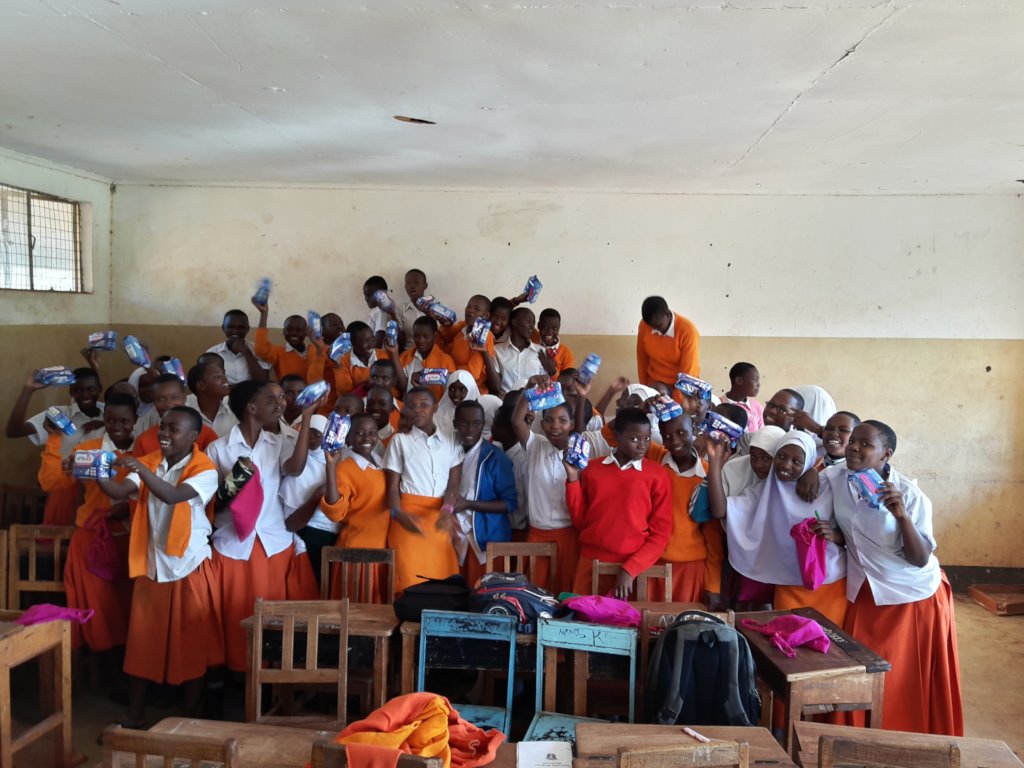
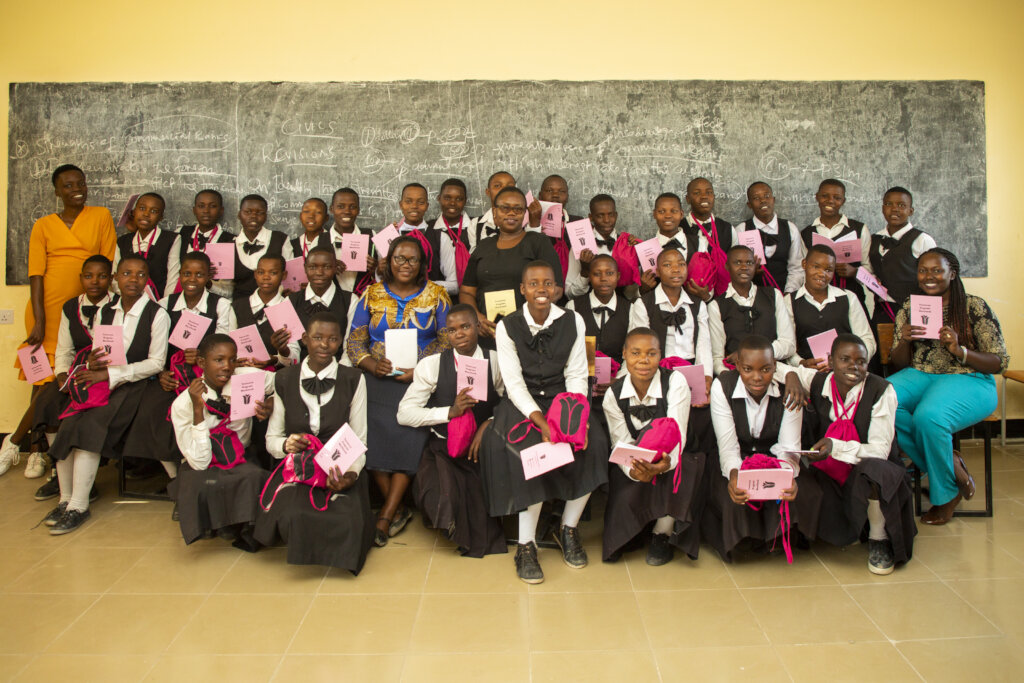
Using participatory teaching methods such as tactile learning for visually impaired participants and sign language translation for those with hearing impairments, the project achieved significant outcomes:- 98% of participants demonstrated an improved understanding of puberty, menstrual hygiene, and menstrual cycle management.- 78 participants received Femme Kits, which included reusable pads (Afripads), underwear, Twaweza workbooks, soap, and 4 pairs of underwear.- Teachers gained increased confidence in supporting menstrual education in inclusive classrooms.- Participants reported greater comfort discussing menstruation and hygiene, particularly among students with disabilities who had previously been excluded from such discussions. Yes, the Twaweza project achieved its intended outcome. Our initial goal was to improve the knowledge, accessibility, sustainability, and affordability of menstrual products, while also enhancing inclusivity in menstrual health education.
Beneficiaries:
The project directly benefited 98 participants (students with disabilities and their teachers) and indirectly reached over 250 community members, including caregivers, parents, and peers who received secondary knowledge. Our target was to primarily benefit the girls and women with disabilities in low-income communities, schools, and disability centres. This group of individuals benefited most because they face the highest barriers to managing menstruation safely and with dignity. Before the training, many lacked access to menstrual products, accurate and adequate information, or the support needed to understand and manage their period challenges, often intensified by physical, sensory, or intellectual impairments. Through the project, they gained accessible menstrual health education, reusable menstrual products, and practical support adapted to their abilities.
As a result, they are now better able to maintain hygiene, attend school consistently, and participate more confidently in daily life. Direct Beneficiaries:- 41 pupils with disabilities (Makumbusho Primary School)- 37 students with disabilities and peers (Themi Secondary School)-20 teachers and caregivers. Again, a significant group of secondary beneficiaries included teachers, caregivers, and parents who received training on how to support girls with disabilities during menstruation. Many had previously felt uncertain or unprepared to manage the needs of girls experiencing both disability and menstruation. During the project, local community leaders, schools, and caregivers were actively involved in the delivery of workshops. We trained local facilitators to ensure cultural relevance and sustainability. Regular feedback sessions will be held to monitor progress and make necessary adjustments.
Challenges:
The project encountered several challenges during implementation:
a) Communication Barriers. We had participants with hearing disabilities in the selected group who required ongoing interpretation support. To address this, we engaged a sign language translator throughout both training days to ensure equal participation.
b) Gender Sensitivity Challenge During the session, some girls with disabilities felt uncomfortable discussing menstruation with male facilitators. To manage this, we switched from having a male facilitator to a female facilitator for that day to lead the gender-sensitive discussions. This created a safe and open space for the participants, allowing them to feel more comfortable discussing sensitive topics without feeling uneasy or ashamed.
c) Learning Pace Challenge Some participants with intellectual disabilities had varying learning paces during the sessions, which required more frequent breaks for repetition. To address this barrier, we adopted a teaching approach that included simplified explanations, visual aids, and more frequent pauses throughout the sessions.
d) Accessibility of Venues Transporting students with physical disabilities to the training venues presented logistical challenges. In response, though it was slightly hard to initiate, teachers and caregivers provided additional support, and adjustments were made to local school facilities to improve accessibility.
There was heavy rain that started towards the end of the session, which led to teaching in sign language and group discussion. Some participants were mothers with their children in the session, which reduced their concentration during the session.
However, we had so much to learn in this program because it was also a new initiative. As we specialize in doing Menstrual Health Management(MHM) in menstruators with disabilities, we learned we should allocate more time for inclusive facilitation, prepare gender balanced teams, and ensure accessible facilities and transportation for all participants to feel safe and comfortable.
Sustainability:
We have several strategies in place to ensure the sustainability of the project.
Teacher Capacity Building: We have more than three teachers from each school who attended the training and are now able to continue menstrual health education within their schools using the Twaweza workbook.
Reusable Menstrual products: Distribution of reusable Afripads supports ongoing hygienic practices and reduces dependency on single-use products. These products are user-friendly and eco-friendly, promoting sustainable menstrual health practices that can be maintained and expanded within the community.
Educational Materials and Training: The accessible teaching materials and training sessions provided to women and girls, caregivers, educators, and community leaders will enable them to continue raising menstrual health awareness. This will ensure that women and girls with disabilities receive ongoing support. Additionally, involving sign language professionals and occupational therapists will improve communication and understanding of the program, fostering a more inclusive environment.
Community engagement: Collaboration with local schools and disability centers established a foundation for ongoing menstrual health programs. By engaging local influencers and community leaders, the initiative has established a network of advocates who will continue to raise awareness and support for menstrual health issues. This network will continue to promote an inclusive and understanding culture within the community, ensuring the project's impact endures beyond its initial implementation. Teachers and caregivers are committed to periodic check-ins and follow-up discussions with students, ensuring knowledge retention. The project will continue to have a long-term impact by enhancing menstrual knowledge, confidence, and access, and will continue to benefit both current and future students through school-led health clubs and peer education models.
Organizational outcomes:
Through this project, the Femme International deepened its expertise in inclusive menstrual health projects, strengthened community partnerships, and enhanced internal systems for project delivery and monitoring.
Enhanced new skills for the staff: So we at Femme have done inclusive education before; however, this previous experience was different since it was a hand-in-hand experience in engaging people with different types of disabilities -visual, hearing, physical, and mental. Staff learned to adapt training content using inclusive facilitation methods such as tactile learning/hands-on experience, sign language interpretation, and simplified visual materials. This has improved the organization’s ability to design and deliver future programs that are disability-sensitive and gender-responsive.
Build new partnerships and networks: Collaborations with schools, teachers, and local education officers in Arusha have built stronger relationships with key community stakeholders. These networks have positioned Femme International as a trusted partner in inclusive menstrual health education and disability inclusion.
Improved Monitoring and Evaluation Capacity. The team refined its data collection tools and reporting systems during the needs assessment and implementation phases. The Femme facilitators team gained experience in conducting inclusive needs assessments, collecting feedback from people with disabilities, and using this data to inform future program design. This was our first in-depth inclusive training, and the learning, unlearning, and relearning were our takeaway during the whole time of the intervention.
Project reports on GlobalGiving are posted directly to globalgiving.org by Project Leaders as they are completed, generally every 3-4 months. To protect the integrity of these documents, GlobalGiving does not alter them; therefore you may find some language or formatting issues.
If you donate to this project or have donated to this project, you can receive an email when this project posts a report. You can also subscribe for reports without donating.



Support this important cause by creating a personalized fundraising page.
Start a Fundraiser