By Sia Towo | Project Leader
In 5th July 2021 by the United Nations Human Rights Council, and in it the Office of the High Commissioner for Huma Rights calls on Member States to integrate menstrual health mnagement into relevant policies such as water supply and saniataion, education, and health policies to ensure public and private water and saniataion facilities cater for menstruation that menstrual health management information and education is delivered and that menstrual health related stigma and discrimination is adddressed. Member states are called to ensure menstruators with disabilities have access to WASH facilities to manage menstruation, that menstrual health information and education are accessible, and delivered to menstruators with disabilities out of school and to their caregivers
Menstrual health is essential for gender equality and achieving the Sustainable Development Goals. Approximately 1.9 billion women and girls globally menstruate. Through current lack, understanding and addressing menstrual health and social-related inequalities requires comparison of experiences between menstruators with and without disabilities.
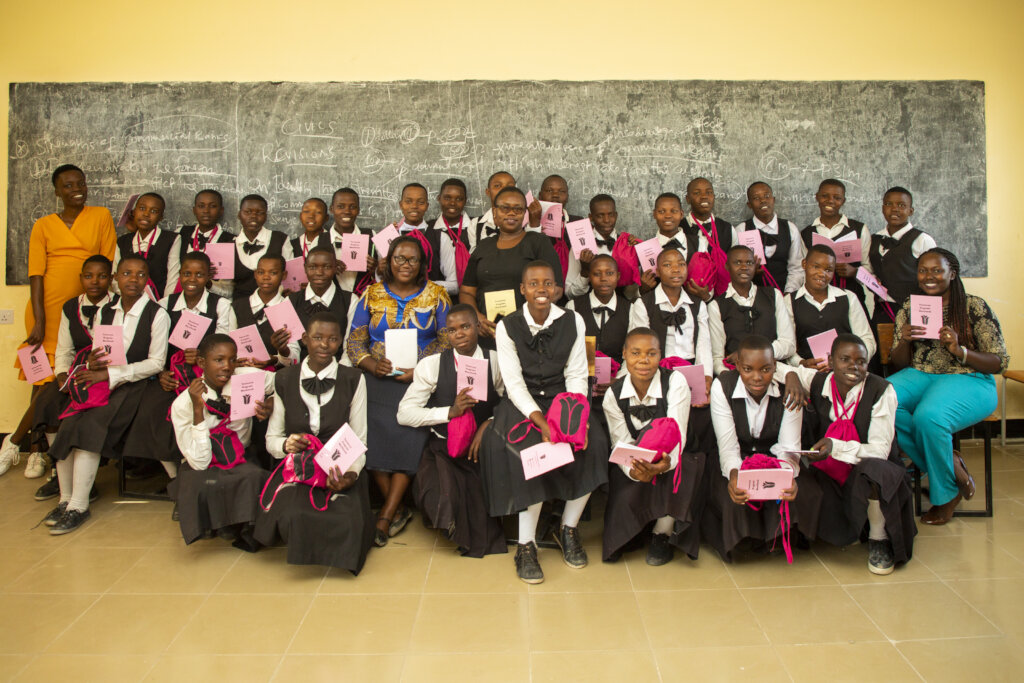
We are pleased to share the update on the recent menstrual health workshop that was held in Kenya for caregivers. This training aimed to promote knowledge, shift perceptions, and encourage inclusive conversations around menstrual health and hygiene. The workshop brought together a diverse group of participants, including community health promoters, teachers, SRHR advocates, caregivers, parents, and individuals working within the health sector. This diversity enriched the discussions and fostered a holistic learning environment.
Main Activities
We kicked off the discussion by getting to know the participants ' understanding of menstruation from the participants. Some said it’s a monthly process that women and girls have to experience, mentioning symptoms, and this included participation from men and women. An interactive learning session was conducted on the internal reproductive system, where participants engaged in identifying and correcting information. This created a participatory environment that encouraged curiosity and learning. The discussion expanded to include menstrual health conditions such as heavy bleeding, irregular bleeding, endometriosis, and fibroids. Special attention was given to inclusivity, highlighting how persons with disabilities (PWDs) and intersex individuals may experience menstruation differently.
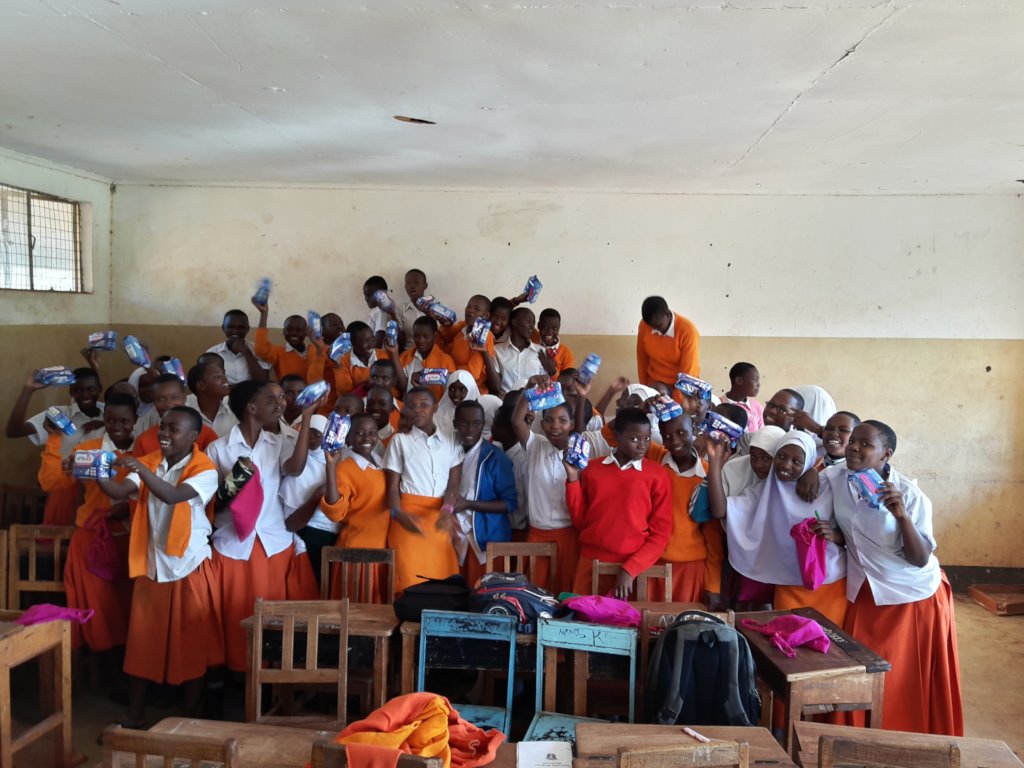
During the menstrual product distribution, participants chose their preferred method of managing their periods, while the men also took reusable pads for educational purposes and/or giving it to a female member of their family. A caregiver and a mother chose the menstrual cup for her daughter to use because she feels it will serve her best, but the other participants felt that it would be a problem in terms of extreme lack of privacy. The mother supported her decision by saying she is the one who changes the pads, so when she is not around, there is no one else to do it. This shows how such a situation is really hard to delegate.
The recommendations shared by the participants were to make a package with underwear because it is a challenge for most of the people to afford, including other essentials like soap, towel. Another recommendation was to have the femme Workbook in braille for visually challenged individuals to also read and understand; however, another participant explained that the cost of doing that is a factor that hinders.
A concern was raised to know if we advocate for accessibility for PWDs, we mentioned how we advocate for user-friendly accessible washrooms, and one participant talked about a campaign they did on the lived experience of PWDs. Where abled people get to experience the life of PWDs for a day.
Outcomes
Challenges
Way Forward
Building on the success of this workshop, the next phase will focus on expanding access and inclusivity. This includes exploring partnerships and resources to provide more comprehensive menstrual hygiene kits, strengthening community education efforts through trained health promoters, and advocating for improved accessibility in both educational materials and sanitation facilities. Efforts will also be made to continue engaging men and caregivers as key stakeholders in supporting menstrual health.
We remain committed to advancing menstrual health awareness and inclusive practices within the community, and we deeply appreciate your continued support in making this work possible.
Project reports on GlobalGiving are posted directly to globalgiving.org by Project Leaders as they are completed, generally every 3-4 months. To protect the integrity of these documents, GlobalGiving does not alter them; therefore you may find some language or formatting issues.
If you donate to this project or have donated to this project, you can receive an email when this project posts a report. You can also subscribe for reports without donating.



Support this important cause by creating a personalized fundraising page.
Start a Fundraiser