The Miombo Belt Regeneration Program

by WeForest
Play Video
The Miombo Belt Regeneration Program

Project Report | Feb 24, 2021
Livelihoods activities are reaping benefits

By Vienna Leigh | Communications Manager at WeForest

Harvesting the honey

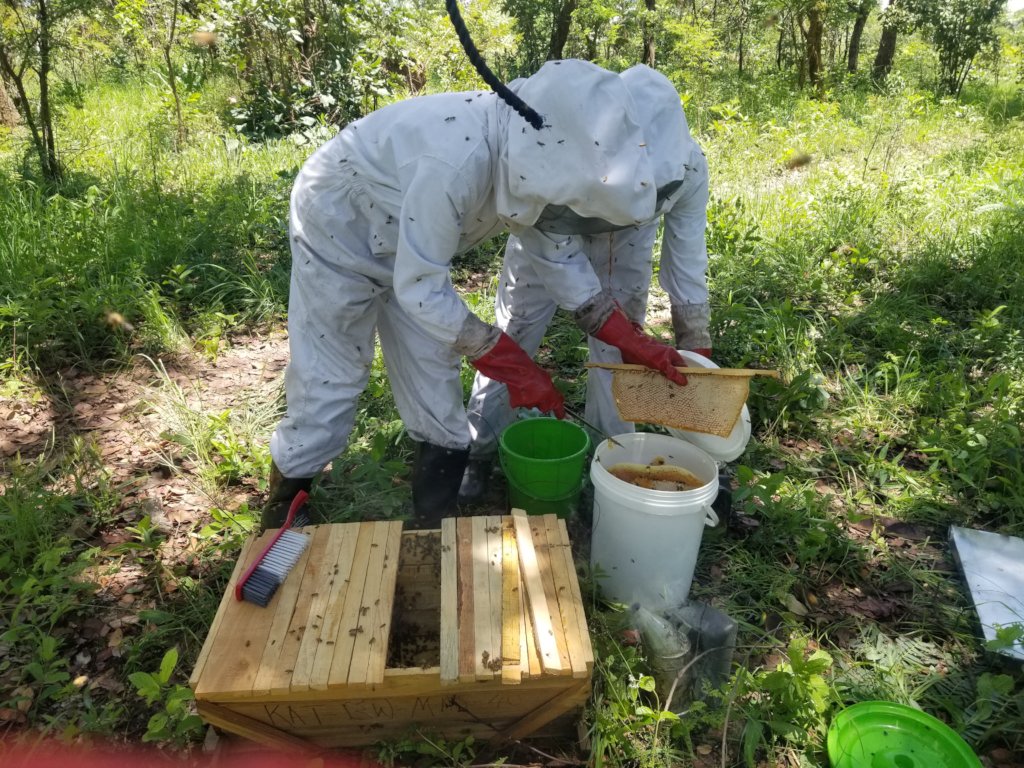
Katanino’s first honey harvest!  

Participating farmers in the Katanino project each receive up to five beehives to hang in their assisted natural regeneration plots. In December 40% of the beehives were harvested, delivering 2142 kg of honey. A December harvest is always the lowest, but despite this, the earnings from the honey represented around 10% of the annual cash income of households in this region. While there are other hives occupied and containing honey, the decision to select only 396 hives was based on advice from the experienced team in our sister project in Luanshya; the best results would come from beehives that had been occupied since April. A second harvest from the remaining plots will take place in July 2021.

Starting out in conservation agriculture

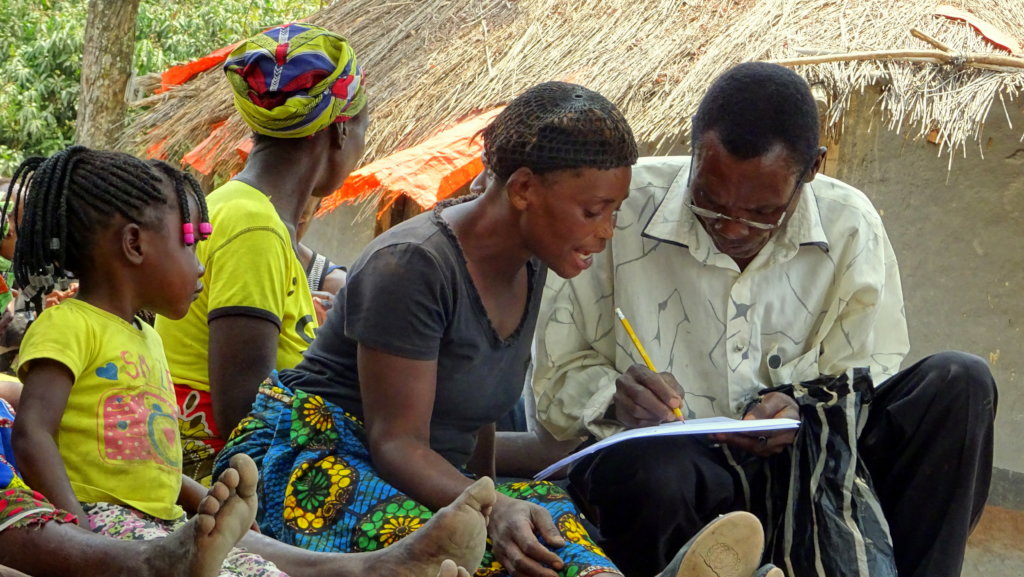
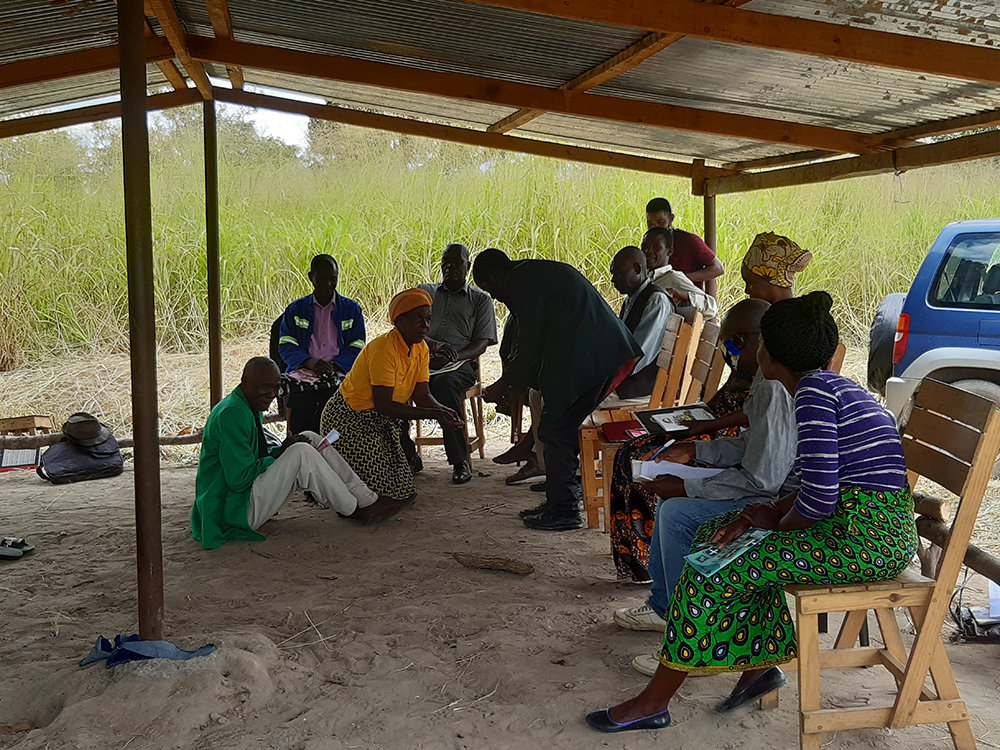
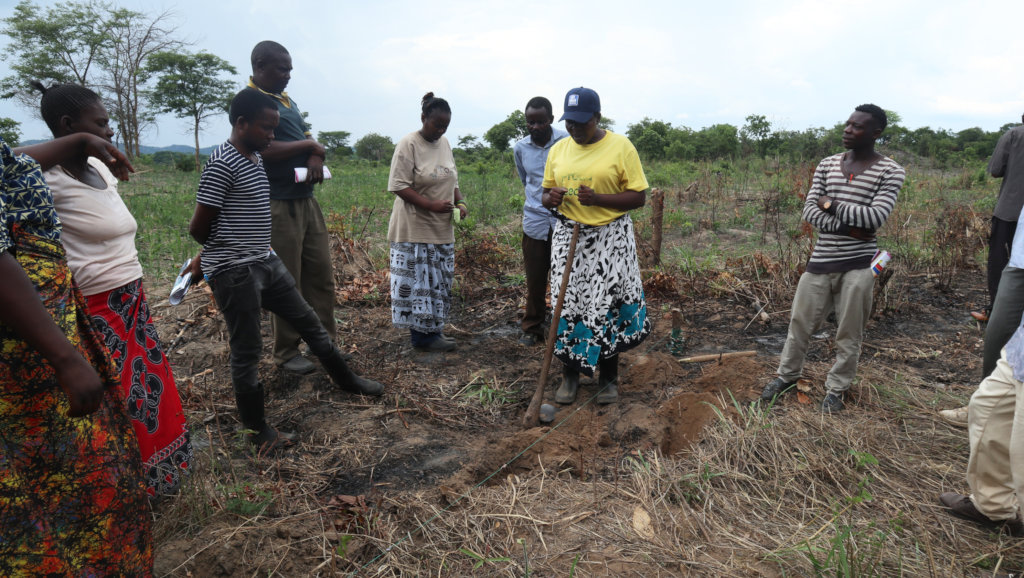
Promoting sustainable farming in Katanino enhances livelihoods and relieving pressure on forests. 2020 saw the start of the conservation agriculture programme; nine ‘lead’ farmers were trained, and will support their friends and neighbours in making the transition too. Five have already set up demonstration plots with maize and soybeans. Others planned for 2021 will increase soil fertility (they fix nitrogen in the soil) and include cowpeas, pigeon peas, sunhemp and Gliricidium sepium.

The nine lead farmers in conservation agriculture
Share on Twitter Share on Facebook

Oct 27, 2020
Stories from the dry season

By Vienna Leigh | Communications Manager at WeForest

Jun 30, 2020
Challenging gender stereotypes in community forest law enforcement

By Vienna Leigh | Communications Manager at WeForest

About Project Reports

Project reports on GlobalGiving are posted directly to globalgiving.org by Project Leaders as they are completed, generally every 3-4 months. To protect the integrity of these documents, GlobalGiving does not alter them; therefore you may find some language or formatting issues.

If you donate to this project or have donated to this project, you can receive an email when this project posts a report. You can also subscribe for reports without donating.


Sign up for updates

Organization Information

WeForest

Location: Brussels - Belgium
Website:
Facebook: Facebook Page
Project Leader:
Gaetan Magrin
Brussels , Belgium

Learn more about GlobalGiving

Teenage Science Students
Vetting +
Due Diligence

Snorkeler
Our
Impact

Woman Holding a Gift Card
Give
Gift Cards

Young Girl with a Bicycle
GlobalGiving
Guarantee

Get incredible stories, promotions, and matching offers in your inbox

WARNING: Javascript is currently disabled or is not available in your browser. GlobalGiving makes extensive use of Javascript and will not function properly with Javascript disabled. Please enable Javascript and refresh this page.