By Alexandra Dawe | Head of Marketing & Communications
Dear Friends,
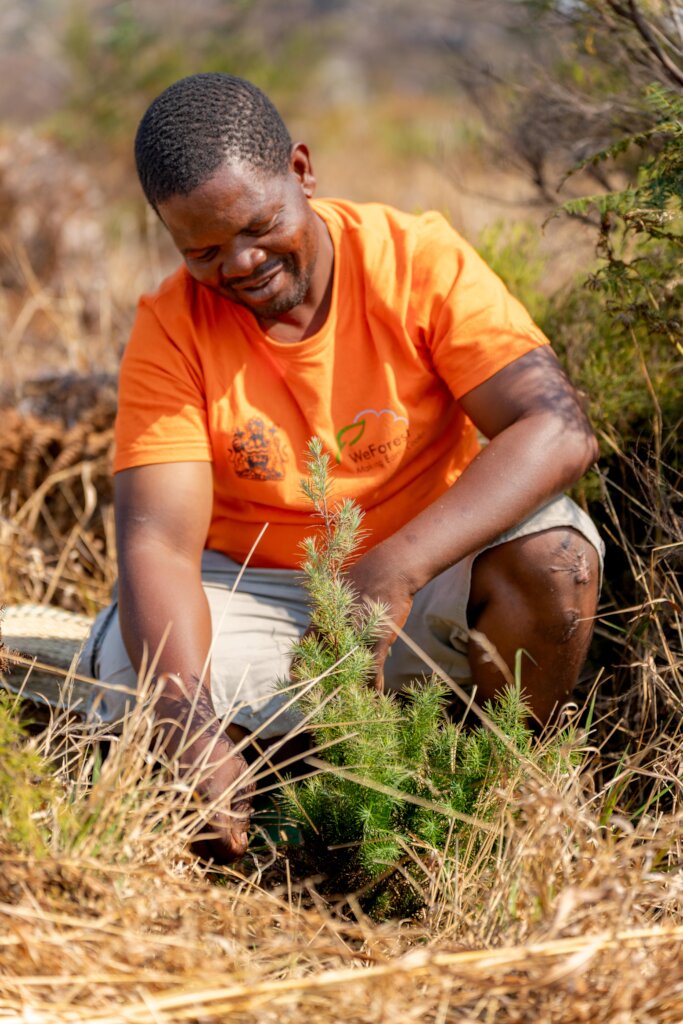
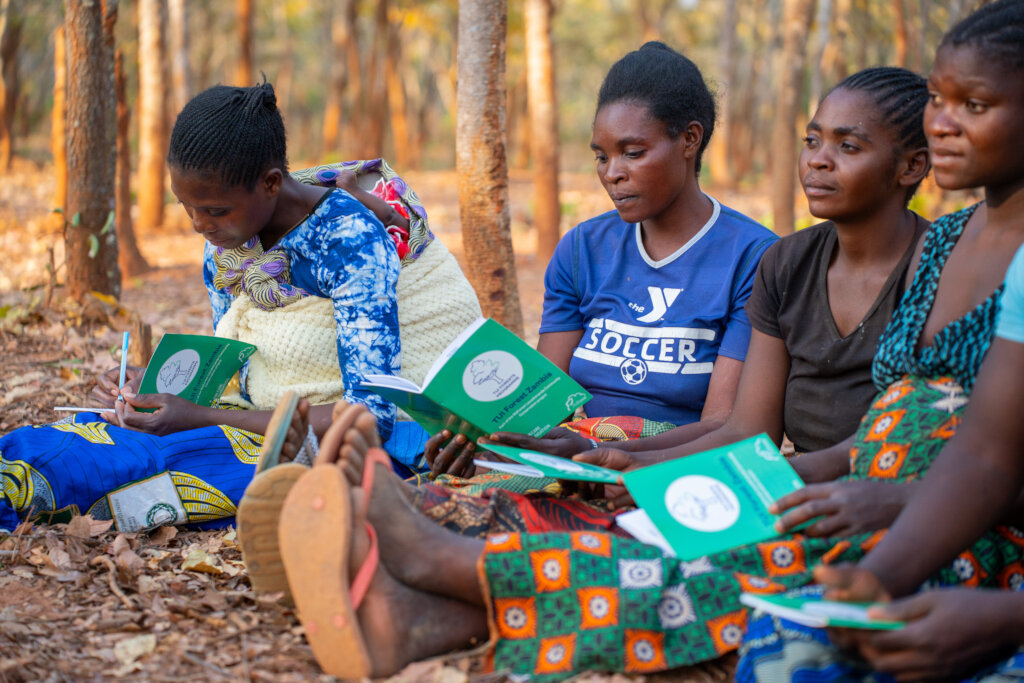
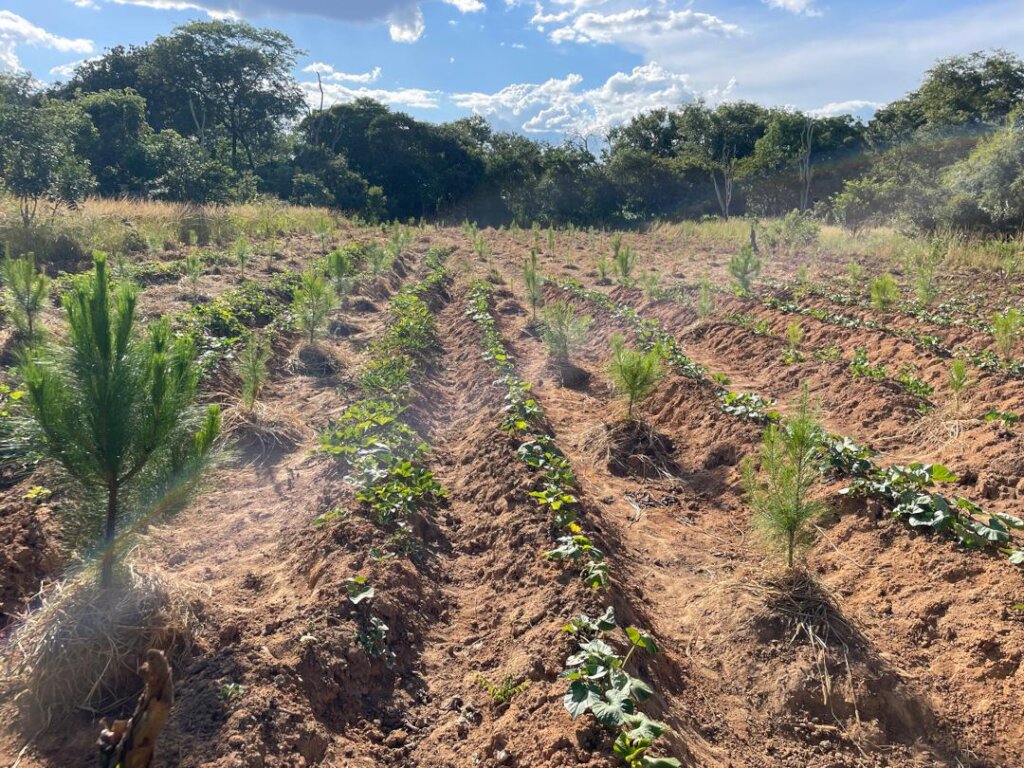
WeForest's Miombo Belt Regeneration Program works across three countries with a single conviction: that lasting forest restoration is only possible when the communities who depend on those forests are at the centre of it. Across Zambia, Tanzania, and Malawi, our teams partner with local communities, traditional leaders, and government authorities to combine landscape-scale conservation with community-led governance and diversified livelihoods.
ZAMBIA
Katanino Reserve
In the Katanino reserve, the Katanino Forest Trust was awarded a tender by One Acre Fund to supply 15,300 lemon rootstock seedlings, worth ZMW 382,500 (approximately USD 14,500),this marks a significant milestone in the Trust's journey toward sustainable, self-generated revenue that no longer depends on donor funding alone.
WeForest was also honoured to host the World Bank Vice President for Planet at the Katanino project. During his visit, community members shared how they have moved away from charcoal production to sustainable livelihoods, and he witnessed firsthand the forest's recovery — commending what he called the "communities' impressive work" and reaffirming the World Bank's commitment to funding similar community-led restoration.
Lavushimanda Community Conservation Project
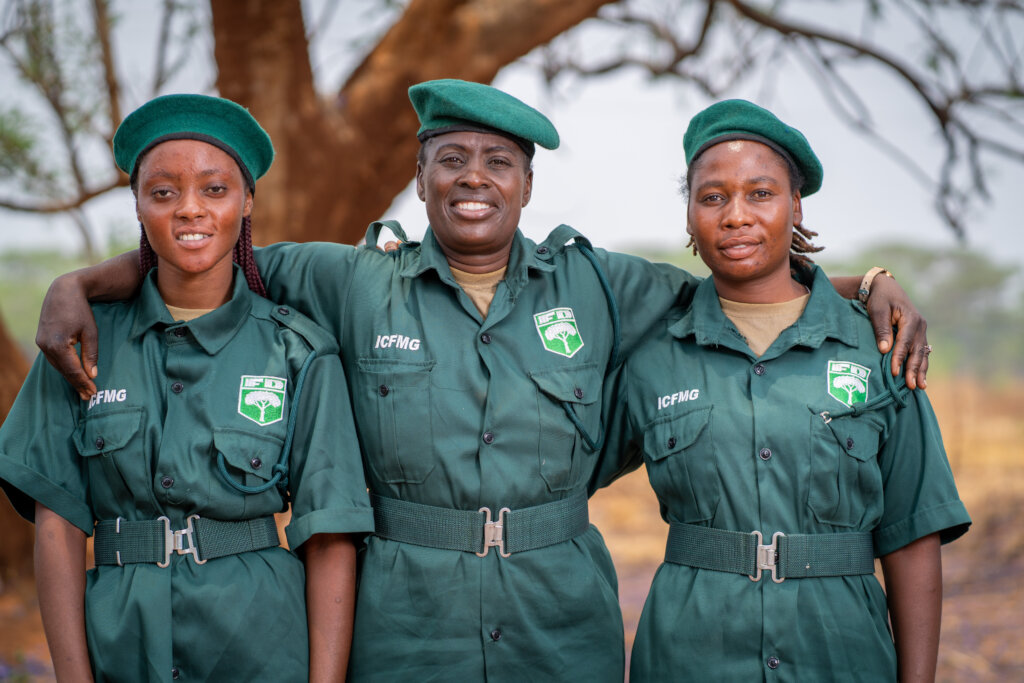
The Lavushimanda project strengthened its community governance structures, trained its first cohort of qualified wildlife scouts. Nine Community Scouts ( seven men and two women) successfully completed a four-month wildlife law enforcement training at Chunga Wildlife Training School, gaining certified skills in patrol operations and natural resource protection. These scouts are now active in the field making sure the forests are being protected.
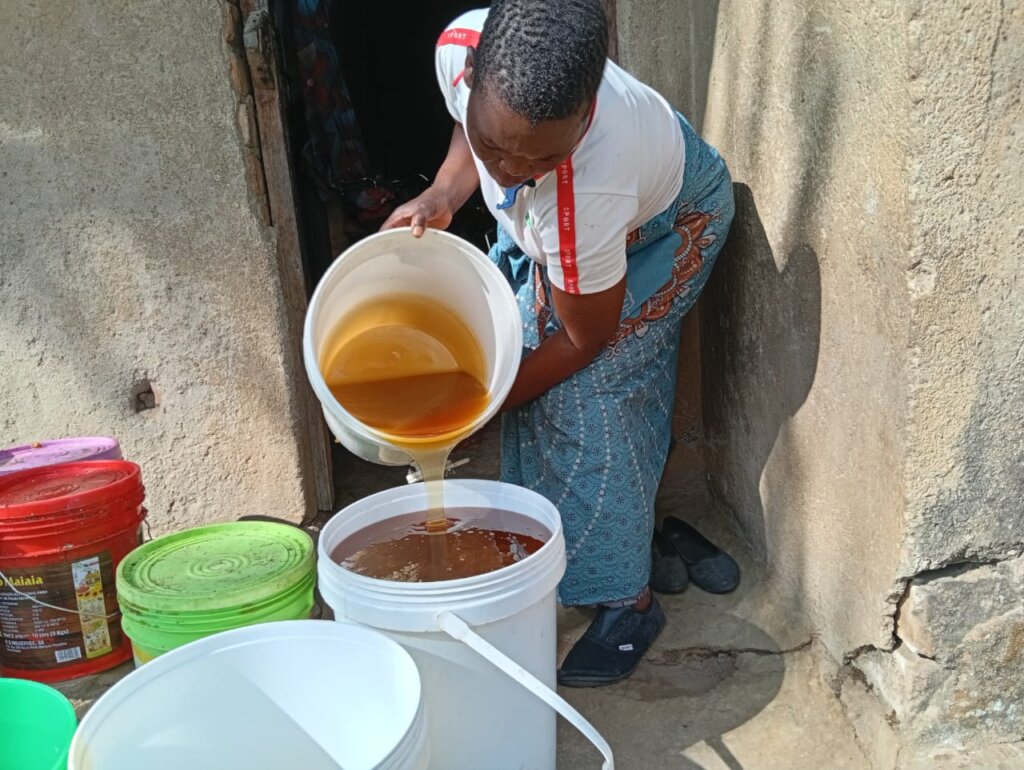
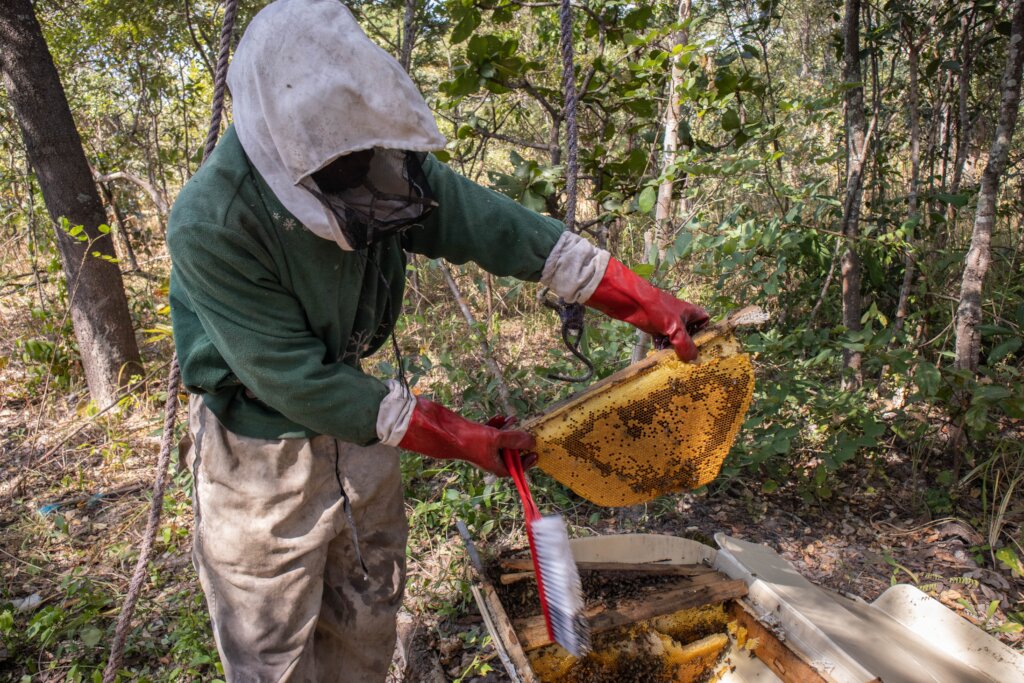
The project's beekeeping program completed its first full harvest and sales cycle, with 124 participating farmers producing 1,618 kg of honey. Agroforestry also continued to expand: 397 farmers established bean plots and 337 new agroforestry farmers were mapped this period, bringing the cumulative total of mapped agroforestry farmers to 477 individuals across the landscape.
Mukungule — Luangwa Valley
The Mukungule project focused this period on building the institutional foundations that will sustain conservation outcomes long after WeForest's direct support ends. A Sustainability and Exit Plan was drafted to guide the transition of project responsibilities to community institutions, covering governance, conservation, livelihoods, and market systems, a critical step in ensuring community ownership endures.
Capacity Development Plans were finalised for all 10 Beekeeping Enterprise Groups across the project area, providing each group with a three-year roadmap covering governance, financial management, and institutional sustainability, making the case to the District SME Office for public funding support.
Honey harvesting took place with 140 farmers harvesting 1,244 kg from 447 hives and generating ZMW 27,990 in sales. Refresher training reached 435 farmers across all ten groups, strengthening beekeeping, forest management, and entrepreneurship skills ahead of the next season.
TANZANIA
Mahele Agroforestry Project
In and around the Mahale landscape the project expanded its reach to new farmers, new wards, and new community audiences in its second year of implementation. Over 218,000 seedlings were distributed to 164 farmers in the planting season, spanning fruit, timber, and multipurpose agroforestry species.
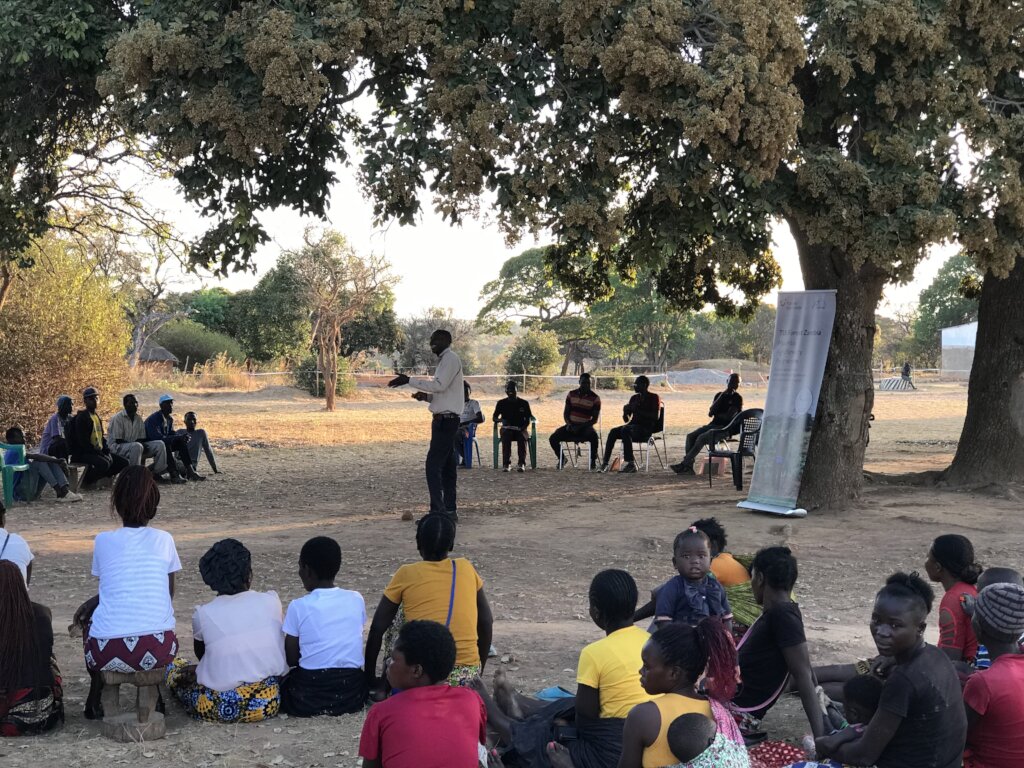
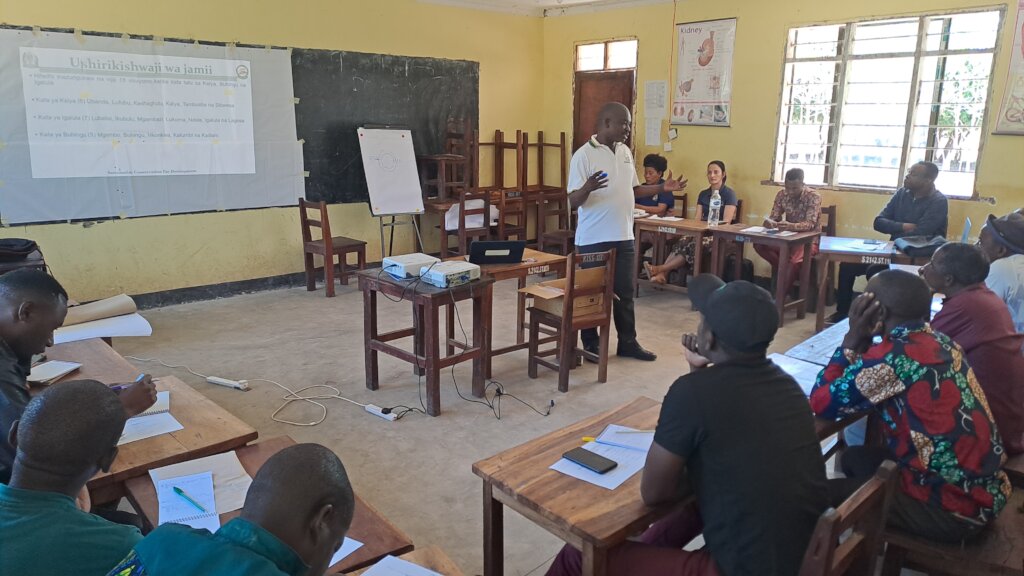
An Environmental Education Program was launched with 18 sessions planned for government leaders, traditional leaders, women, youth, and teachers — building the shared understanding of forest conservation and agroforestry that underpins long-term behaviour change in the landscape.
MALAWI
Mount Mulanje Biosphere Reserve
In the Mount Mulanje Biosphere Reserve the project deepened governance, extended its footprint into a new Forest Block, and continued to grow its agroforestry and beekeeping programs. Agroforestry expanded significantly, with 63 new Lead Farmers brought on board to bring the total to 198 Lead Farmers supporting 5,415 farmers. Approximately 325,000 agroforestry seedlings have been planted so far in the current season, with materials already procured for the 2026/27 cycle.
The beekeeping program now supports 348 beekeepers managing 898 hives. In this period, 399 kg of honey was harvested and sold, generating MWK 1,854,000 (approximately USD 1,059) in income, with business and financial literacy training delivered alongside to help beekeepers manage and grow their earnings.
Thanks to your ongoing support we can continue to build our impact in these important miombo forests.
Alexandra
P.S. Follow us on social media to get regular updates of our work: Facebook; Instagram & LinkedIn & read our 2025 Annual Report to understand where your money goes.
By Alexandra Dawe | Head of Marketing & Communications
By Gaetan Magrin | Sponsorships and Partnerships Coordinator
Project reports on GlobalGiving are posted directly to globalgiving.org by Project Leaders as they are completed, generally every 3-4 months. To protect the integrity of these documents, GlobalGiving does not alter them; therefore you may find some language or formatting issues.
If you donate to this project or have donated to this project, you can receive an email when this project posts a report. You can also subscribe for reports without donating.



Support this important cause by creating a personalized fundraising page.
Start a Fundraiser