By Gaetan Magrin | Sponsorships and Partnerships Coordinator
Dear friend,
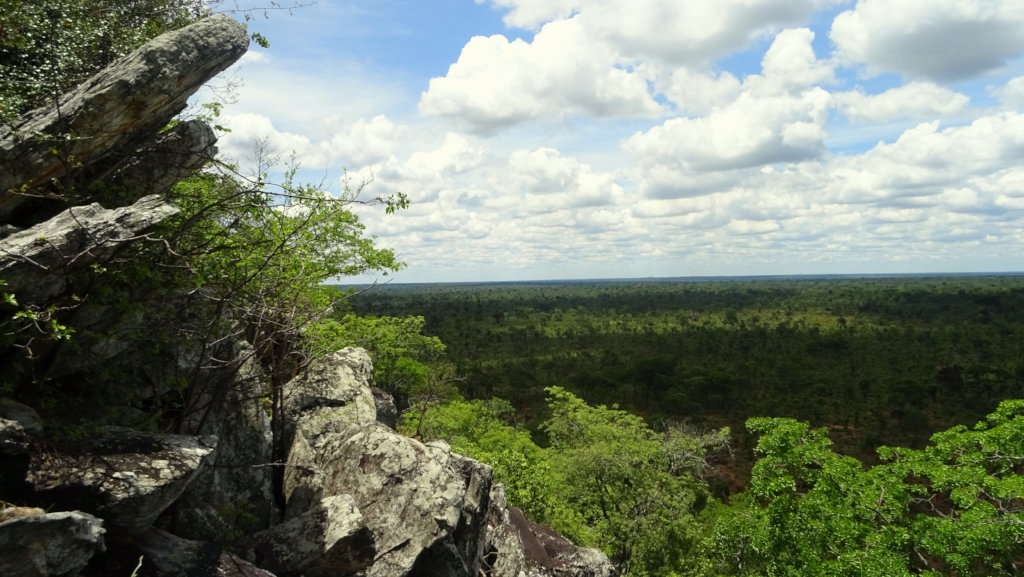
The Miombo woodlands remain a lifeline for millions across southern Africa, yet pressures from unsustainable land use and climate change continue to threaten these vital ecosystems. Thanks to your support, WeForest is working hand in hand with communities to strengthen forest stewardship, improve livelihoods and promote climate-smart solutions rooted in local leadership.
Copperbelt’s Forest Restoration Project
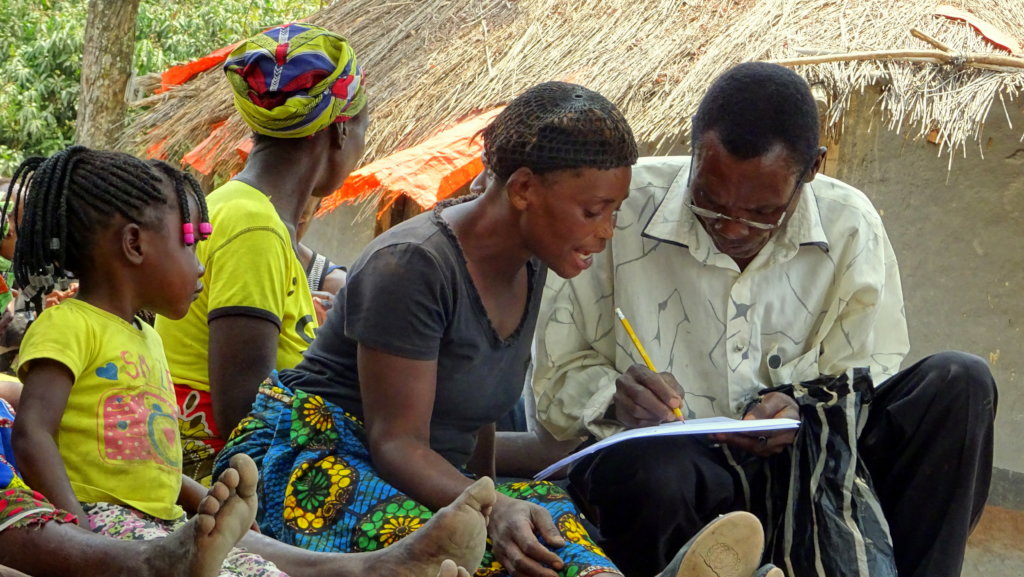
In Zambia’s Copperbelt, a survey across the Imanda Community Forest Area documented tree species diversity and distribution patterns, strengthening the foundation for restoration planning. Eight awareness meetings on sustainable forest management were held, and 128 farmers were trained in sustainable forest management, agroforestry, land-use planning and business skills. A further 155 farmers joined the beekeeping scheme, with their miombo plots verified for conservation and assisted natural regeneration. Over 20,000 kg of honey were harvested from beehives belonging to 349 farmers, with an average yield of 19 kg per occupied hive—demonstrating how forest protection and income generation go hand in hand.
Climate-smart innovation is also gaining momentum. Twenty lead farmers were selected for the Climate Smart Agriculture project, and surveys on manure management informed the piloting of methane-reducing technologies for dairy production. Thirty-five participants were trained in biodigester construction and maintenance, leading to the installation of eight biodigesters. The Behaviour-Centered Design campaign was launched at the Forest Landscape Restoration Indaba and the District Agriculture Show, complemented by four radio programmes promoting sustainable forest management and green businesses.
Katanino’s Forest Restoration Project
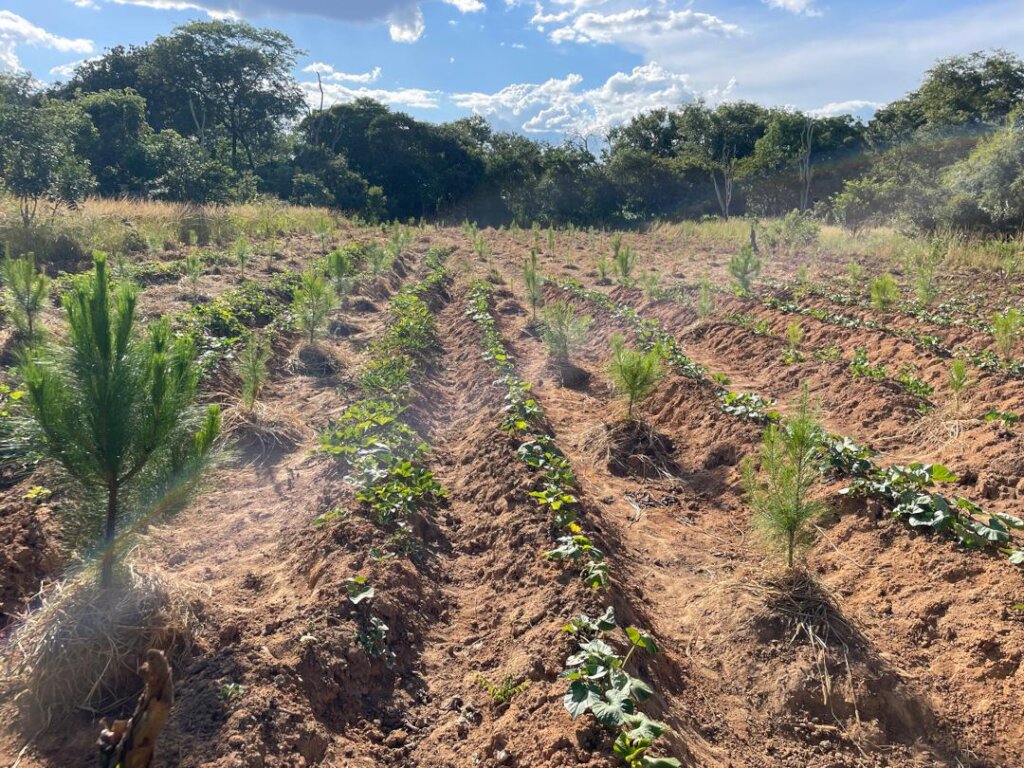
At Katanino Forest Reserve, restoration and resilience efforts continue to grow. A total of 181,801 pine and agroforestry seedlings were planted, while fire response teams were established across five project zones and 25 community members were trained in fire management. Five camera traps are now monitoring wildlife presence. Beekeeping remains a cornerstone of livelihoods: 440 beekeepers—75% of them women—attended refresher training, 1,400 hives were baited, 750 repaired, and nearly 5,000 hives are now active across 998 plots. A successful renegotiation of comb honey prices increased returns for producers, and 29 households diversified their livelihoods further by receiving goats.
Mukungule’s Forest Restoration Project
In Mukungule, all ten Village Action Groups underwent organizational assessments, revealing strong conservation motivation and agroforestry skills, alongside opportunities to strengthen capacity, gender inclusion and resource mobilization. Honey value chain coordination meetings resulted in the selection of a buyer and improved harvest planning. While mid-year honey sampling showed some challenges—with empty hives likely due to environmental stressors—signs of brood recovery offer hope. Exchange visits with Katanino strengthened peer learning, and post-harvest meetings helped communities better understand market dynamics and align on next steps during project transition.
Across landscapes, from biodiversity monitoring to biodigesters, from seedlings to sustainable honey markets, your generosity is helping communities protect and restore the Miombo while building resilient local economies.
With gratitude,
The WeForest Team
Links:
Project reports on GlobalGiving are posted directly to globalgiving.org by Project Leaders as they are completed, generally every 3-4 months. To protect the integrity of these documents, GlobalGiving does not alter them; therefore you may find some language or formatting issues.
If you donate to this project or have donated to this project, you can receive an email when this project posts a report. You can also subscribe for reports without donating.



Support this important cause by creating a personalized fundraising page.
Start a Fundraiser