By Vienna Leigh | Communications Manager at WeForest
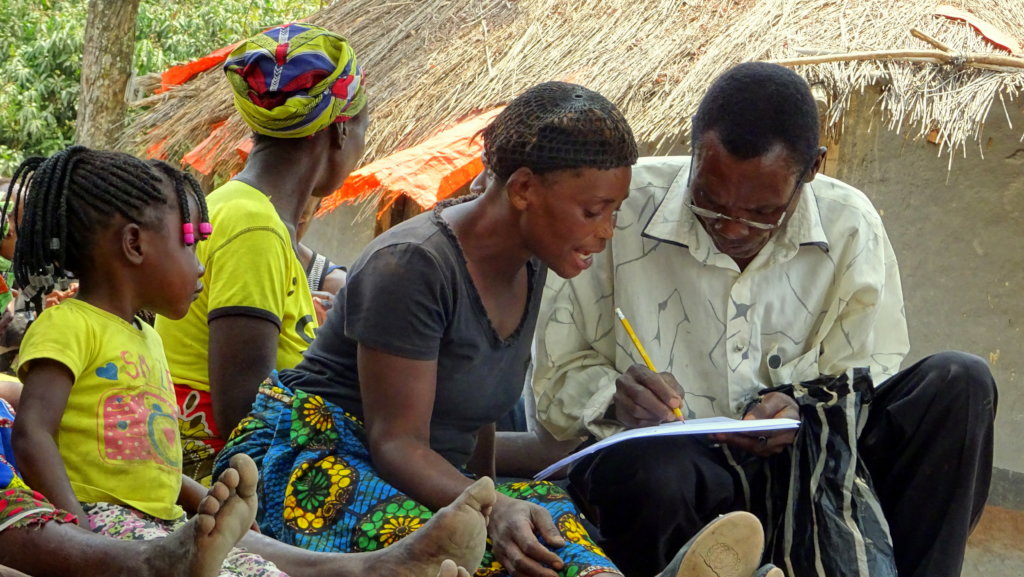
WeForest’s restoration project here supports local families in taking up alternative income-generating activities to reduce pressure on the forest. Farmers who set aside part of their land to be restored with miombo woodland using Assisted Natural Regeneration also receive up to five beehives each. Their second harvest yielded an average of 40kg of honey per 5 hives, around 40% more than the first harvest in December. That translates to a useful boost in income for the households taking part. In the picture above, field officer Mr. Nyoni from Nature Nectar, one of the companies that buys Katanino honey, is meeting the farmers on the beekeeping programme to carry out the purchase.
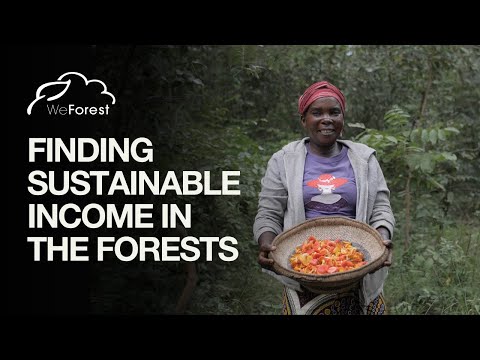
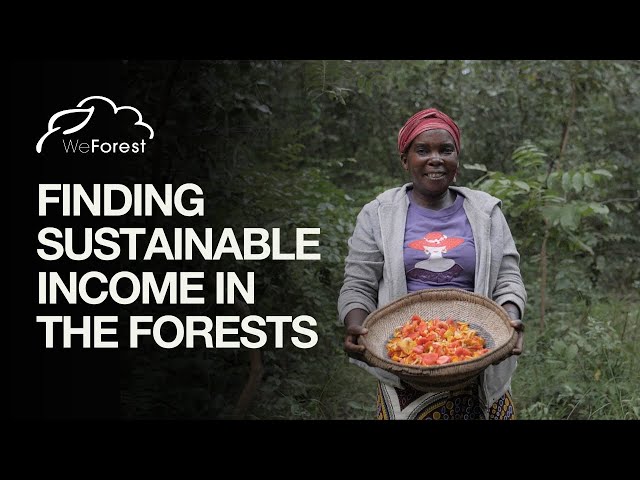
Cultivating mushrooms is another livelihood that can make a positive contribution to forest restoration and increased food security for households. The Katanino restoration project is empowering local women in oyster mushroom production (below), including promoting sustainable mushroom collection from areas both inside and outside the Forest Reserve.
Project reports on GlobalGiving are posted directly to globalgiving.org by Project Leaders as they are completed, generally every 3-4 months. To protect the integrity of these documents, GlobalGiving does not alter them; therefore you may find some language or formatting issues.
If you donate to this project or have donated to this project, you can receive an email when this project posts a report. You can also subscribe for reports without donating.



Support this important cause by creating a personalized fundraising page.
Start a Fundraiser