By Vienna Leigh | Communications Manager at WeForest
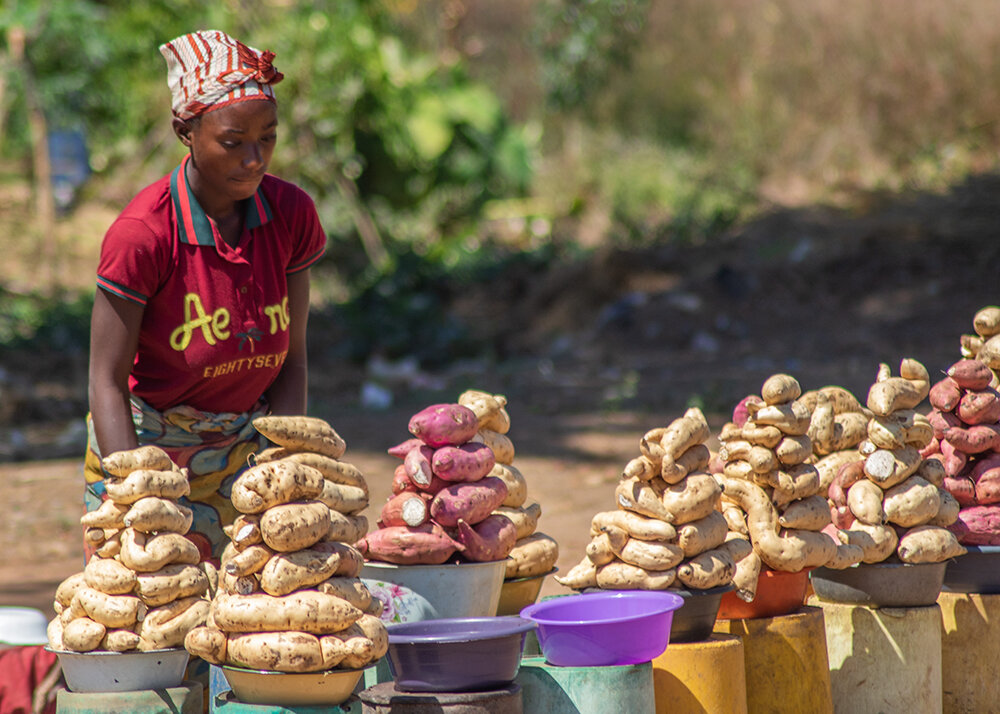
At the same time as being a sustainable and profitable way for smallholder farmers to grow cash crops for food security, nutrition and consistent income, agroforestry systems improve natural resources such as soil and water by the presence of trees, which also sequester carbon as they grow.
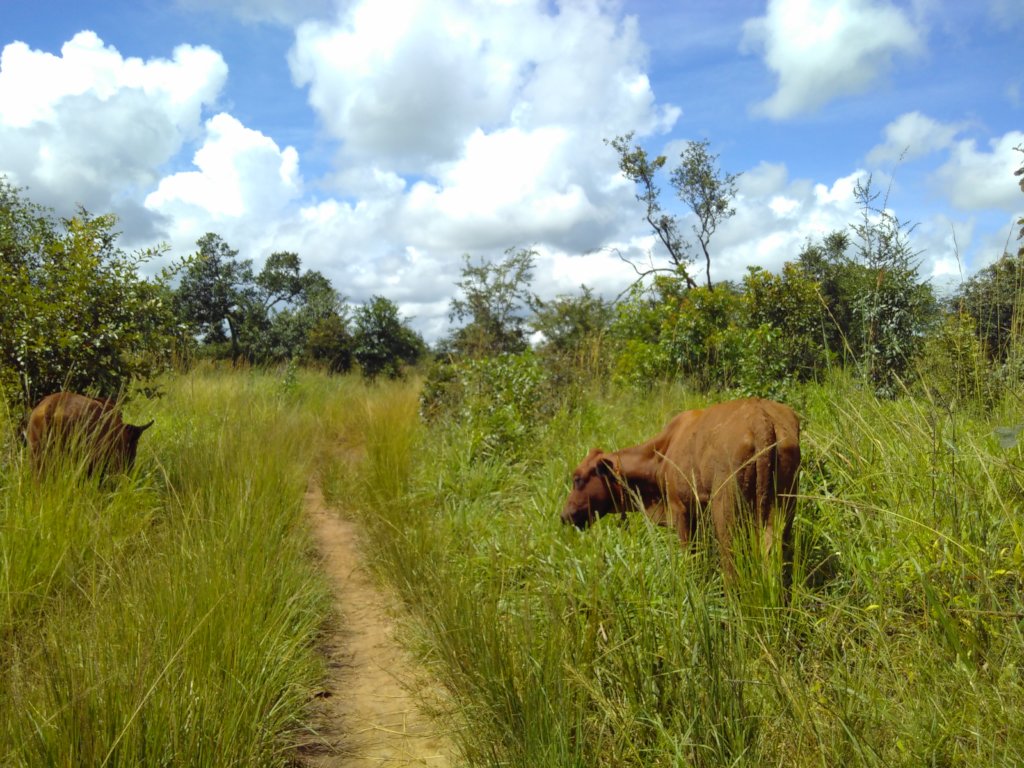
There are two agroforestry approaches in Katanino: the Conservation Agriculture Programme, integrating trees with traditional crops, and the Silvopastoral Programme, introducing trees into an animal farming system.
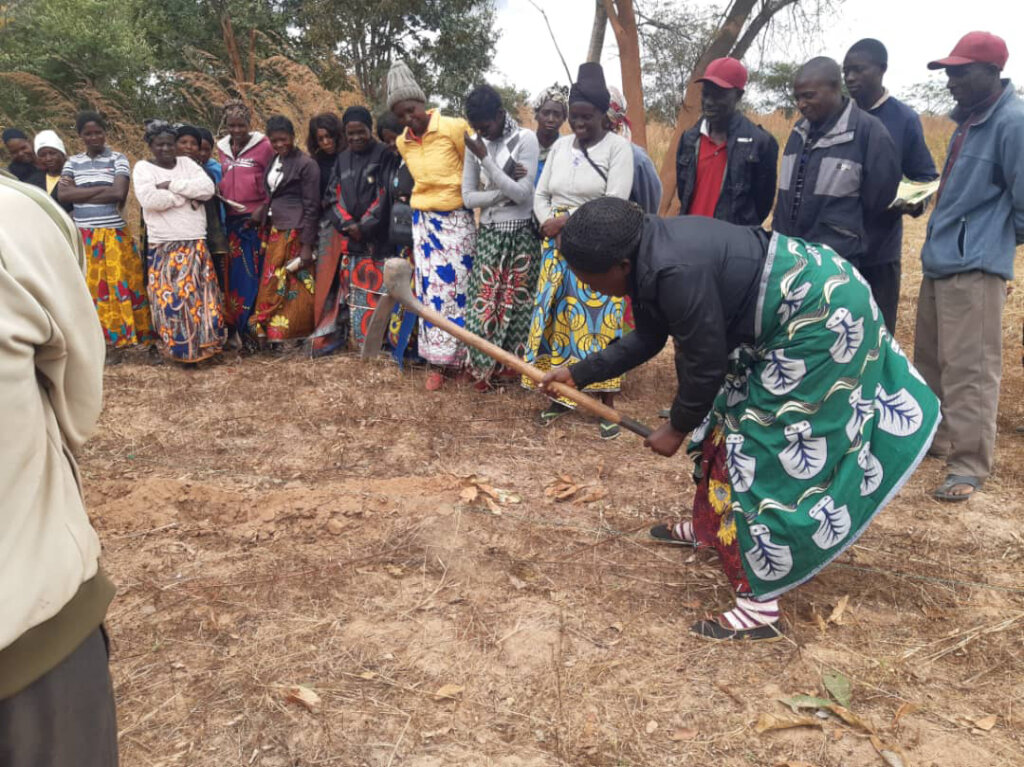
In the Conservation Agriculture Programme, participating farmers receive agroforestry trees – including Moringa oleifera, Leuceana leucocephala and Gliricidia sepium – to grow among their crops of maize and soya beans. Last year’s farmers have seen an improvement in yields of 40% compared to conventional farming. These Conservation Agriculture farmers are practising minimum tillage during a training session. They also learn crop rotation and planting and pre-harvesting techniques to make sure their agroforestry systems are a success.
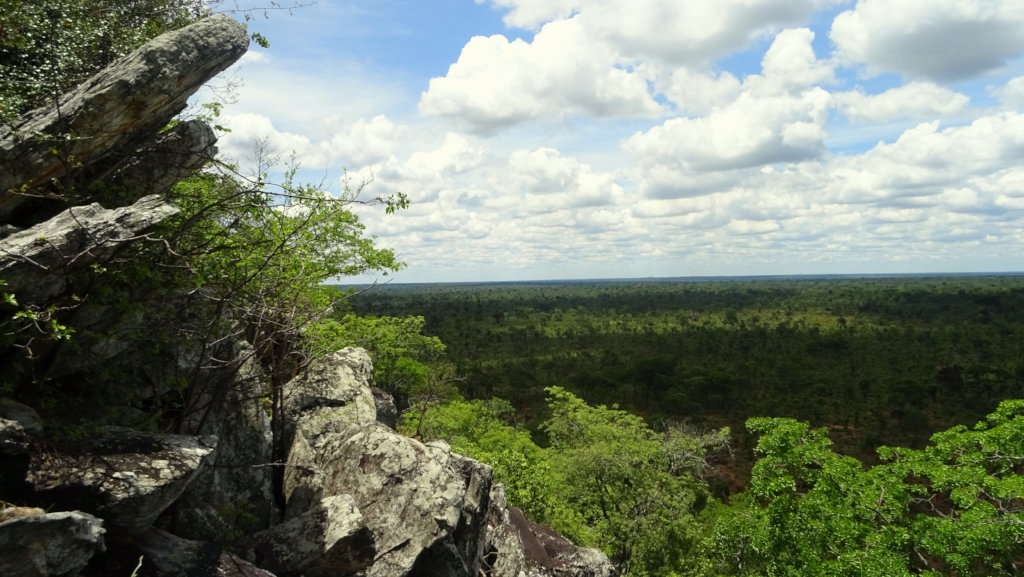
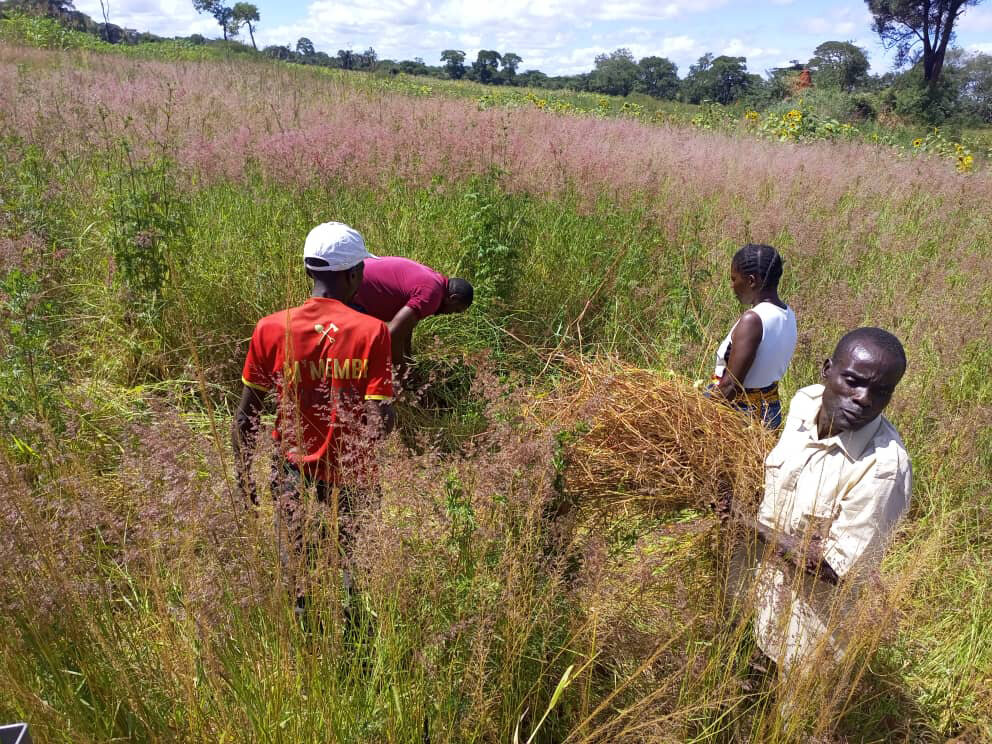
Farmers in the Silvopastoral Programme plant agroforestry seedlings on their pasturelands, which will grow as fodder for their goats that the project will provide. These families in the Silvopastoral Programme are gathering grass to make hay. Hay provides forage for goats during the dry period (May-November) when there is no fresh grass for them to eat. Hay is harvested in both Assisted Natural Regeneration (ANR) plots on farmlands and inside the forest reserve, which significantly reduces the biomass that can help wildfires spread in the forest.
Thank you for helping to make all this possible!
Project reports on GlobalGiving are posted directly to globalgiving.org by Project Leaders as they are completed, generally every 3-4 months. To protect the integrity of these documents, GlobalGiving does not alter them; therefore you may find some language or formatting issues.
If you donate to this project or have donated to this project, you can receive an email when this project posts a report. You can also subscribe for reports without donating.



Support this important cause by creating a personalized fundraising page.
Start a Fundraiser