By Gaetan Magrin | Sponsorships and Partnerships Coordinator
In 2024, WeForest’s Miombo Belt programme continued to scale its impact across Malawi and Zambia, working hand in hand with local communities to restore degraded forests, strengthen forest governance, and improve rural livelihoods. Despite climate-related challenges, the year was marked by resilience, innovation, and tangible progress in co-management, agroforestry, and sustainable income generation across three key project areas.
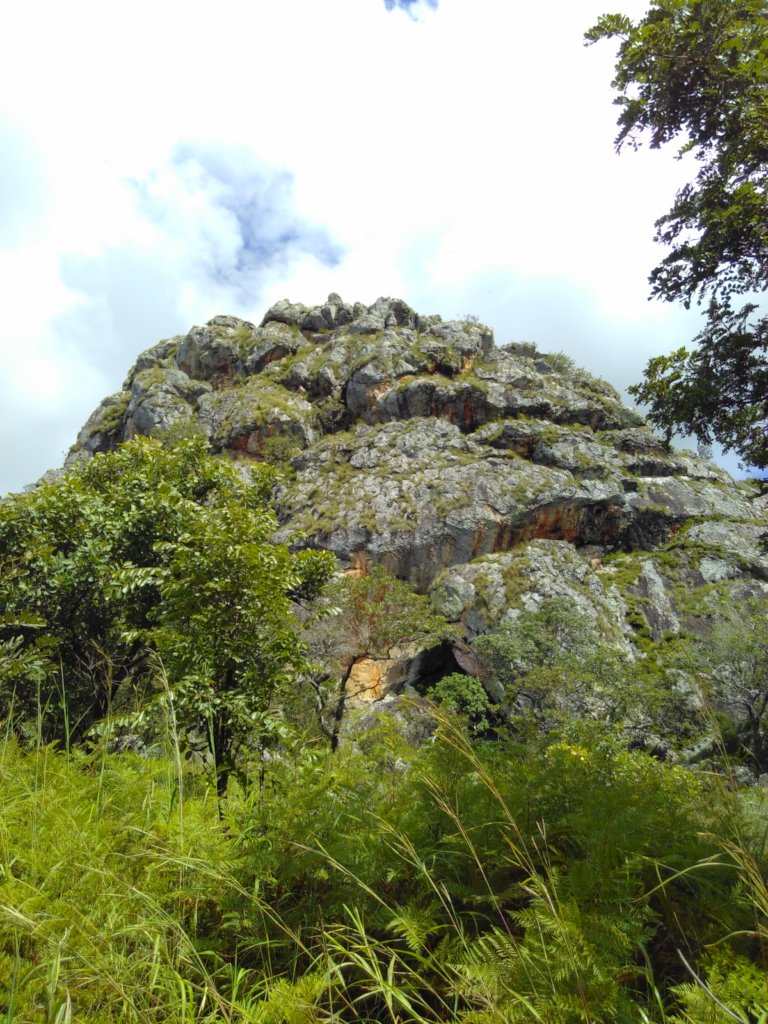
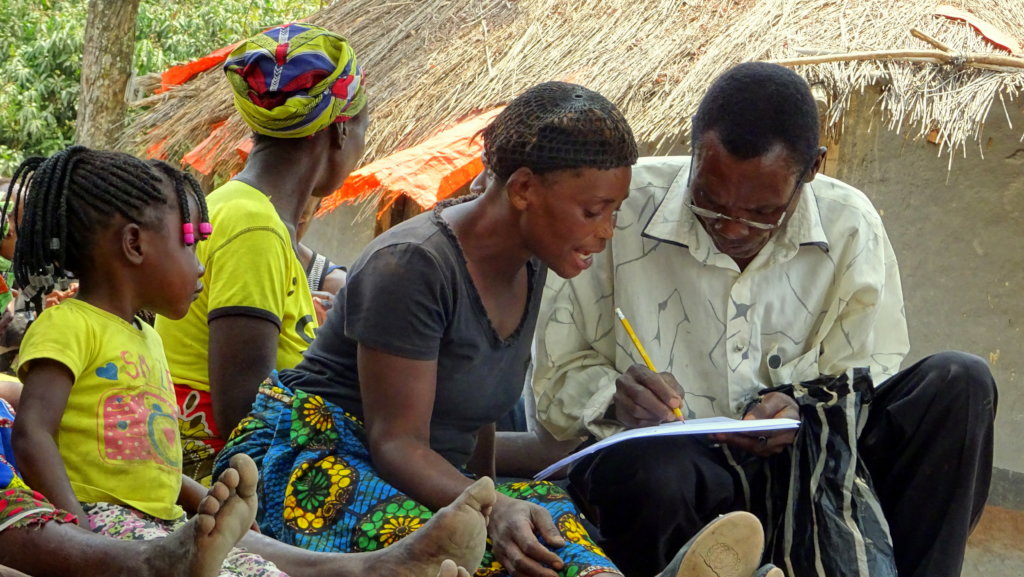
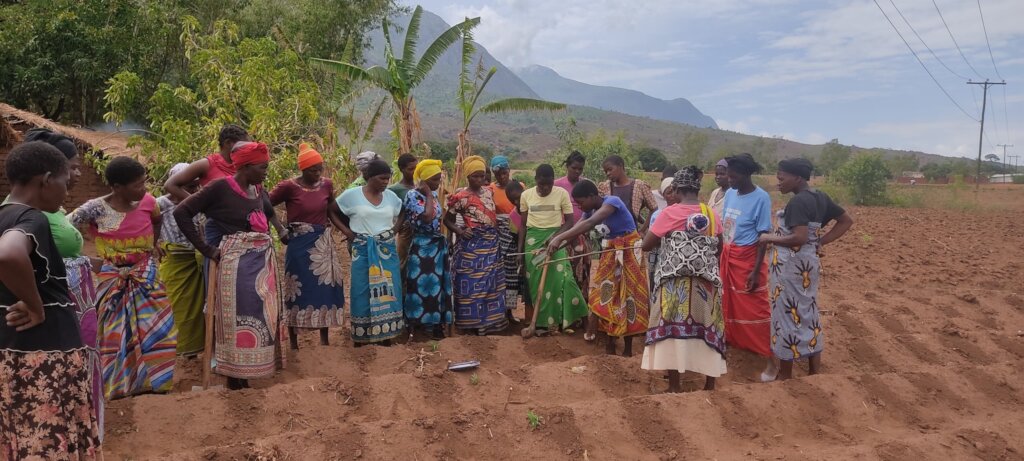
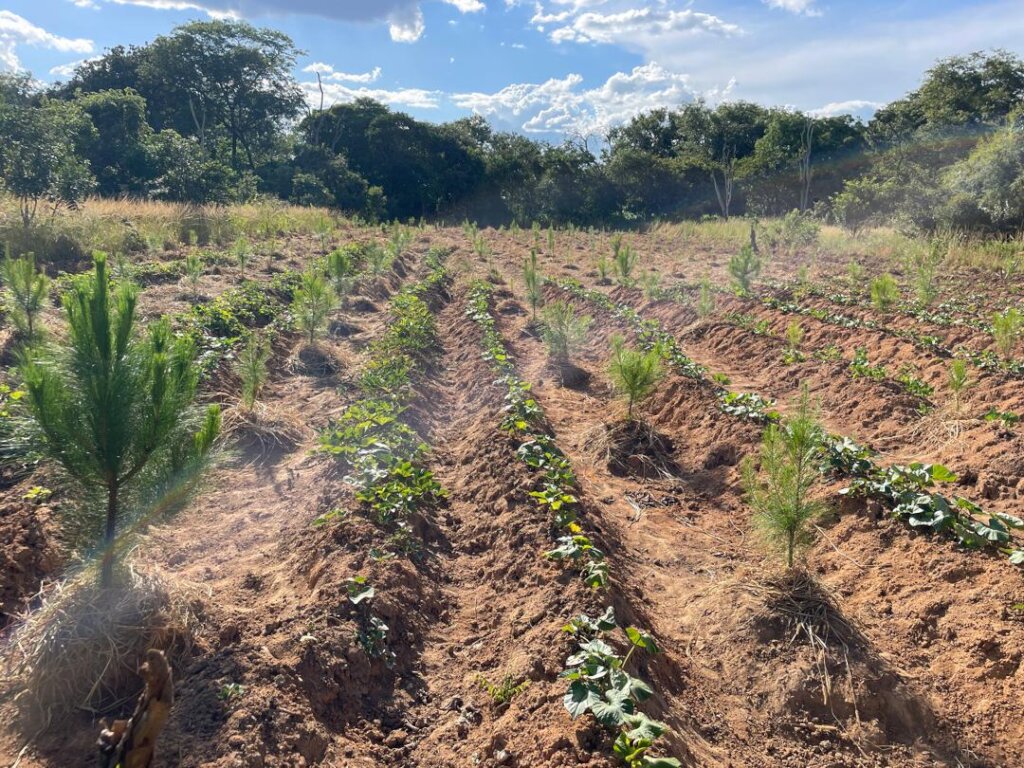
This year, significant progress was made in the co-management and restoration efforts of forest blocks in Mount Mulanje, Malawi. The Forest Management Plans for Kazembe and Tchete were officially signed, providing a sustainable framework for forest practices until 2029. Key achievements included the training of 66 community scouts by the Malawi College of Forestry and Wildlife, the development of 20 Forest Action Plans for 20 villages, and the establishment of nine Village Natural Resources Committees in Phalombe district. Over 75,000 agroforestry seedlings were planted, and 340,000 more seedlings were prepared for future planting seasons. Additionally, 41 Permanent Monitoring Plots were set up to track forest changes, and extensive fire management training was provided to communities, with firebreaks covering 184 kilometers of the project area.
Despite challenges such as prolonged dry conditions and persistent fires affecting forest regeneration, the project showed resilience in adapting to these obstacles. The drought, linked to the El Niño phenomenon, impacted planting success, particularly with pigeon pea seedlings, but efforts to enhance soil moisture retention were implemented. The ongoing battle with forest fires, exacerbated by poaching and encroachment, led to the development of fire monitoring tools and the distribution of firefighting equipment to local committees. As of 2024, the project has positively impacted 12,018 households, planted 540,591 trees, and sequestered an estimated 847,355 tons of CO2. Looking ahead to 2025, the focus will be on expanding co-management to a third forest block, improving fire management, and strengthening local livelihoods through beekeeping and agroforestry activities.
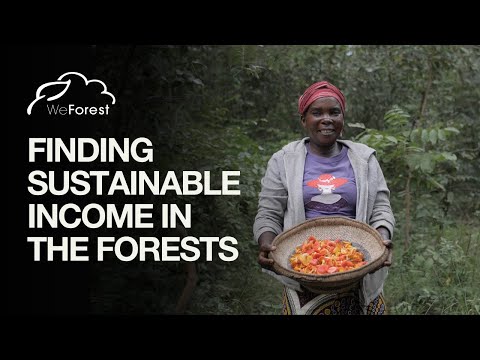
In 2024, the Katanino Forest Trust (KFT) in Zambia experienced significant growth, particularly in income generation, with a notable increase in honey harvests. This success has helped fund plans for orchard development as part of the Joint Forest Management Committee's (JFMC) broader strategy to diversify its income streams. The project received recognition as the best economic contributor in Masaiti District at the 2024 Labour Day celebrations. Key governance milestones included the finalization of the Katanino Forest Management Plan, the formal signing of the Katanino Forest Trust constitution, and the adoption of a monitoring protocol for sustainable charcoal production. On the ground, forest conservation efforts included the planting of 180,434 agroforestry and pine seedlings, the establishment of sustainable forest management practices in the buffer zone, and the deployment of camera traps, which revealed diverse wildlife presence in the reserve.
Challenges faced in 2024 included a significant rise in illegal activities, exacerbated by food and income shortages following a prolonged drought, and an increase in wildfires within the forest reserve. To address these issues, the project is set to implement a mobile geo-targeting application to enhance monitoring and law enforcement. Additionally, community fire response groups will be trained and equipped to mitigate wildfire risks. Despite these challenges, the project continued to advance its mission, with over 374,000 trees planted and significant progress in agroforestry and conservation agriculture. Looking forward to 2025, the Katanino Restoration Project will focus on enhancing its monitoring and evaluation efforts, conducting external and mid-term evaluations, and strengthening the capacity of local governance structures to ensure the long-term sustainability of its forest restoration and livelihood initiatives.
In Zambia’s Copperbelt Province, the Imanda Community Forest Management Group (ICFMG) achieved significant 2024 milestones, including the official recognition and granting of community forest user rights, empowering the community to manage the Imanda Community Forest Area. A new farm- and forest-based beekeeping model was developed through a participatory approach, replacing the previous handout-based system. Additionally, a three-year grant of £386,345 was secured from Jersey Overseas Aid to support the scaling of agroforestry interventions. These achievements are indicative of the growing capacity and autonomy of local communities in sustainable forest management and livelihood development.
The project made considerable progress in forest governance and conservation, with 2238 hectares of land now under community forest management and 840 hectares dedicated to beekeeping conservation. Over 125 farmers were trained in agroforestry, beekeeping, and business management, with 1168 beehives distributed to local farmers. Despite challenges such as a reduced honey yield due to drought conditions, the project responded by scaling up climate-smart agriculture training. As the project moves forward, it will continue to focus on enhancing forest conservation, promoting sustainable agricultural practices, and fostering community resilience to climate change.
Thank you for supporting us again this year. Your continued partnership enables this important work to thrive, empowering communities and restoring landscapes across the Miombo Belt. We look forward to building on this progress together in 2025.
Links:
Project reports on GlobalGiving are posted directly to globalgiving.org by Project Leaders as they are completed, generally every 3-4 months. To protect the integrity of these documents, GlobalGiving does not alter them; therefore you may find some language or formatting issues.
If you donate to this project or have donated to this project, you can receive an email when this project posts a report. You can also subscribe for reports without donating.



Support this important cause by creating a personalized fundraising page.
Start a Fundraiser