By barotte cindy | Project Leader
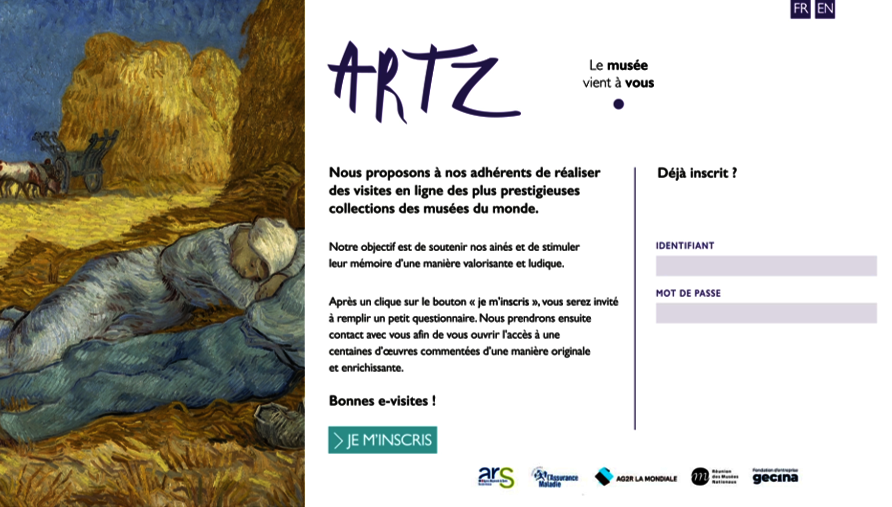
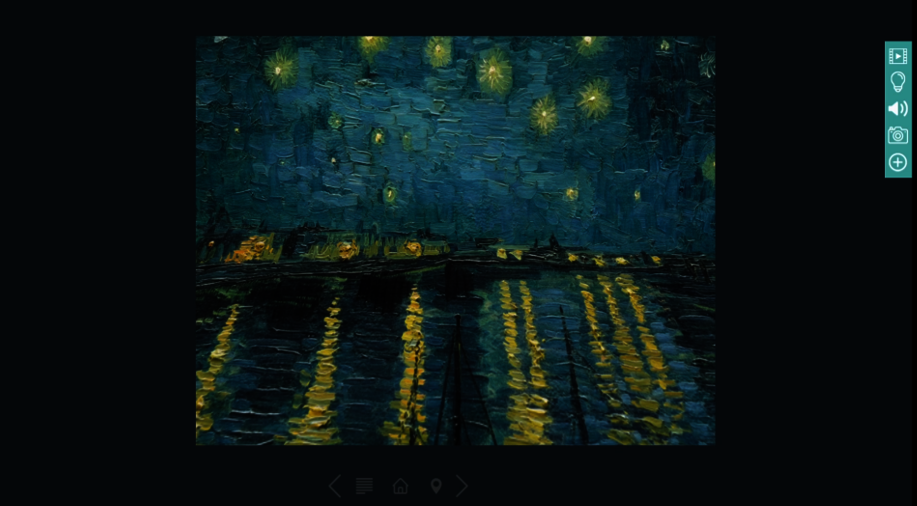
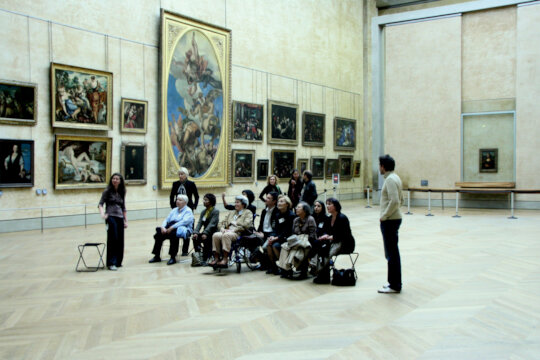
Thanks to your support, the association was able to create a commentary on a tour dedicated to Georges de la tour. This tour allowed more than 40 seniors to discover the association's online application and to sign up for regular visits to the museum.
On the occasion of Christmas, ARTZ presents how Georges de la Tour revolutionized the representation of nativity scenes in the adoration of the Shepherds painted around 1645 :
Five adults sit in an arc around an infant swaddled in a white cloth in a stable. On the left, a woman dressed in an oversized orange dress seems to be praying, her hands joint. Opposite to her, on the right, a bearded man holds a candle, protecting the flame with his hand. In the center, we distinguish three other figures: a man with a mustache and with a shepherd's staff, another man with a flute and a woman holding a bowl. A little lamb, eating hay, gently bends its head towards the baby.
No sign makes it possible to recognize Jesus, the Virgin Mary, and Joseph immediately. There is no halo, angel, wise man, Star of Bethlehem, or even staging, contrary to the classical representations of the nativity. We can compare this work to the Adoration of the Magi by Dolci Carlo, painted in 1649. Georges de la Tour represents the birth of Jesus as a scene of peasant life. The attitudes of the characters, the light and the discreet presence of the lamb signal the exceptional character of the event. All are bent over the Child, meditating and looking at him with an attitude full of admiration. Some of the light seems to emanate from the infant's body. Finally, the discreet presence of the lamb represents the future sacrifice of Jesus.
As in many of de La Tour's paintings, the light comes from a candle, here held by Joseph. Georges de la Tour is particularly fond of the play of light and shadow. This lighting gives an intimate feeling to the scene, reinforced by the meditative expression of the characters, their physical proximity and the neutral background. The long flame gradually illuminates the figures as if they were touched by divine grace. The warm and benevolent atmosphere is reinforced by the warm tones of the colours used, especially the red and orange tones.
Georges de la Tour depicted the Holy Family in the environment of the 17th-century peasantry, which made it more accessible for the faithful to project themselves into this biblical scene. The painting perhaps suggests that Jesus was born among the most humble and that his message is addressed to all the faithful. The painter creates a realistic work close to his contemporaries while affirming its sacred character through an admirable use of light. The scene is intimate, the faces and gestures are particularly expressive, and the play of light and shadow underlines this expressiveness. It evokes, without any doubt, our own emotions when facing with the birth of a newborn. This is much less the case in the Adoration of the Shepherds, painted in 1539 by Agnolo Bronzino.
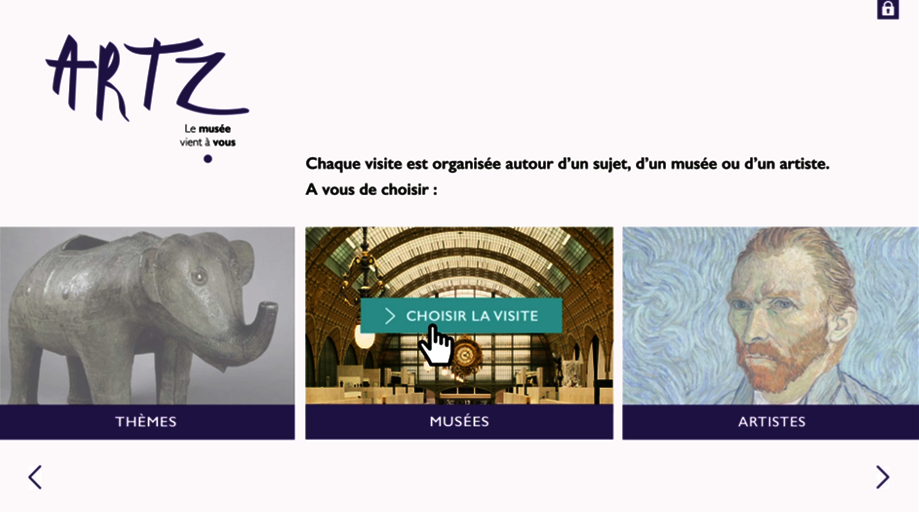
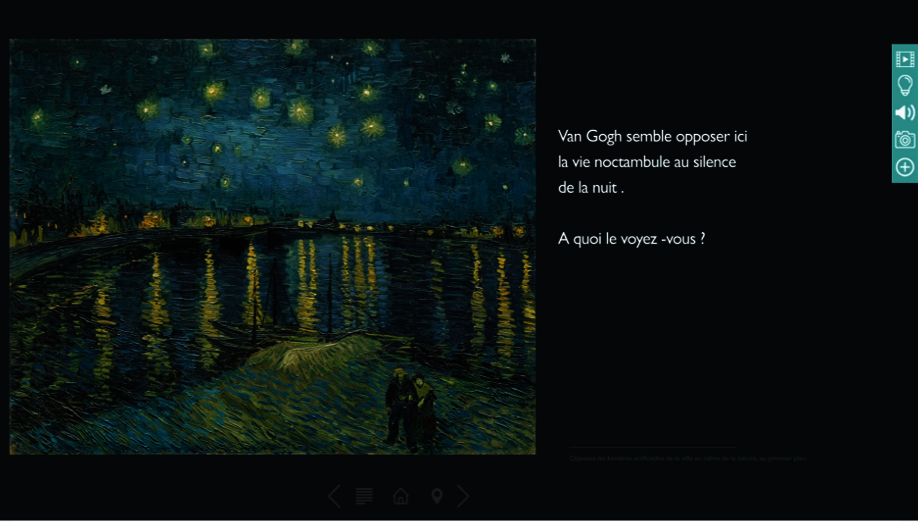
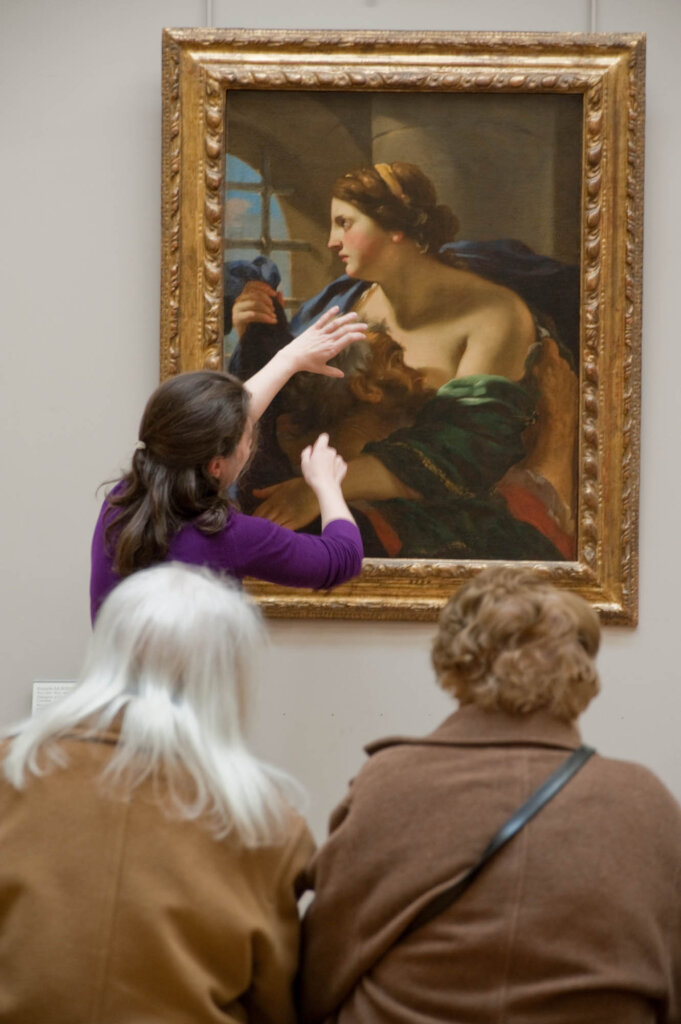
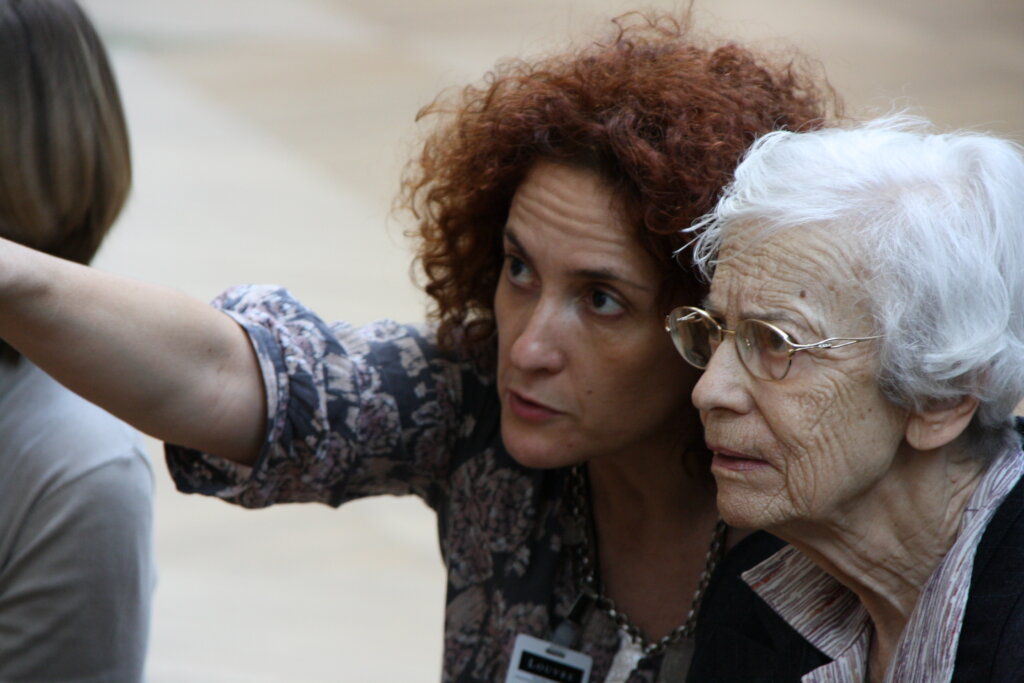
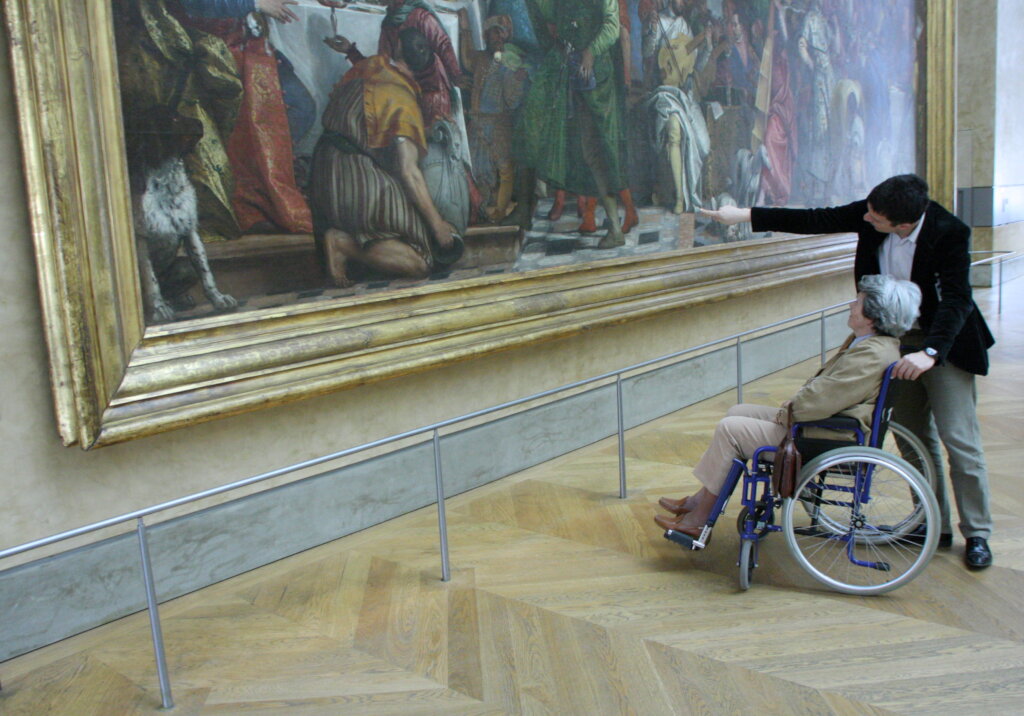
What is interesting, in the way the visits are conducted by the ARTZ association, is the descriptive approach and the step-by-step progression in the discovery of each work. It is also the fact that each participant is an actor of the visit and that the discovery is done all together. The visits are fun and stimulating for the memory. They only include the discovery of 4 to 5 works for a better in-depth exploration.
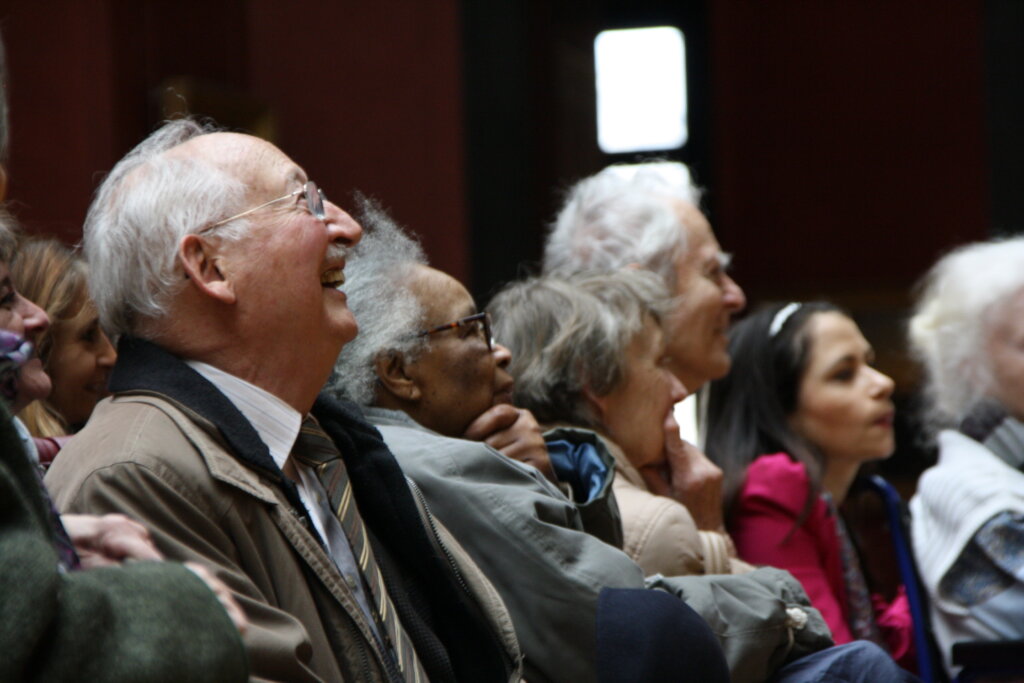
The way in which the ARTZ association comments on the works is particularly appreciated, as the following comments show:
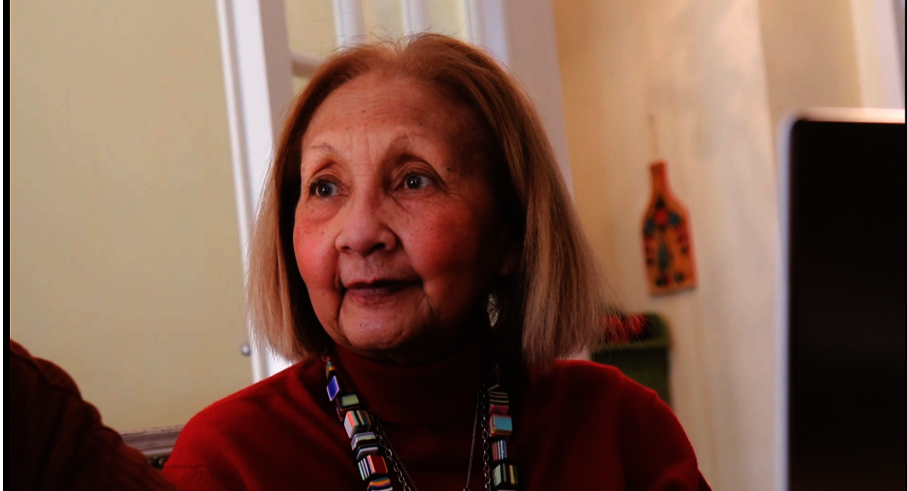
"The approach, by touch and by step, teaches us to take our time to observe a work, to avoid staying on a first impression and to listen to the point of view of the other participants. Commenting on only four works per visit allows for a deeper understanding and recall of the work."
"The tours are both fun and cultural. I really like this approach, which is warmer than a traditional lecture. I find this activity stimulating. It forces me to work on my memory looking at a painting at length and thinking in front of it."
"For me, this approach is new. I have enjoyed seeing works that I would not have thought to see. The careful observation that is done allows us to see elements that would otherwise go unnoticed and to memorize the works. I enjoy these visits because it is more stimulating to participate and give feedback".
Project reports on GlobalGiving are posted directly to globalgiving.org by Project Leaders as they are completed, generally every 3-4 months. To protect the integrity of these documents, GlobalGiving does not alter them; therefore you may find some language or formatting issues.
If you donate to this project or have donated to this project, you can receive an email when this project posts a report. You can also subscribe for reports without donating.