By Samikshya Nepal/Rudra Neupane | Communication officer/Program manager
In remote Nepal, where access to healthcare is often a major challenge, even minor health issues can become life-threatening, especially for vulnerable populations such as elderly women. Ambika (pseudonym), a 79-year-old woman from Nera village Mugu district in Nepal, found herself in such a situation in the early winter of 2025. Living with her family of five, who depend on subsistent agriculture and daily labor for their living, neither she nor her family realized how a persistent cough could develop into a serious chronic obstructive pulmonary disease (COPD).
For several years, Ambika had been living with chronic pulmonary disease (COPD). Unbeknown to her, this condition made her more vulnerable to respiratory infections and complications. Last winter, her health suddenly declined. She struggled to breathe and experienced tightness in her chest along with a persistent cough. In an elderly woman with COPD, this can be an early sign of a chest infection.
For several years, Ambika has been living with chronic obstructive pulmonary disease (COPD). Unbeknown to her, this condition has made her vulnerable to respiratory infections and complications. Last winter, Ambika’s health suddenly declined. She struggled to breathe and felt tightness in her chest with a persistent cough. In an elderly woman with COPD, this could possibly be a sign of early chest infection.
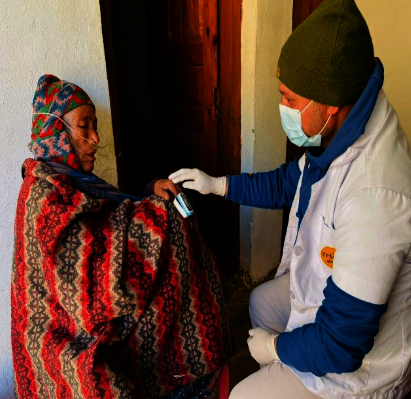
When her family first brought her to the PHASE Nepal clinic in the village, her oxygen saturation had dropped, and her pulse was elevated, indicating distress. PHASE health workers at the clinic diagnosed her with acute exacerbation of COPD with gastritis. At her age and with her condition, such episodes are often triggered or worsened by infections.
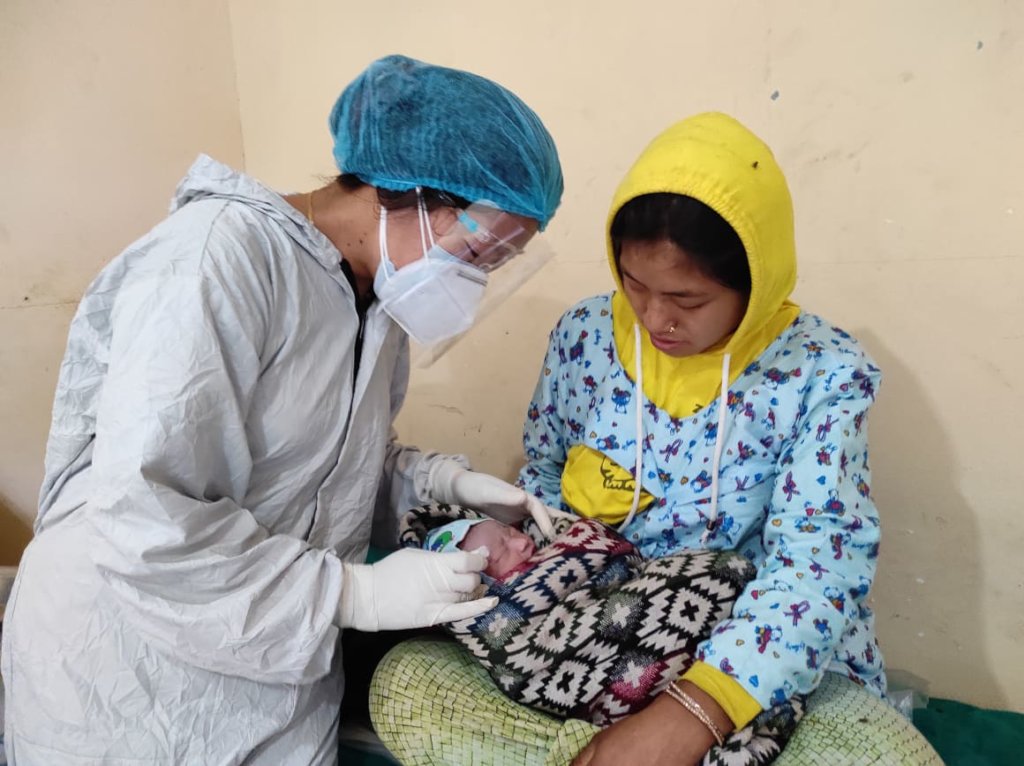
PHASE health workers at the clinic quickly initiated oxygen therapy to stabilize her breathing, and other essential medicines were administered ensuring proper hygiene while attending to her needs. All interactions were conducted following appropriate infection prevention protocols. The patient and her family were also advised to follow similar measures at home, including maintaining hand hygiene, wearing masks when necessary, and covering coughs and sneezes.
With timely care and proper management, Ambika made a full recovery. While speaking with the PHASE Nepal team, she expressed her gratitude for their care and support. She also shared that after learning about the risks of infection and prevention measures, she and her family consistently wore masks and maintained good personal hygiene at home.
For over 20 years, PHASE Nepal has been working in remote communities, improving access to healthcare and promoting essential health and hygiene practices. In settings where distance and difficult terrain often delay care, the presence of trained health workers and basic preventive measures can be lifesaving.
PHASE Nepal is able to carry out this work thanks to the continued support and guidance it has received over the years from our generous supporters like you. We extend our sincere thanks to you also on behalf of the people who have now better access to those services at local level. Without your continuous support, we won’t be ablet to reach and maintain our presence to support the vulnerable communities in remote locations in Nepal.
Project reports on GlobalGiving are posted directly to globalgiving.org by Project Leaders as they are completed, generally every 3-4 months. To protect the integrity of these documents, GlobalGiving does not alter them; therefore you may find some language or formatting issues.
If you donate to this project or have donated to this project, you can receive an email when this project posts a report. You can also subscribe for reports without donating.



Support this important cause by creating a personalized fundraising page.
Start a Fundraiser