By Bourama Diakite | Executive Director & Project Leader
1. Project Overview
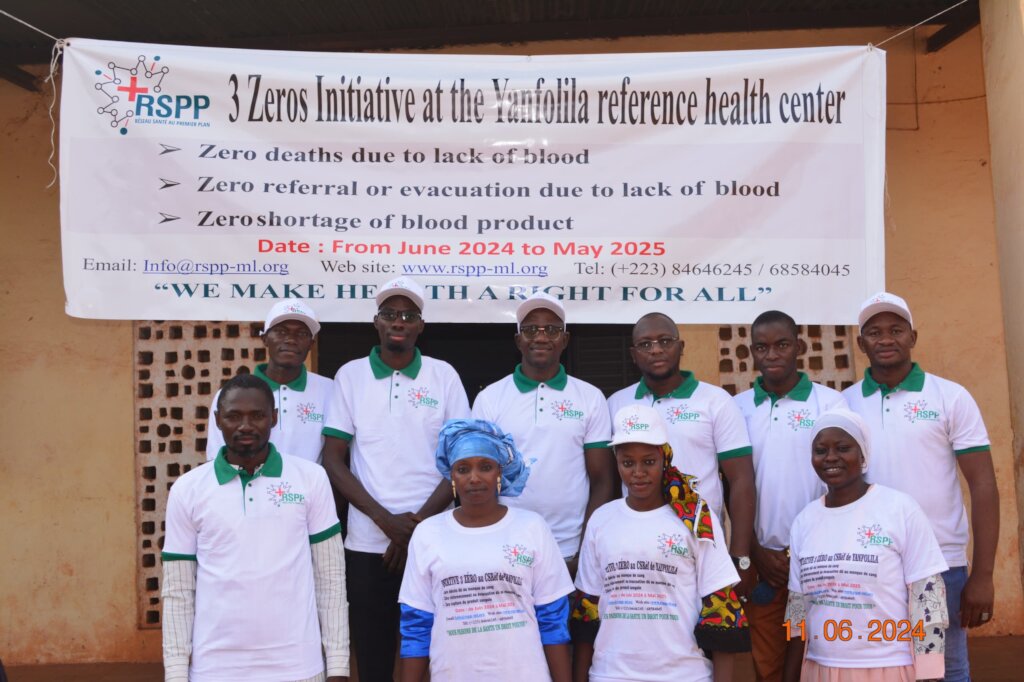
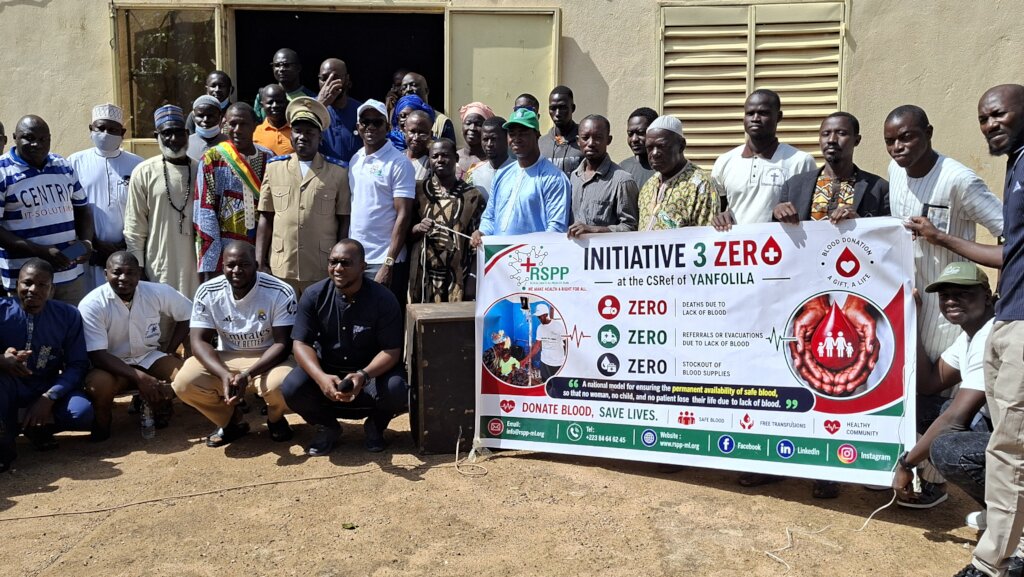
Between June and August 2026, the project “No More Death Due to Blood Shortage in Rural Areas” continued implementation of the “3 Zero Initiative” in the Yanfolila Health District, with three core objectives:
With the support of donors and partners, the project continued to strengthen access to safe blood at the Yanfolila Referral Health Center (CSRéf), while promoting community mobilization, screening for transfusion-transmissible infections, and support to local health services.
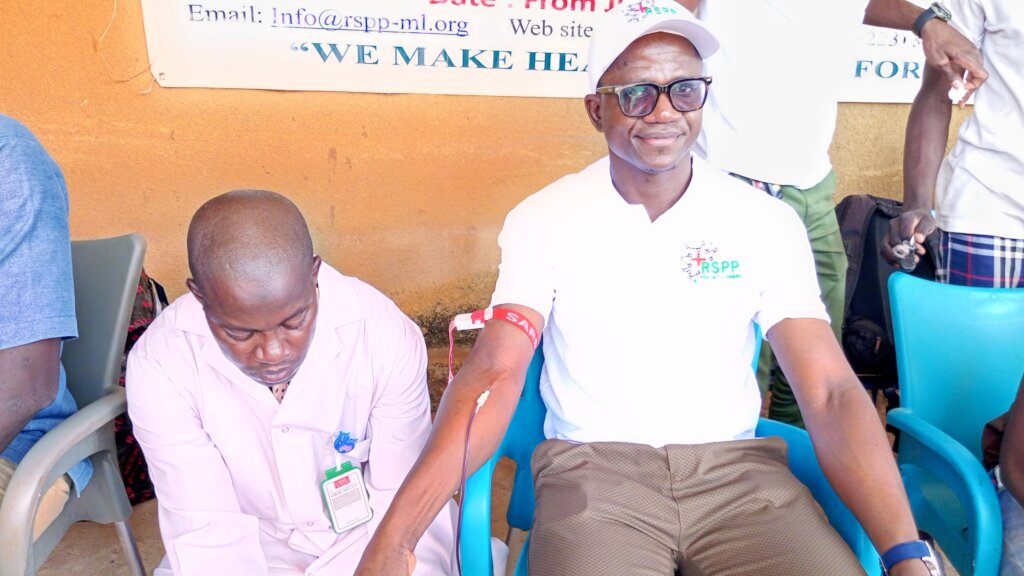
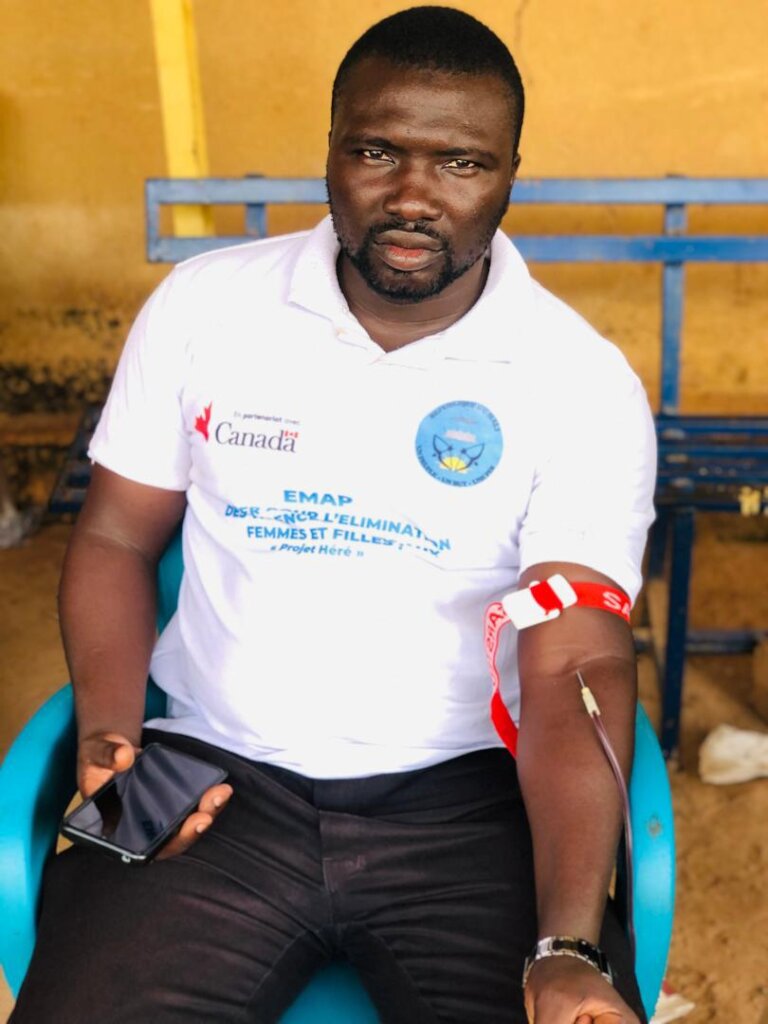
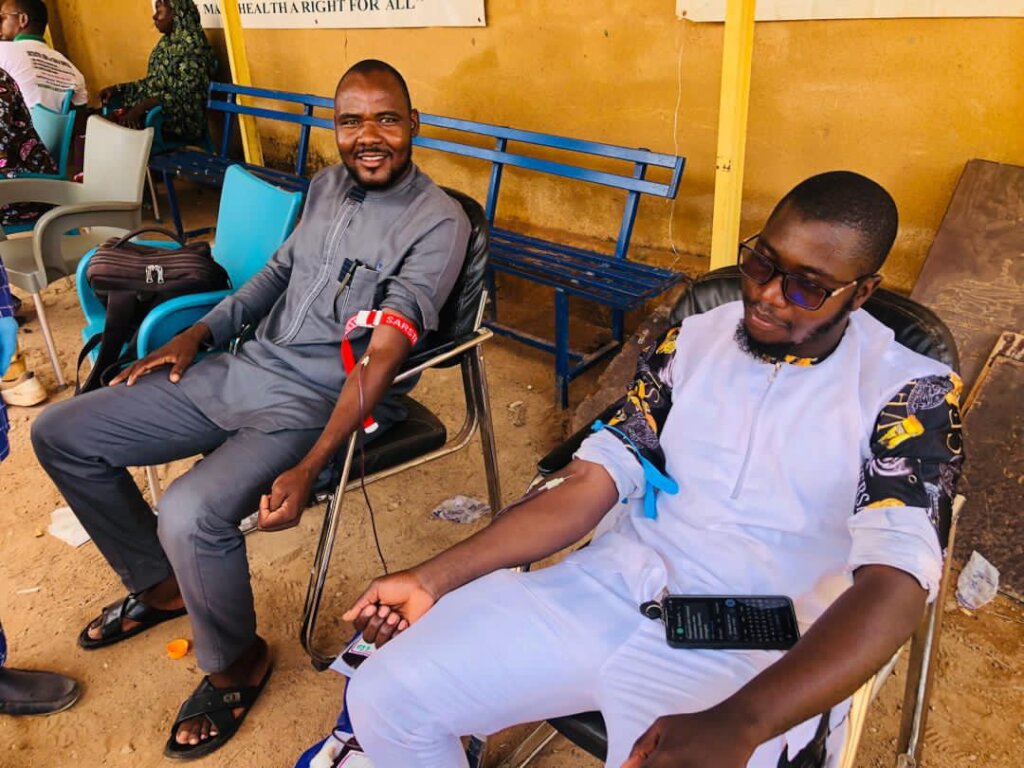
During the reporting period, 500 blood donors were mobilized and screened, 450 safe blood units were secured, 441 blood requests were recorded and supplied, and 278 patients received free blood transfusions. The monthly reports recorded zero blood stock-outs, zero deaths, and zero medical evacuations related to blood shortages.
2. Key Achievements
a. Full Coverage of Blood Product Needs
The project maintained continuous access to blood products at the Yanfolila Referral Health Center. All recorded blood requests during the three-month period were supplied.
Indicator
June–August 2026 Result
Donors mobilized and screened: 500
Safe blood units secured: 450
Blood requests recorded and supplied: 441
Patients transfused free of charge: 278
Blood needs coverage: 100%
Blood stock-outs: 0
Deaths due to blood shortage: 0
Medical evacuations due to blood shortage: 0
The June report began with 29 safe blood units remaining from May. After adding 450 newly secured units and supplying 441 requests during June–August, the calculated balance at the end of August is 38 safe units.
b. Reduction and Prevention of Transmissible Diseases
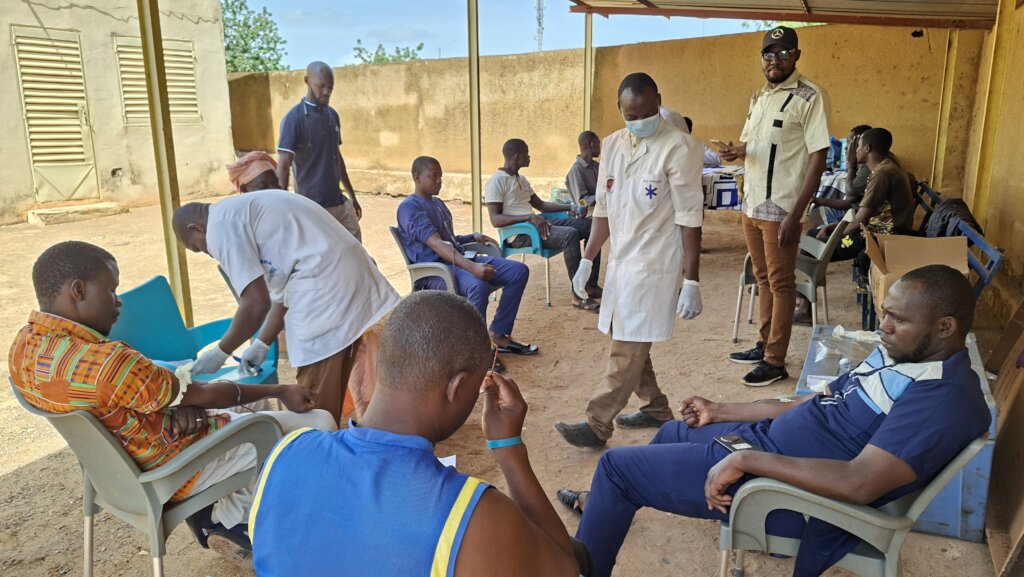
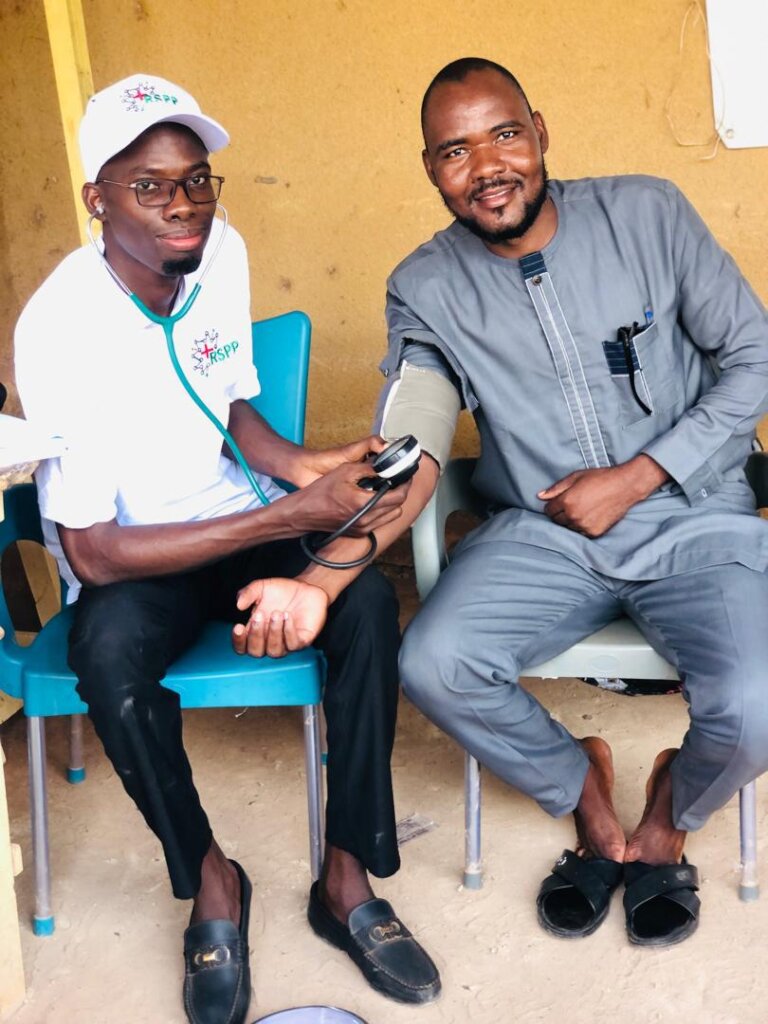
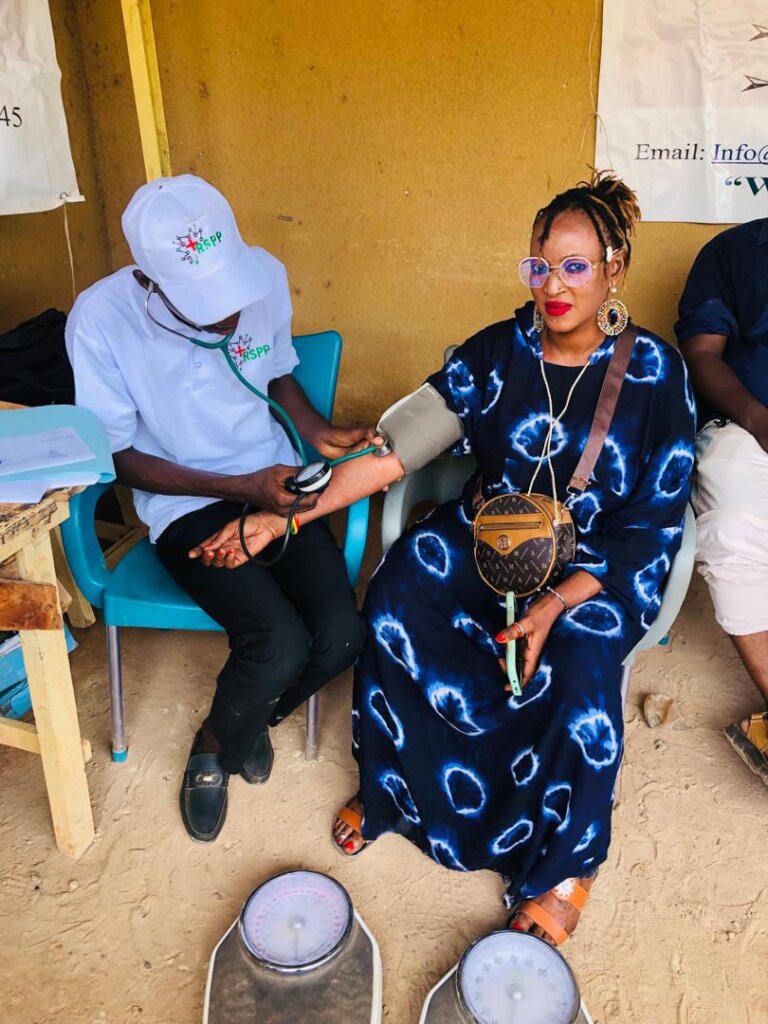
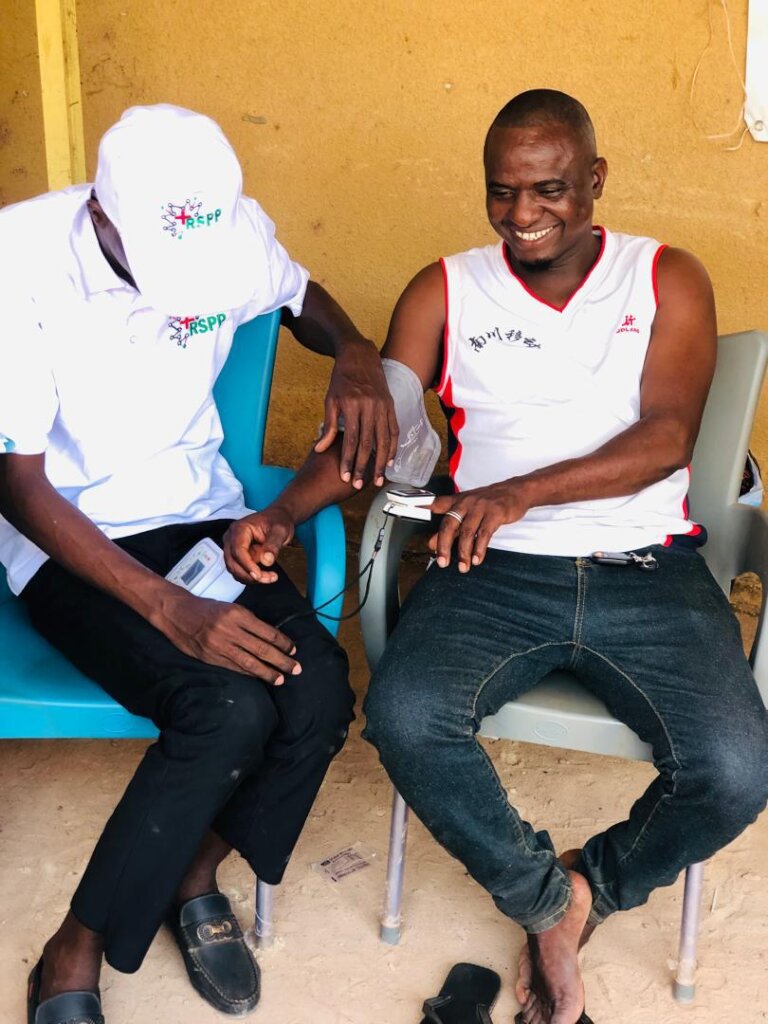
All 500 donors were screened free of charge for HIV, hepatitis B, hepatitis C, and syphilis. A total of 52 positive screening results were recorded during the reporting period.
Disease screened
Positive cases detected
Hepatitis B: 46
Hepatitis C: 4
Syphilis (BW): 1
HIV: 1
Total: 52
The monthly reports indicate that positive cases received counseling and referral to appropriate health services. This screening contributes both to transfusion safety and to prevention and surveillance of transmissible diseases.
c. Community Awareness and Mobilization
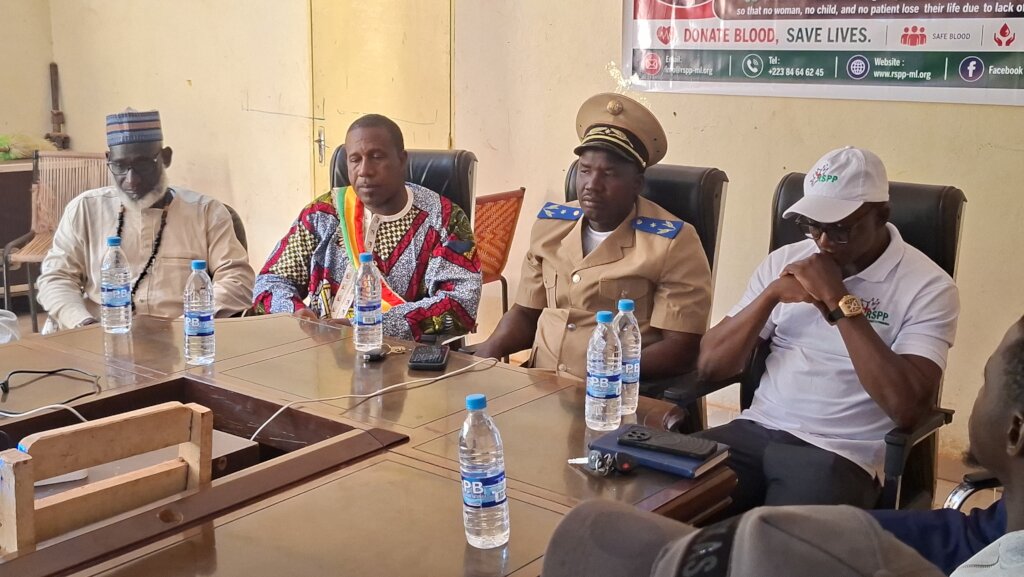
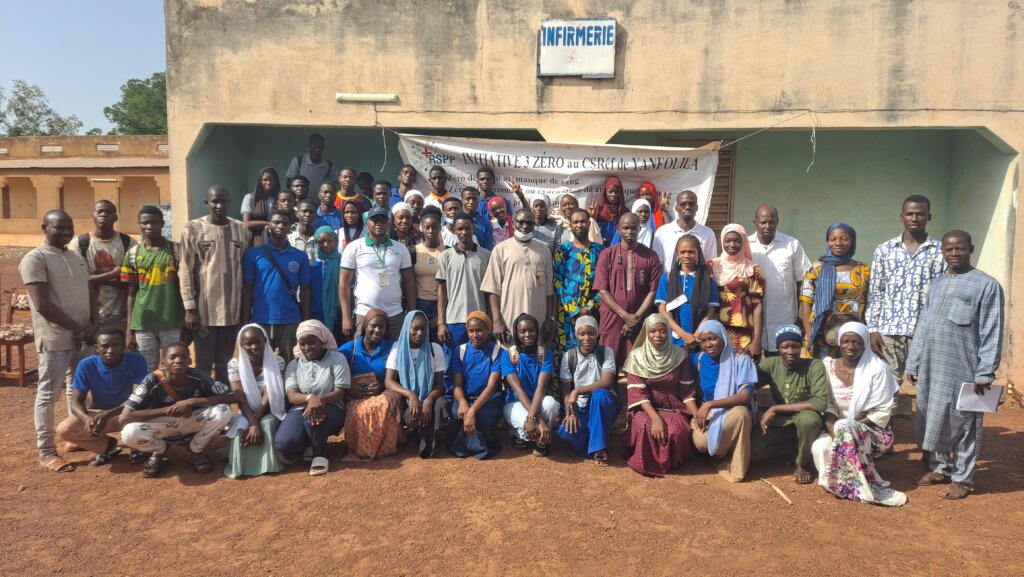
Community mobilization remained a key component of the initiative. A total of 12 radio broadcasts were conducted during June, July, and August to promote voluntary blood donation. The reports also describe regular information and mobilization activities in villages, neighborhoods, public spaces, and through local and social communication channels.
d. Support to Health Facilities
To sustain free and continuous transfusion services, RSPP supported the Yanfolila Referral Health Center with essential inputs for blood collection, biological screening, and transfusion. This support strengthened the availability and quality of local transfusion services.
e. Partnerships and Collaborations
During the reporting period, RSPP continued efforts to strengthen partnerships and mobilize support for the Initiative 3 Zero. Partnership requests targeted organizations, foundations, companies, and other actors able to contribute to project sustainability and expansion.
4. Cost of Activities Implemented
The three monthly reports use the following recurring unit costs: 10,520 FCFA per blood unit collected/processed, 250 FCFA per transfusion supply, 10,000 FCFA per radio broadcast, and 105,000 FCFA in monthly administrative costs.
Activity
Amount (FCFA)
Blood collection and processing: 5 260 000
Transfusion supplies: 110 250
Radio broadcasts: 120 000
Administrative costs: 315 000
Grand Total: 5 805 250
5. Challenges Encountered
6. Recommendations
7. Conclusion
From June to August 2026, the “3 Zero Initiative” maintained full coverage of recorded blood requests at the Yanfolila Referral Health Center. Across the three months, 500 donors were mobilized and screened, 450 safe blood units were secured, 441 blood requests were supplied, and 278 patients received free transfusions. The reporting period also maintained the project’s core 3 Zero results: zero blood stock-outs, zero deaths due to blood shortage, and zero medical evacuations related to lack of blood.
Continued donor and partner support remains important to sustain safe blood availability, expand community mobilization, and protect vulnerable patients requiring emergency transfusion services in rural communities.
By Bourama Diakite | Executive Director & Project Leader
By Dr. Bourama Diakite, MD, MPH | Executive Director
Project reports on GlobalGiving are posted directly to globalgiving.org by Project Leaders as they are completed, generally every 3-4 months. To protect the integrity of these documents, GlobalGiving does not alter them; therefore you may find some language or formatting issues.
If you donate to this project or have donated to this project, you can receive an email when this project posts a report. You can also subscribe for reports without donating.



Support this important cause by creating a personalized fundraising page.
Start a Fundraiser