By Kali Kirkendall | Executive Director
Hello!
We are excited to share some updates from our recent trip to the Bahamas and showcase the path of long-term restoration. As you know we have been working in Abaco since the end of 2020. As we gear up for what NOAA has deemed a very active hurricane season, we are prepping to respond to a potential disaster to assist our fellow farmers and fishers where the need arises. We have also developed our approach to long term rebuilding efforts by restoring the aspects of the environment or natural world that have been compromised by storms and are vital to food security in the region.
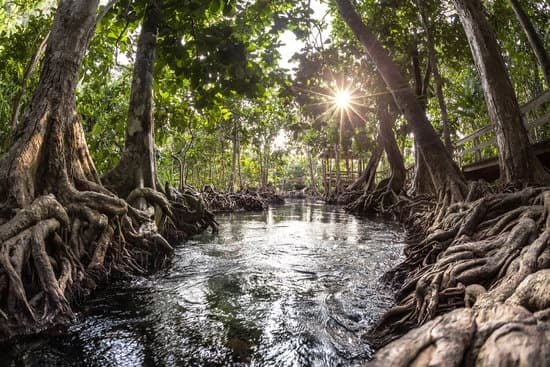
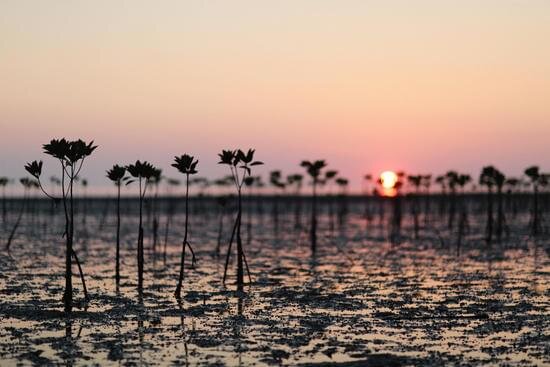
All of this is a multi-tiered approach to food security and long-term stability. In Abaco, we are joining the efforts to increase efficiency for mangrove restoration. Mangroves play a vital role in land preservation, surge and wind protection, fishing habitat and spawning environments. Hurricane Dorian left a lasting impact where many people are racing to restore vital environmental zones before the face of the sea floor changes indefinitely.
What we know is the destruction of mangrove forests have left land and people more vulnerable; with nearly 13,700 acres now identified as dead between the two Islands of Grand Bahamas and Abaco.
As climate change continues to influence migration and storm intensity, all models implemented need to provide inclusive strategies to mitigate carbon emission through sequestration.
The impact of Dorian on Mangrove forests:
The destruction of mangroves has a significant impact on land preservation, by preventing erosion that combats the dwindling of the islands. It also plays a vital role in the fishing industry in both Abaco and Grant Bahamas, an industry that generates $169 million USD annually. Those along with spiny lobster and many species of fish (tarpon, snook and snapper) all rely on mangroves as their nurseries.
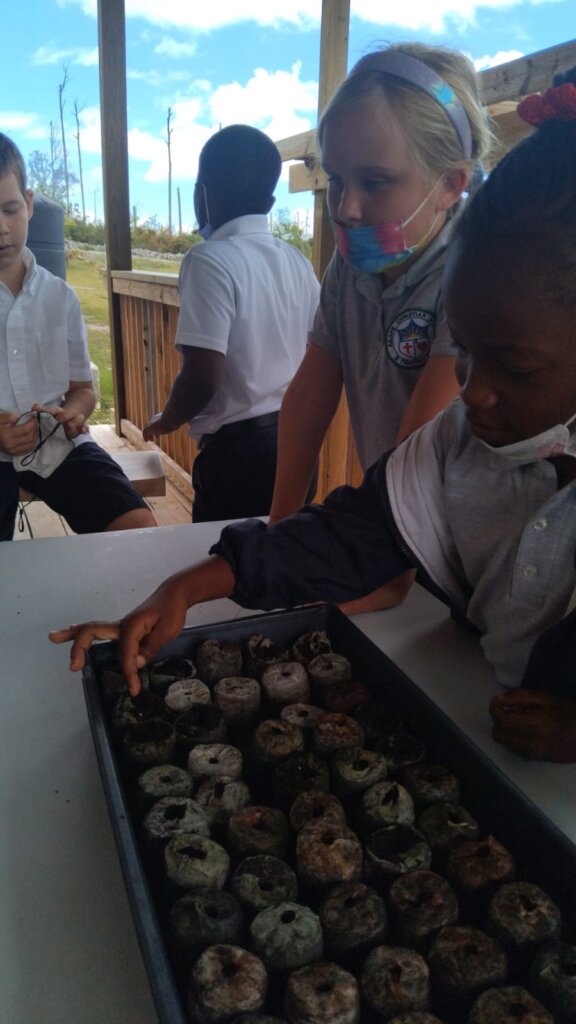
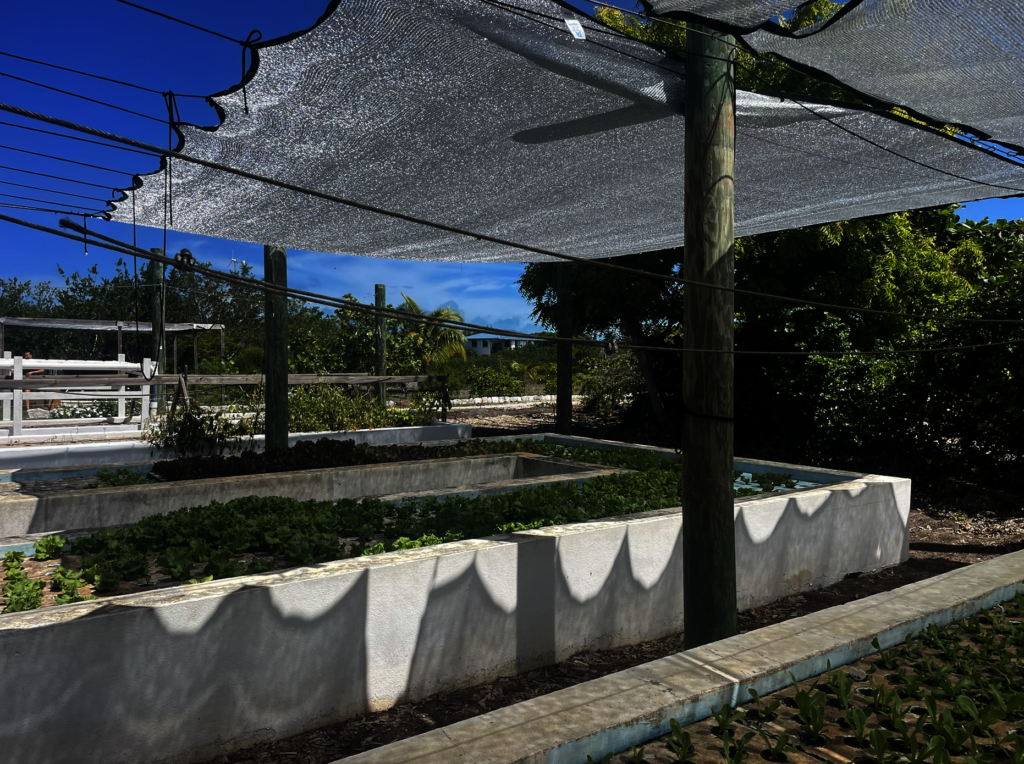
In short, there is a need to for what BA intends to provide;) Which is, decreased propagation time by working with and through the aquaponics community in Abaco and beyond. Through research CEI Aquaponics extraordinaire and BA Board Member Mia Avrill carried out, mangroves propagate at least twice as fast in aquaponic systems than conventionally (water + soil). We will also be working with our school, community and backyard gardens on Abaco to collect seed pods and propagate as a way for them to raise funds for their programs!
Thank you for your support as we continue to keep our present in the Caribbean and beyond.
Cheers,
Kali Kirkendall
Executive Director
The Blue Atlas Project
+1-937-725-7762
kali@blueatlasproject.org
Links:
Project reports on GlobalGiving are posted directly to globalgiving.org by Project Leaders as they are completed, generally every 3-4 months. To protect the integrity of these documents, GlobalGiving does not alter them; therefore you may find some language or formatting issues.
If you donate to this project or have donated to this project, you can receive an email when this project posts a report. You can also subscribe for reports without donating.