By Jie XIAO | Project Leader
Shanghai United Foundation
One Egg Program Report (2013 S)
Shanghai United Foundation (SUF)
June 2014
About Shanghai United Foundation
Shanghai United Foundation (SUF) focuses on fund-raising for grassroots NGOs in an effort to relieve much of the financial burden that limits the growth and impact of promising organizations.
At present, most grassroots NGOs lack an effective method for professional fund-raising, and have very limited grant opportunities provided by most Chinese official foundations. The resulting funding gap forces them to focus a disproportionate amount of time on maintaining the operation of their organizations. As a result, they usually have neither the energy nor money to conduct large-scale fund-raising activities or focus on improving the impact of their programs.
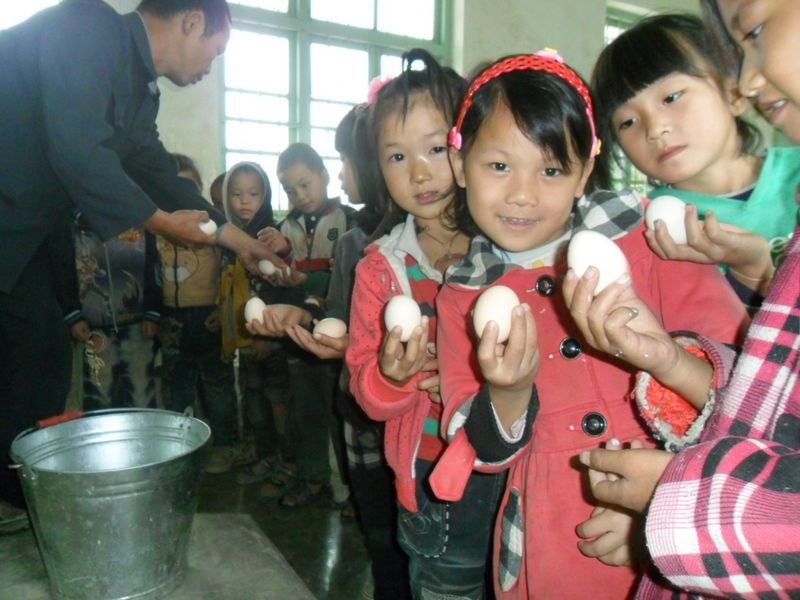
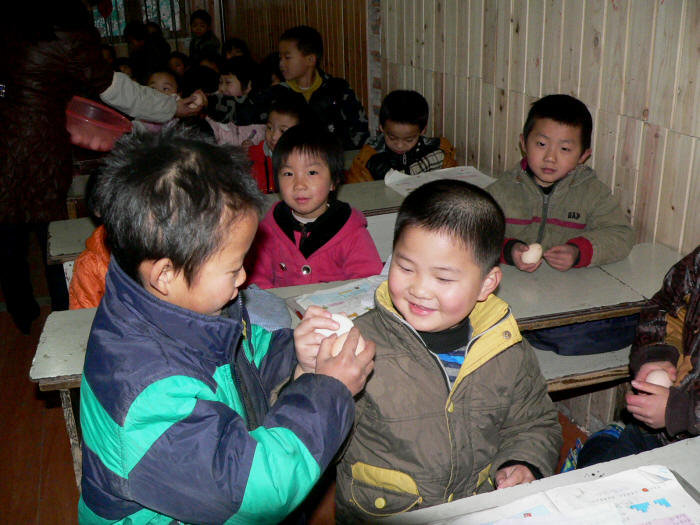
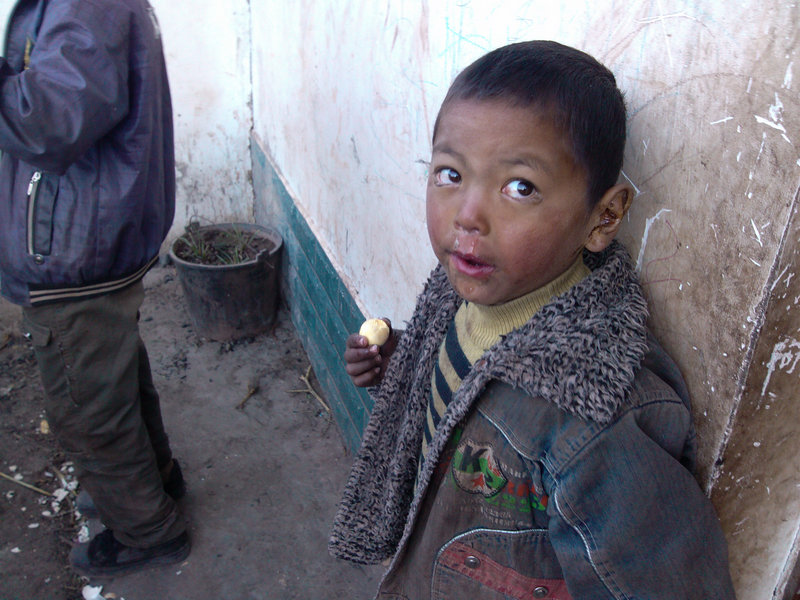
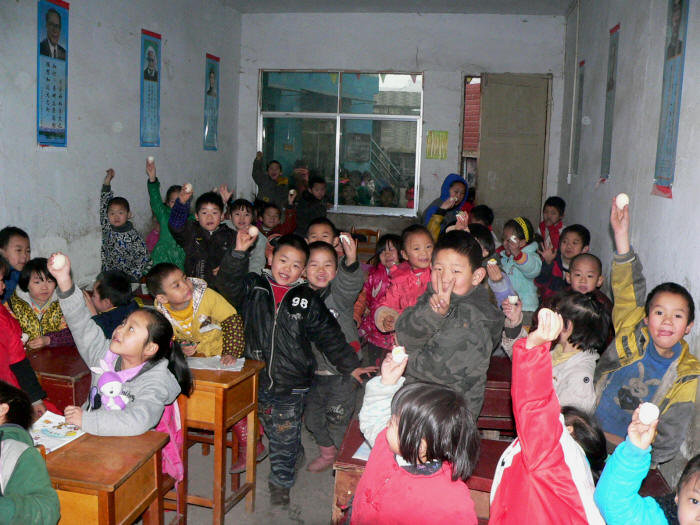
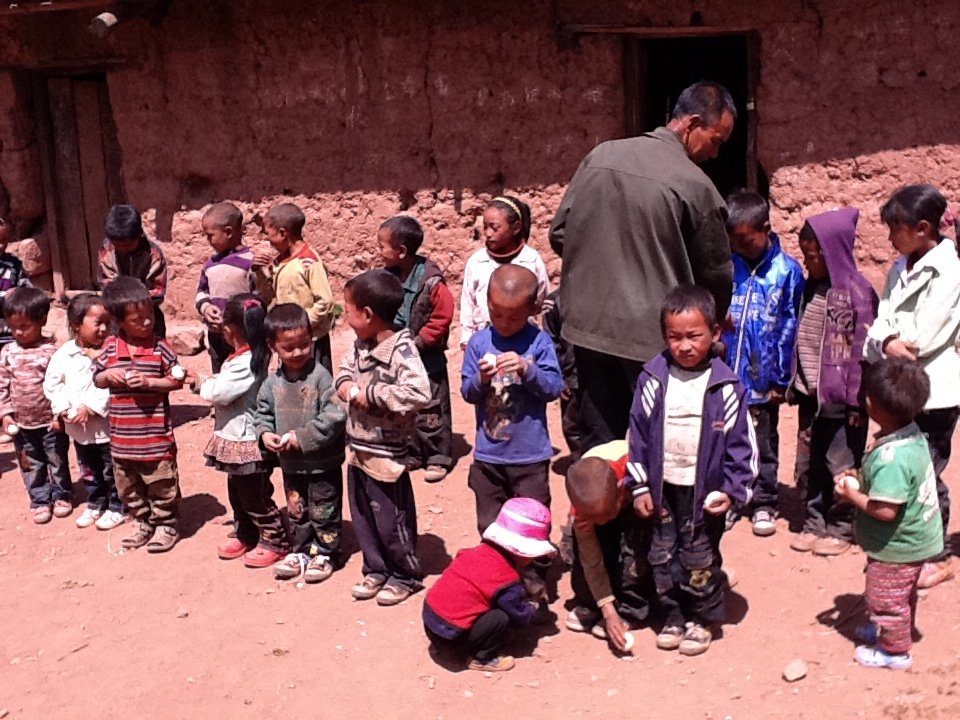
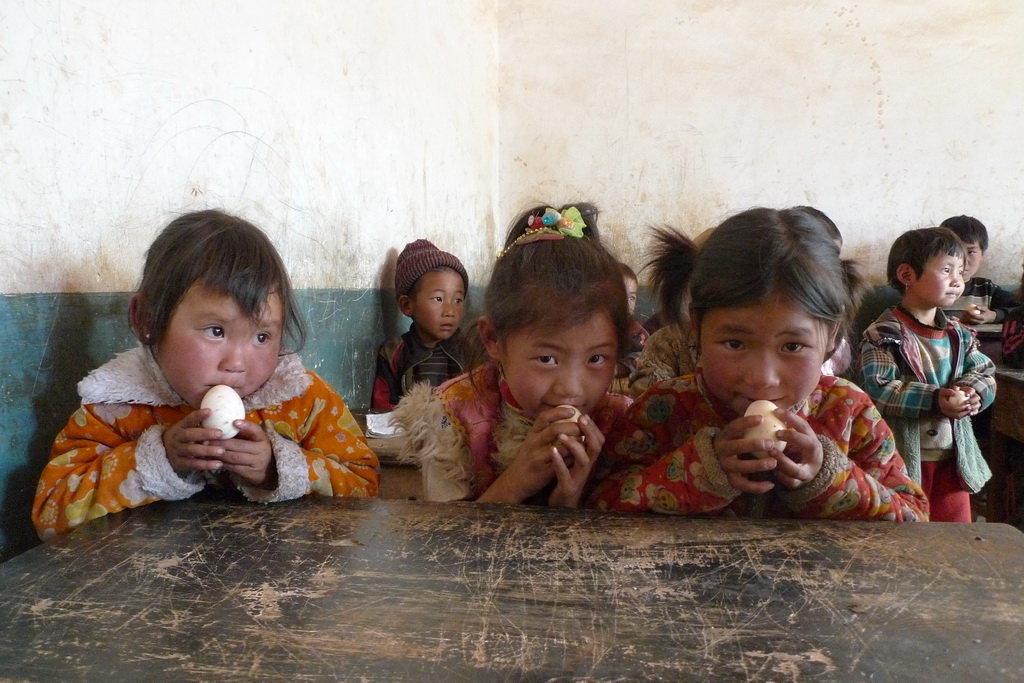
The One Egg Program: One egg for one kid per day, improving health situation in poverty areas in China. This program is initiated and executed by SUF and nine NGOS.
Table of Contents
Shanghai United Foundation
One Egg Program Report (2013 S)
The One Egg Program wasstarted by Shanghai United Foundation and other 9 NGOS. Up to now, the program has been operating in the past three years (six semesters).
By the end of last semester of 2013, the One Egg Program has been covering 66 elementary schools in four provinces including Yunnan, Guizhou, Sichuan and Guangxi. The program has ensured 11,596 kids and teachers in poverty-stricken area in west China one egg a day.
Provinces with schools planned at project sites
Basic Information of the One Egg Program Project Site Schools
(All schools are arranged in the sequence of projects’ starting time)
One egg program project was implemented in 66 schools in 2013.
2. Beneficiary Number Growth:
With the increasing number of supported schools, this year’s beneficiary number is 8630.
From Feb, 2011 to Dec 31st, 2013One Egg Program received a total income of 3,020,008.09RMB donated by people from all walks of life. The total expense was 2,183,316.27RMB.
Category
Income of2010RMB
Income of 2011RMB
Income of 2012RMB
Income of 2013RMB
Total amount
Income
0.00
961,020.57
1,277,736.31
704,884.37
2,943,641.25
Expense
237.60
137,803.58
579,487.63
668,985.06
1,386,513.87
Balance
-237.60
823,216.99
698,248.68
35,899.31
1,557,127.38
(1) Operating Cost:
Under the influence of H7N9 bird flu, the price of egg fluctuates all over the country. Based on reports from the project owners, the average cost per egg is about 0.66 in 2013S, which is lower than 2013F.
(2) Expense Standard:
001. Boiling Cost: every 150 eggs will cost about 6, and one egg on average will cost0.04. Considering the cost might be a burden for the schools, SUF will pay for it, so, the schools can give the fund to the cooks there.
002. Teacher Subsidies: appropriate subsidies will be paid to those teachers who are responsible for purchasing, transportation, boiling and distributing of the eggs. In fact, those teachers assist to supervise the implementation of one egg program project.
If thenumber of students is≤100 (including 100)existed,50 a month per school will be paid to those teachers. If the number of students is ≤ 200 (including 200), 100 a month per school will be paid. If the number of students is≤ 300(including 300), 150 a month per school will be paid. Similar principle applies for a number >300.
003. Costs for logistics and visits: Due to the differences in geographical differences and transportation, we don’t have a top limit to the expense for transportation and visits. We stick to the principle of frugality and honesty.
004. Operating Cost: SUF will give some operating funding to project owners for reducing their administration expenses,1000 for one school. While one school increased 200 will be deducted. Maximum subsidy is 1000, Minimum is 200.
1Eggs’ transportation
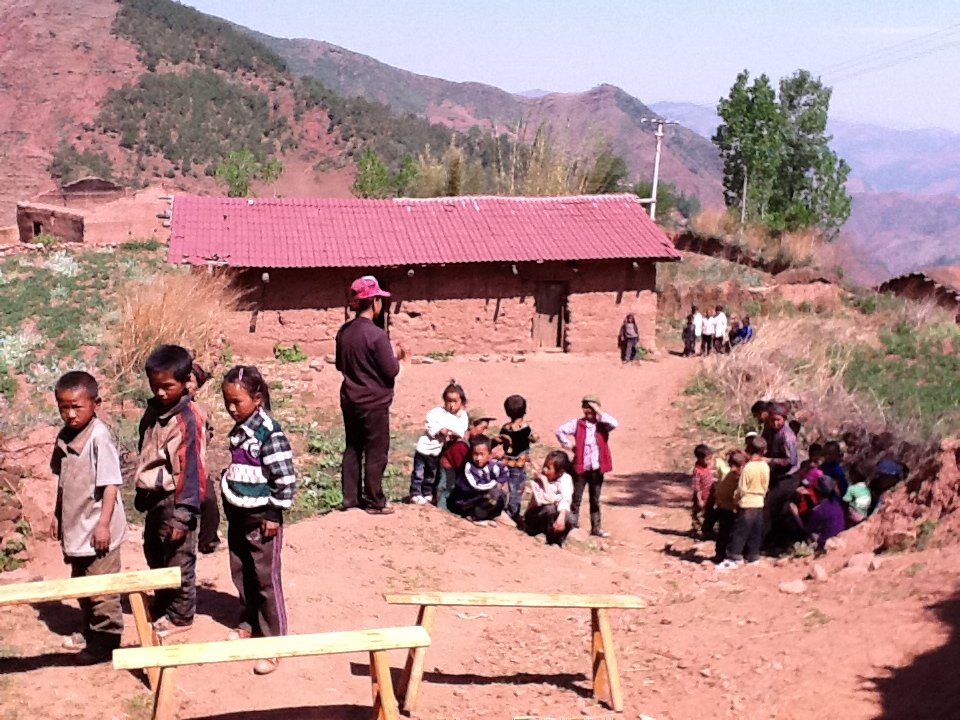
Now, the schools, where the program “one egg” was covered, almost are located in remote mountainous areas, and it is difficult for the eggs’ transporting, especially in rainy day. Because of the bad weather, the vehicle can not arrive at some schools, and the supply of eggs even has to be cut off.
Facing these difficult, the foundationhope those private vehicles can be rented to carry these eggs when the supplier’ free distribution is halted. In addition, we advice the schoolmasters maintain close relations with the supplier, and inform the supplier of the consumption of eggs in time, about a week earlier, and the supplier can have enough time to arrange the free distribution.
As an important part of the program, the price of eggs has a direct impact on the budgets and operating costs of the program. According to the report from the different area, the price of eggs change with the whole market’ price, so it is impossible to calculate all the eggs’ cost precisely, or predict it. As one eggs’ supplier said, the egg has a new price every day.
Considering the price of egg is always floating, on the one hand, the project executing agency should monitor the price of eggs at all time; on the other hand, they must keep a good cooperation with the supplier. Therefore, we hope the eggs’ supplier can approve our public interest concept, and we can get good but inexpensive eggs, or the free transportation.
Project reports on GlobalGiving are posted directly to globalgiving.org by Project Leaders as they are completed, generally every 3-4 months. To protect the integrity of these documents, GlobalGiving does not alter them; therefore you may find some language or formatting issues.
If you donate to this project or have donated to this project, you can receive an email when this project posts a report. You can also subscribe for reports without donating.



Support this important cause by creating a personalized fundraising page.
Start a Fundraiser