By Dylan Terrell | Executive Director
Dear GlobalGiving Supporters,
The rains came hard here in June, some of the best we have had in years. Somewhere out in the watershed, more than 1,900 rainwater harvesting systems are filling. I look forward to that moment every year, and this season there is more to report than usual: a community celebration five years in the making, a first phase finished just ahead of the rains, and one cistern unlike anything we have built before.
Where the Year Stands
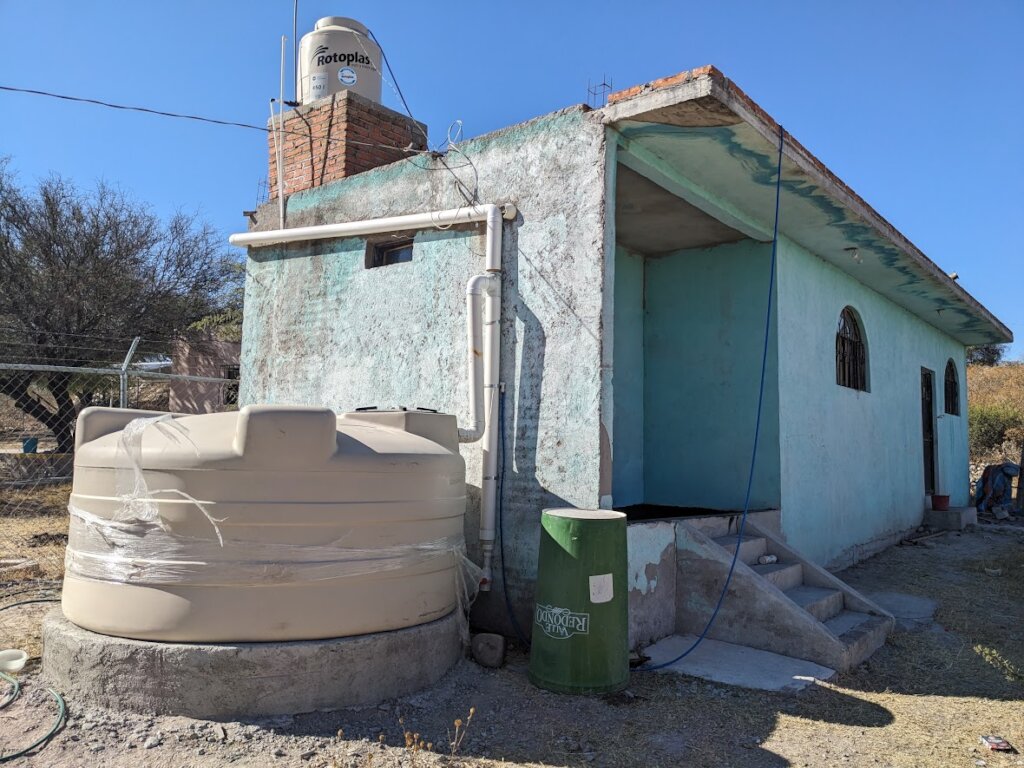
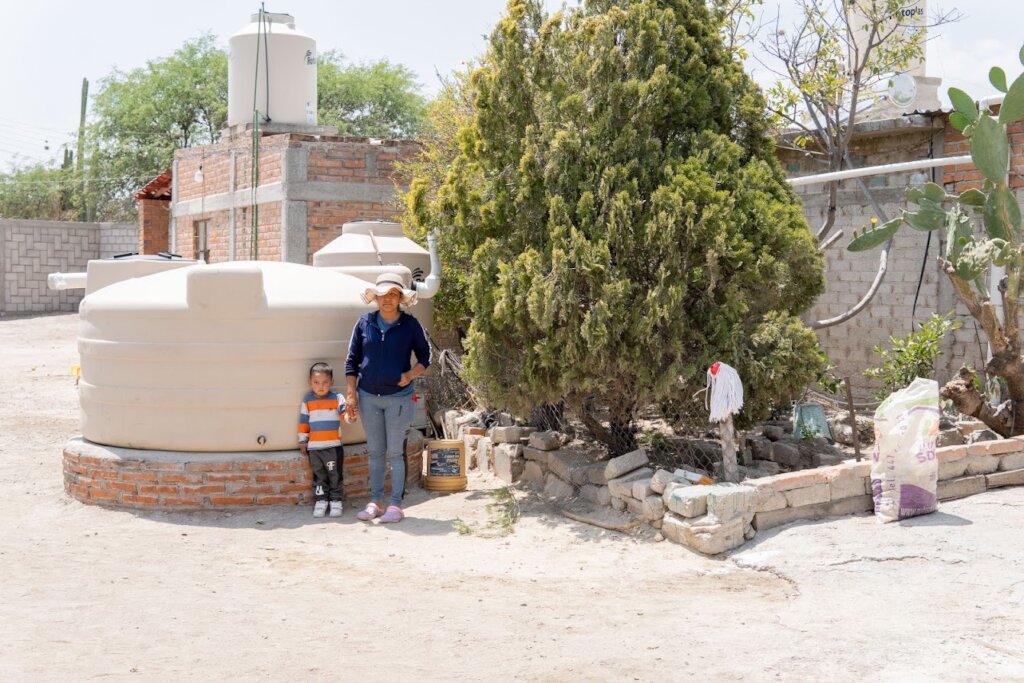
As of the end of July, Caminos de Agua and our partners have completed 124 rainwater harvesting systems in 48 communities across four municipalities: San Diego de la Unión, San Miguel de Allende, San Luis de la Paz, and Dolores Hidalgo. All but one are household systems.
The year so far includes:
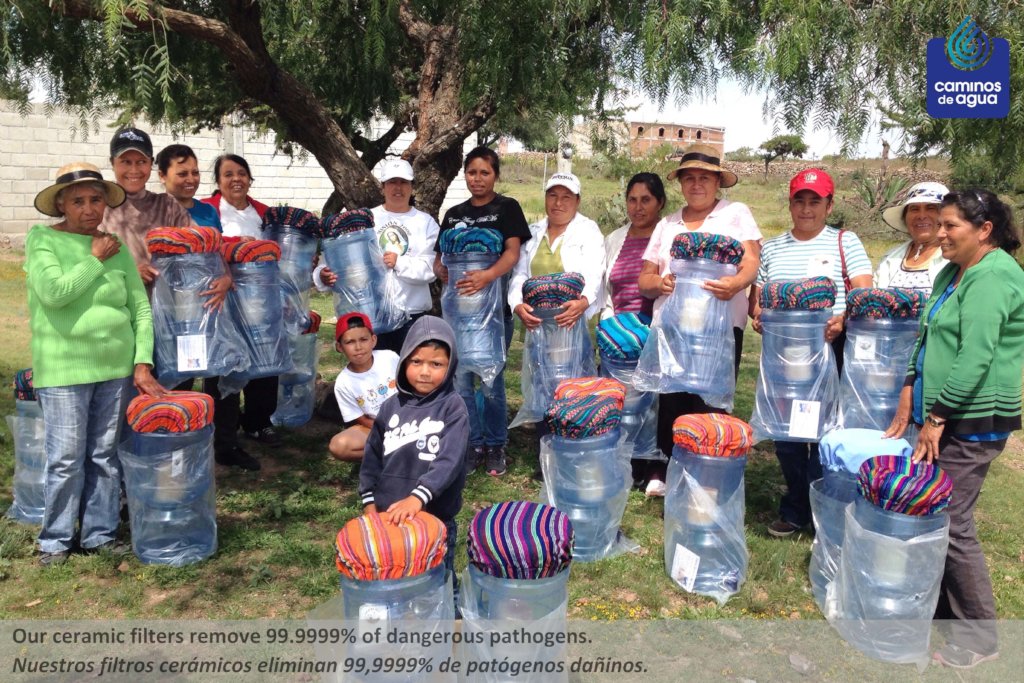
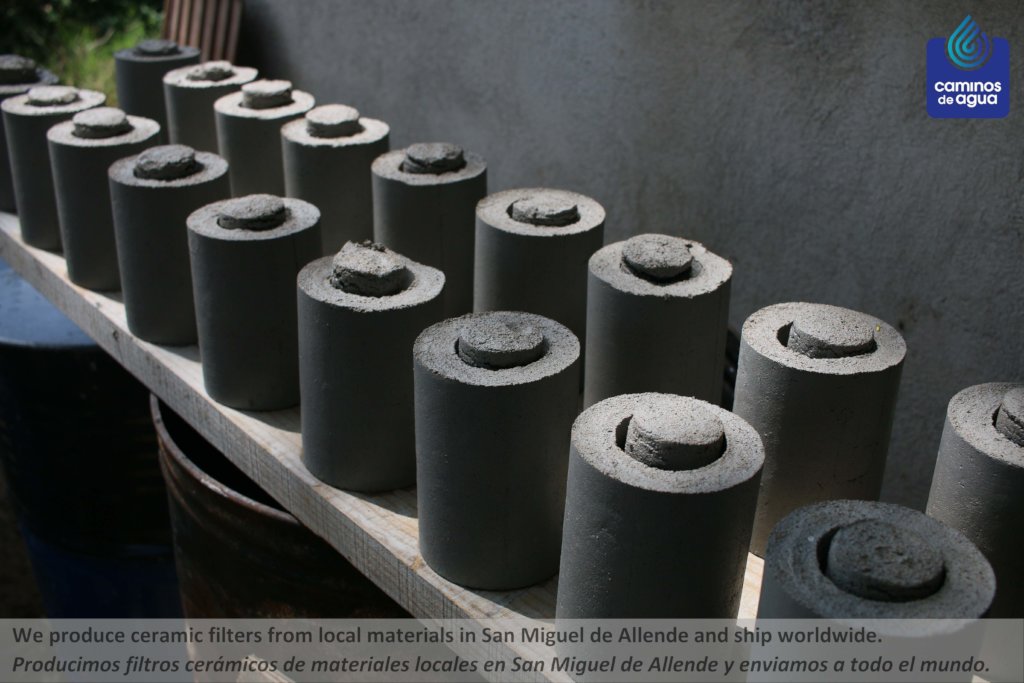
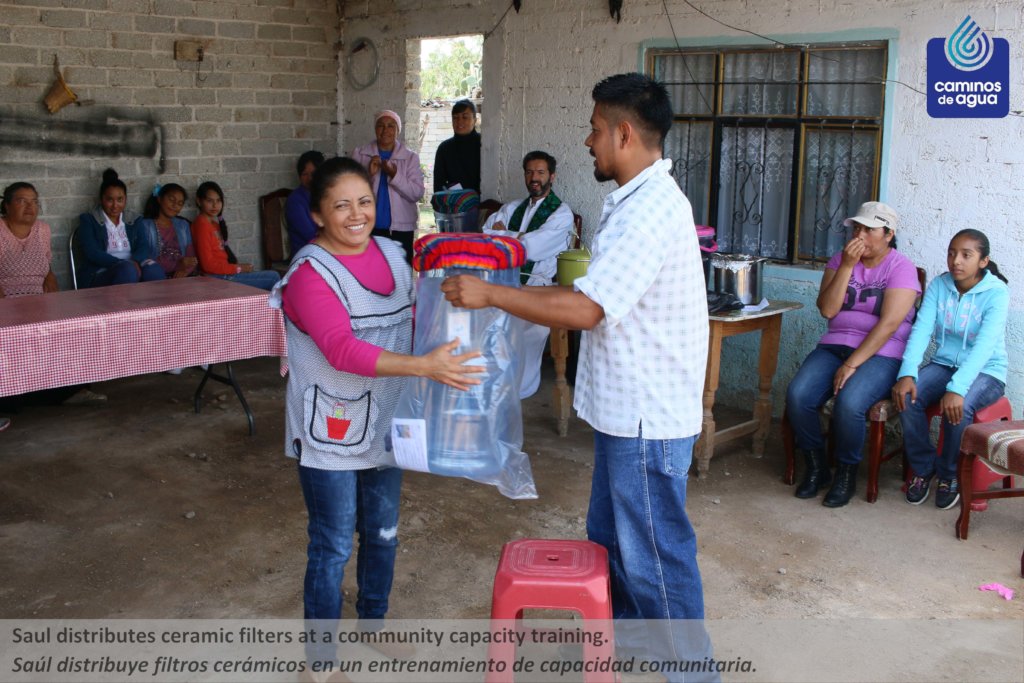
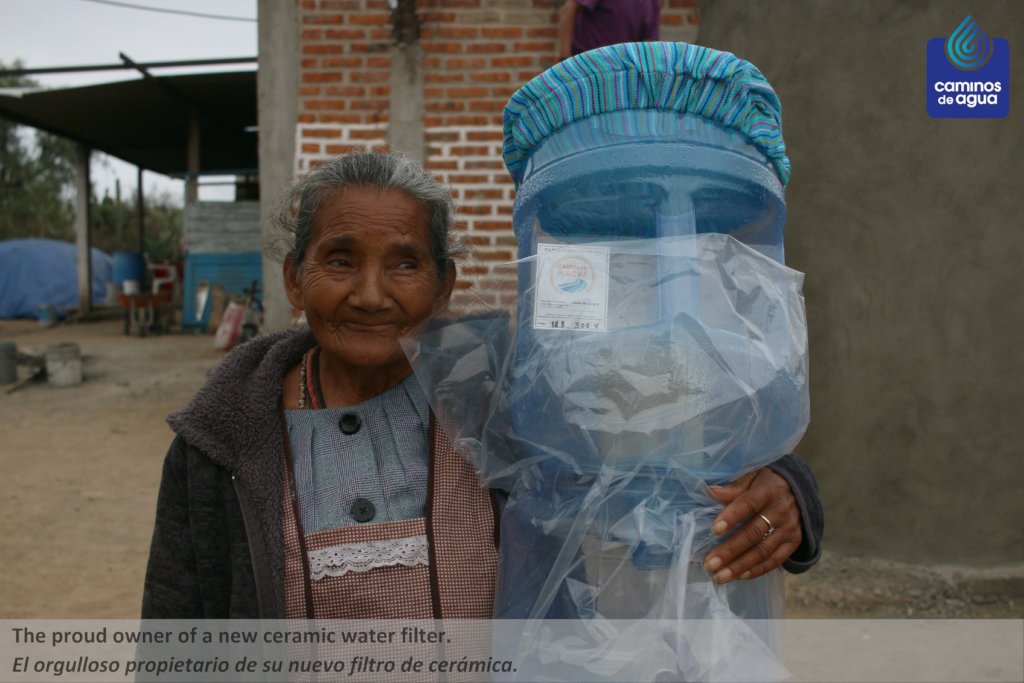
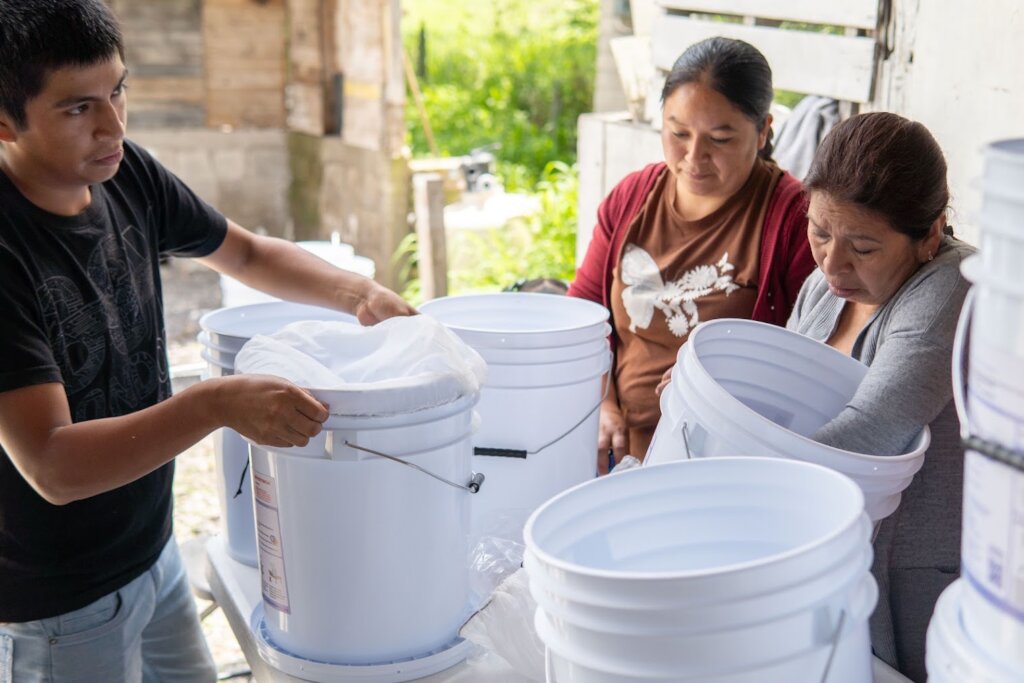
We have also delivered 273 household water filters this year, most of them replacing older units, because a cistern full of rain is only safe drinking water once the water is treated at the tap.
Our goal for the year is 294 systems. The rains are tapering but not finished, which leaves roughly 170 families still watching this year's water run off their roofs.
A Blessing in El Garabatillo
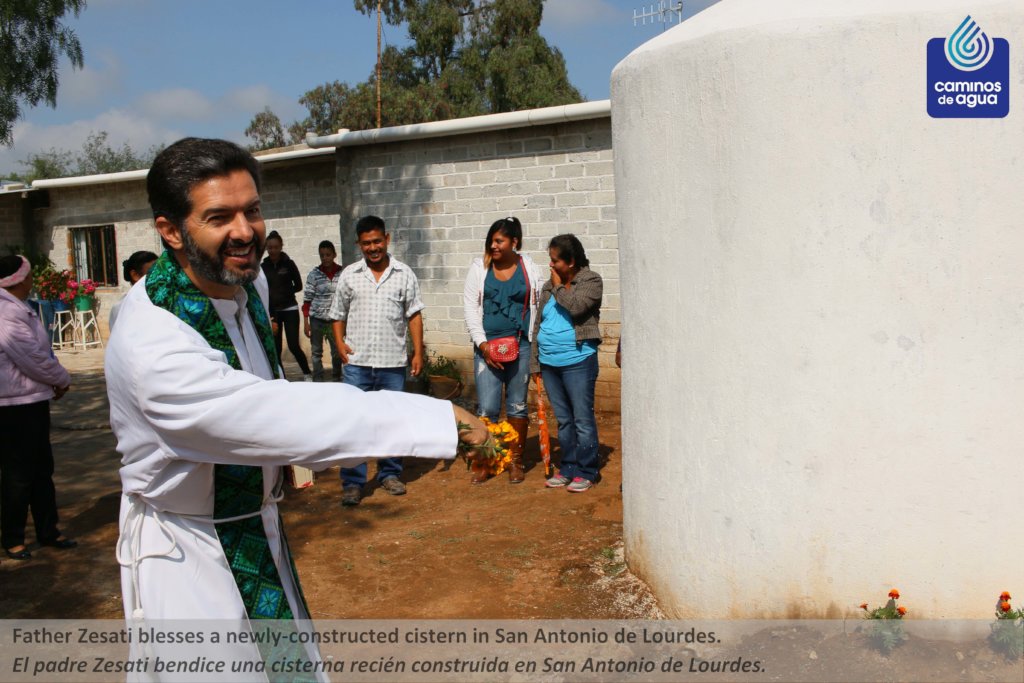
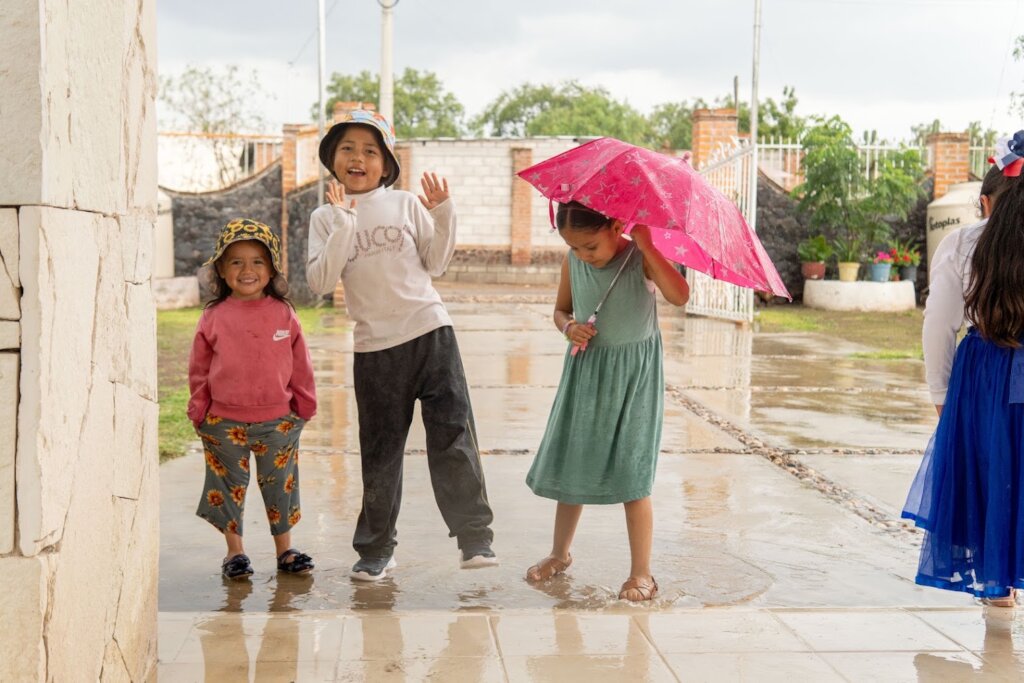
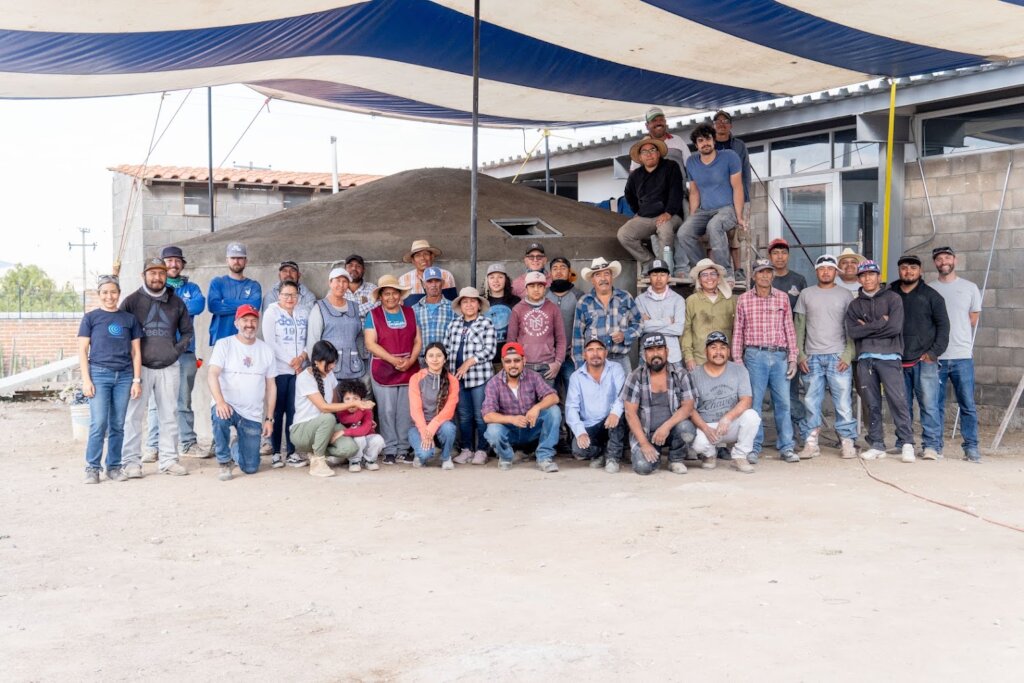
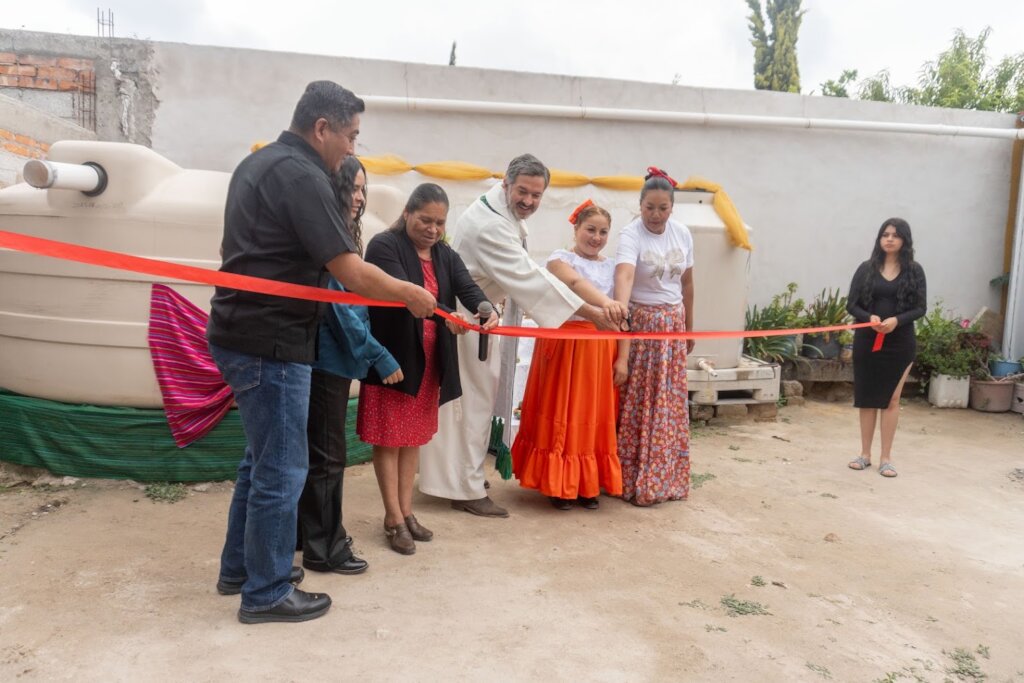
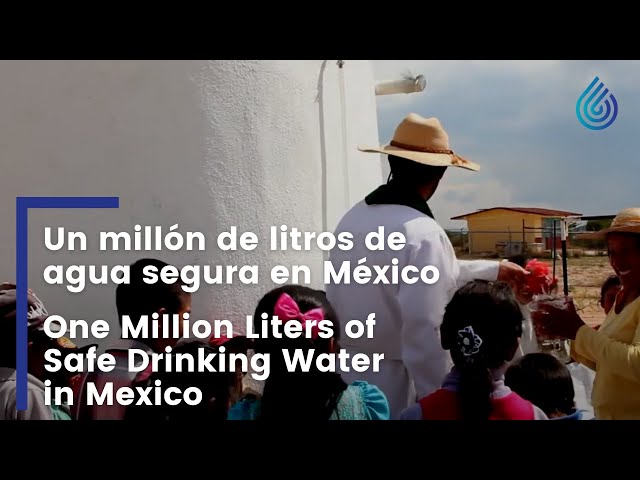
At the end of June, families in El Garabatillo, a small community in Dolores Hidalgo, inaugurated their rainwater harvesting systems. The day started at the church, as these celebrations do, and then everyone walked together to a new cistern decorated with flowers, a red balloon, and a figure of the Virgin of Guadalupe. Father Eladio Barrón blessed the tank. Partway through the dances it started to rain. Nobody minded.
Hanging behind the dancers was a cloth of about fifty panels, each one stitched by someone who took part in the project, each person deciding what to put in theirs. Gota a gota el agua se agota. Drop by drop, the water runs out. Cuando proteges el agua, proteges la vida. When you protect water, you protect life. And near the middle, plain: El Garabatillo. We have written a lot of sentences trying to explain why this work matters. The panels do it better.
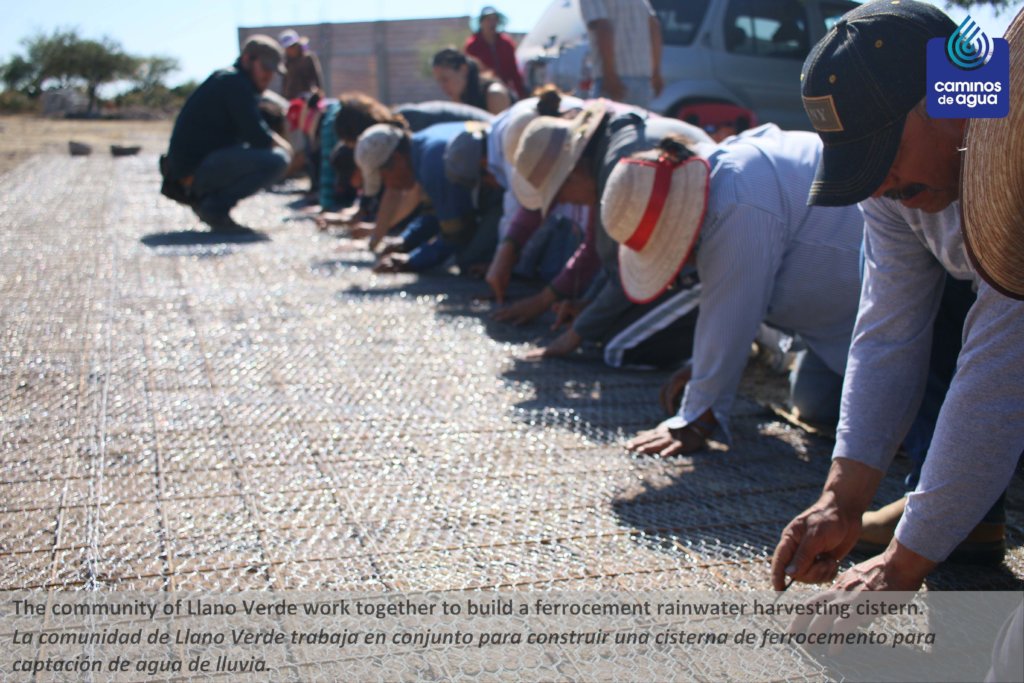
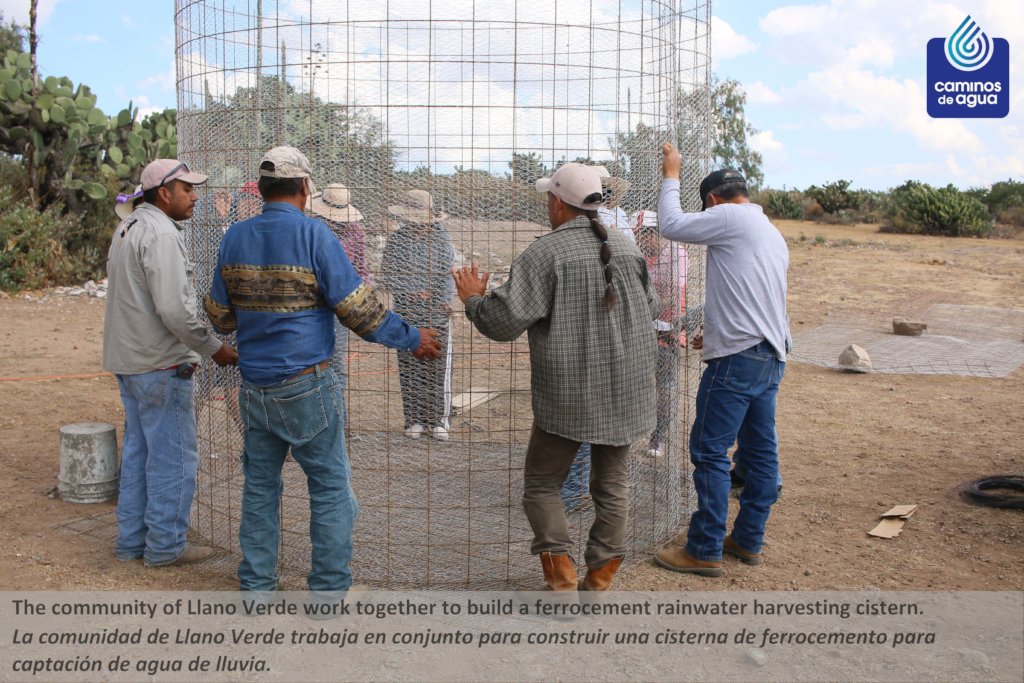
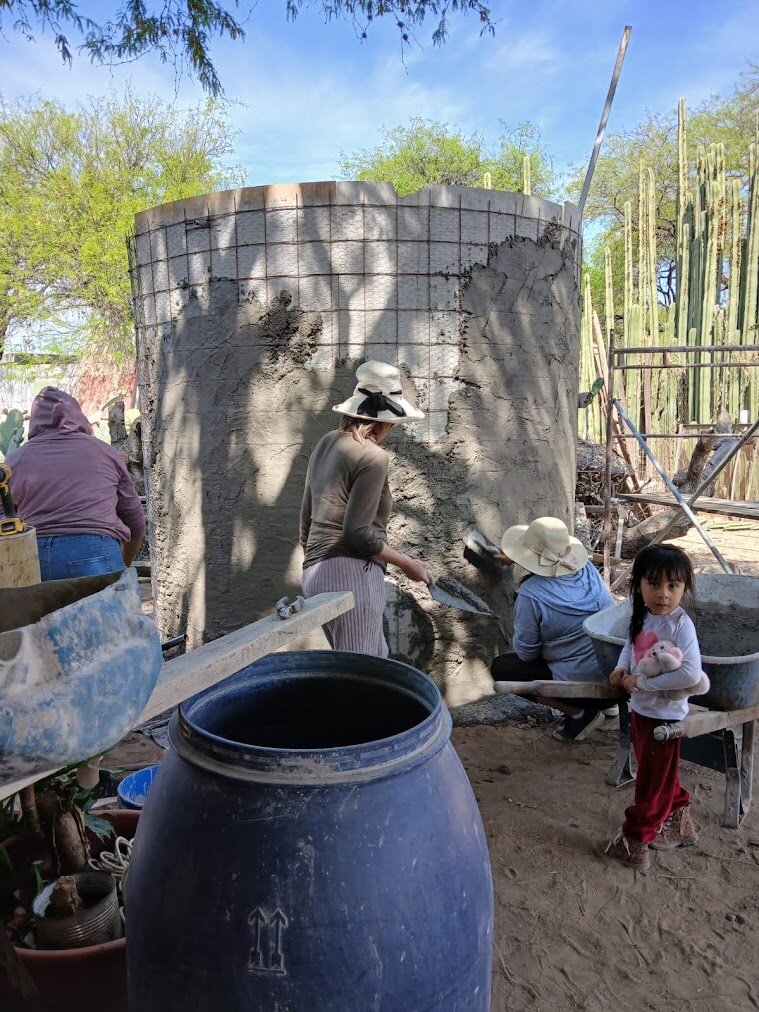
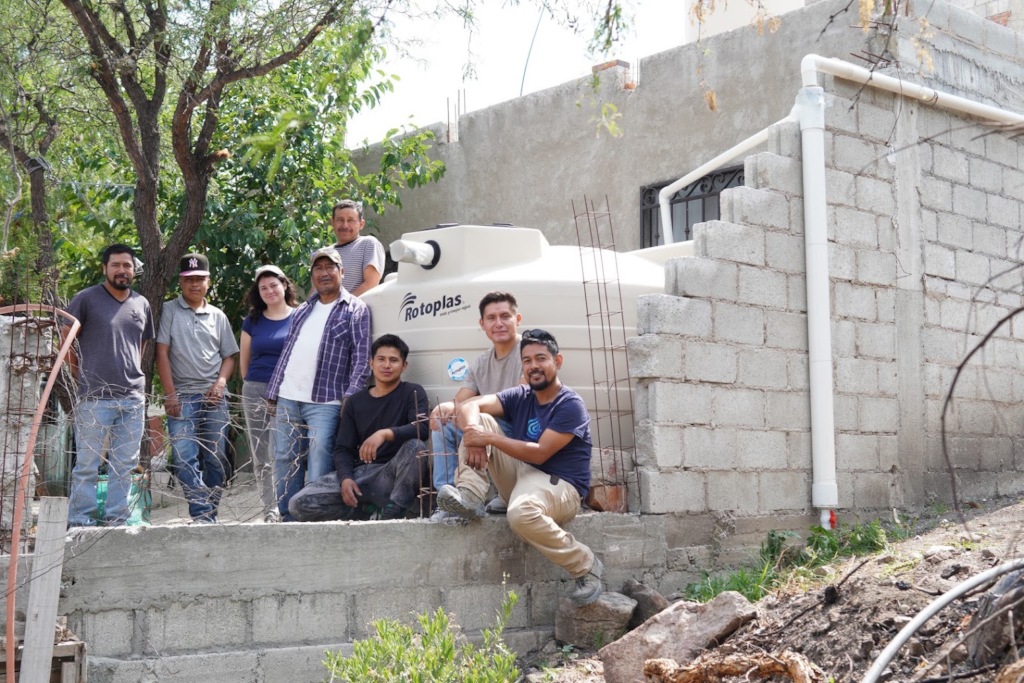
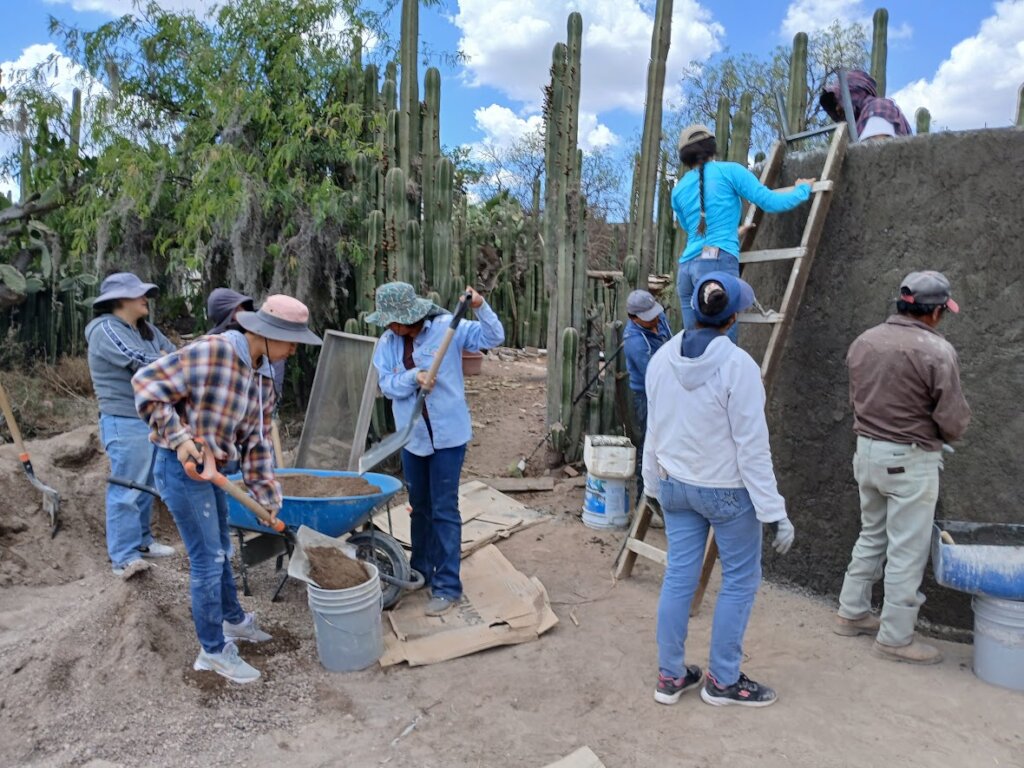
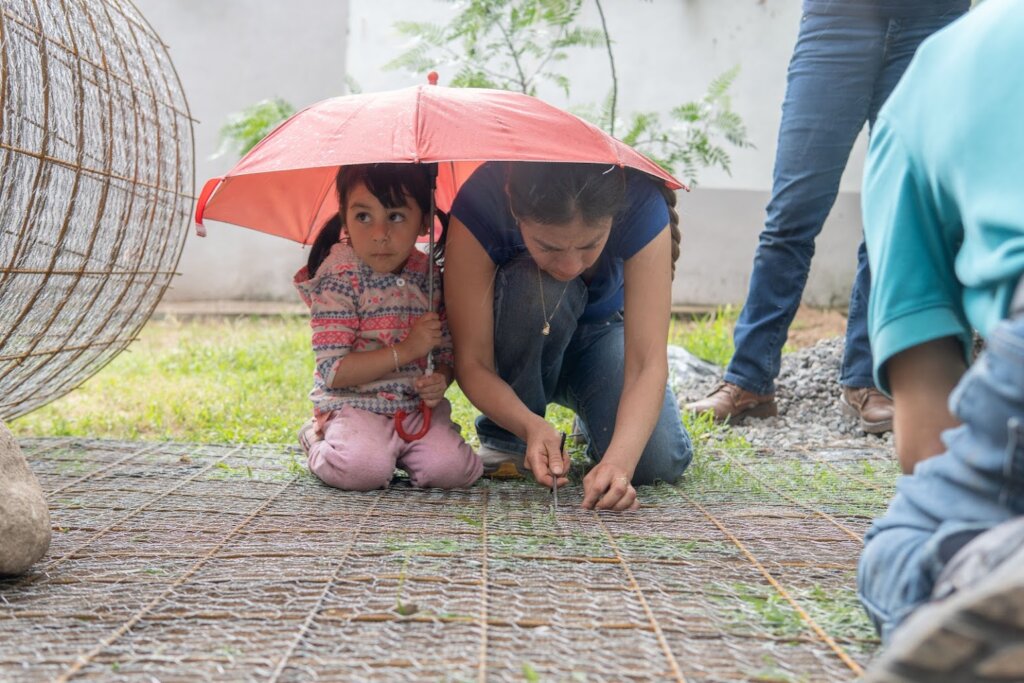
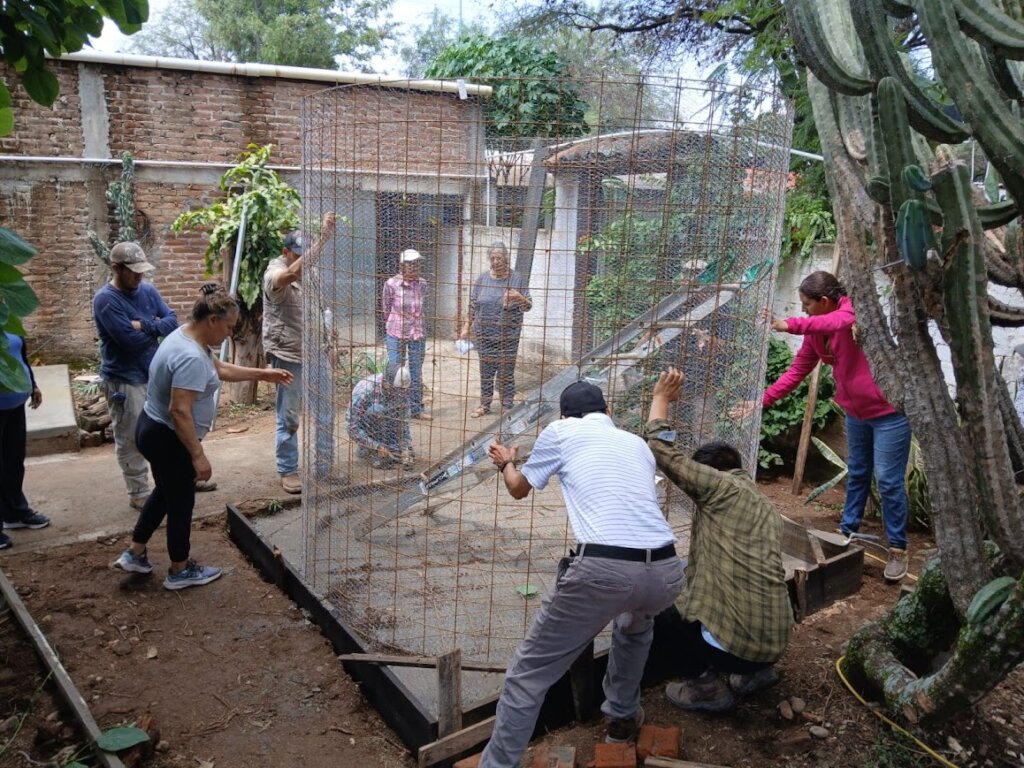
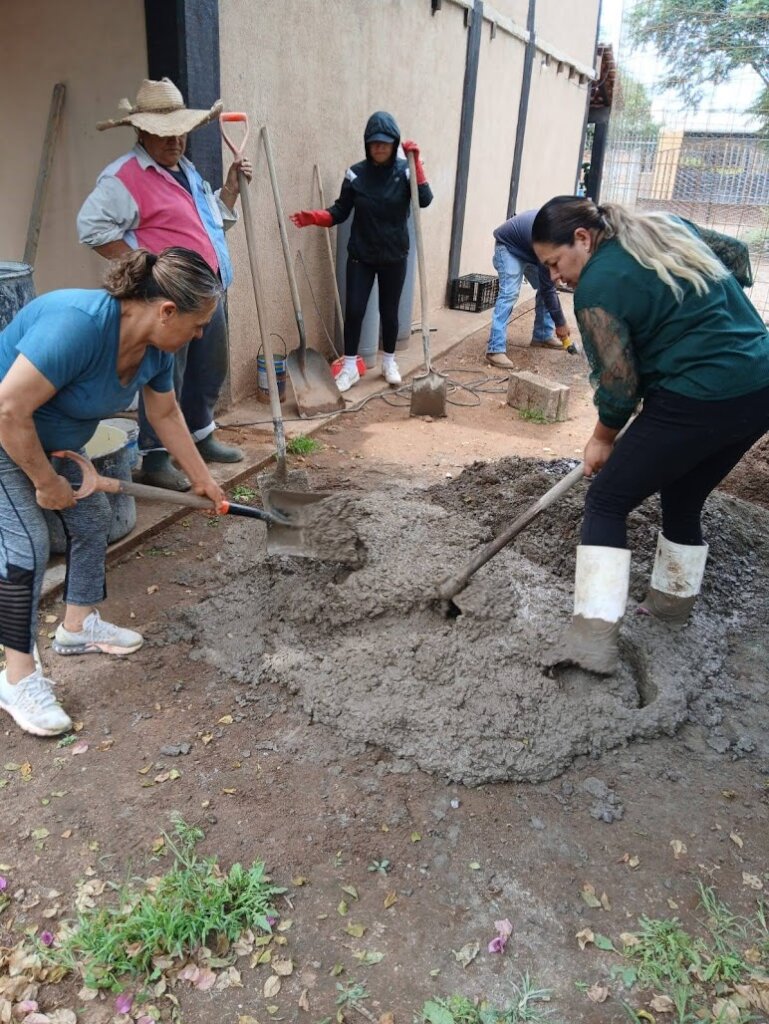
El Garabatillo has been at this for years. Eleven families built 12,000-liter ferrocement systems in 2021, the kind that takes a crew of neighbors and a week of collective work per cistern. Twenty-two followed in 2022. Twenty-six households have since completed 5,000-liter systems with our grassroots partners SECOPA and COENLAVIS. That is 59 systems in one community, built by the same families who then organized the celebration.
Omar, our Technical Social Promoter at Caminos, described what these systems do beyond holding water:
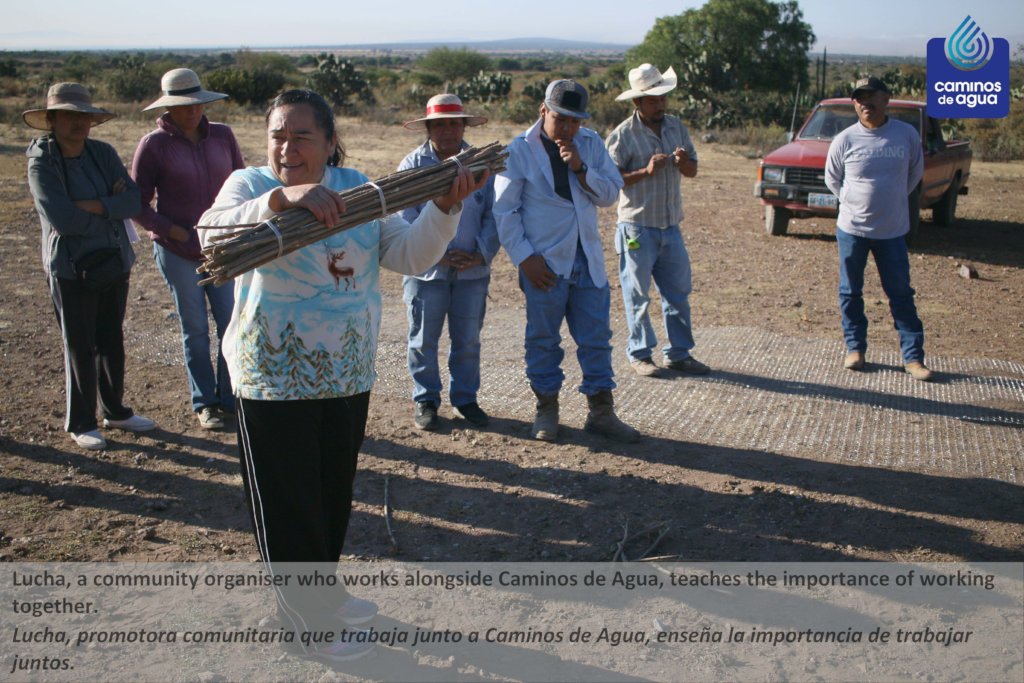
"The cistern becomes the reason to form groups, to get together, to meet each other. There are people who share the same community space, who recognize each other by sight but have never really worked side by side, and the cistern is the reason they finally do."
One Well in Marroquín de Abajo
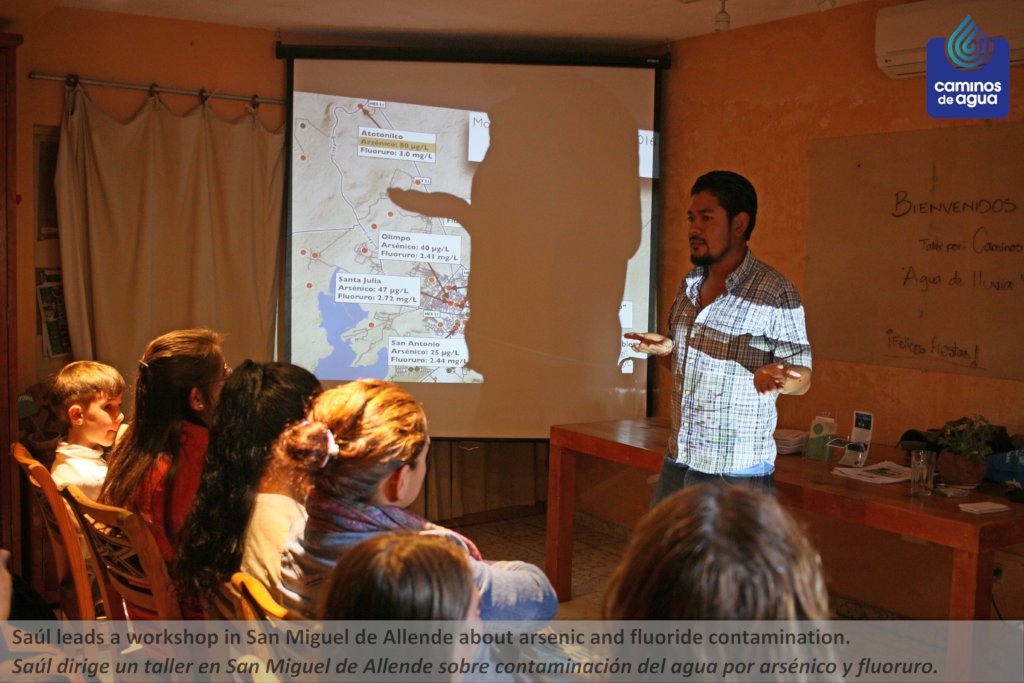
Marroquín de Abajo, a community of about 300 people in the Municipality of San Miguel de Allende, shared a single well with neighboring La Mesita. The water carried arsenic and fluoride above Mexican drinking water standards, and there was not enough of it to reliably reach every household. Dental fluorosis is already widely visible in the community.
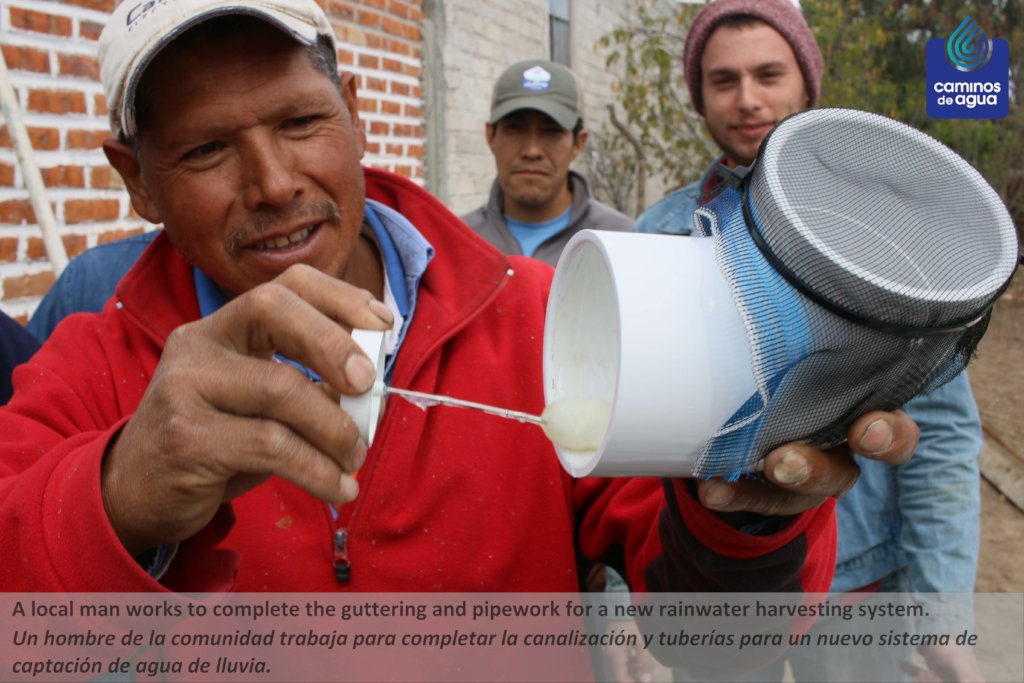
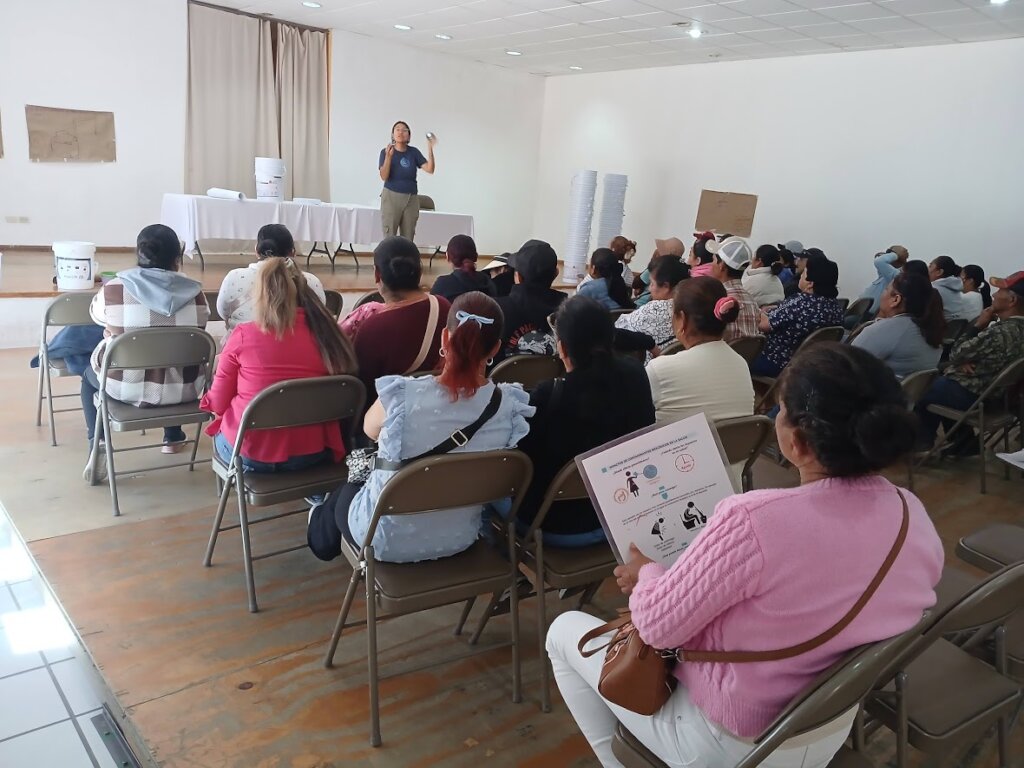
Thirty-eight families came forward after the first community meeting, more than the project could cover, so the families themselves decided how to distribute the first 25 systems. Over six months they met ten times, learned what arsenic and fluoride do to a body over years, and trained in how the systems are built and maintained. They contributed the labor and the materials for the cistern bases, roughly 17% of the project budget. All 25 systems were finished by the end of June, ahead of the rains, and about 150 people now have safe water for drinking and cooking at home.
Juan Pablo, who took part in the training and installation work, described it this way:
"We got together to talk, to learn a little about water and what happens when you drink it. It makes me glad to be able to help the community, and to see people come together, because when the community is united we can do more. And we learned how the system is installed. We could keep going, maybe support more families with the same system."
This project was possible through Rancho del Sol Dorado, the UU Fellowship of San Miguel de Allende, and the San Miguel Community Foundation. Our own lesson from Marroquín is a straightforward one, and it is the same thing Juan Pablo said: plan for a bigger phase next time, because the community will respond.
Four Times the Water for Less Than Twice the Cost
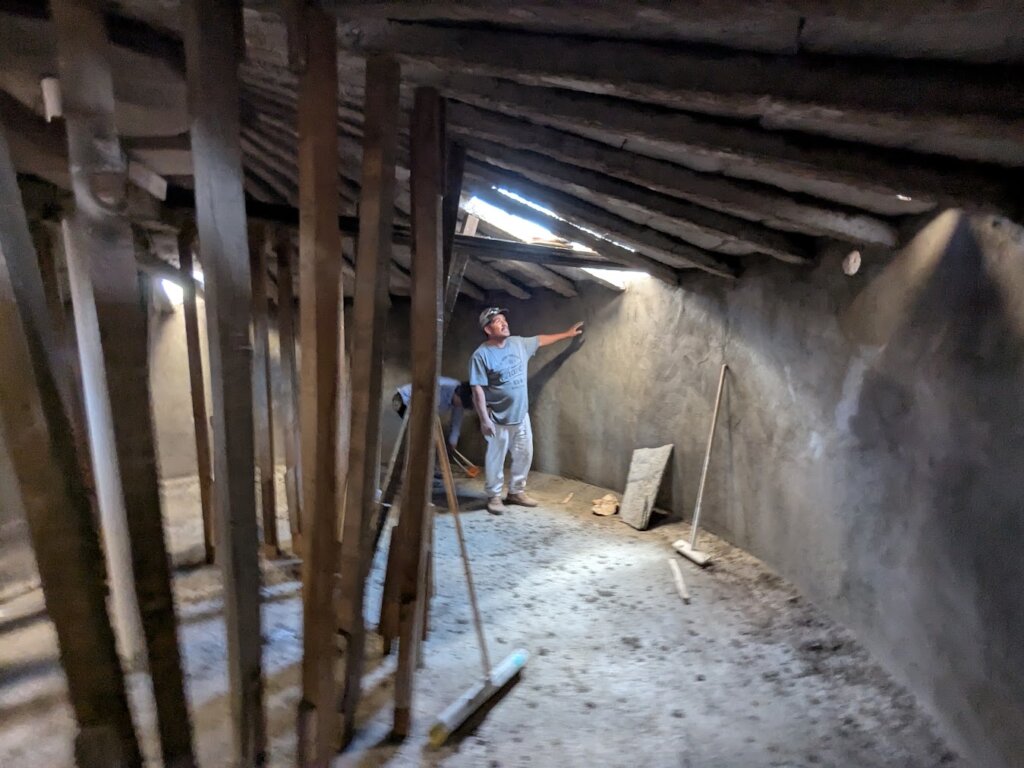
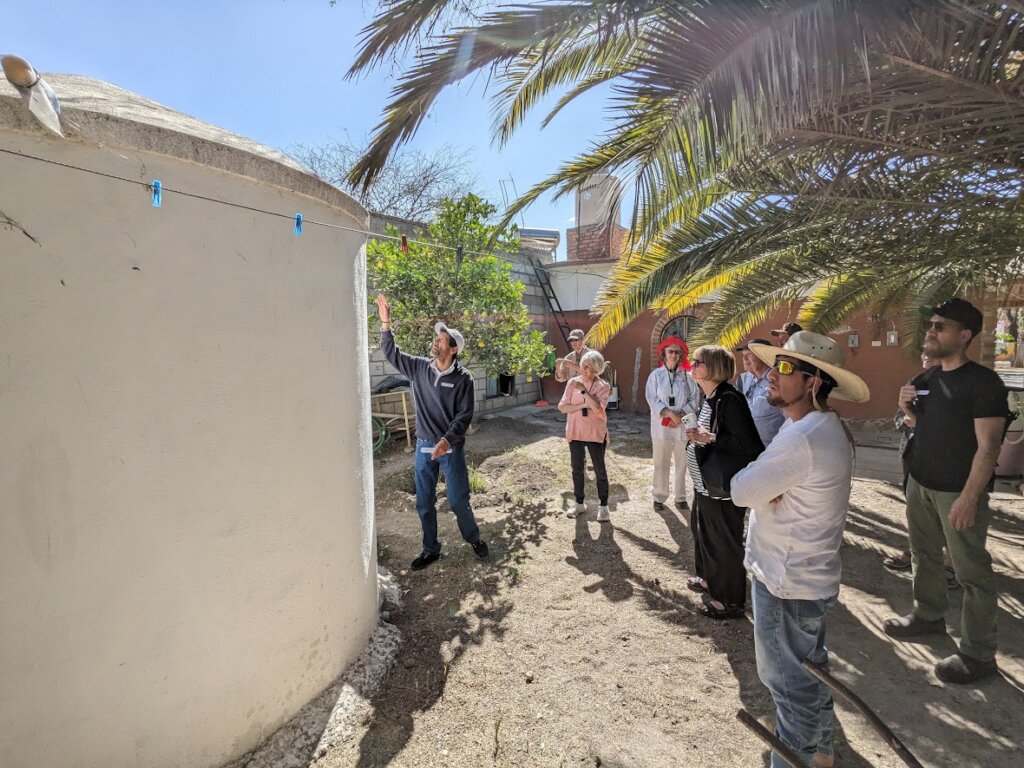
In May we completed the region's first plate cistern, a 52,000-liter tank at the San Cayetano Community Center in San Luis de la Paz. For context, our household systems hold between 5,000 and 12,000 liters. This one holds more than four times the capacity of the largest of them.
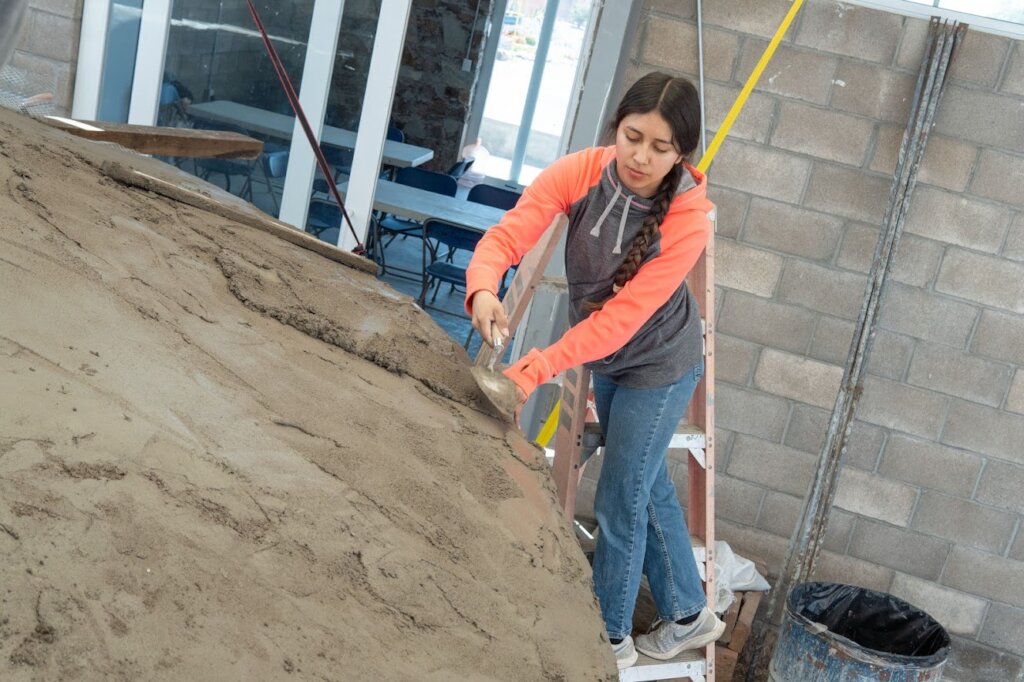
The design comes from Manoel Apolônio de Carvalho, a bricklayer in the dry interior of northeastern Brazil who grew up without running water. After watching a swimming pool go up, he realized a similar structure could catch and store rain. His plate cistern became the foundation of Brazil's One Million Cisterns Program, which has reached more than a million families. Our team learned the technique in Oaxaca last year, and this year we invited Isla Urbana, who facilitated that gathering, to come north and help us build the first one here. It took five days, with community members, neighbors, and Water School apprentices on the crew.
What gets our attention is the cost. A standard ferrocement household system holds 12,000 liters for roughly MXN $17,500 in materials. This one holds 52,000 liters for around MXN $30,000. At that ratio you stop thinking about rainwater only as drinking water and start asking what else it can sustain: a garden through the dry months, water for animals, daily household needs in places where water is scarce most of the year. The cistern will do exactly that at the community center, and it gives our team, the community, and our partners a working example to learn from as we consider where an approach like this belongs.
The Rest of the Season
Our focus now is finishing what is already committed with San Diego de la Unión, CUVAPAS, Salvemos al Río Laja, and the communities carrying their own processes forward in Pájaro Bobo and San Pedro de la Sierra. The timing is not flexible. A system built in the next several weeks fills this year. One funded after the rains stop sits empty until June.
Thank you for making this possible. Your support through GlobalGiving is what lets us commit to a community's build schedule before the money is in hand.
Saludos,
Dylan Terrell
Executive Director
By Dylan Terrell | Executive Director
By Dylan Terrell | Executive Director
Project reports on GlobalGiving are posted directly to globalgiving.org by Project Leaders as they are completed, generally every 3-4 months. To protect the integrity of these documents, GlobalGiving does not alter them; therefore you may find some language or formatting issues.
If you donate to this project or have donated to this project, you can receive an email when this project posts a report. You can also subscribe for reports without donating.



Support this important cause by creating a personalized fundraising page.
Start a Fundraiser