By Dylan Terrell | Executive Director
Dear GlobalGiving Supporters,
After nearly two years of pretty severe drought in our region, and throughout much of Mexico, we are thrilled to report that the rains this year have officially arrived! We received about 60% more rain in July than we normally would on an average rain year, which has helped to quickly fill the nearly 1,400 rainwater systems we’ve already built throughout our region.
With all the rain this year, we have taken advantage and hit the ground running on our “Agua en Acción” (Water in Action) Project – a three-year initiative we designed in partnership with our long-time collaborator, Inana A.C., and our grassroots community partners. “Agua en Acción” is funded in part by the Gonzalo Río Arronte Foundation and local government, but only made possible by individual donors, including all of you in our GlobalGiving Community, who we need to provide upwards of 30% of the funds needed for the ambitious program. You can learn more about this initiative in our prior update (originally called “Agua para el Futuro” in our last report).
But, here’s what we’ve been up to since our last update.
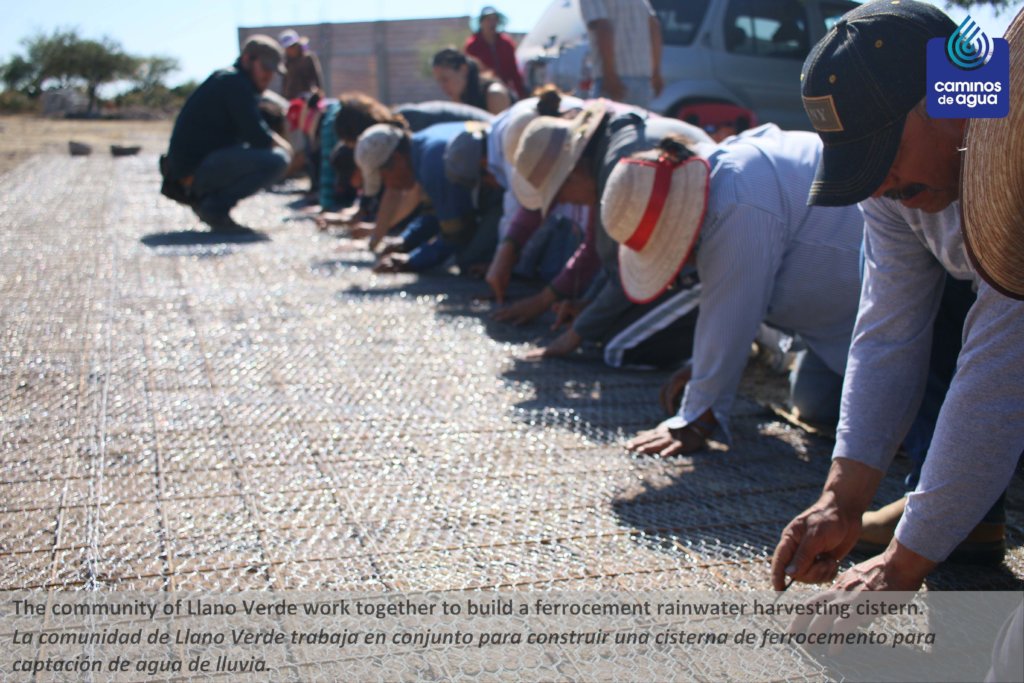
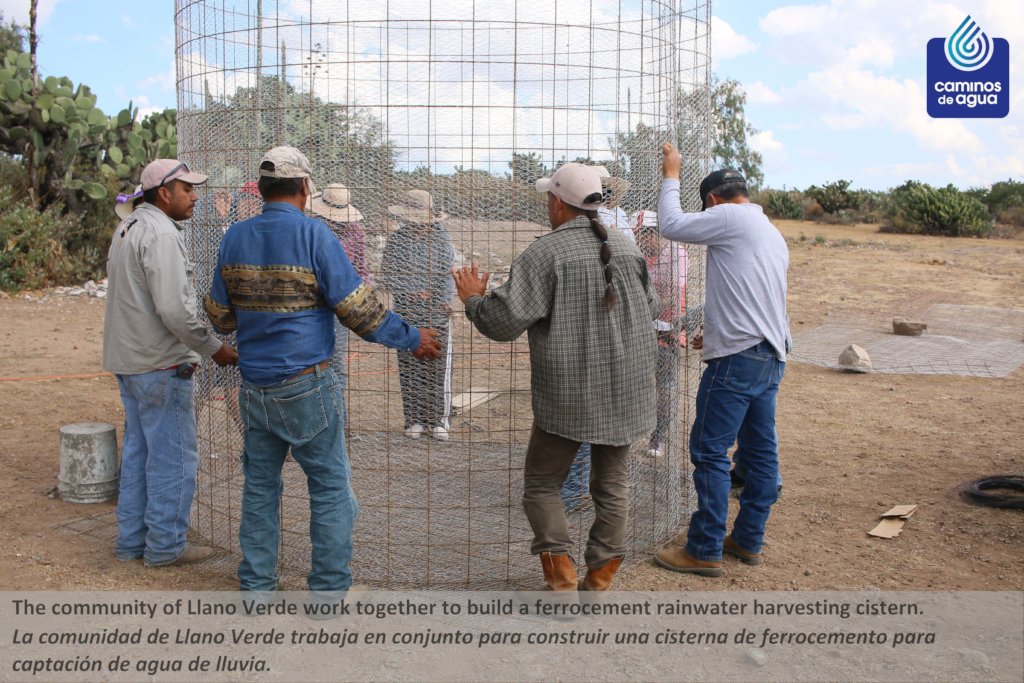
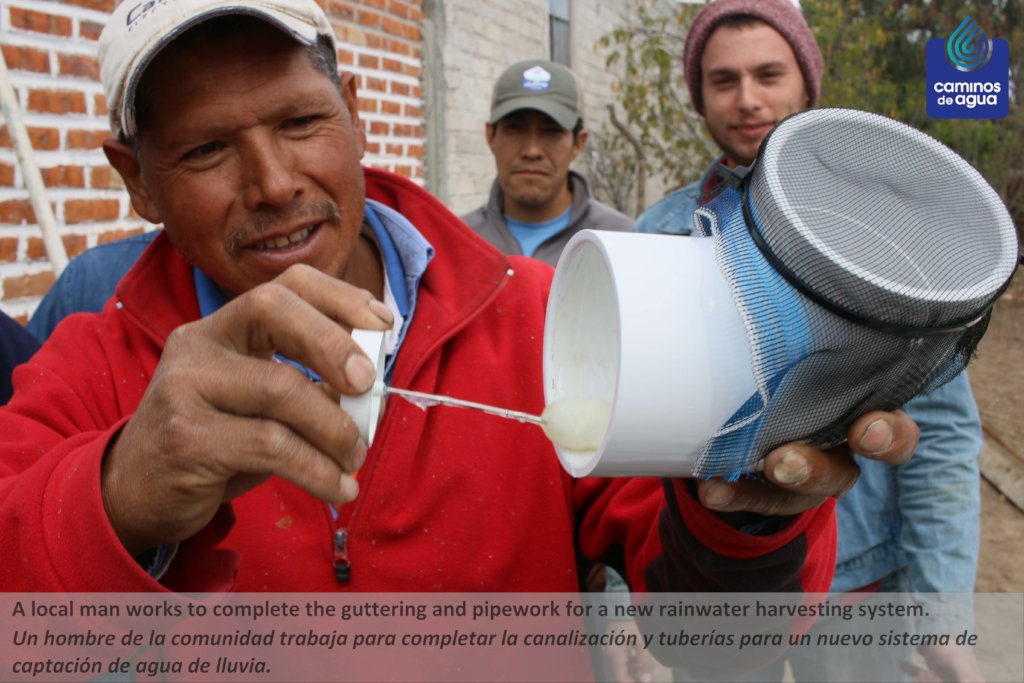
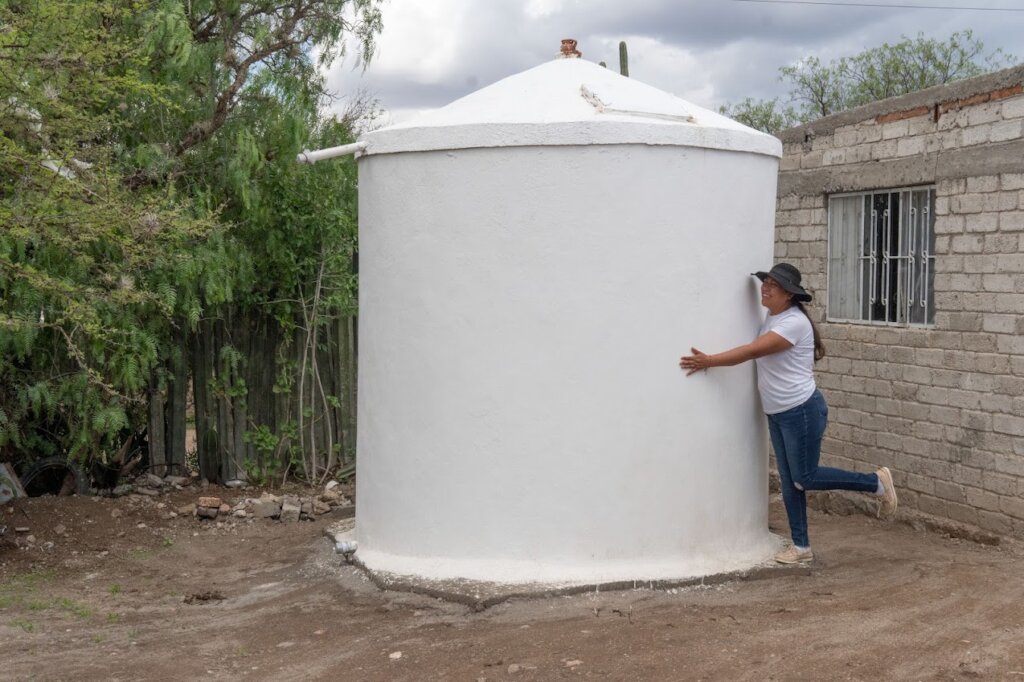
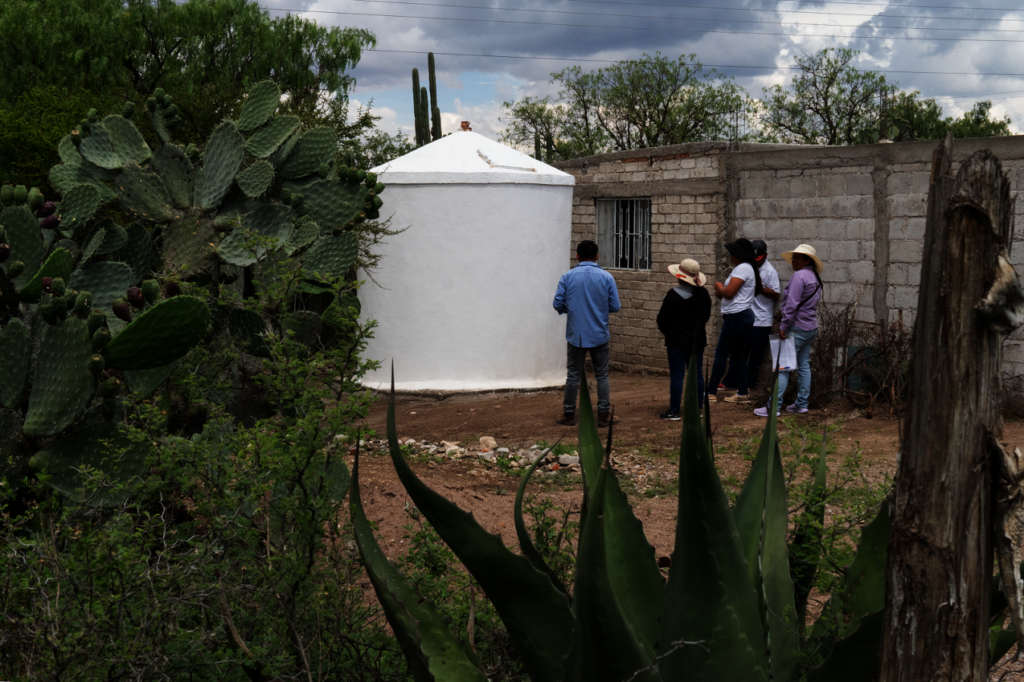
Over the last several months, we in Caminos de Agua have been moving forward aggressively with our Rainwater Harvesting Program. So far this year, we have built a staggering 253 Rainwater Harvesting Systems (RHS) in more than 40 different rural communities.
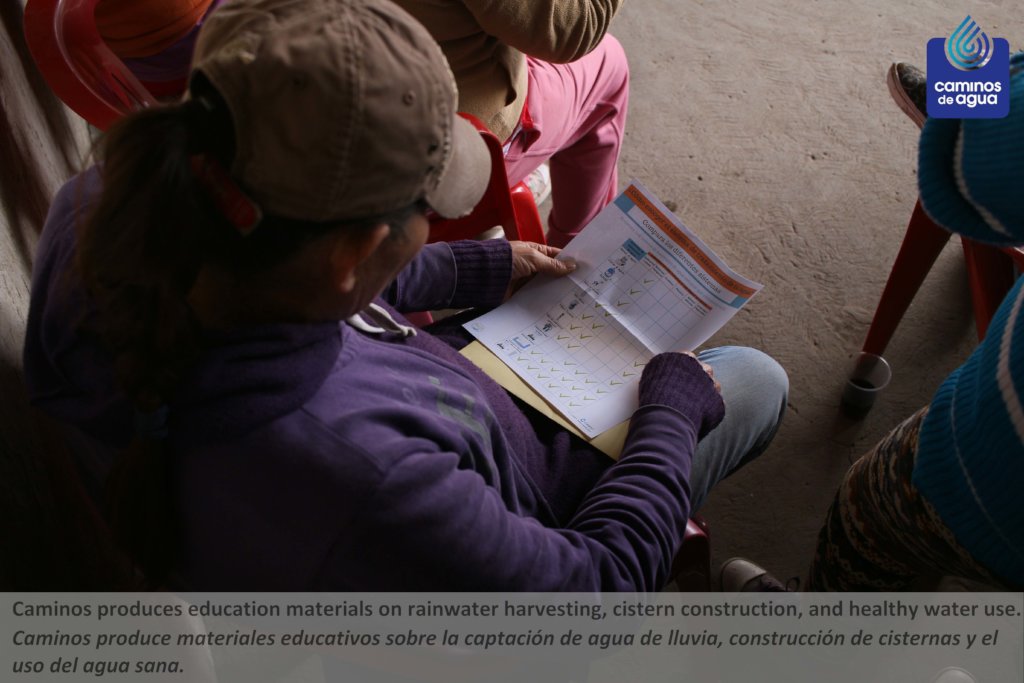
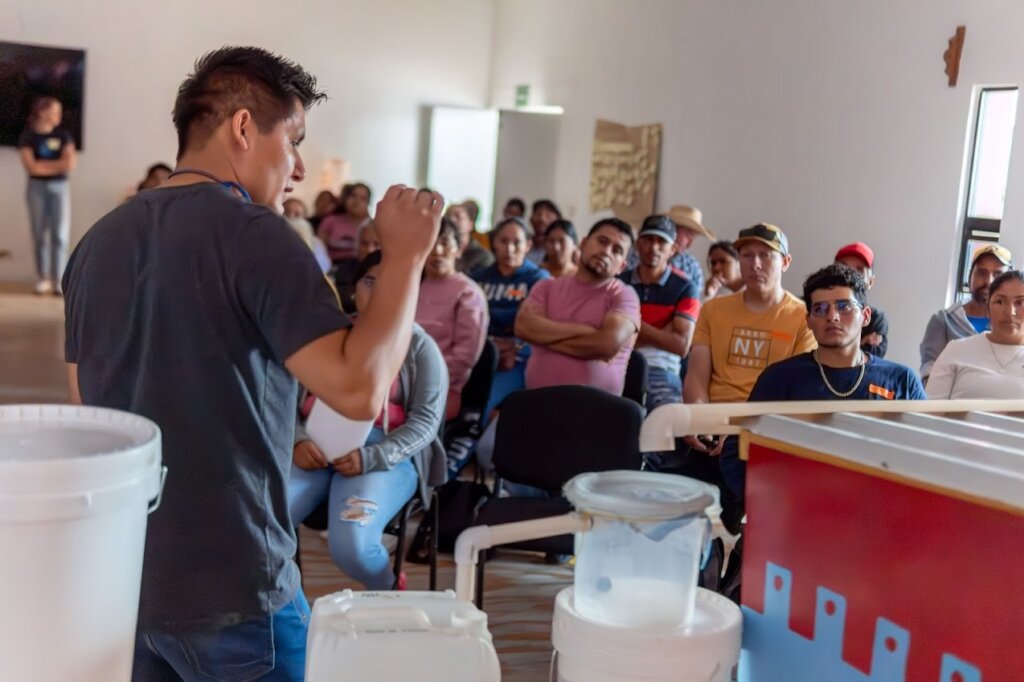
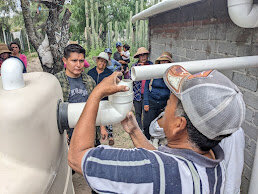
We built 178 of those systems with the Municipal Government of San Diego de la Unión in an on-going partnership with the current administration. Caminos provided the funds for 50 of the systems, as well as all of the educational and technical training programs in the participating communities, which we implemented across 5 different community centers throughout the municipality (including one massive training program at the municipal center as well). The Municipal government provided the materials for the additional 128 RHS built during this time period and supported Caminos on logistical coordination.
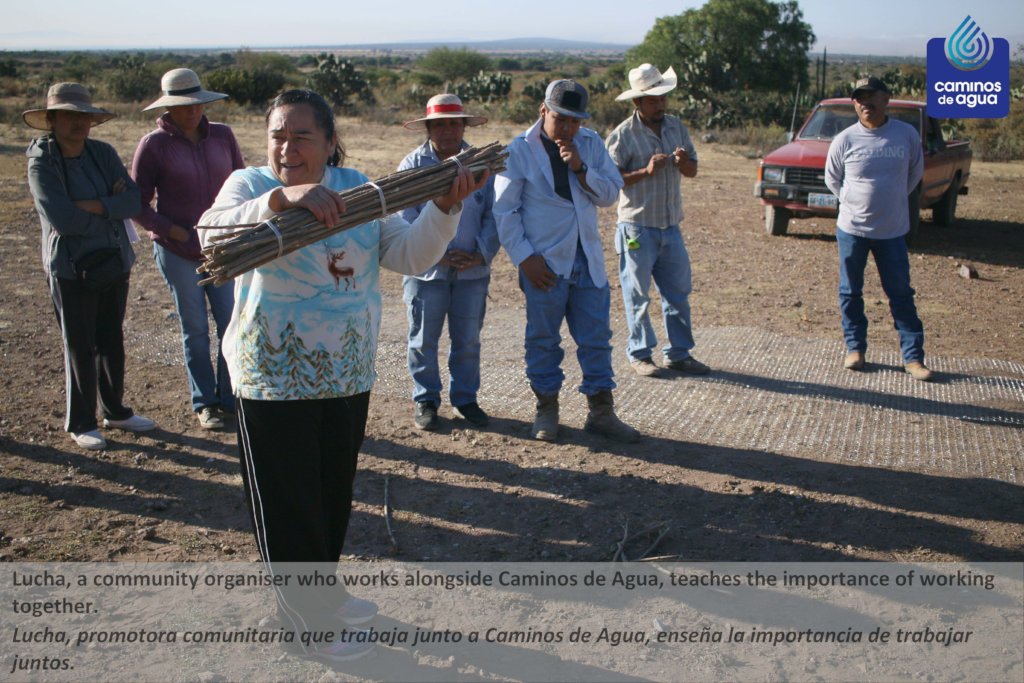
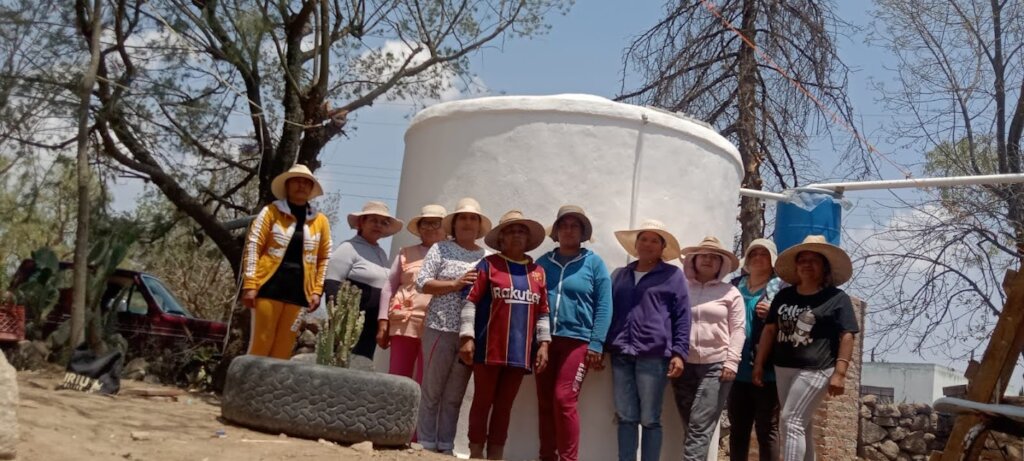
The other 75 RHS we built this year were in collaboration with CUVAPAS, a grassroots community organization we have partnered with for 13 years now, with funding for these systems provided by the Gonzalo Río Arronte Foundation through “Agua en Acción” as well as individual donors to Caminos de Agua. We plan to break ground on more systems with CUVAPAS later this year, and we are also awaiting news from a potential new Foundation partner who will help Caminos and CUVPAS build even more systems into 2025.
Our goal for 2024 is to build 350 RHS, and we are well on our way. Along with the 253 already built, we recently broke ground on 80 new systems in rural villages with our partner SECOPA, another grassroots collaborator we have been working closely with for more than a decade. We have started the initial educational and technical training program in two communities with SECOPA, and will begin breaking ground on the first systems in the coming weeks. We will also be building additional systems, up to 70, with the Municipal Government of San Diego de la Unión; however, we are still working on the timeline of those systems, which may not be fully implemented in 2024.
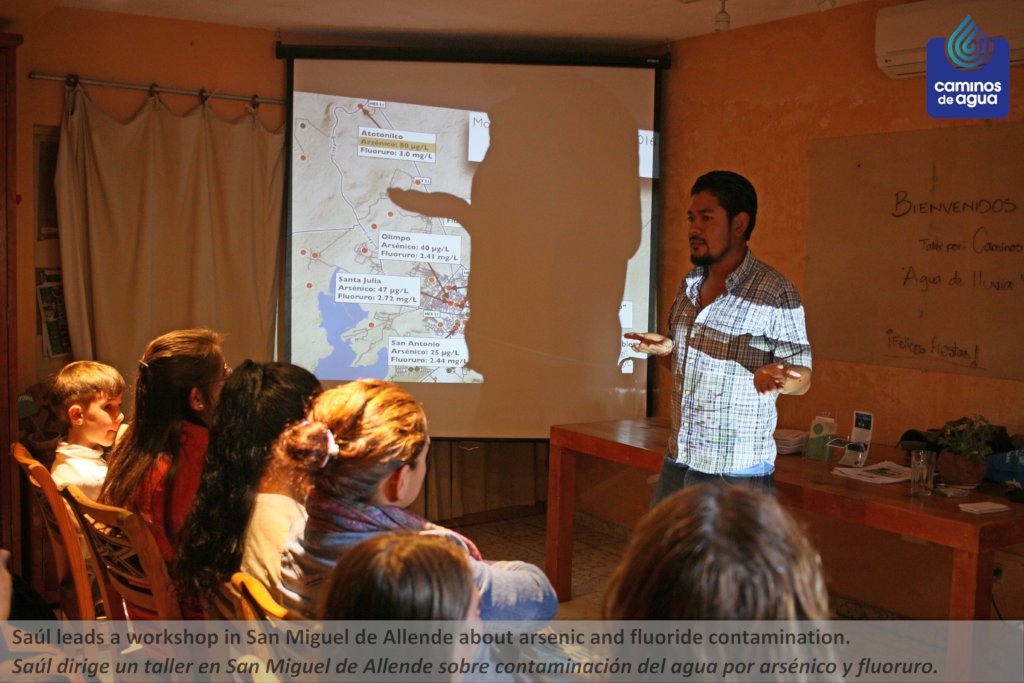
Importantly, with new funds becoming available through different individual and institutional supporters, we are in initial conversations with new communities in the region suffering from excessive water scarcity or arsenic and fluoride contamination in their water supplies. Specifically, we are working with the community of Estancia de Canal, which does not have any regular water supply. All of their water has to be trucked in by water trucks, which are costly, inconsistent, substantially insufficient, and potentially contaminated. We have already built two rainwater harvesting systems with the elementary school earlier this year and are looking to expand to community homes. We are also in conversations with the community of Vivienda de Abajo, which has limited water access and the water it does receive has fluoride levels more than twice the limit.
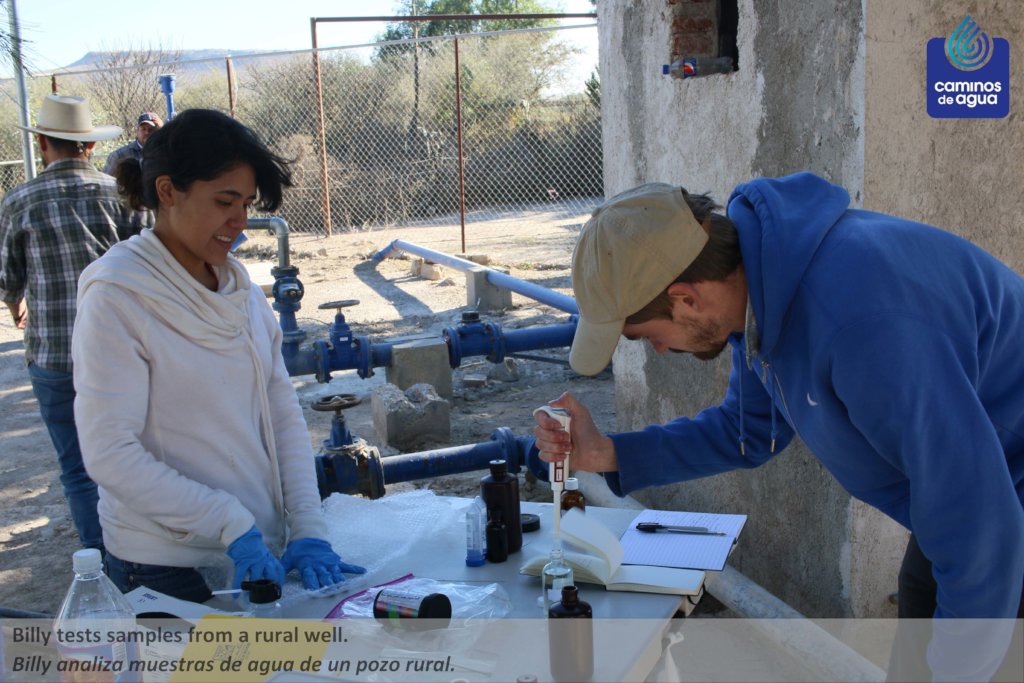
One important note is that we continue to implement our Monitoring and Evaluation (M&E) program on our rainwater harvesting projects, which evaluates dozens of indicators across 8 distinct categories and helps us improve our technical implementation and educational programming. This year, we have visited 130 families directly with follow-up surveys and technical evaluations of the systems, and we have done initial registration with 265 systems (some roll-over from the previous year).
Through all of these actions, we plan on surpassing our annual goal of 350 new Rainwater Harvesting Systems.
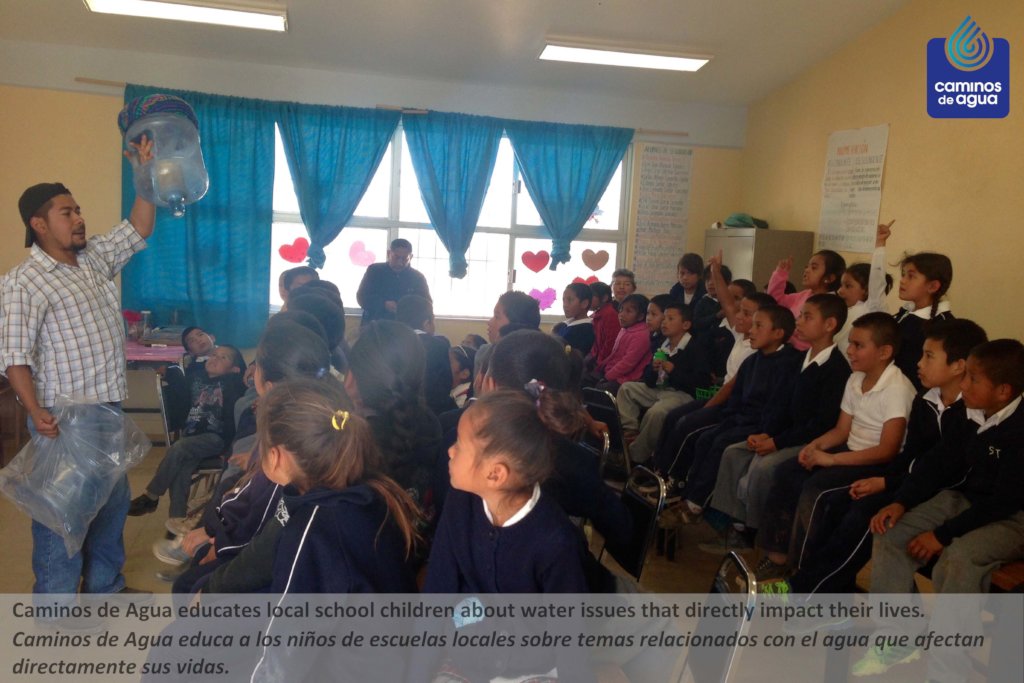
Along with installing multiple community-scale water treatment plants, launching a new educational initiative called the Water School, and implementing an innovative new public health study (to name a few), our collaborative “Agua en Acción” project will allow us to build, we hope, upwards of 700 new rainwater harvesting systems across dozens of rural communities by 2026. But, we can only get there with your help! The funds currently provided by the Gonzalo Río Arronte Foundation, local government, and other partners and supporters only gets us part way to our goal. We still need to bring in about 30% of the project total to meet our goals, and the clean water needs of thousands in our region. So, please, consider supporting this initiative and help us get clean drinking water to another 6,000 people in the next two years!
Thank you all so much for your support. Together, we are making an important contribution to the health and well-being of dozens of rural communities through new clean water access.
Saludos,
Dylan Terrell on behalf of the Caminos de Agua Team
Project reports on GlobalGiving are posted directly to globalgiving.org by Project Leaders as they are completed, generally every 3-4 months. To protect the integrity of these documents, GlobalGiving does not alter them; therefore you may find some language or formatting issues.
If you donate to this project or have donated to this project, you can receive an email when this project posts a report. You can also subscribe for reports without donating.



Support this important cause by creating a personalized fundraising page.
Start a Fundraiser