By James Paul | Senior Grant Writer
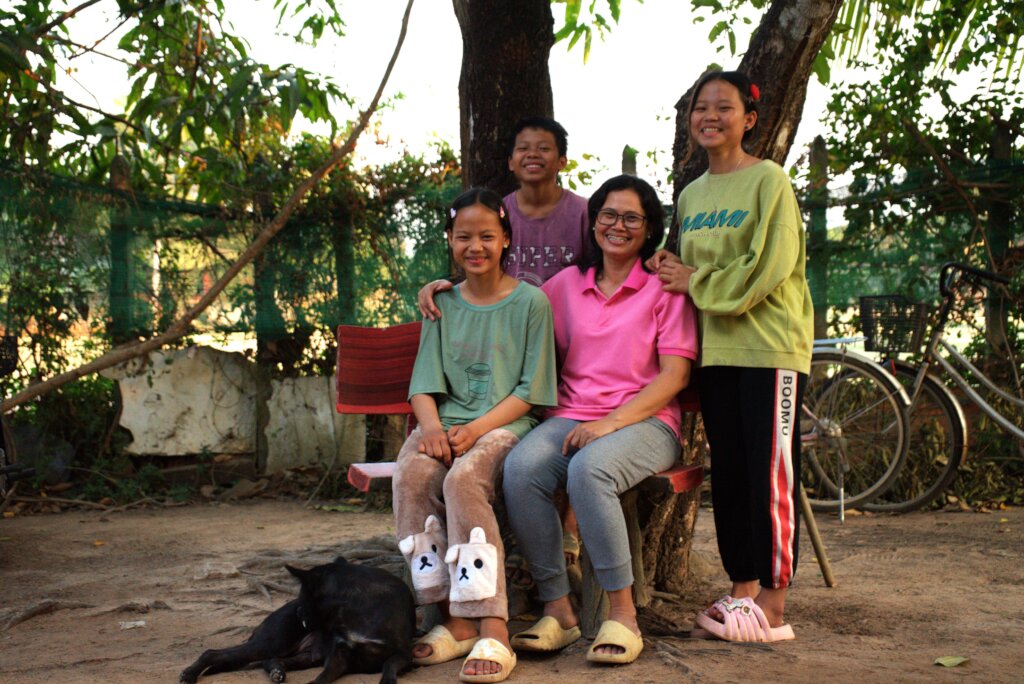
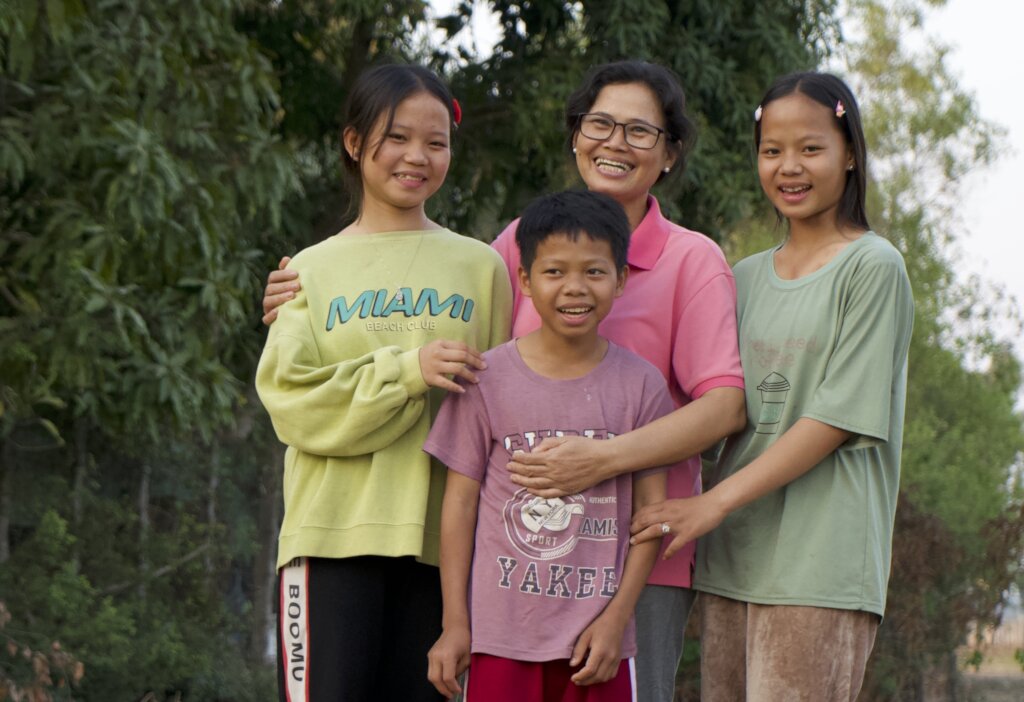
Thanks to your support, vulnerable children in Cambodia are getting the chance to grow up in safe, stable and loving families.
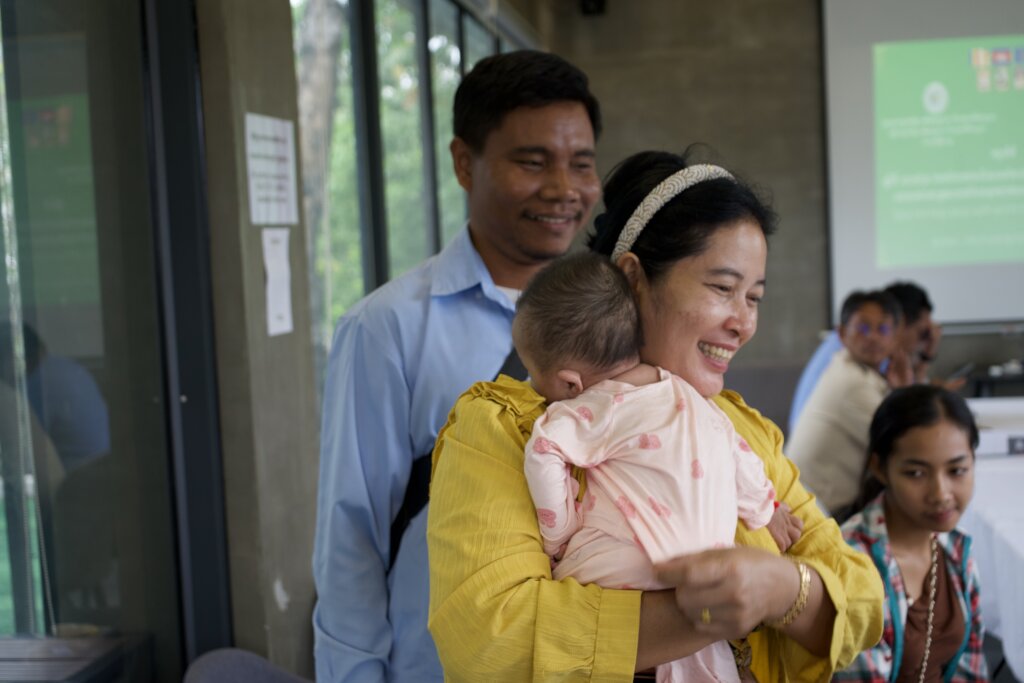
Nary was just one week old when she was abandoned at a hospital in Siem Reap. Her mother was living in poverty and felt unable to care for her. After social workers assessed her situation, a trained foster family was found. Just one month after she was born, Nary moved into her new home.
Today, she is healthy, confident and playful. She has formed a strong bond with her foster parents and is thriving in their care.
Your support is also helping foster families care for children with more complex needs. In Phnom Penh, one foster mother stayed beside a young boy throughout a week in hospital after he became seriously ill. She patiently helped him adjust to his new home and recognised his developmental needs, giving him the individual care and support he needed to make progress.
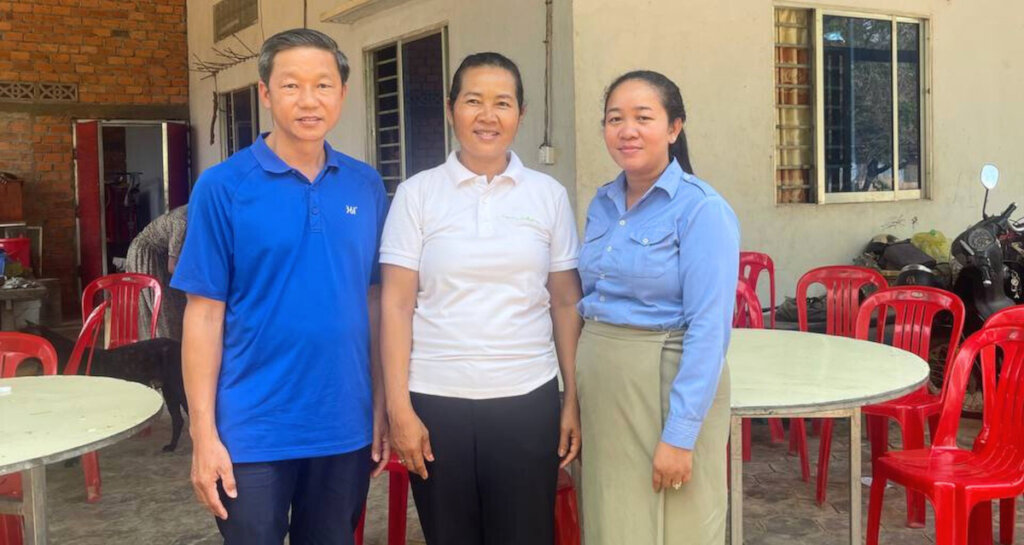
But the impact goes beyond individual children. Your donations are helping local authorities build stronger foster care networks, train caregivers and give social workers more options when children need protection. In Battambang, a growing network of approved foster families means children can be placed in family care more quickly, rather than automatically entering residential care.
Every foster family means another safe home for a child who needs one.
Thank you for helping make this possible. Together, we are helping more children in Cambodia experience the security, belonging and love of family life.
By James Paul | Senior Grants Manager
By James Paul | Senior Grant Writer
Project reports on GlobalGiving are posted directly to globalgiving.org by Project Leaders as they are completed, generally every 3-4 months. To protect the integrity of these documents, GlobalGiving does not alter them; therefore you may find some language or formatting issues.
If you donate to this project or have donated to this project, you can receive an email when this project posts a report. You can also subscribe for reports without donating.



Support this important cause by creating a personalized fundraising page.
Start a Fundraiser