By Margaux Taton | Chargee de communication
At the start of this year, the outlook remains bleak in Haiti. The country is in the throes of an unprecedented socio-political crisis and insecurity is at record levels. The state is non-existent and Port-au-Prince is largely controlled by gangs.
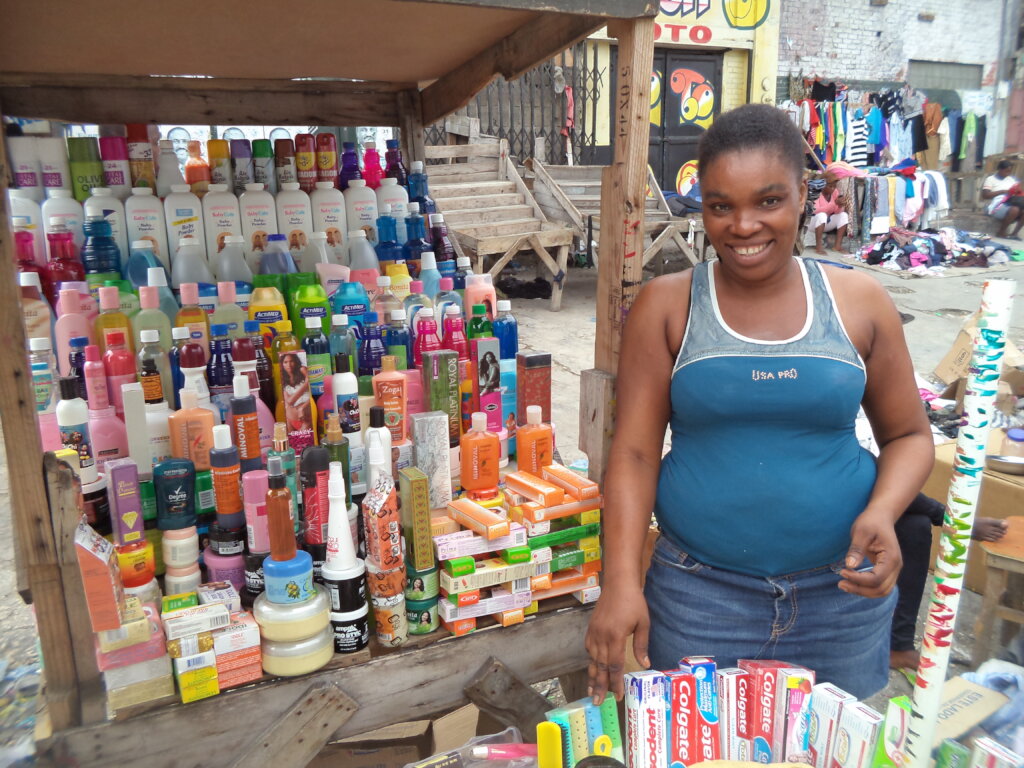
In this context, it is essential to stand by the population! Many vulnerable micro-entrepreneurs are struggling to keep their businesses afloat despite insecurity, soaring prices, shortages and difficulties in obtaining supplies due to roadblocks. Many, forced to flee their region because of insecurity, have had to start all over again elsewhere.
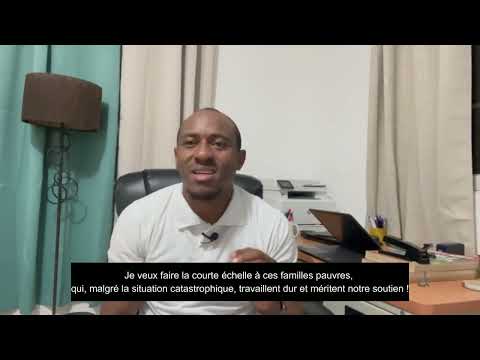
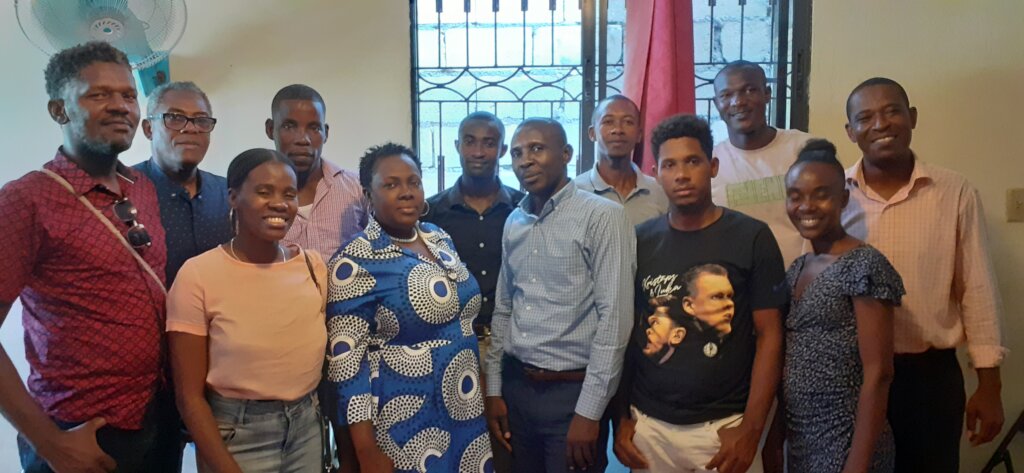
While most international actors have left the country, the teams at Palmis Mikwofinans Sosyal and Palmis Enèji, led by a director who has been deeply committed to the cause for many years, are working hard to maintain their services. We want to convince you, too, that we must remain hopeful!
Microfinance: a strategic and geographical reorientation
Adaptation is a golden rule in uncertain times, and the Palmis Mikwofinans Sosyal team knows this well.
In 2024, we merged several branches and closed one of them so that we no longer had any in high-risk areas. We now have five active branches supporting around 6,000 micro-entrepreneurs.
Our efforts are now focused on increasing Palmis Mikwofinans Sosyal's credit fund, which is essential for restarting activities. Empowering branch managers and reducing operating expenses are among the levers we are activating.
We will relaunch the four branches in the provinces (Les Cayes, Petit Goave-Leogane, Mirebalais and Hinche) by injecting credit funds and redeploying the Port-aux-Princes branch to new areas due to growing insecurity in the capital.
The goal is to support 8,000 beneficiaries by the end of 2026.
The need is there: around 80% of microfinance institutions that were active in the country have closed their doors in the last three years due to the crisis. Palmis Mikwofinans Sosyal is one of five that are still active.
Heading north-west?
Today, the team is conducting prospecting activities in the North West, Haiti's poorest department, which has been neglected by international actors.
There too, a large number of families do not have access to electricity and cook with wood. Palmis Eneji wants to expand its services there by working with financial service providers who already bring families together in groups and by opening relay shops.
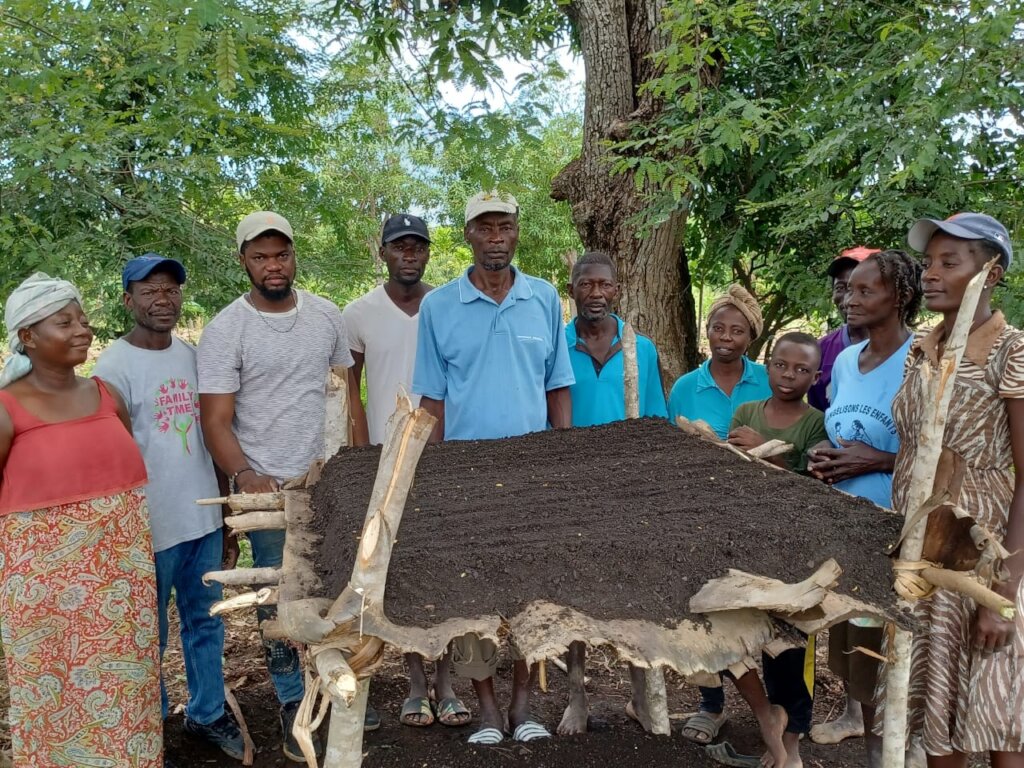
The team is also assessing the relevance of facilitating the pooling of solar-powered production tools for entrepreneurs who want to transform their production, such as producers, fishermen and livestock farmers.
Finally, it is studying the possibility of setting up community shops in the main towns to avoid small traders and women farmers having to pay exorbitant transport costs to source supplies in large cities.
Maintaining its services in highly fragile contexts, where insecurity and instability only serve to increase poverty, is part of Entrepreneurs du Monde's DNA. In Haiti, while Palmis Eneji is holding steady thanks to the team's dedication, the future of Palmis Mikwofinans Sosyal will depend on its ability to increase its credit fund. Are you concerned about this situation and would like to get involved with us, or do you have ideas for how to support us? Let's talk about it!
Links:
Project reports on GlobalGiving are posted directly to globalgiving.org by Project Leaders as they are completed, generally every 3-4 months. To protect the integrity of these documents, GlobalGiving does not alter them; therefore you may find some language or formatting issues.
If you donate to this project or have donated to this project, you can receive an email when this project posts a report. You can also subscribe for reports without donating.



Support this important cause by creating a personalized fundraising page.
Start a Fundraiser