By Abbes Azdoug | HAF Volunteer
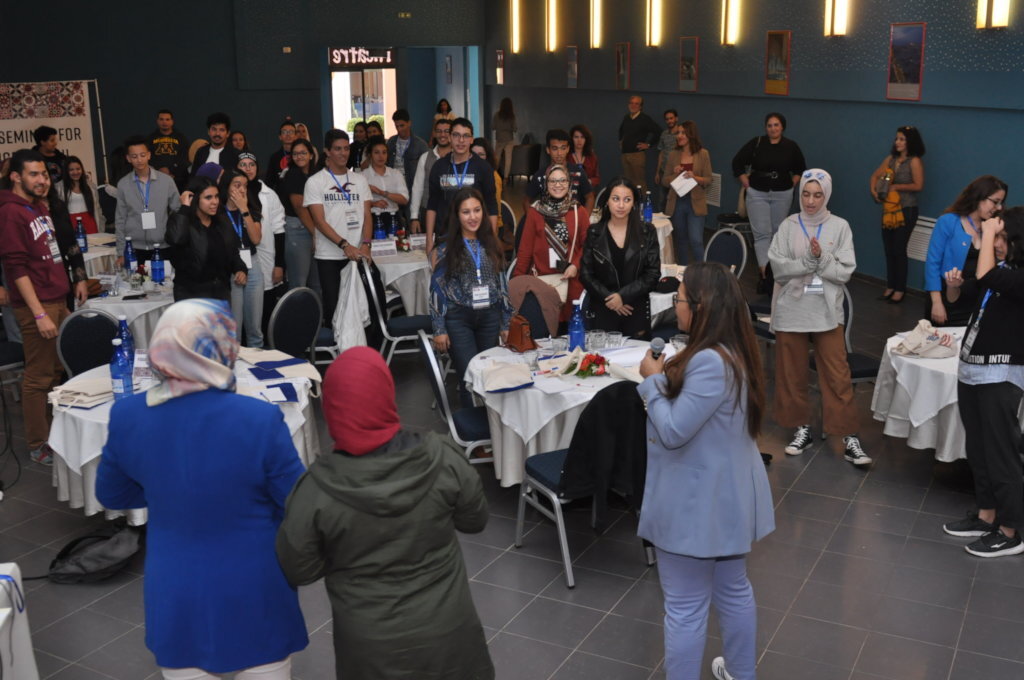
Between June 15 and June 18, 2026, I had the privilege of participating in a series of field visits organized by the High Atlas Foundation (HAF) for visitors from George Mason University. These visits were far more than opportunities to observe development projects; they were a profound cultural and human experience that demonstrated how sustainable development can serve as a powerful bridge connecting people, communities, and cultures.
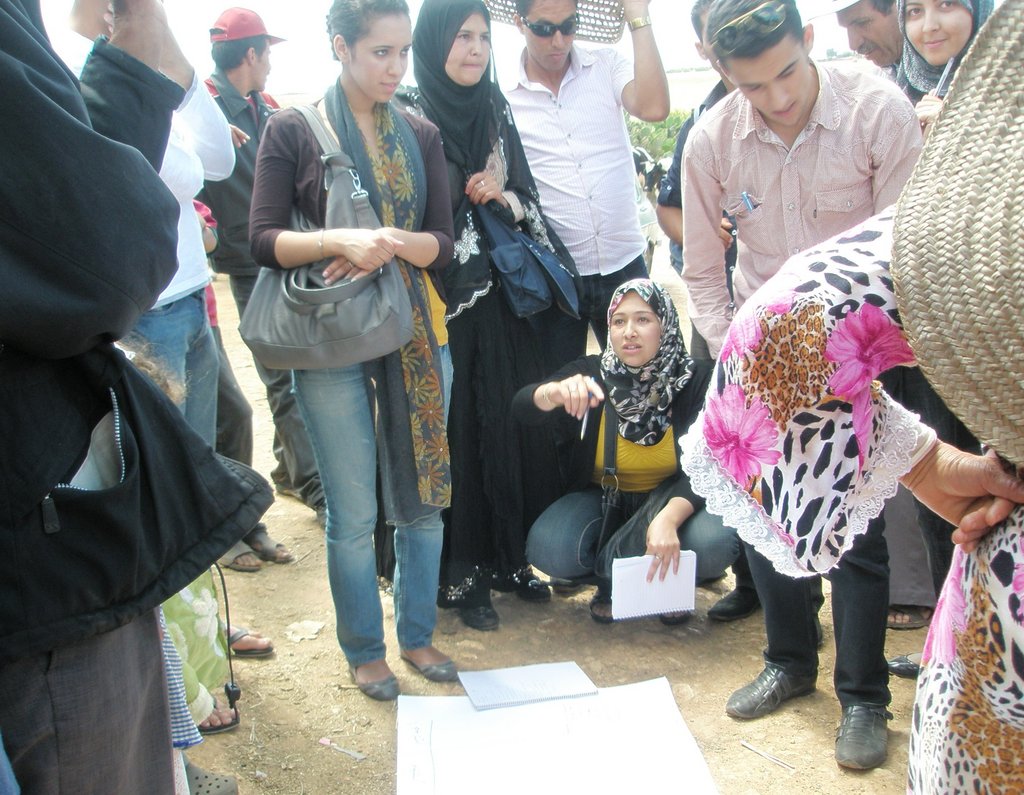
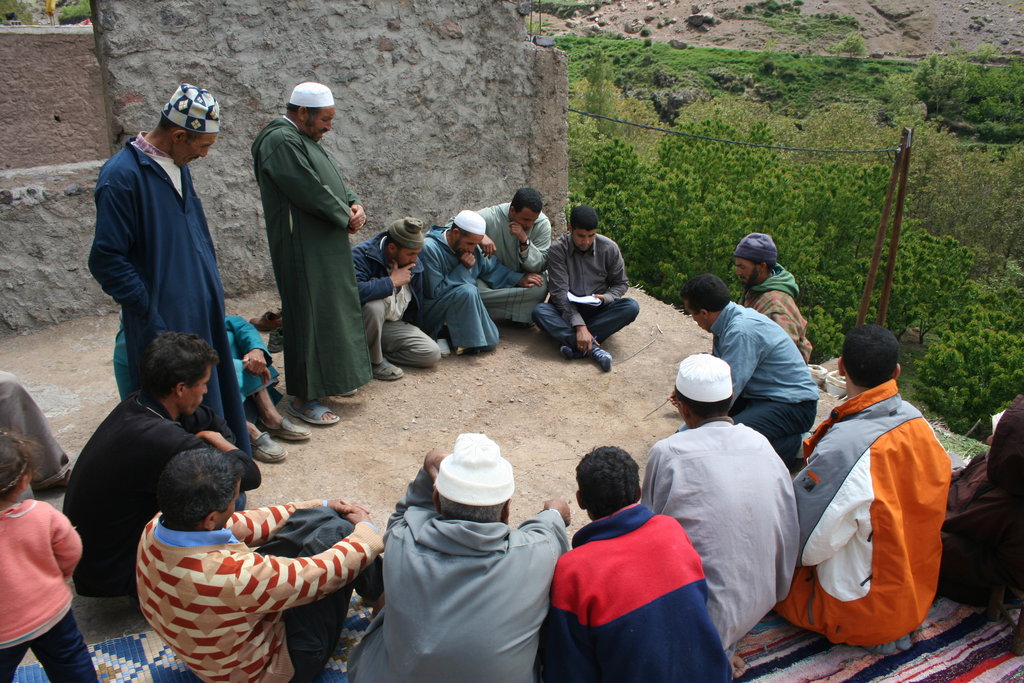
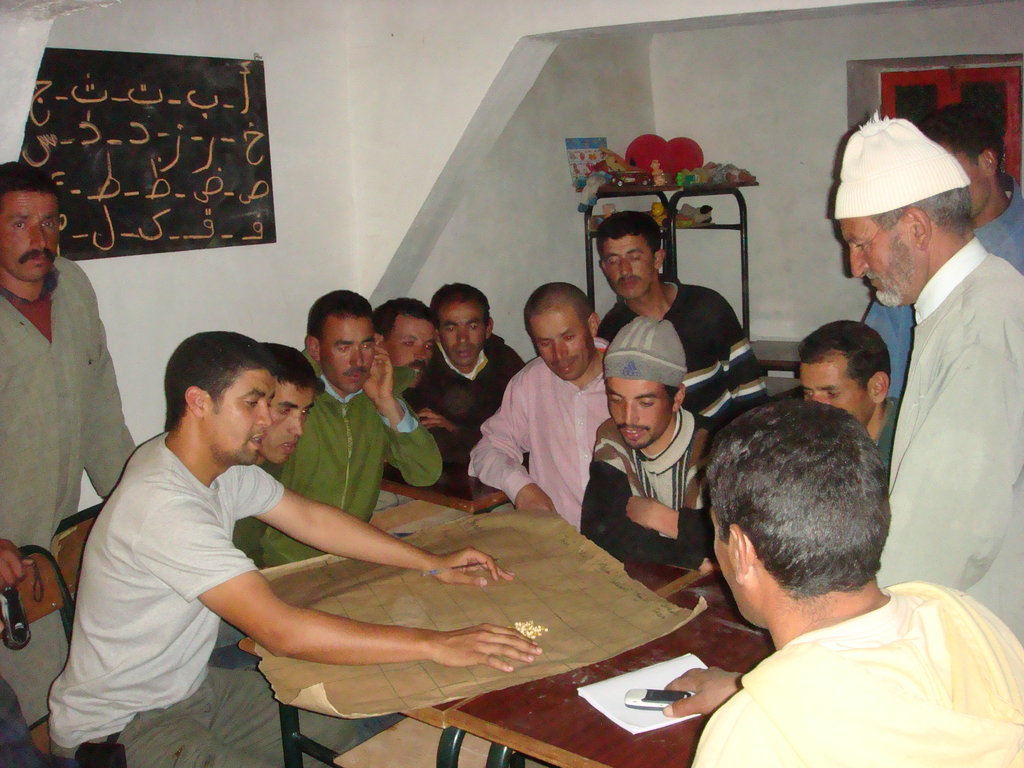
Throughout these visits, participants were introduced to a variety of initiatives supported by the Foundation in Al Haouz Province, including women’s cooperatives, tree nurseries, agricultural farms benefiting from tree-planting programs, and projects aimed at improving access to water. What stood out most to me, however, was the way these initiatives became spaces for dialogue, learning, and meaningful exchange between international visitors and local communities.
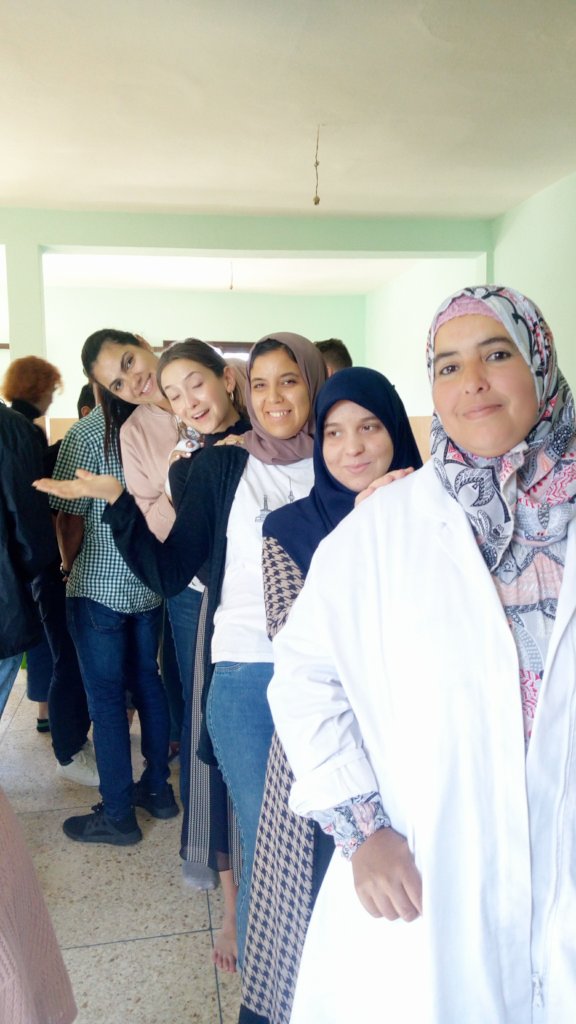
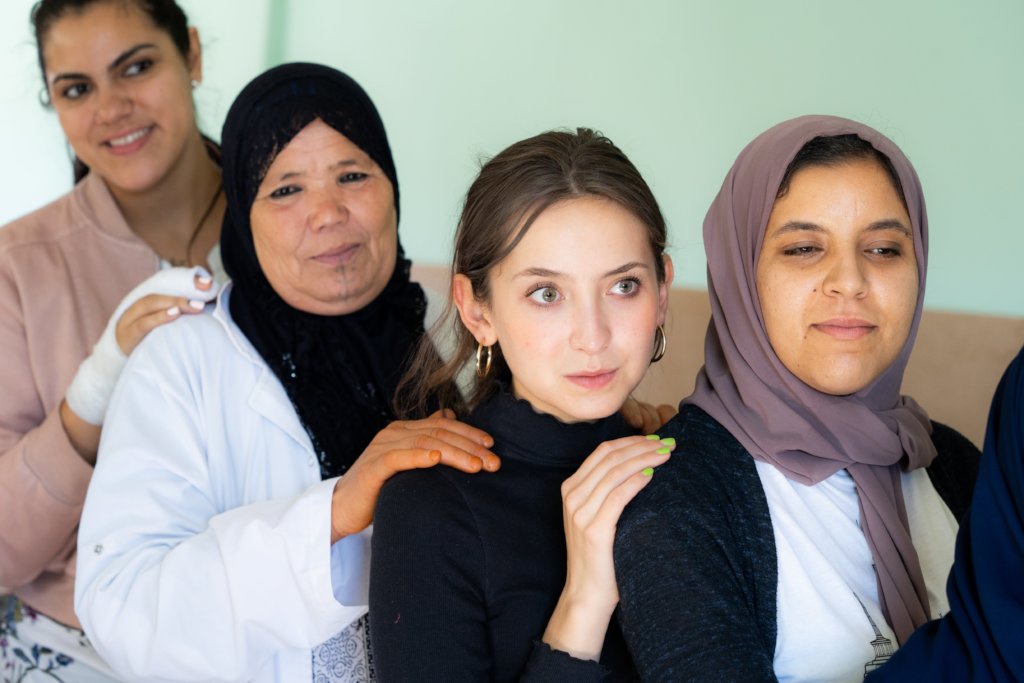
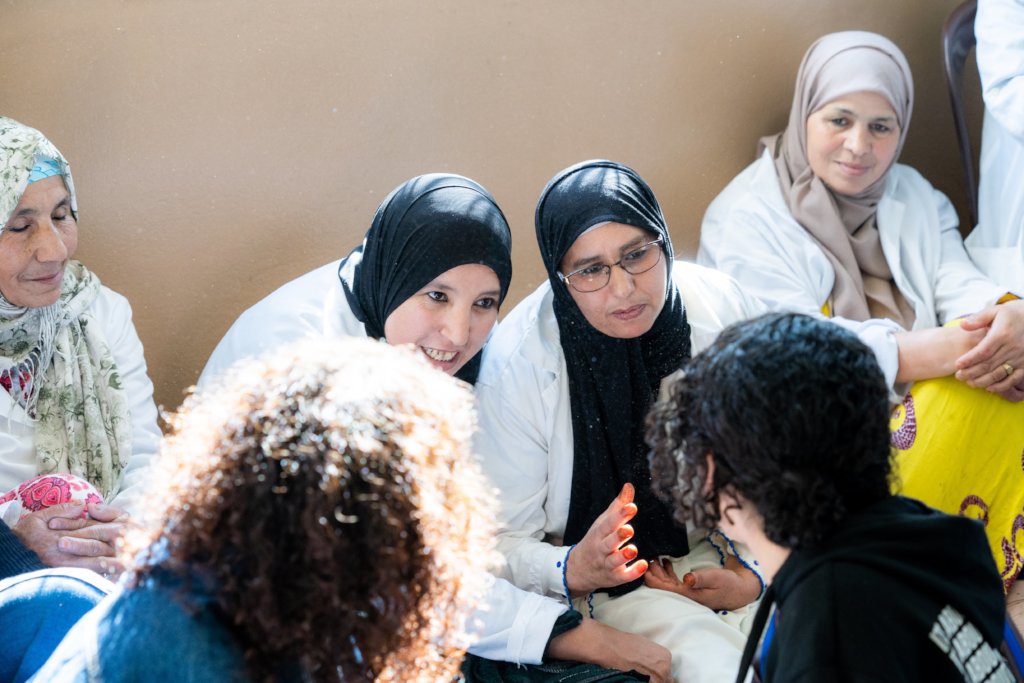
At every cooperative we visited, the experience extended well beyond showcasing products or explaining daily activities. The women generously shared their personal stories, spoke about the challenges they had overcome, and described how they transformed simple ideas into successful initiatives that contribute to improving the lives of their families and communities. Their stories reflected resilience, determination, collective action, and the transformative power of women’s empowerment in rural areas.
1. Traditional Sewing and Embroidery Workshop: Hands Weaving Identity
This workshop was far more than a conventional learning session; it served as a living window through which visitors discovered the meticulous precision of Moroccan craftsmanship. The local women artisans generously shared embroidery and sewing techniques passed down through generations, offering visitors the chance to hold the needle and thread to replicate those intricate stitches. This workshop beautifully documents how handicraft transforms from a daily chore into a powerful tool for rural women's economic empowerment and the preservation of cultural heritage.
2. Innovative Recycling Workshop: Resource Upcycling and Eco-Friendliness
In this workshop, the core concept of sustainable development was vividly embodied through upcycling activities and the creation of decorative items from reclaimed materials. Visitors collaborated with the cooperative to transform simple waste into artistic, decorative pieces of aesthetic and economic value. Beyond the craft itself, this session served as a practical lesson in environmental awareness, eco-citizenship, and the smart utilization of available resources to reduce carbon footprints and support the green economy.
3. Traditional Carpet Weaving Workshop: The Story of the Rug from A to Z
Participants experienced an extraordinary journey by tracing and practicing the stages of traditional carpet making step-by-step. This included everything from preparing and spinning the wool, to setting up the loom (Menesej), arranging the threads, and finally tying the knots to form geometric patterns rich in cultural symbolism. Going through this process from "A to Z" allowed visitors to fully appreciate the immense patience, collective effort, and creativity embedded in every single rug, adding profound moral and economic value to the cooperative's strategic products.
4. Sustainable Agriculture Workshop: Connection to the Land and Environmental Responsibility
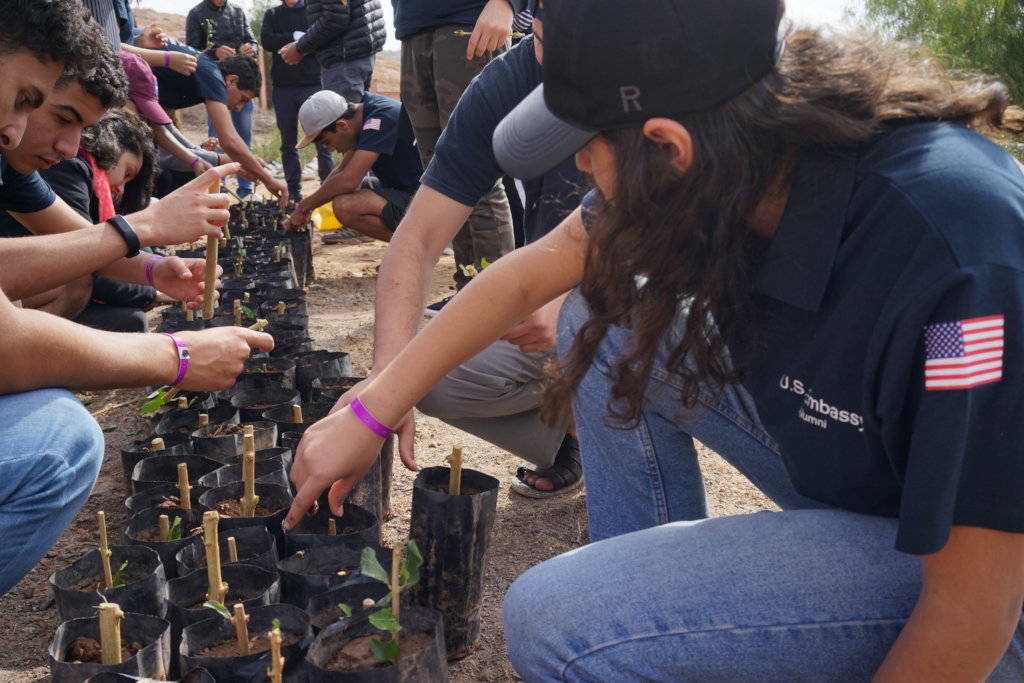
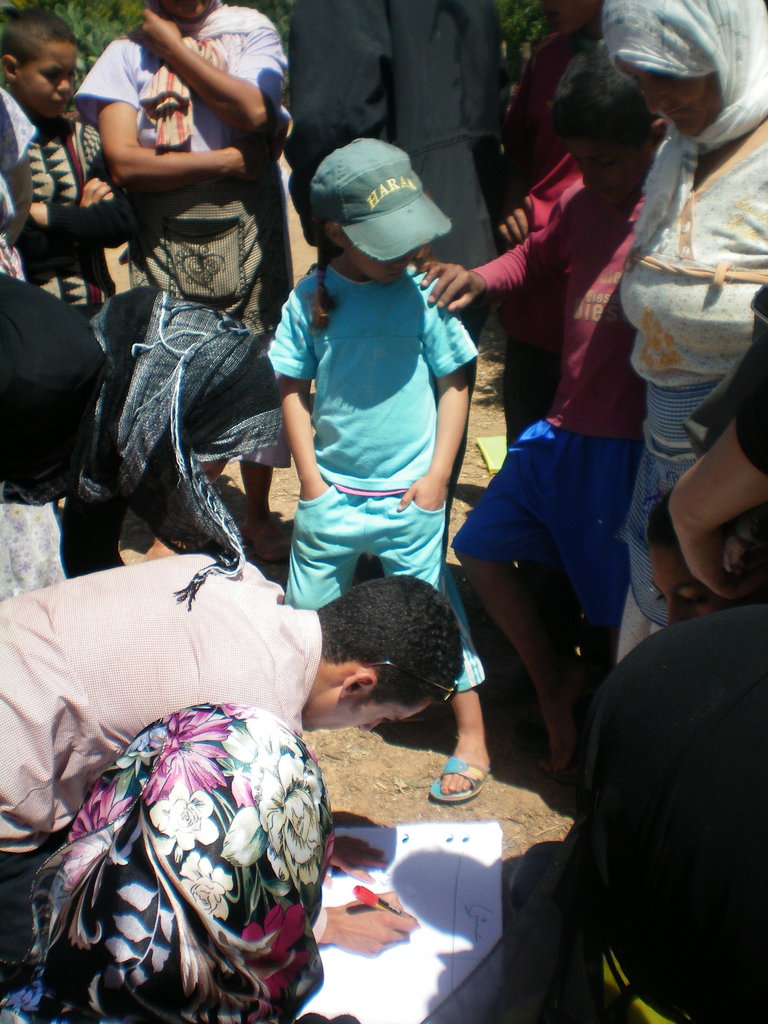
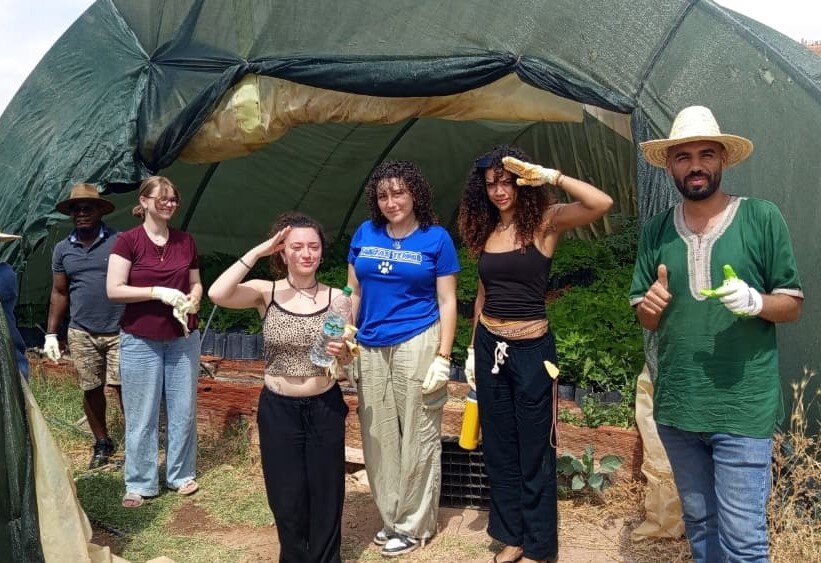
Development work moved directly into the open fields during this workshop through a practical application of environmental principles. Volunteers and visitors worked side-by-side with local farmers to clear weeds, prepare the soil, clear spots for new seedlings, and conduct a cleanup campaign to collect waste around the agricultural site. This participatory activity reflects a deep commitment to climate resilience and the support of HAF's nurseries, proving that safeguarding the ecosystem begins with simple field practices and collective action.
5. Moroccan Cooking and Pastry Workshop: Intercultural Dialogue Around the "Tajine"
Because cuisine is an integral part of a nation’s living heritage, the workshop for preparing authentic Moroccan Tajine and traditional pastries provided an ideal space for warm human exchange. Visitors immersed themselves in selecting spices, arranging ingredients, and discovering the secrets of slow-cooking with traditional clay earthenware. The preparation of food transformed into a universal language and a spontaneous conversational space that broke all cultural barriers, culminating in an authentic Moroccan gathering that epitomized the values of generosity, hospitality, and community partnership.
One of the most remarkable aspects of this experience was witnessing how the High Atlas Foundation contributes to strengthening the social and solidarity economy by connecting local cooperatives with international visitors. Throughout the visits, many participants purchased locally produced goods, providing direct economic support to women-led cooperatives while helping introduce their products to a broader international audience. This simple act of exchange created tangible economic opportunities and reinforced the value of community-based enterprises.
This experience reaffirmed my belief that sustainable development is not limited to planting trees, supporting economic initiatives, or improving infrastructure. It is equally about creating connections between people, fostering intercultural understanding, and providing communities with opportunities to tell their own stories and share their experiences with the world.
I leave this experience with a stronger conviction that the most impactful development initiatives are those that place people at the center of the development process while simultaneously protecting the environment, preserving cultural heritage, and strengthening local identity. I am also deeply grateful for the opportunity to contribute, as a volunteer with the High Atlas Foundation, to an organization that continues to advance a vision of sustainable development grounded in participation, dignity, inclusion, and community partnership.
What I witnessed during these four days was far more than a collection of development projects. It was a series of inspiring success stories, messages of hope, and human experiences that demonstrated how development becomes more meaningful and sustainable when it is built with communities, by communities, and for communities.
Project reports on GlobalGiving are posted directly to globalgiving.org by Project Leaders as they are completed, generally every 3-4 months. To protect the integrity of these documents, GlobalGiving does not alter them; therefore you may find some language or formatting issues.
If you donate to this project or have donated to this project, you can receive an email when this project posts a report. You can also subscribe for reports without donating.



Support this important cause by creating a personalized fundraising page.
Start a Fundraiser