By Bikash Koirala | Project Manager
Project Title:Participatory Videos
Project Objectives
The project aimed to Establish a Participatory Video (PV) making training unit in PHASE Nepal to offer video making / training services to other organizations who want to hire the training team for their baseline study, impact evaluation, documentation and bringing people’s voices to the decision-making level with following targets.
Project Activities :
Training of 14 staff members of PHASE in PV making :
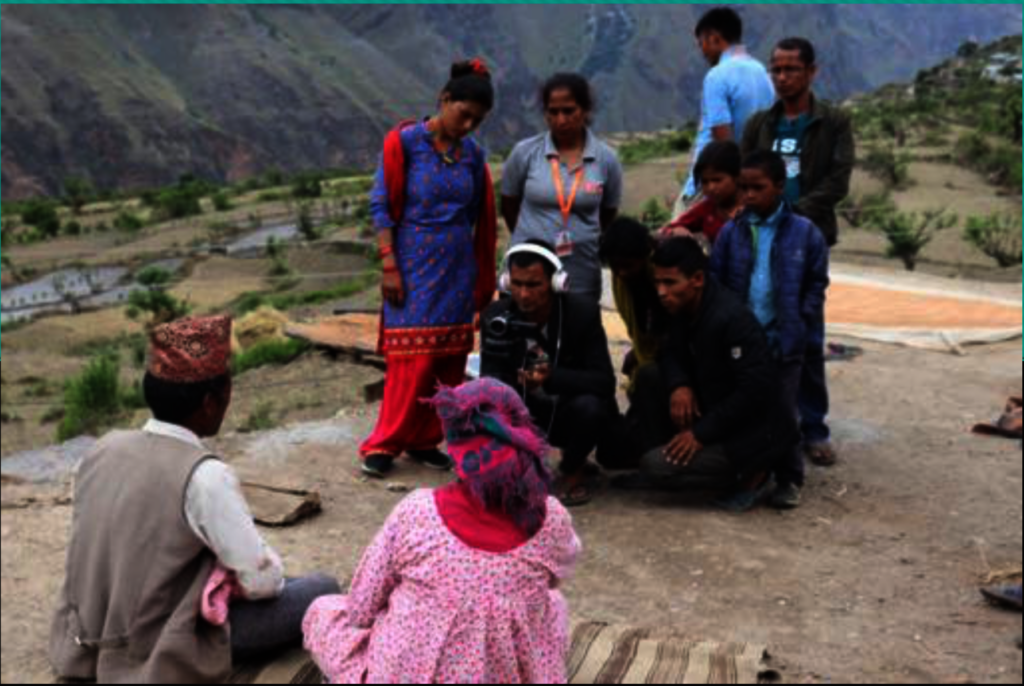
The project trained 14 staff member in the making of PV. During the training the staff members learned technical skills to use video equipment as well as special skills to conduct participatory videos in rural areas. The training was provided by Dr. Jiban Karki and his expert team.
Purchase of the video equipments
After the training, PHASE bought its own video equipments, camcorders, tripods, bags, headphones, micsand video editing computers. All the materials were brought by using PHASE's standard procurement process.
Making and Screening of Participatory Videos:
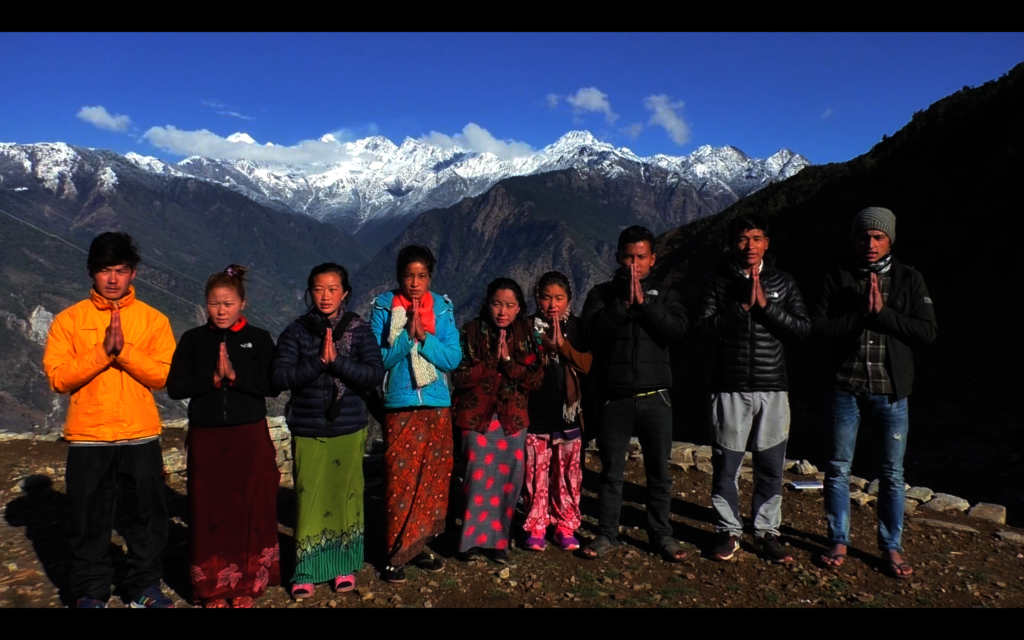
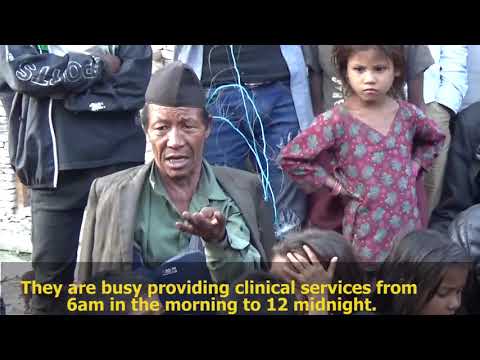
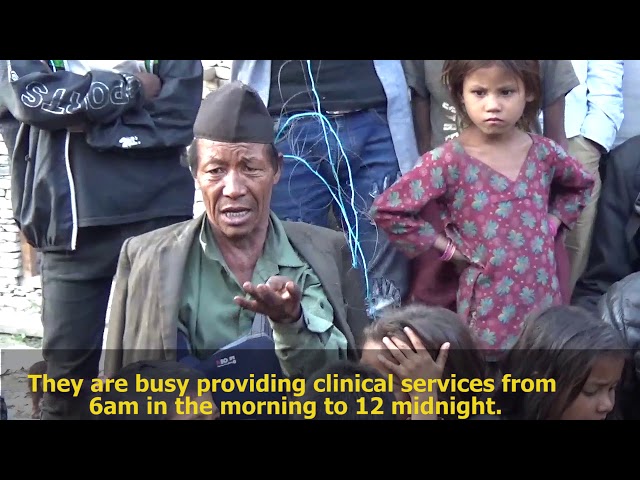
After the purchase of the equipment, PHASE team prepared 8 participatory videos and presented to the stakeholders (local people ,government, academia and non profit)
Total videos made: 3
Total videos made : 4
Total videos made : 1
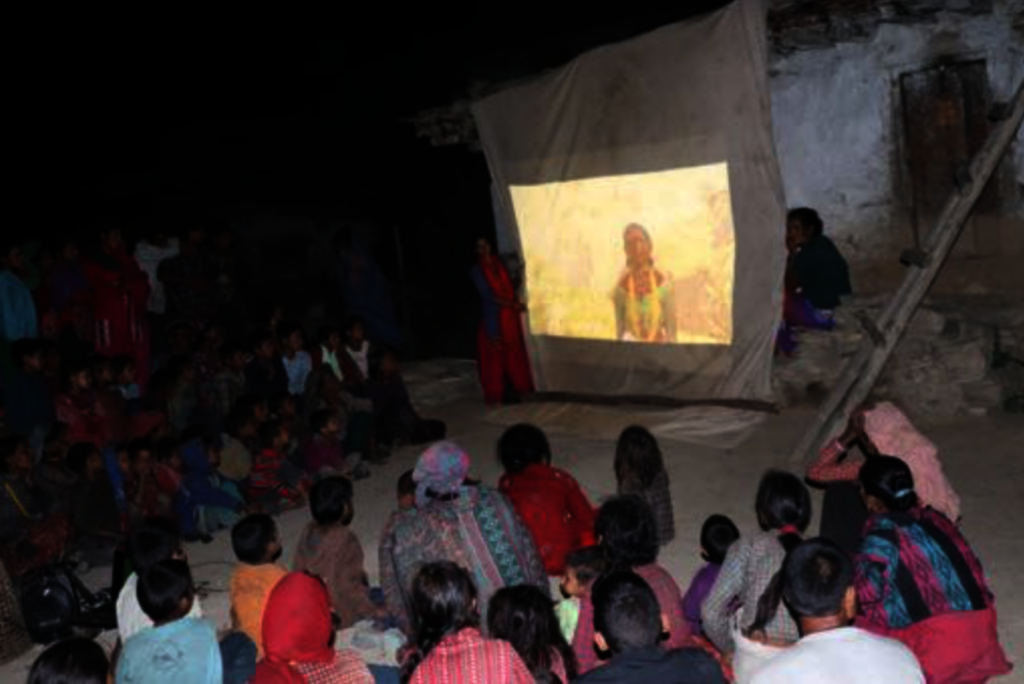
The prepared videos were screened at the local level as well as central level in front of community people, governent stakeholders as well as non-profit organizations. The videos were also shown to the donor organizations who are supporting PHASE projects. The purpose of such screening events was to show the voices of the people to the concerned authorities and audiences as well as to do advertise PHASE Nepal's expertise in making participatory videos.
Outputs and Outcomes
In term of outputs, we have achieved more than planned . We planned to make at least 3 PVs but we were successful in making 8 different videos and its screening. Presence of PV trained PHASE project staff (from health , education and livelihood projects) at different locations of PHASE's working areas made is possible to make more number of participatory videos as they knew local people personally and it was easier to interact and train local people in PV making.
In terms of outcomes ,the project has benefitted the organization as a whole by expanding its capacity, bringing in new partnership and expanding the funding of the ongoing projects as planned. As we are also learning by doing, the project worked really well for and worked slightly differently than it was planned. In within 1st year of the project PHASE has achieved a lot of significant outcomes. PHASE will build on this success in the coming years.
The project helped the organization achieve the following significant outcomes. Here are some cases to show this.
With PHASE's capacity and expertise of participatory video making in the remote areas, the University of Sheffield has partnered with PHASE to endorse PHASE in using PV for its qualitative researches in Nepal. It has already funded one research lead for the same. With PHASE's aspirations for the start of a research wing which was materialized this year with 3 international Ph.Ds one of whom is funded for leading the PVs.
This is the area PHASE would like to expand, as we have discovered that participatory videos can be a great research tool especially for qualitative researches.
The PVs captured the real voice of the people from the remote areas where the PHASE is working. The appreciations and feedbacks in the participatory videos were liked and encouraged by the funding organizations and helped PHASE show its programme impact to the donors.
UKAid Direct appreciated our BFM and asked us to present about it in DFID Nepal learning event and also twitted about our BFM.
Global Giving USA in partnership with Feedback labs selected PHASE's programme manager to present in disaster feedback summit in the USA with a grant of USD 10,000 and also additional USD 20,000 to conduct a project in the remote to further strengthen the beneficiary feedback loop.
The participatory videos have been effective in showing the project outcome to the funding agencies. Austrian Development Agency (ADA) expended its funding period for 3 more years in early 2019 with a commitment of Euro 40,000 per year for 3 years for PHASE's effective work. Use of the videos were very effective in showing the funders the remoteness of the situation, the kind of work we did and the voices of the people regarding the project. ADA has also kept a participatory video made by the project for its promotional purpose.
PHASE Nepal has garnered appreciation from National Reconstruction Authority of Nepal for capturing the events of ongoing reconstruction of houses, effectiveness of government provided allowances, challenges of rebuilding and the feedback to the government. It has asked PHASE team to continue taking the PV in the same localities every year for few years to track the rebuilding of houses and livelihoods of the earthquake affected communities.
What have you done in the last year to ensure the benefits of your project have a lasting impact after the funding ended? Briefly explain what will happen next (300 words max)
As this was a new kind of endeavor for PHASE, its team gave its best effort to have a lasting effect even after the funding ends. Actually, the funding was more seen as an establishment and pilot cost. With this the project team tried to make participatory videos with purpose and with targeted audience in mind. Here are few points the project team has considered.
The project team has a set of good quality portable video cameras, tripods, headphones, memory cards and a project laptop to store and edit the videos.
The project trained 14 staff in PV making. These staff are based different geography of the PHASE's project areas so that they can assist in PV making right from their placement. This helped avoid unnecessary travel and admin cost. Moreover, training a good number of staff helped reduce the risk of losing a trained staff when he/she leaves the organization. The project has also planned to keep developing new staff with PV skills while making PVs with the trained staff. During the period 3 additional staff members have developed the skills in PV making they will further develop the skills working more on it.
The project team used PV to collect useful stories such as the impact of ongoing projects, socio-economic situation and needs of communities in the remote and also voices of people affected by the earthquake. PHASE as a nonprofit community development organization has already a group of target audiences who would appreciate such stories in the video. International funding agencies such as DFID, ADA cannot always travel to the project areas in remote Nepal. In these cases, the use of locally made videos to get the glimpse of the project activity and community feedback was well appreciated.
Similarly, the earthquake has left lasting damage to Nepalese communities and the people are still rebuilding. The stories from the locals are useful for nonprofits, funders, academia as well as the government. Therefore, the collection of the stories with target audiences in mind helped the project team to market its skills as well as to use the utility stories for an organizational benefit such as developing partnership and bringing in funds. The videos are an asset of the project and the video library will keep increasing. In addition to the final videos, the project has a number of raw footages and case studies which will be well utilized in the future.
The project team utilized the mass events like conferences to screen the made PVs so that it could be delivered to a diverse group of people from several NGOs, International agencies and government institutions, elected representatives and local leaders. PHASE utilized 2 of its national workshops to screen such events.
The prepared videos are also being uploaded in PHASE Nepal's social media (such as facebook and website) after being subtitled in English. Till now 3 videos are already subtitled. Eventually, the project plans to subtitle all of its videos and share in the appropriate platforms.
Who benefited from the project?
Describe briefly - this could be a specific group of people or the community (50 words max)
How did you ensure the community you worked with were involved?
Communicating with the local authorities.
Before making any PV local authorities were consulted and discussed the purpose and the scope of the project.
Locals interviewing locals
Hiring and training villagers themselves to shoot the videos and interview people from the same community created ownership and each for the PV maker. This also enabled respondents to express their views more freely.
Screening of the videos in the evening and collecting feedback.
Each PV was screened locally and all the villager were asked to provide their feedback and views on how the video was made what suggestion they have. All the villagers were amazed to see their videos onscreen. Their suggestions were well appreciated and additional footages were taken to cover the areas mentioned, for eg. landslides in higher villages of Gorkha.
Can you estimate the Age Percentage (%) of the people you directly helped?
59% 0 - 24 years
39% 25 - 64 years
2% 65 + years
100% Total
Can you estimate the Gender Percentage (%) of the people you directly helped?
50.2 % Male
49.8% Female
100% Total
Source: PHASE Nepal database 2018.
What have you learned from this project? (300 words max)
We have learned a lot from this project. Before we have not run a project solely with an intention of enterprise development for the organization itself so this was completely new pursuance. We also learned that highly technical nature of the project brings in opportunities as well as the challenges.
Positive Learnings:
Development of new perspective for the organization for having a project solely aimed at marketing, fundraising and financial sustainability. One big point for a non-profit which generally deliver a funded project is to look at invest in fundraising and enterprise initiative recognizing its strength, feasibility and finally work in business planning.
The second part of the learning is that the initial plans may not work as we dive into a venture and that we should think creatively and improvise grabbing the opportunities to give the business a positive development. For example, we had earlier planned to market our PVs to the non-profit so that they would hire us for paid service. But in actual, as mentioned earlier, we got endorsed for our skills by new partners who were happy to fund further projects for research and fund additional staff to build PHASE's research capacity. We accepted such opportunities as they were the outcome of our investment in this project. Similarly, use of the PVs for showing the impact and beneficiary feedback for donors worked quiet well with some efforts in marketing.
Challenges and preparedness and consolidation of achievements:
Our aim to prepare PVs from remote areas needed lots of travelling and carrying the equipment by porters, and shooting in the areas with no electricity (requiring already charged spare batteries to carry for many days). The technical nature of the project made us carefully plan our travel and manage the IT resources (computers, cameras etc.)
The older project laptop we were using stopped working and we lost some of our work, which we compensated by reshooting and carefully backing up the files online, and offline in multiple copies and resuming work by buying a new project laptop (a good quality MacBook pro as suggested by the experts).
As the investment in the equipment was high we tried to compensate and reduce the other cost by utilizing local project staff, providing snacks to the PV maker from homestays rather than shops, utilizing longer time of the day to reduce shooting days (morning and evening for training editing) and day time especially to meet people and interview.
PHASE appreciates the hard work of its staff, follow up and feedback from Global Giving via project lead Zdravka Mihaljevic had been extremely supportive all the time providing us all the necessary guidance such as setting up a project page in Global Giving page, helping in budget revisions and following up with the progress of the project to name a few.
PHASE team will take this project as valuable support from Global Giving and will work on getting further achievements building on the progress achieved so far.
Links:
Project reports on GlobalGiving are posted directly to globalgiving.org by Project Leaders as they are completed, generally every 3-4 months. To protect the integrity of these documents, GlobalGiving does not alter them; therefore you may find some language or formatting issues.
If you donate to this project or have donated to this project, you can receive an email when this project posts a report. You can also subscribe for reports without donating.