By Samikshya Nepal/Rudra Neupane | Communication officer/Program manager
Quality education is a fundamental right of every child. However, achieving this result requires more than access to curriculum, it depends on multiple interconnected factors, including teacher capacity, school leadership, community engagement, and learning environments. In the remote hills of Taplejung, where geographic isolation limits opportunities, teachers often have very limited exposure to professional development and innovative teaching practices.
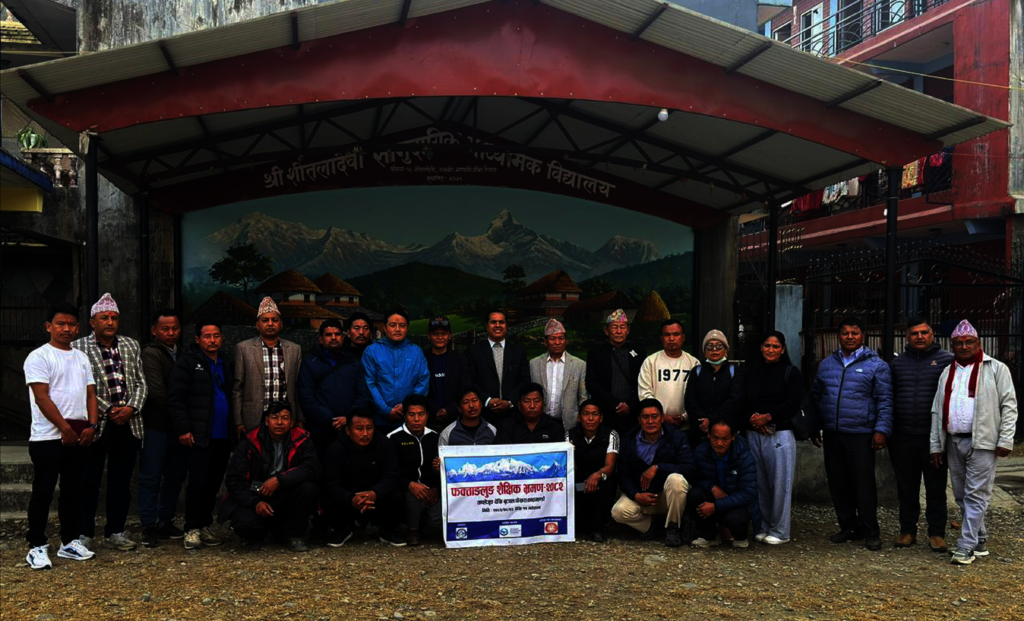
Understanding this gap, PHASE Nepal with support from Himalayan Development Foundation Australia (HDFA), organized an exposure visit for 24 participants, -head teachers, school management committee leaders from nine high schools and local government representatives from Phaktanglung Rural Municipality in Taplejung district, east Nepal. The initiative aimed to create opportunities for learning and reflection for the participants regarding teaching-learning practices of best performing public schools in different Provinces in Nepal.
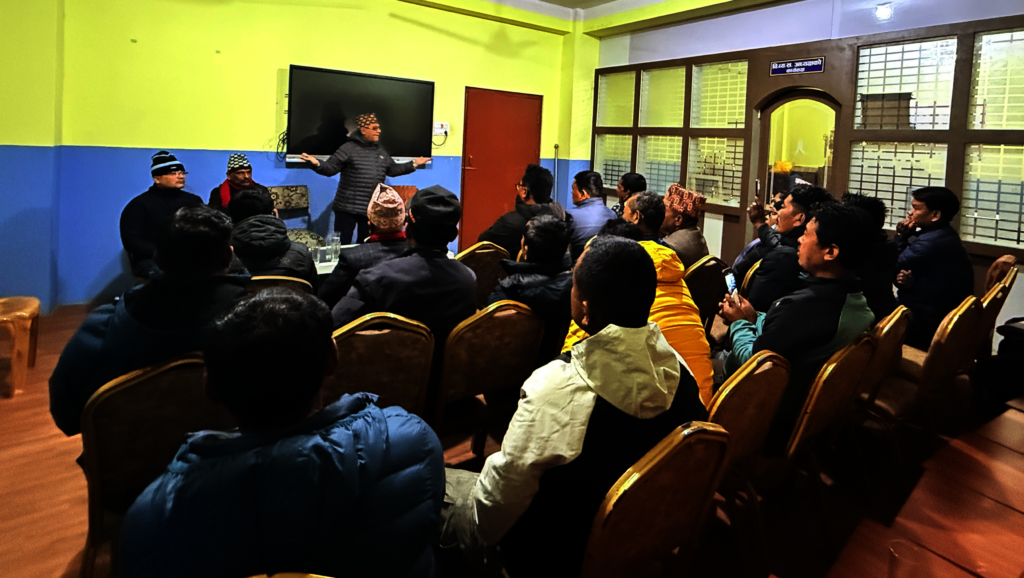
The exposure visit took participants across Lumbini, Gandaki, and Bagmati provinces, where they observed best performing sample public schools in these provinces. During the visit, participants engaged in classroom observations, interacted with school teachers, and explored facilities such as playgrounds, laboratories, libraries, and ICT rooms. Each school visited had unique approach to parental involvement, student engagement, motivation for teachers, approaches in school administration etc. These schools also operated in different geographical context which gave the participants a chance to understand their own geographical barriers and opportunities.
Each school presented its ongoing educational practices, offering participants valuable insights into diverse teaching methods, school management, and parental engagement. Importantly, these schools operated in varying geographical and socio-economic contexts, allowing participants to reflect on their own local challenges and opportunities.
Through this visit, participants gained a deeper understanding of several elements of quality education. They recognized that strong leadership from school principals plays a central role in school management. They also observed how active parental involvement improves accountability and fosters a sense of ownership.
One of the most significant realizations for participants was that when quality education is ensured, schools naturally attract students and earn the trust of parents. Accountability among teachers was also another factor noted by the participants. Participants emphasized that meaningful educational progress requires the active participation of teachers, parents, school management committees, and local governments. While external support from organizations and government bodies is valuable, sustainable change must begin from the school itself.
Overall, the exposure visit was not just a learning journey but a transformative experience for the participants. They shared that the visit helped them understand that sustainable educational transformation is possible when schools take ownership, communities remain engaged, and teachers are committed to continuous learning.
At the end of the visit, participants prepared action plans to implement the lessons learned and improve their respective schools, and positive results have already begun to emerge.
Project reports on GlobalGiving are posted directly to globalgiving.org by Project Leaders as they are completed, generally every 3-4 months. To protect the integrity of these documents, GlobalGiving does not alter them; therefore you may find some language or formatting issues.
If you donate to this project or have donated to this project, you can receive an email when this project posts a report. You can also subscribe for reports without donating.



Support this important cause by creating a personalized fundraising page.
Start a Fundraiser