By Misbachul Munir | Project Staff
Indonesia has faced a severe decline in forest cover over the past several decades. According to Global Forest Watch (GFW), Indonesia lost approximately 10.7 million hectares of forest cover between 2002 and 2024, and around 18 million hectares of natural forest between 1990 and 2024. The impacts of this large-scale deforestation became increasingly visible toward the end of 2025, when a series of ecological disasters—including floods, landslides, and droughts—affected Sumatra, Kalimantan, Sulawesi, and Java, highlighting the serious consequences of forest degradation.
The situation in Java is particularly alarming. Although the rate of deforestation on the island has been lower than in other regions, such as Kalimantan and Sumatra, Java remains highly vulnerable due to the very little forest that remains. Reports cited by Mongabay, based on data from Indonesia’s Ministry of Forestry, indicate that between 2003 and 2006, Java lost approximately 2,500 hectares of forest per year, totaling about 10,000 hectares. Conservation organization ProFauna has warned that if deforestation trends had continued at similar rates, only around 10,000 hectares of rainforest would remain on the island, placing many endemic and endangered species at serious risk.
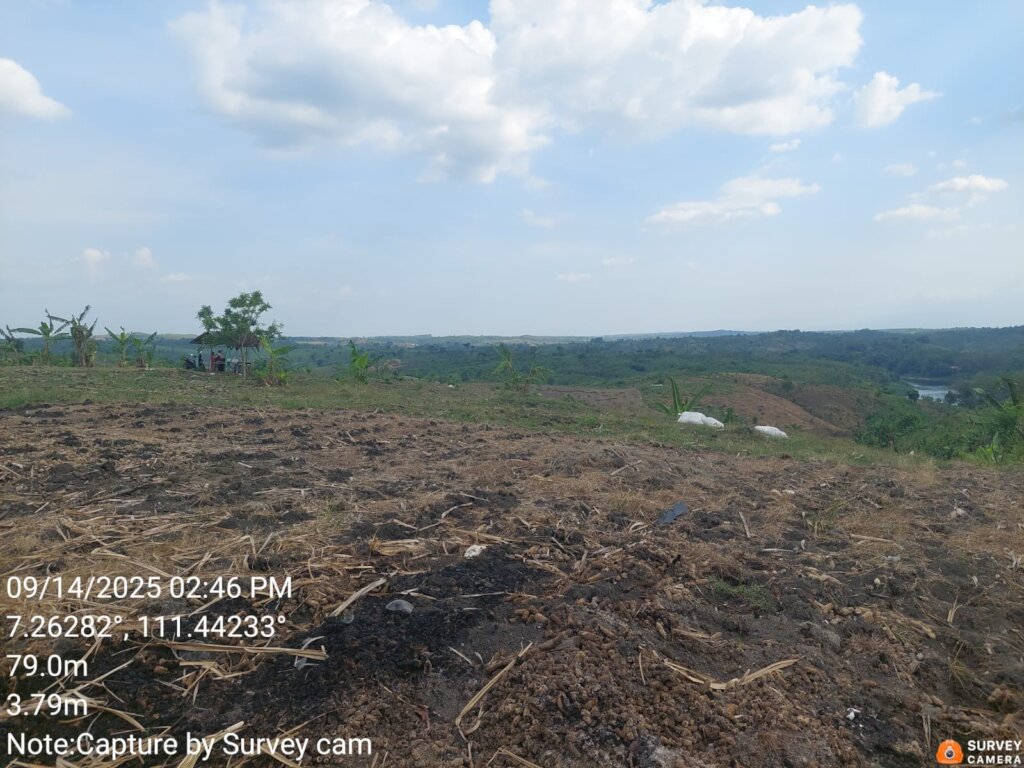
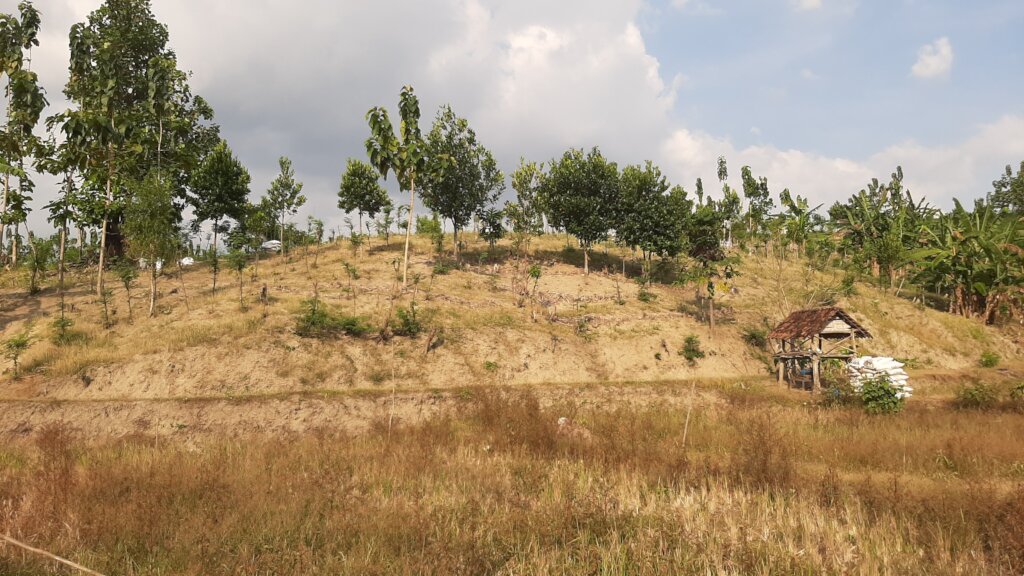
At the local level, Blora Regency faces significant environmental challenges. Approximately 63,000 hectares of land in Blora are classified as potentially degraded and in need of forest restoration. A significant portion of the forest area is currently utilized for dryland monoculture agriculture, primarily for crops such as maize and sugarcane. While these practices generate short-term economic returns, they often accelerate soil degradation, reduce ecological resilience, and hinder efforts to restore forest cover.
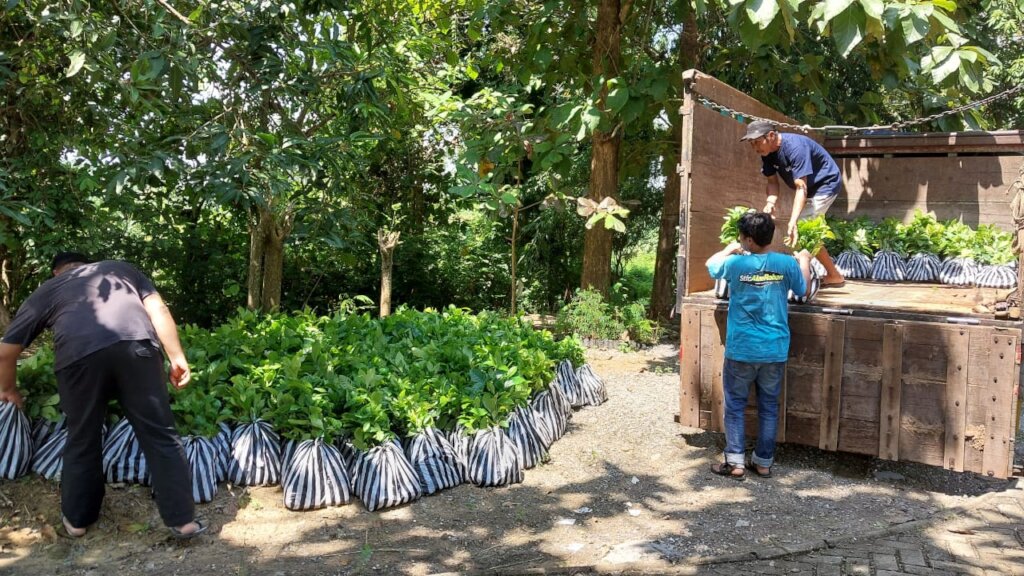
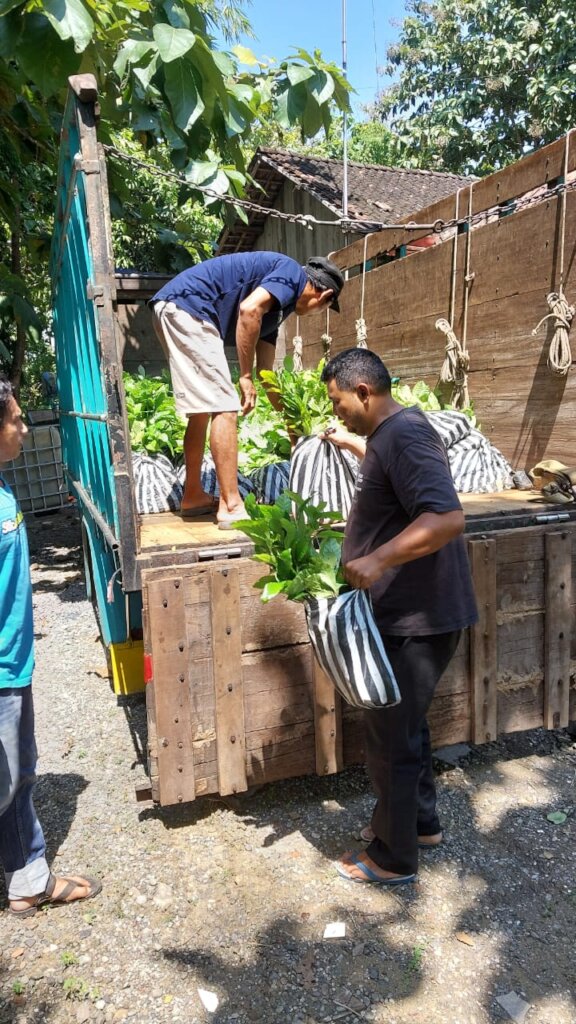
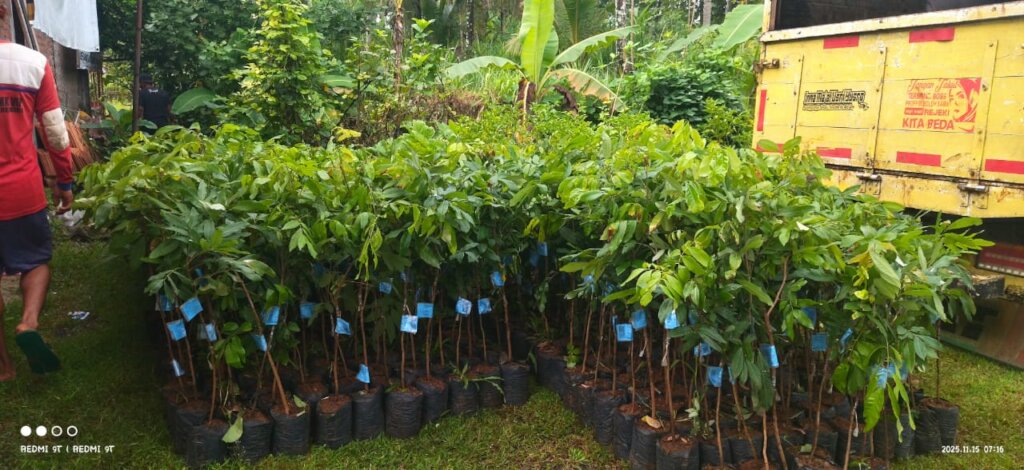
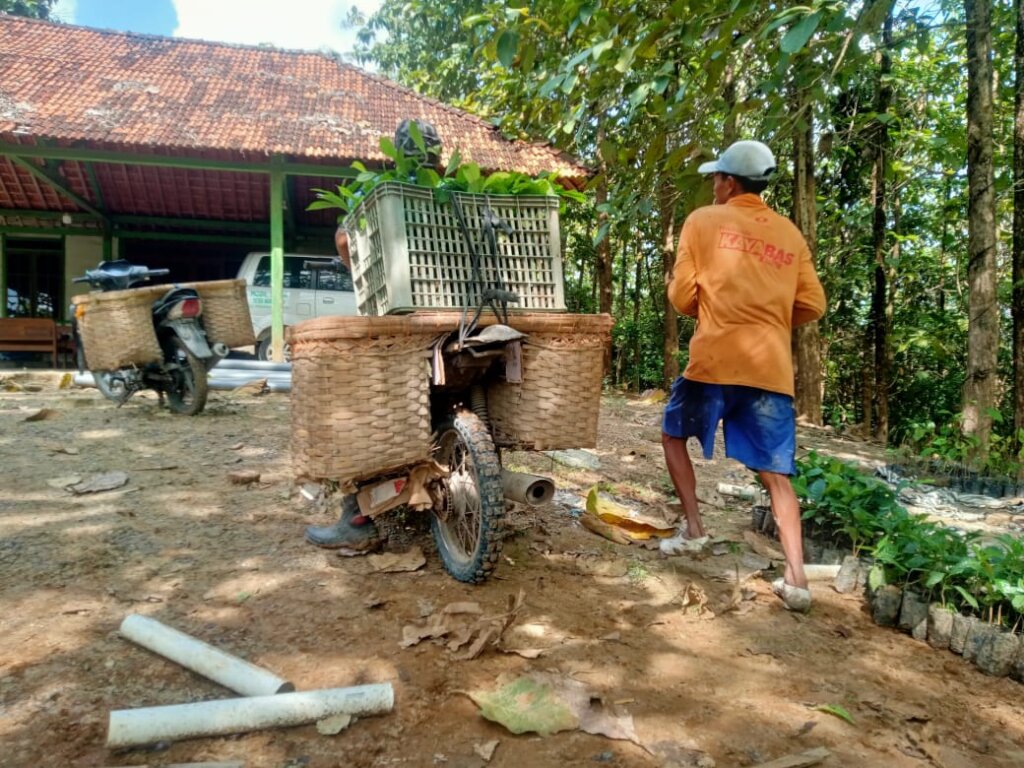
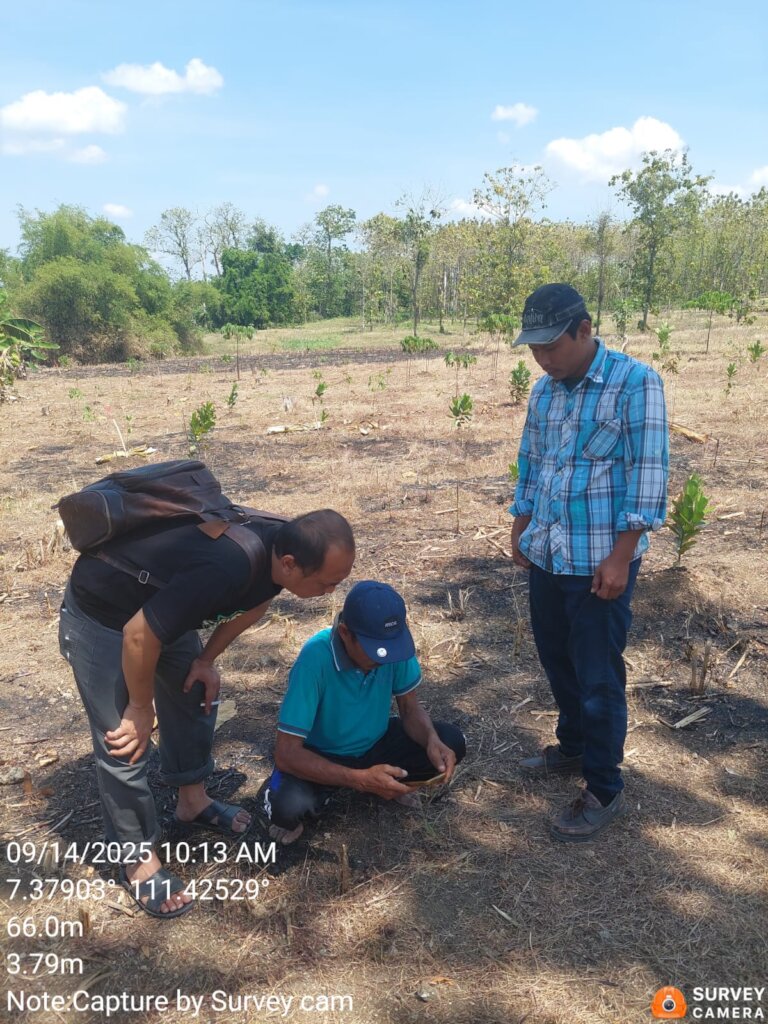
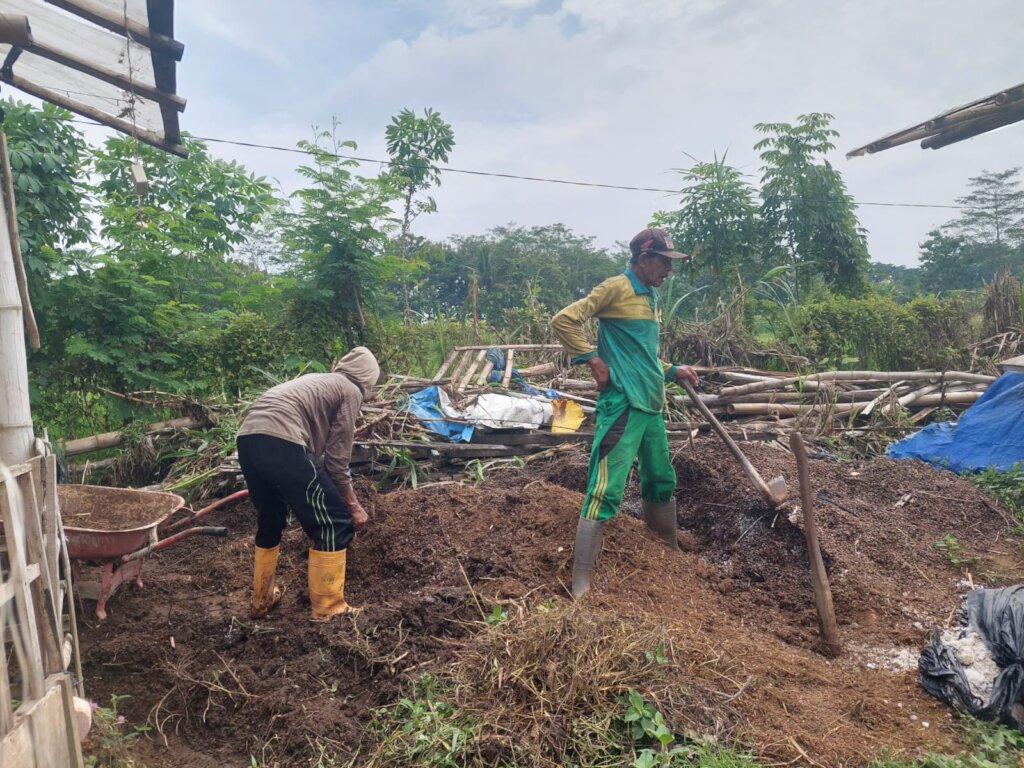
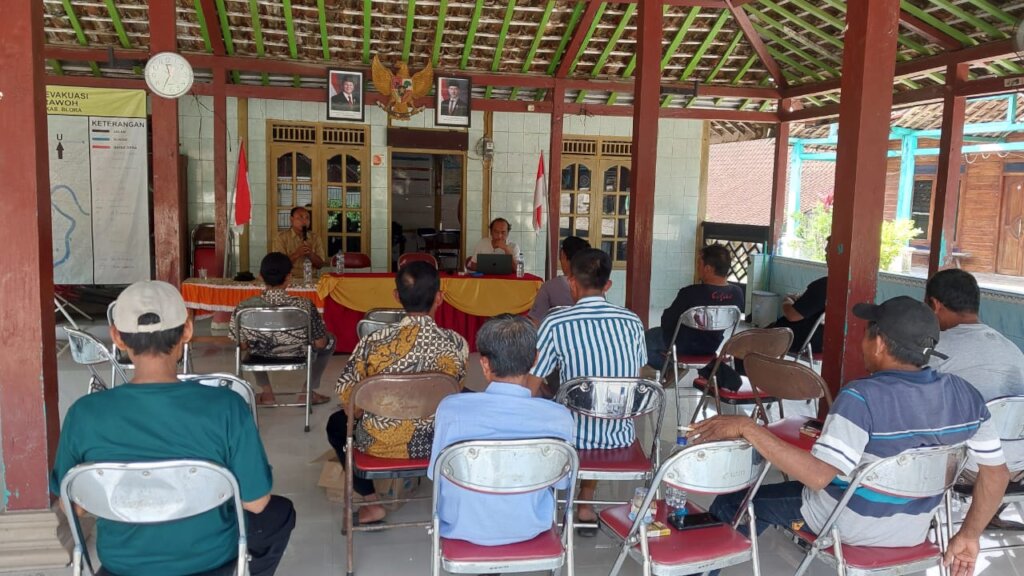
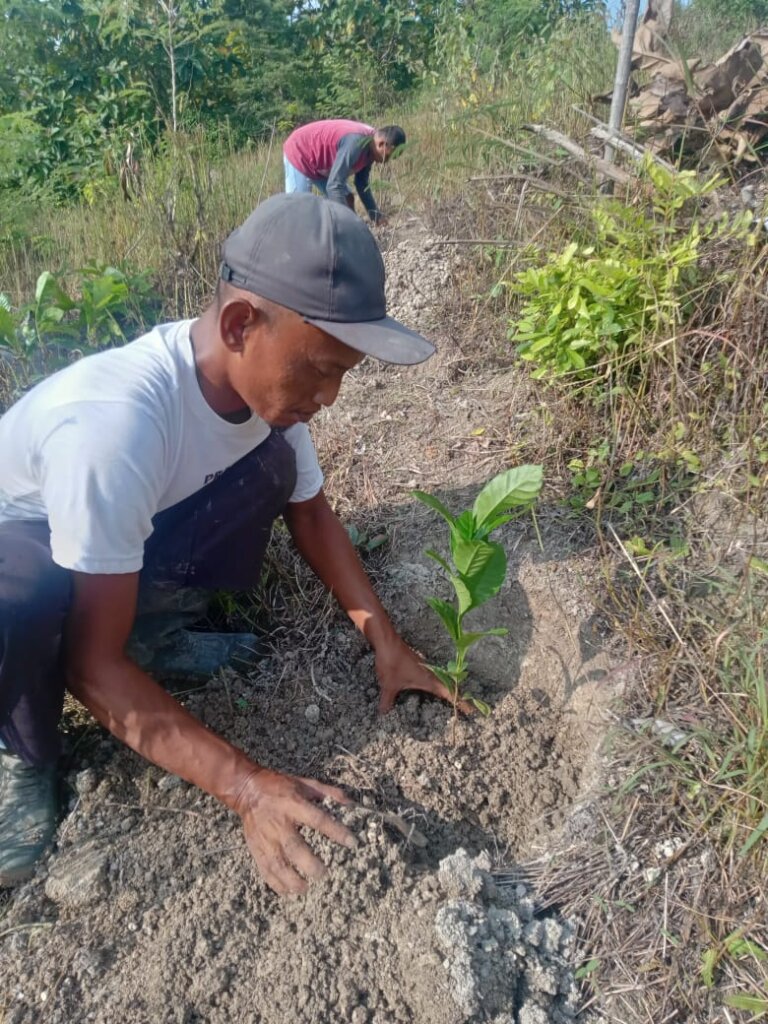
In response to these challenges, the Faculty of Social and Political Sciences, Universitas Gadjah Mada, in collaboration with Yayasan INFEST, has introduced the agroforestry–agrosilvopastoral approach, which integrates agriculture, tree planting, and livestock within a single land management system. This approach has been promoted in Kradenan District, Blora, particularly in Ngrawoh Village, through close collaboration with farmers managing land in and around forest areas.
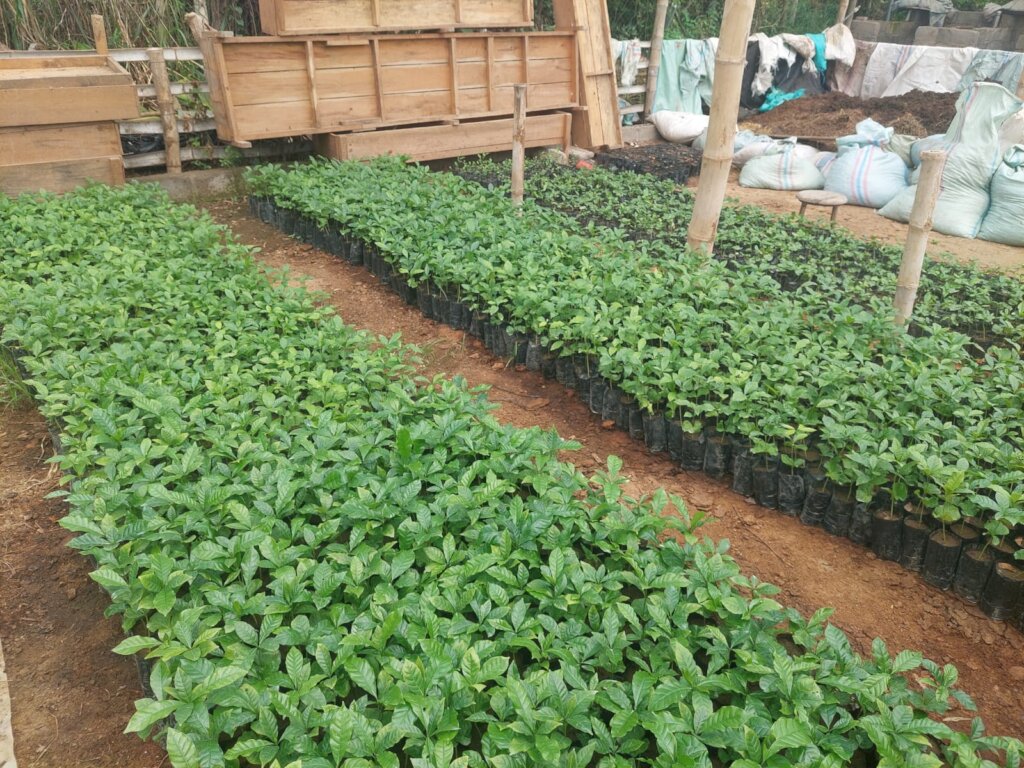
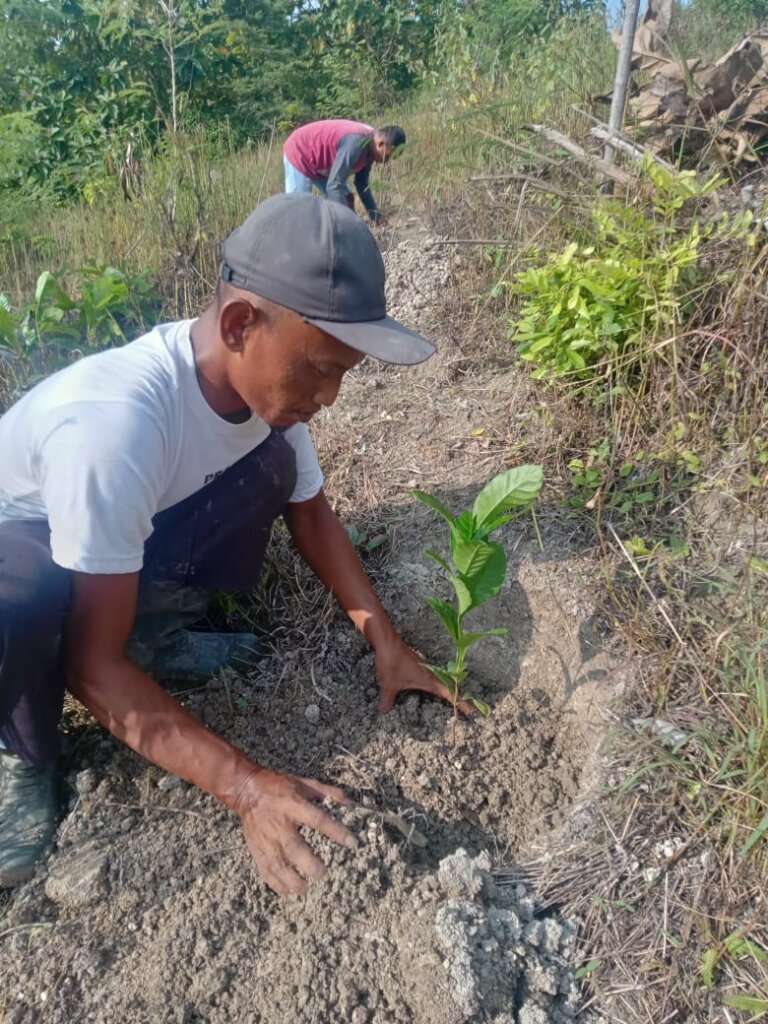
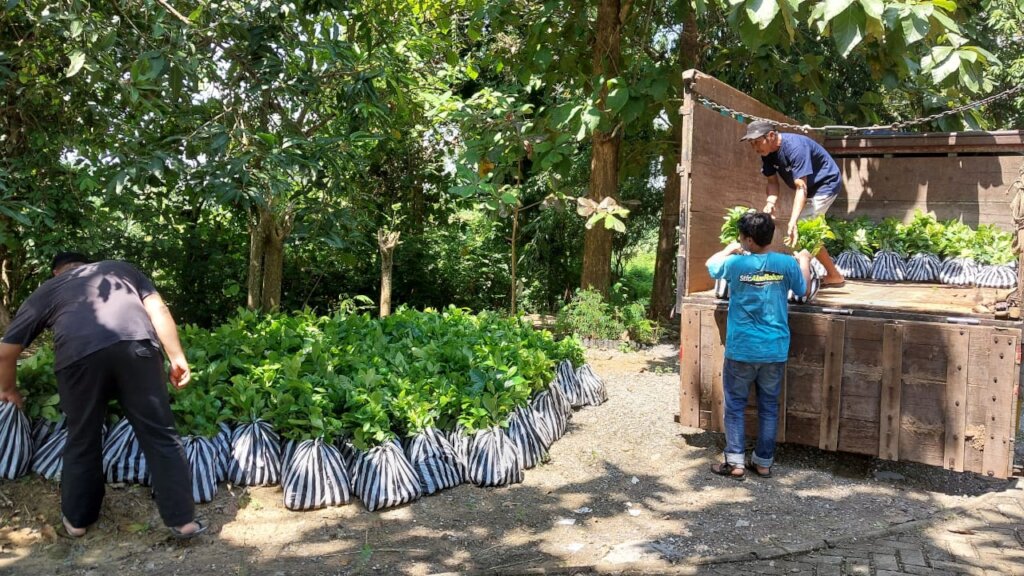
The initiative focuses on developing coffee-based agroforestry systems. Coffee is cultivated alongside a diverse mix of plant species, including timber trees, fruit trees, and other conservation-oriented plants. This mixed planting system is designed to improve ecological functions, increase climate resilience, and provide long-term economic benefits for farmers.
Community response to the introduction of agroforestry has been largely positive. Farmers have shown strong interest in adopting mixed-cropping systems and are gradually recognizing that agroforestry offers more than short-term income. Through hands-on practice and continuous facilitation, communities are beginning to see agroforestry as a sustainable pathway that balances livelihood needs with forest conservation responsibilities.
Looking ahead, the development of agroforestry in Blora’s forest areas is expected to serve as a learning model and good practice for other regions, particularly in Java, where pressure on forest resources is high. By integrating ecological restoration with economic empowerment, agroforestry enables forest-adjacent communities to become active agents of restoration, rather than passive victims of environmental degradation.
Project reports on GlobalGiving are posted directly to globalgiving.org by Project Leaders as they are completed, generally every 3-4 months. To protect the integrity of these documents, GlobalGiving does not alter them; therefore you may find some language or formatting issues.
If you donate to this project or have donated to this project, you can receive an email when this project posts a report. You can also subscribe for reports without donating.



Support this important cause by creating a personalized fundraising page.
Start a Fundraiser