By Mufid | Project Staff
Dear Donors and Supporters,
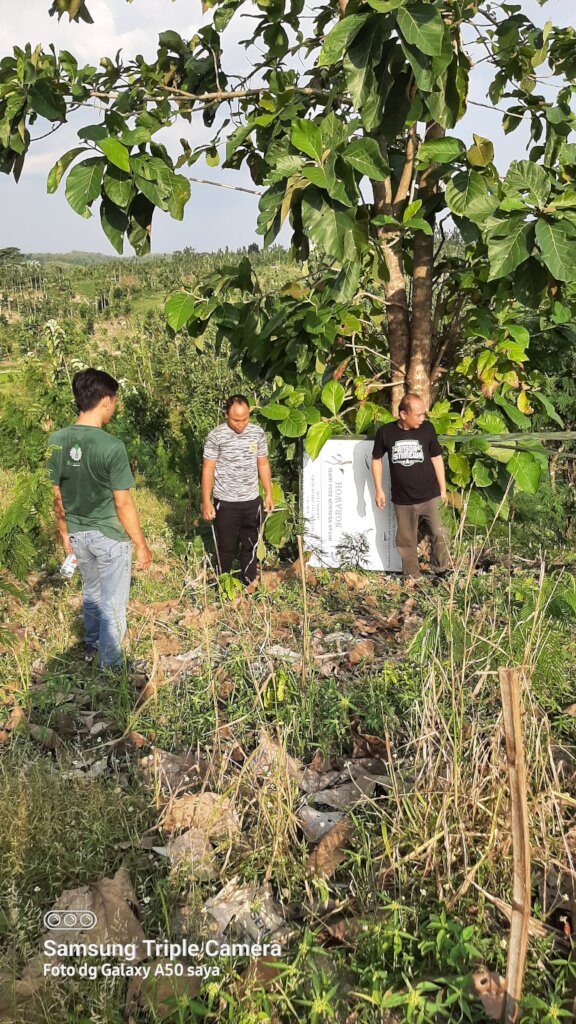
August 2026 has been an important month for our forest conservation initiative in Java, Indonesia. As the dry season continues to affect several project areas, Yayasan INFEST is focusing on preparing communities, seedlings, and restoration sites for the upcoming rainy season.
Our approach remains grounded in one principle: forest conservation must work for both people and nature. Through community-based agroforestry, we are working with forest farmers to restore degraded landscapes while creating sustainable economic opportunities.
Preparing for the 2026–2027 Planting Season
The prolonged dry conditions in 2026 have required us to adjust our restoration strategy. Rather than carrying out large-scale planting when water availability is limited, we are using this period to strengthen the foundations of the next planting season.
During August, our focus has included:
This preparation is particularly important because successful forest restoration depends not only on the number of trees planted, but also on the quality of seedlings, timing, site preparation, and community capacity to care for them after planting.
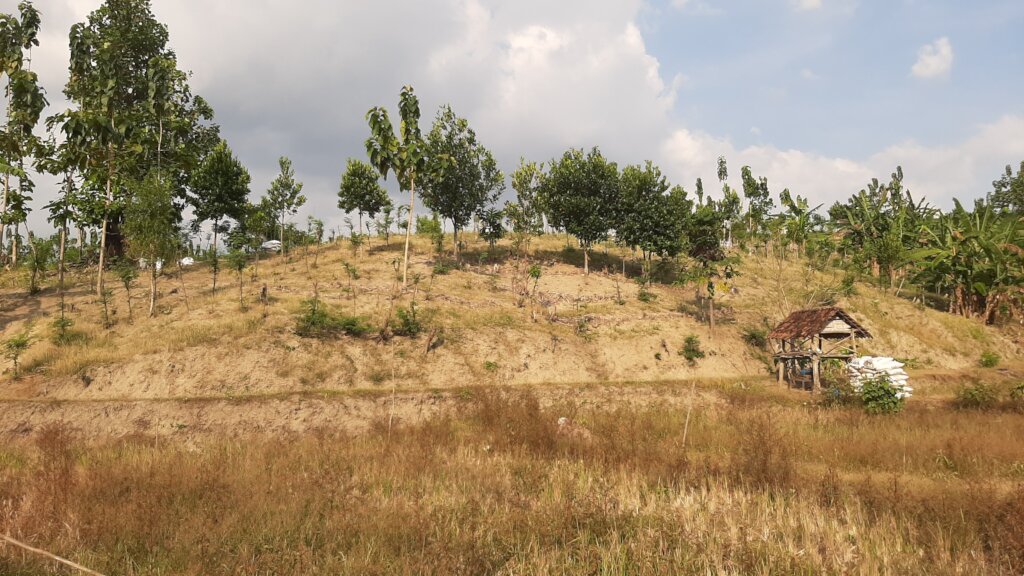
Developing Agroforestry in Blora
In Blora, Central Java, we continue to work with approximately 120 forest farmers who are participating in community-based conservation and sustainable agriculture initiatives.
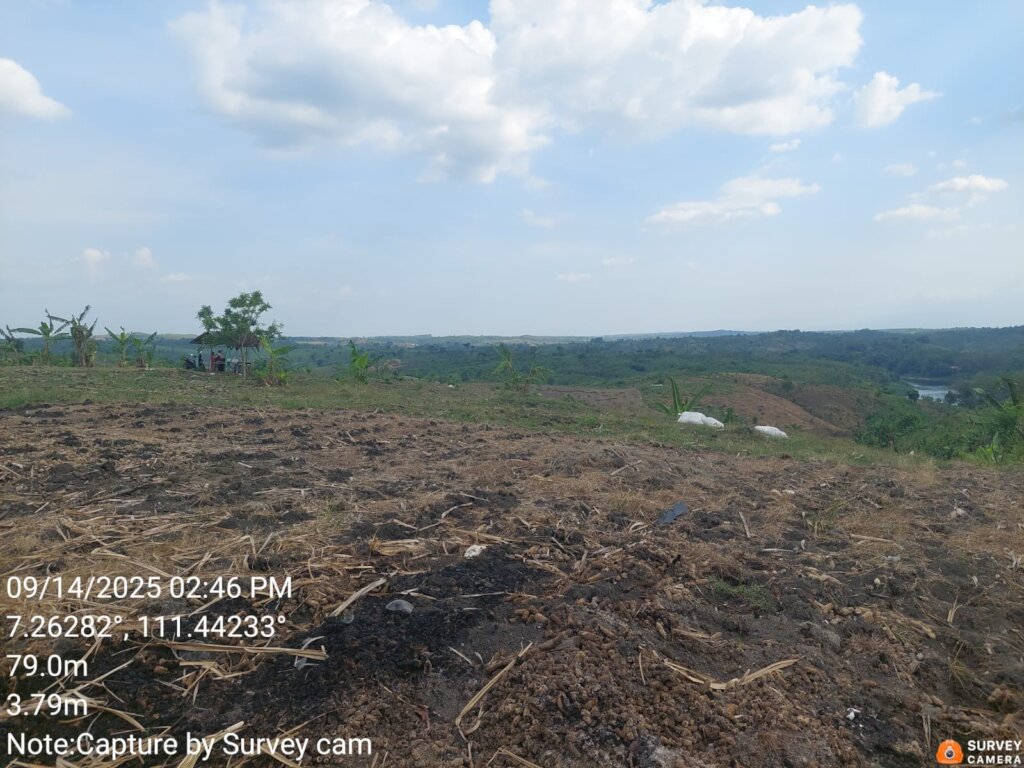
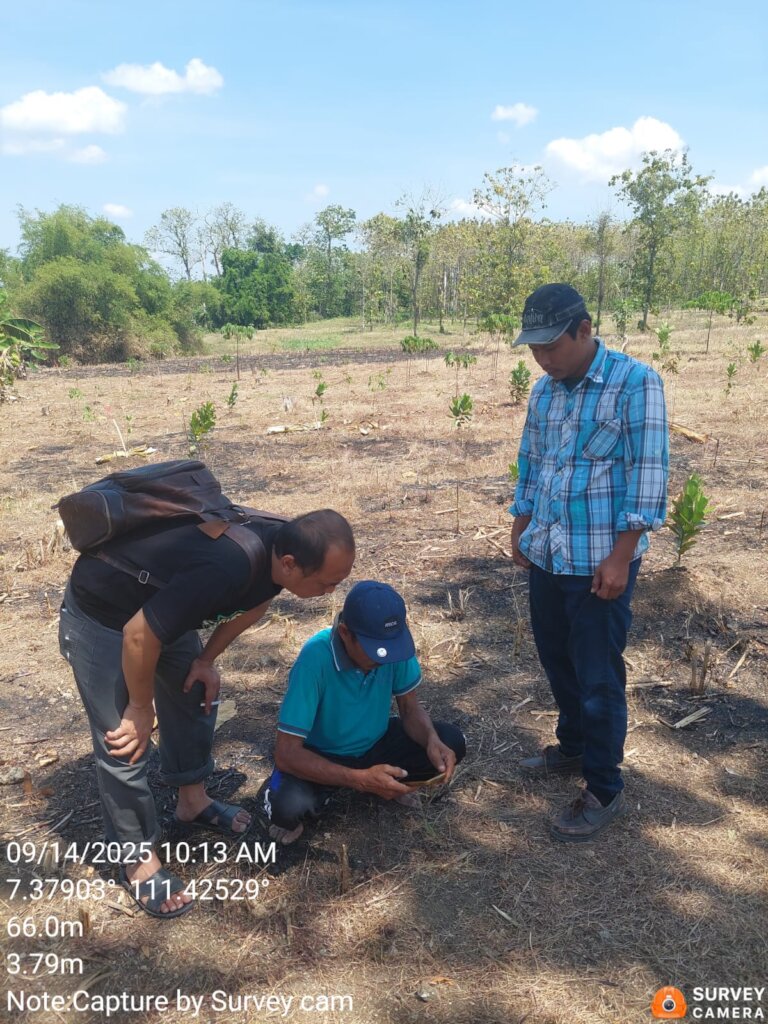
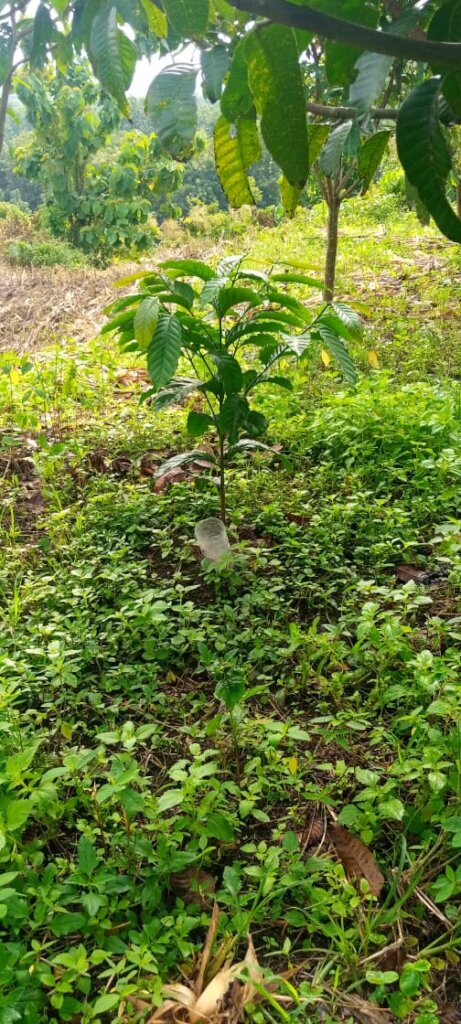
The communities are preparing degraded areas for an agroforestry model that combines ecological restoration with productive agriculture. The planned landscape will integrate conservation and local tree species with economically valuable crops such as coffee, durian, sugar palm (aren), and other plants.
This diversified approach is intended to provide farmers with income from different types of crops while gradually increasing tree cover and ecological functions across degraded landscapes.
Our 2026 target remains the development of approximately 50 hectares of agroforestry and conservation areas, according to the financial resources currently available to the project.
Strengthening the Seedling Supply
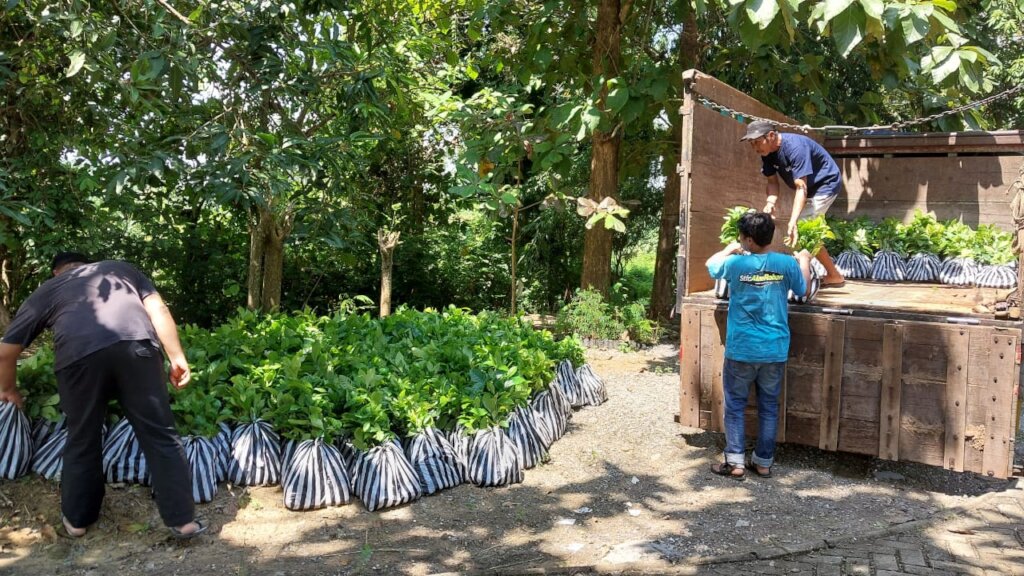
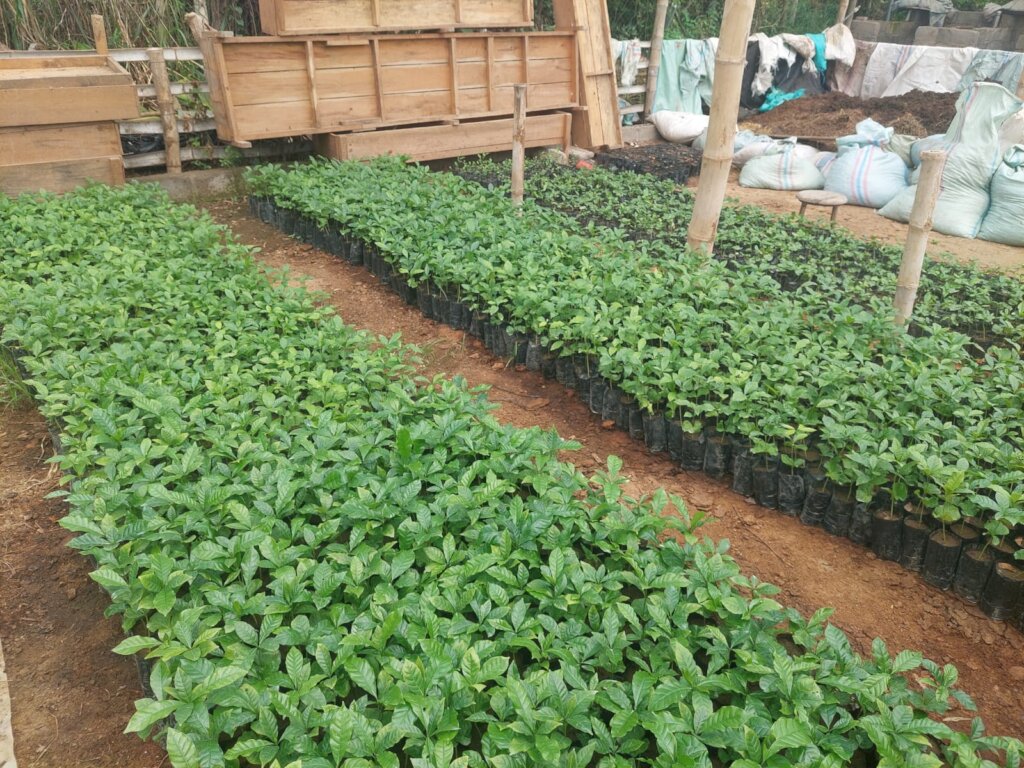
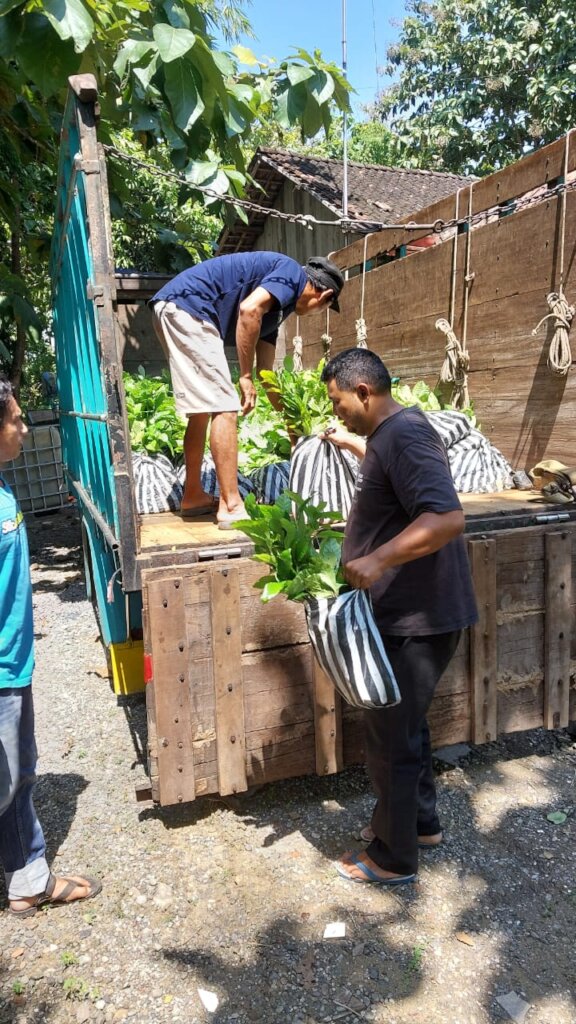
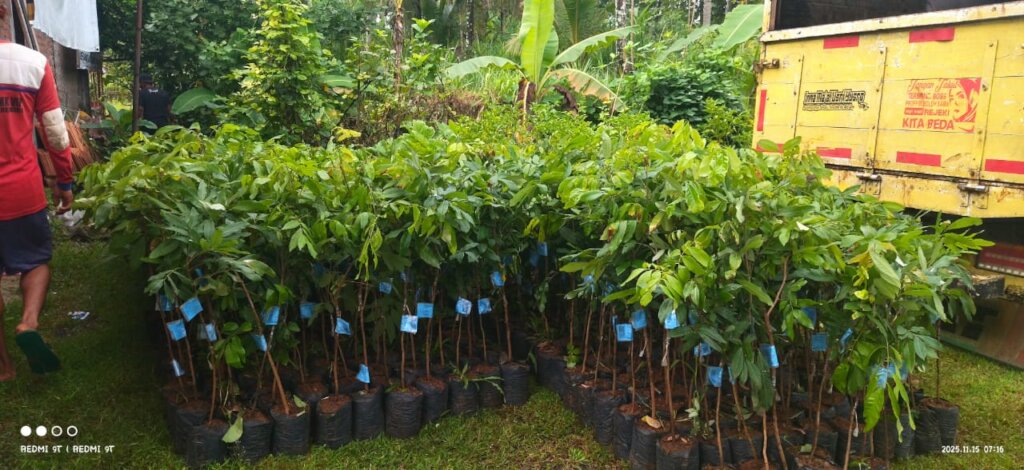
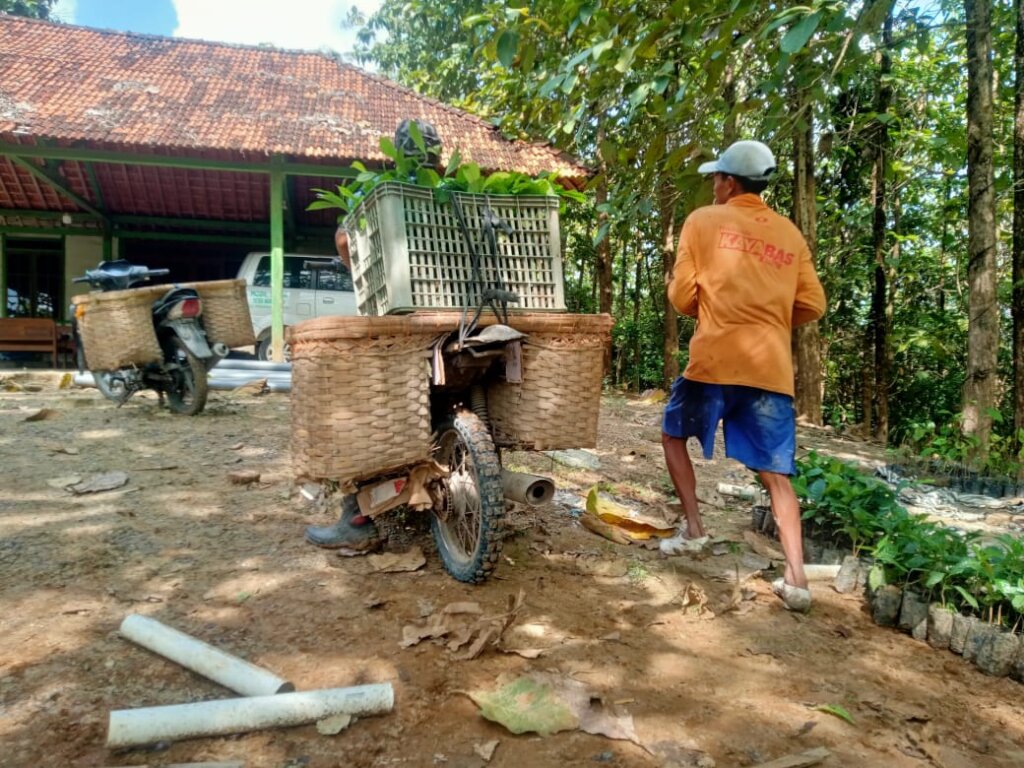
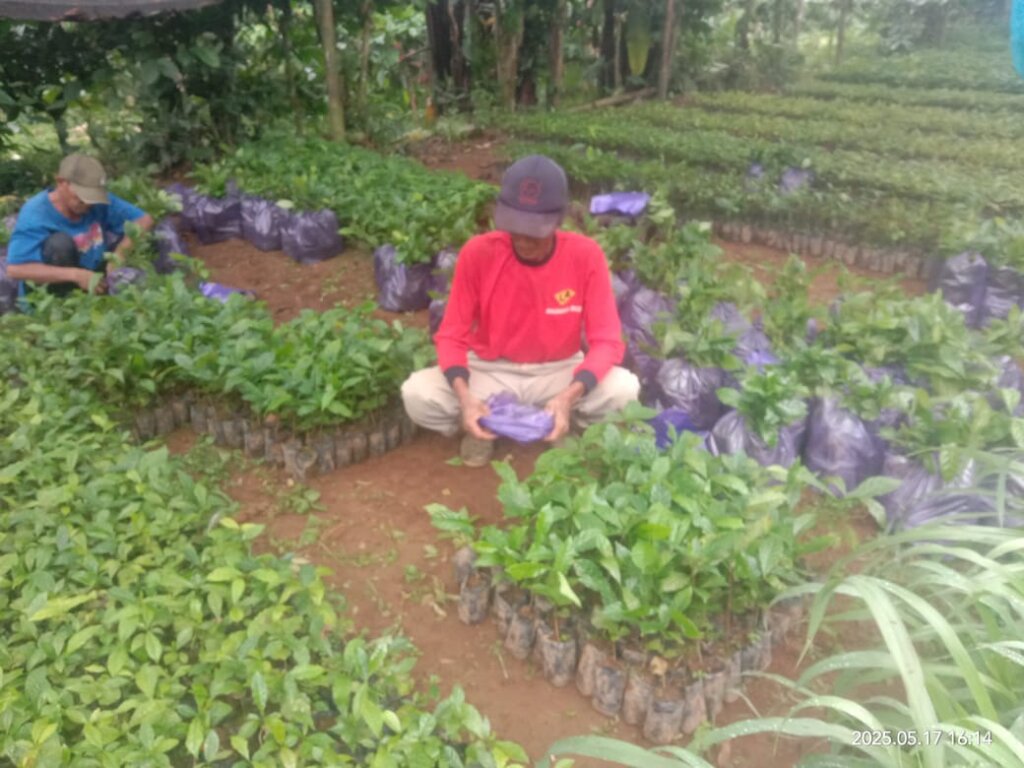
One of the key activities during this period is the preparation of seedlings for planting later in the year.
Among the species being prepared are Robusta coffee, Liberica coffee, durian, sugar palm, and locally appropriate conservation and timber species.
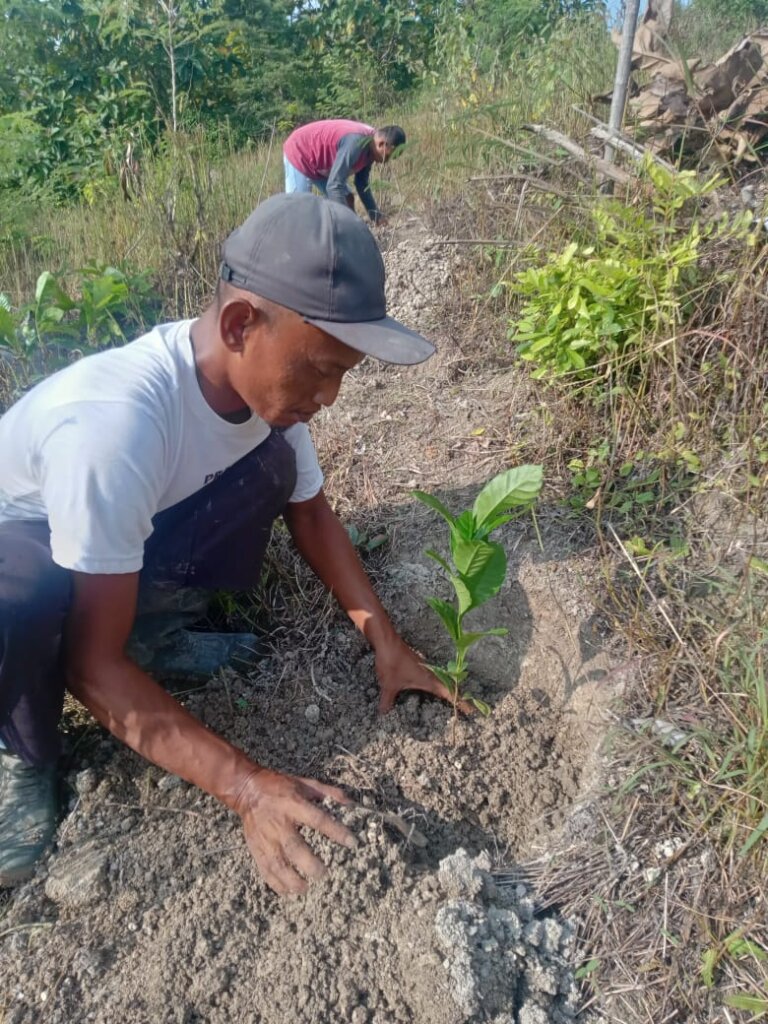
We are also preparing approximately 10,000 Robusta coffee seedlings for distribution to forest farmers in Blora. These seedlings will become part of diversified agroforestry systems rather than being planted as a monoculture.
The nursery strategy allows us to use the dry season productively: while field planting is limited, seedlings can be prepared and strengthened so that they are ready when adequate rainfall returns.
Building a Circular Economy Around Conservation
Forest restoration also requires stronger local economies. During August, we continued to promote the integration of livestock, agriculture, and agroforestry as part of a circular rural economy.
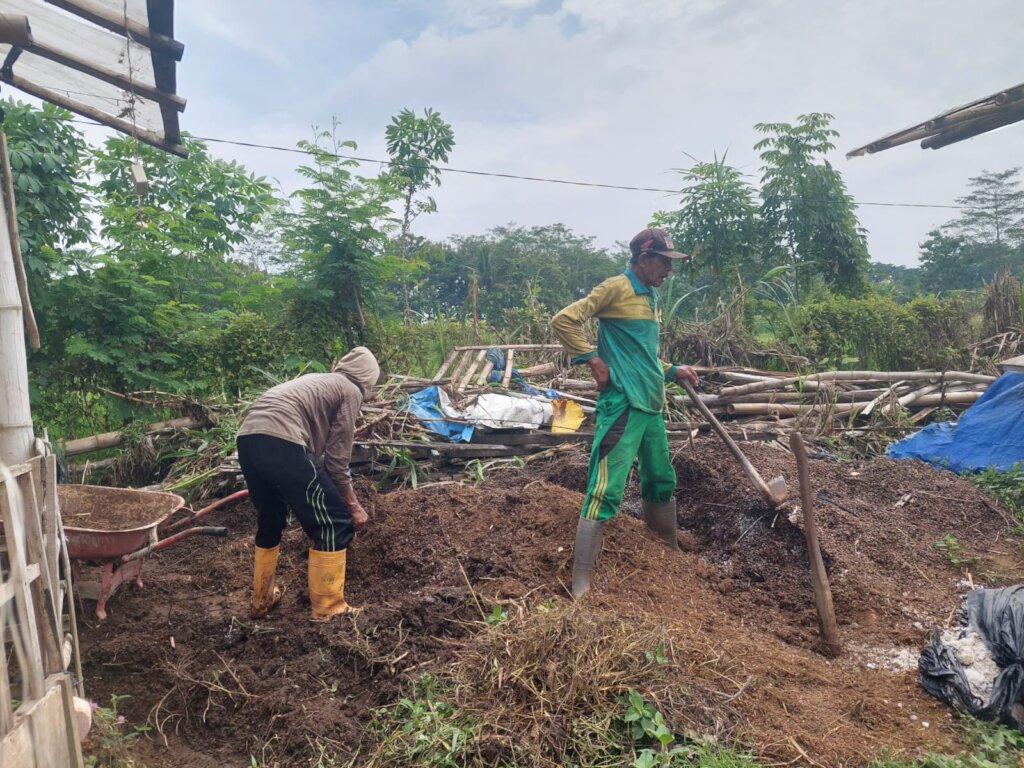
Community sheep farming provides an additional source of household income while producing organic manure. The manure can be processed into organic fertilizer and returned to agricultural and agroforestry areas.
This creates a cycle in which livestock support livelihoods, livestock waste becomes an agricultural input, and agroforestry provides food, income, and ecological benefits.
We see this circular economy approach as an important foundation for making conservation financially and socially sustainable at the community level.
Looking Toward the Rainy Season
The coming months will be critical.
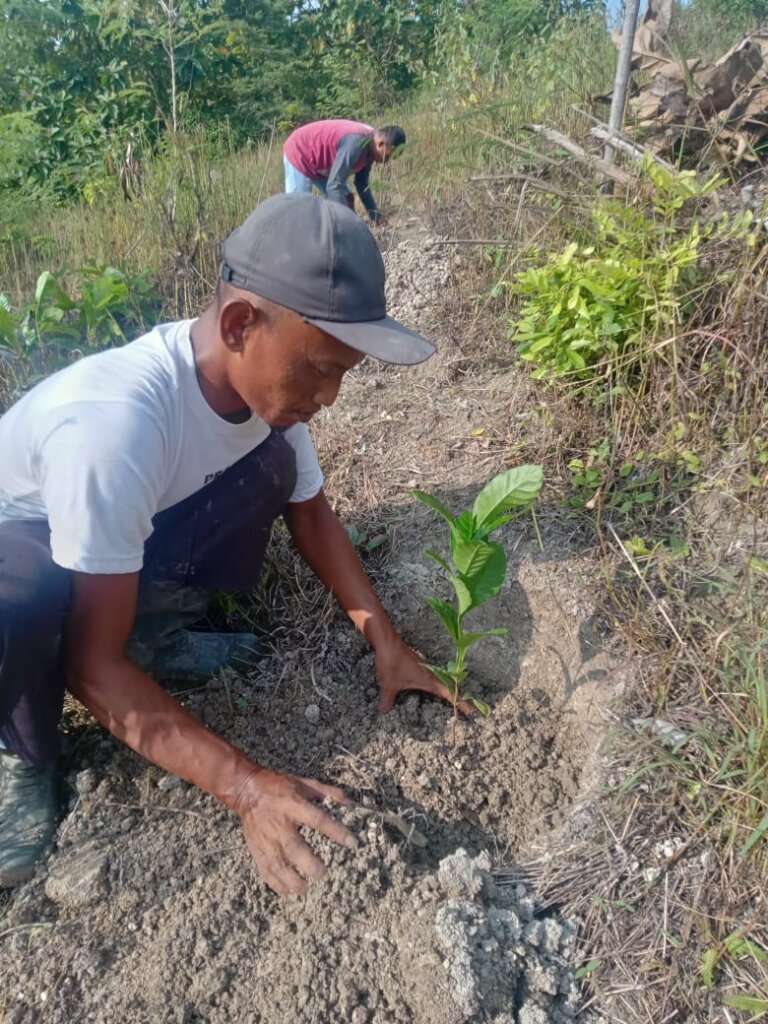
As rainfall begins to return to project areas, we expect to move from preparation toward field implementation. Seedlings prepared during the dry season will be distributed to communities, while selected degraded areas will be prepared for planting.
Our priority is not simply to achieve a large number of planted trees. We want to ensure that trees survive, grow, and become part of functioning landscapes managed by local communities.
This means that planting will be accompanied by community planning, site preparation, maintenance, and monitoring.
How Your Support Helps
The progress achieved so far has been made possible by the generosity of our donors and supporters.
Your contributions help us:
Prepare and maintain conservation seedlings
Restore degraded forest landscapes
Develop sustainable coffee-based agroforestry
Introduce high-value fruit trees such as durian
Strengthen forest farmers and community organizations
Develop circular economic activities
Build long-term community-based conservation systems
We are grateful for every contribution that helps us move this initiative forward.
The trees we prepare today will become part of the forests of tomorrow.
Together, we can restore degraded landscapes, strengthen rural livelihoods, and build a future where forests support people and people protect forests.
Thank you for standing with us.
Yayasan INFEST
By Mufid | Project Staff
By Muhammad Irsyadul Ibad | Project Leader
Project reports on GlobalGiving are posted directly to globalgiving.org by Project Leaders as they are completed, generally every 3-4 months. To protect the integrity of these documents, GlobalGiving does not alter them; therefore you may find some language or formatting issues.
If you donate to this project or have donated to this project, you can receive an email when this project posts a report. You can also subscribe for reports without donating.



Support this important cause by creating a personalized fundraising page.
Start a Fundraiser