By Mufid | Project Staff
Indonesia is home to one of the world's largest tropical forest ecosystems and is recognized as a global biodiversity hotspot. These forests play a critical role in regulating climate, protecting water resources, conserving wildlife, and supporting the livelihoods of millions of people.
Despite their importance, Indonesia's forests continue to face significant pressure. According to Global Forest Watch, Indonesia lost approximately more than 10 million hectares of tree cover between 2001 and 2024, driven by a combination of agricultural expansion, logging, mining, infrastructure development, and recurring forest fires. While government policies have contributed to reducing primary forest loss in recent years, increasing demand for land, extractive industries, and large-scale agricultural development continue to pose substantial risks to forest ecosystems.
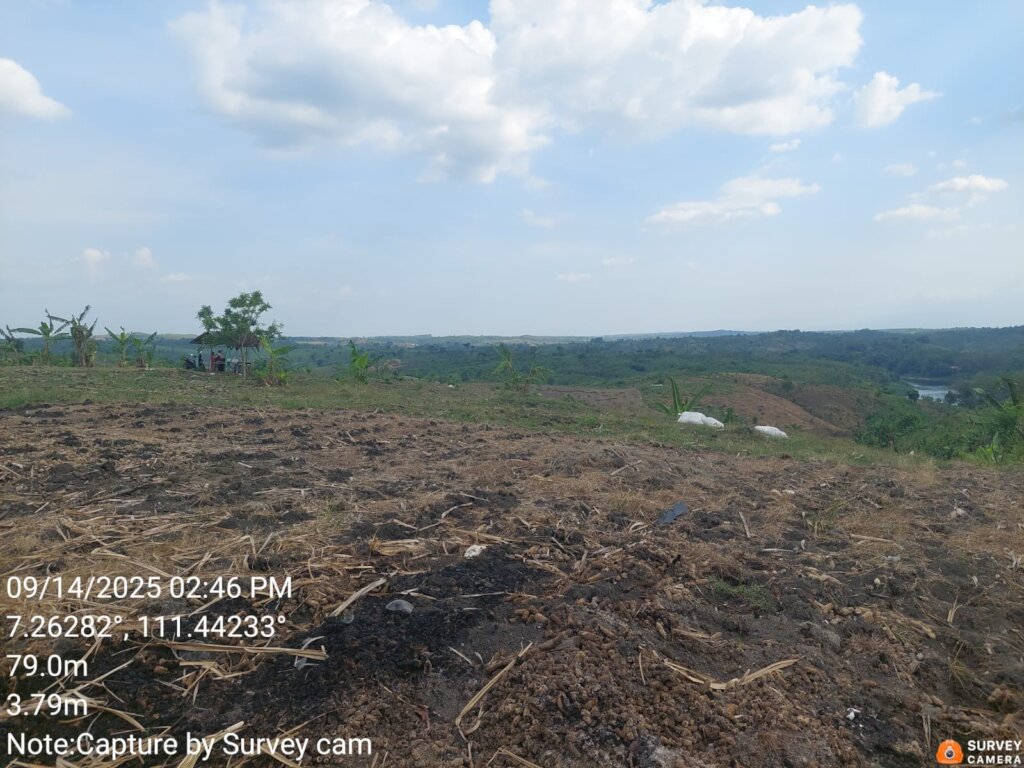
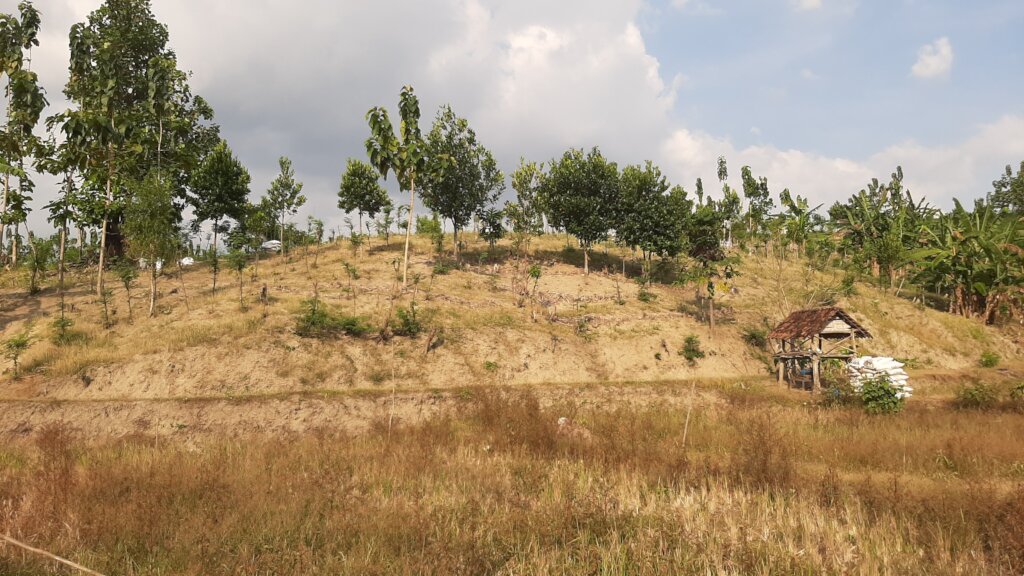
On the island of Java, where more than half of Indonesia's population lives, the challenge is even greater. Much of the original forest landscape has been converted into agricultural land over the past several decades, leaving many forest areas degraded and fragmented. These landscapes require restoration approaches that can balance ecological recovery with the economic needs of local communities.
What We Are Doing
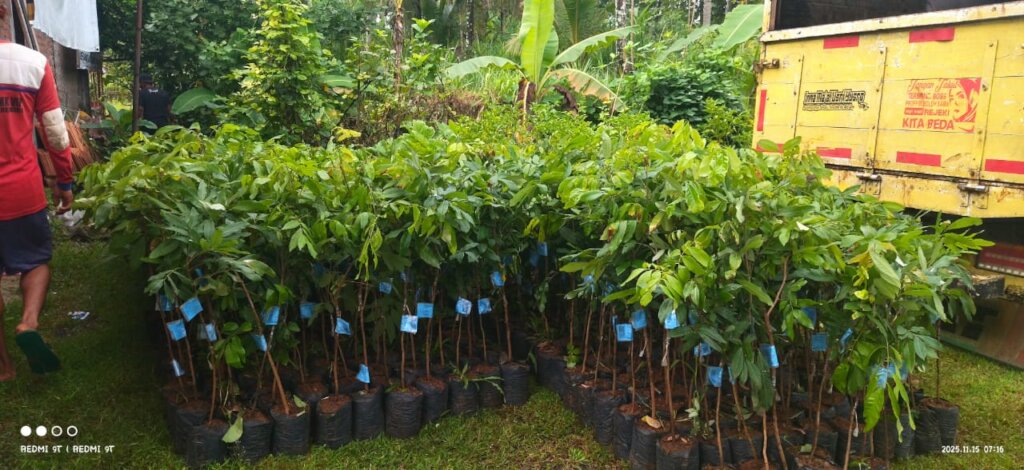
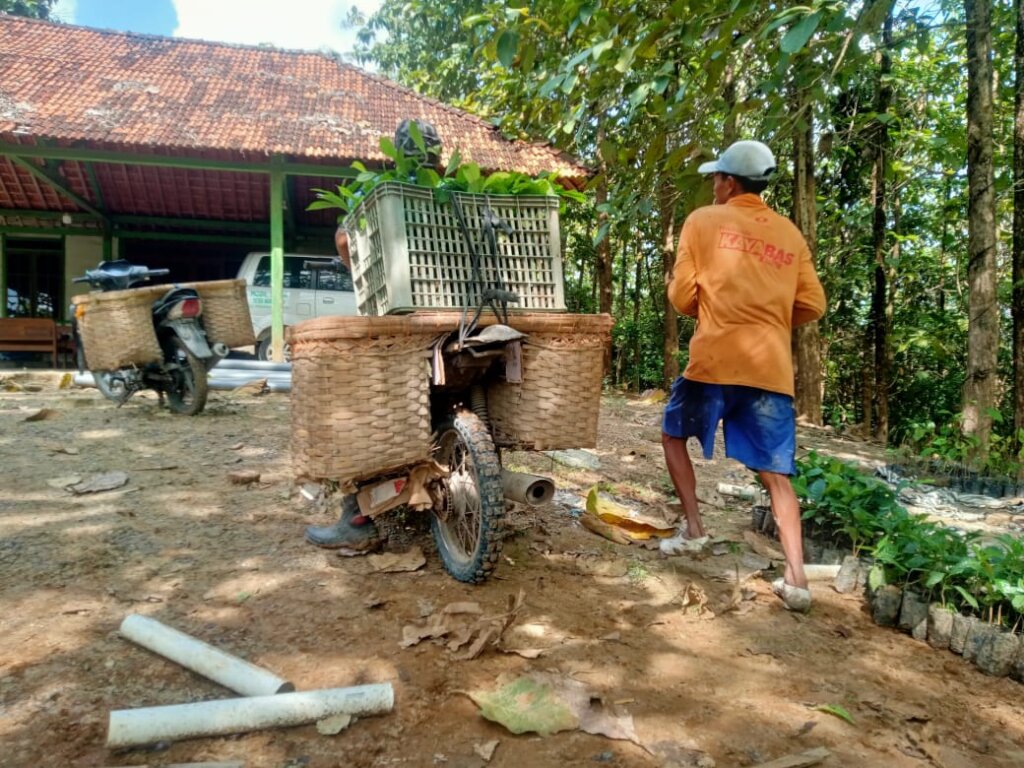
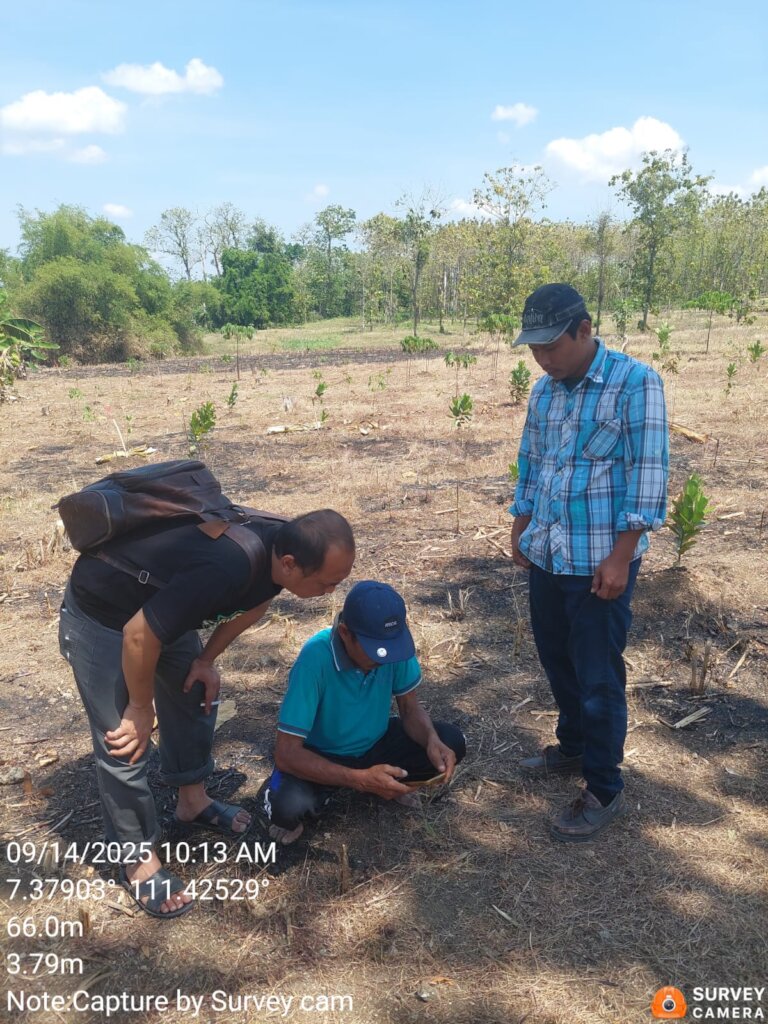
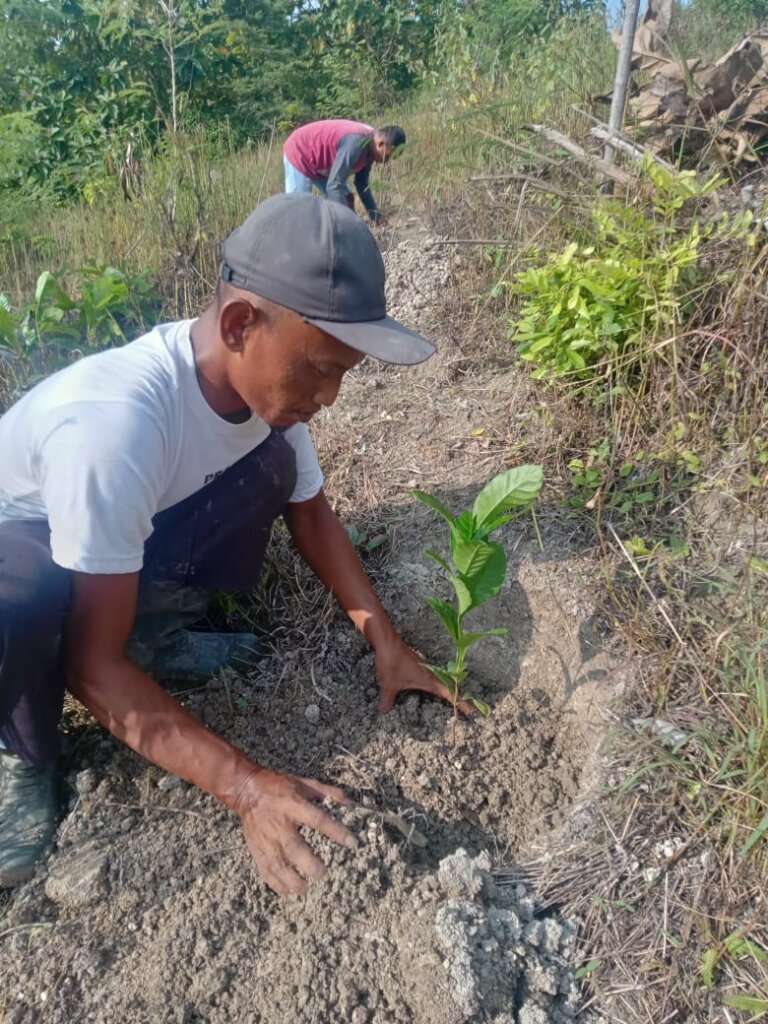
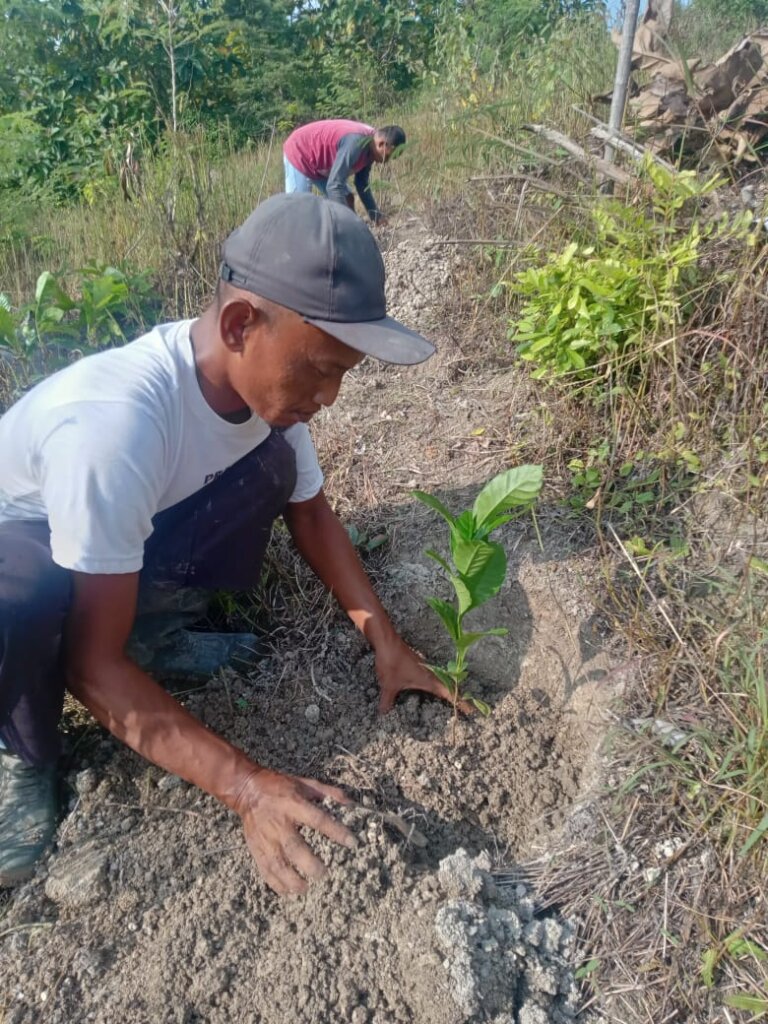
Yayasan INFEST is working to restore degraded forest landscapes in Java by promoting community-based conservation. Our work focuses on rebuilding forest ecosystems that have gradually disappeared since the late 1990s while creating sustainable livelihood opportunities for forest-edge communities.
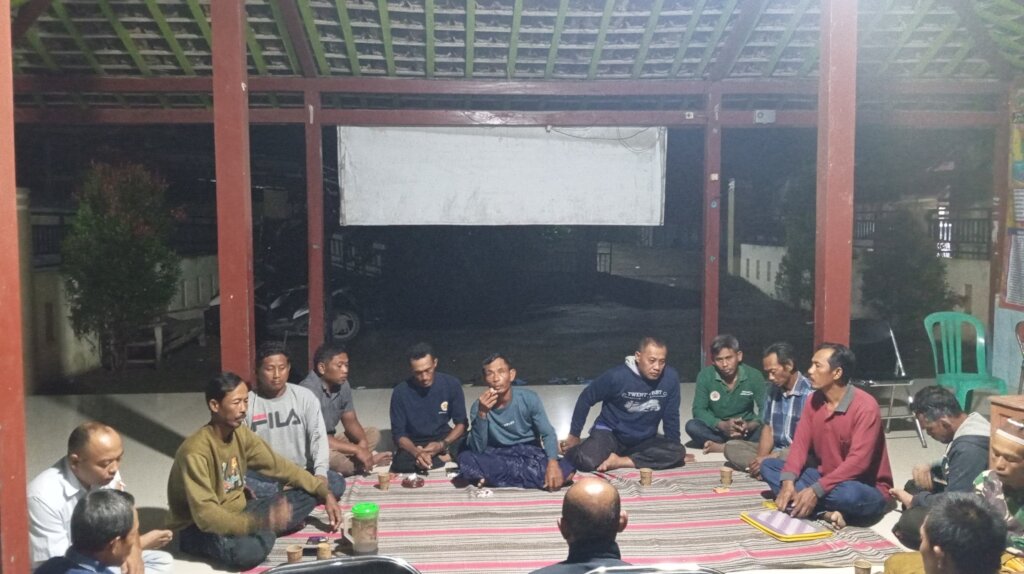
Rather than excluding communities from forest management, we support local people as active partners in restoration. By strengthening community organizations, improving local capacities, and developing nature-based livelihoods, we aim to reduce pressure on forests while increasing community resilience.
Our Agroforestry Approach
Agroforestry is at the heart of our conservation strategy.
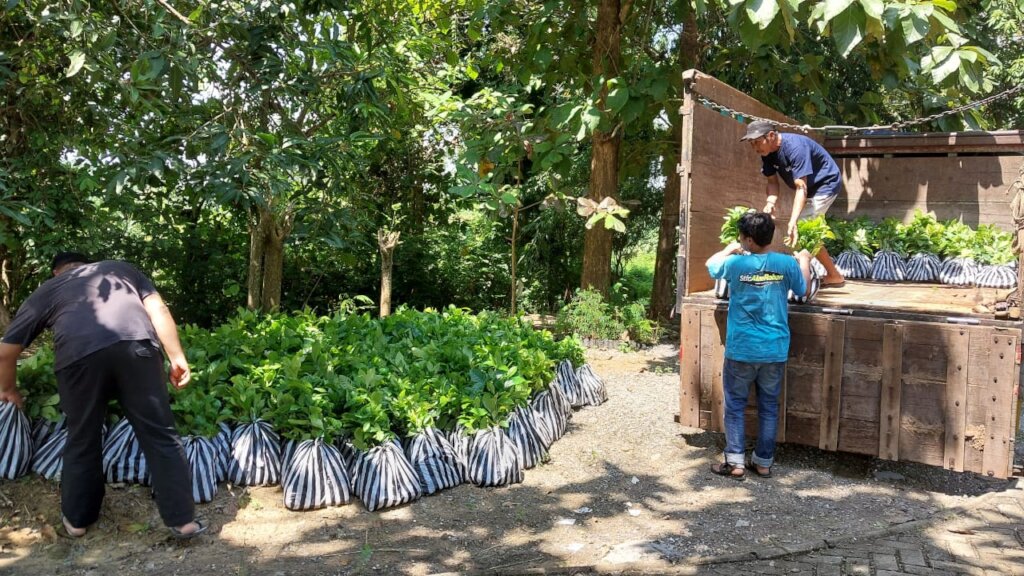
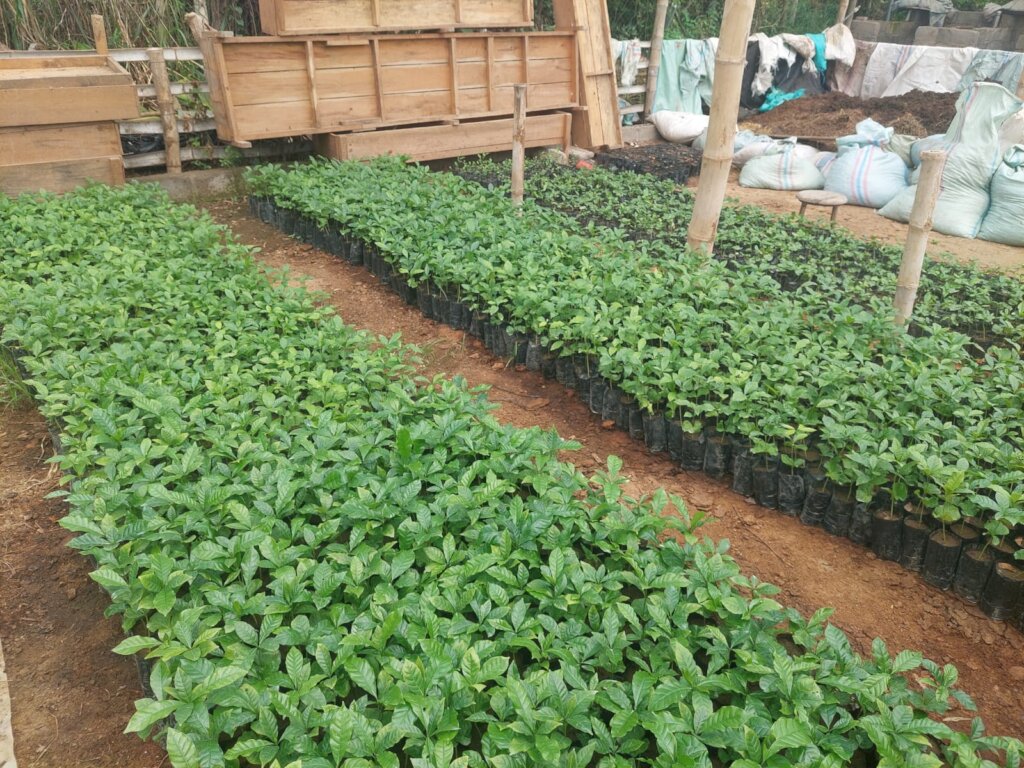
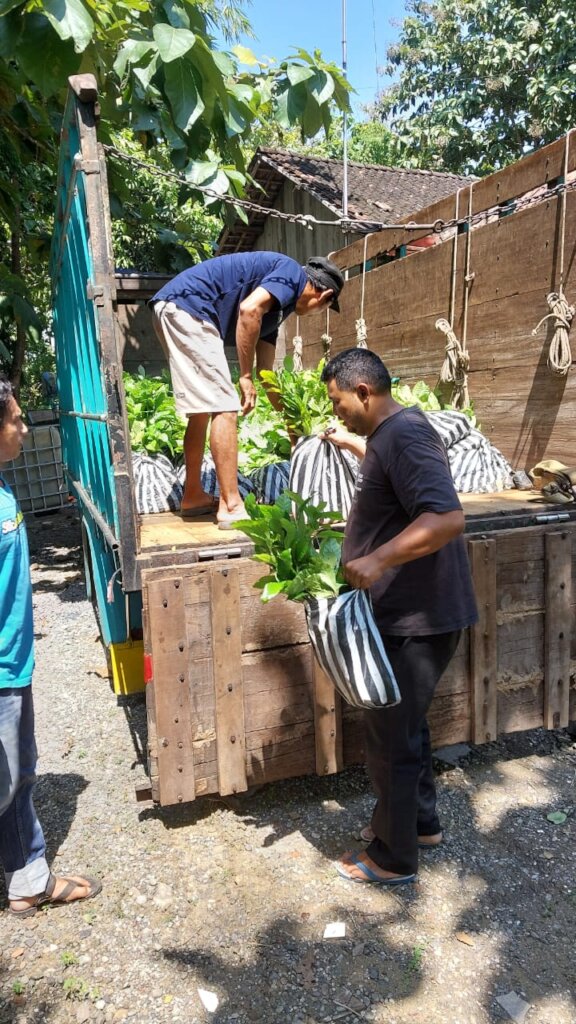
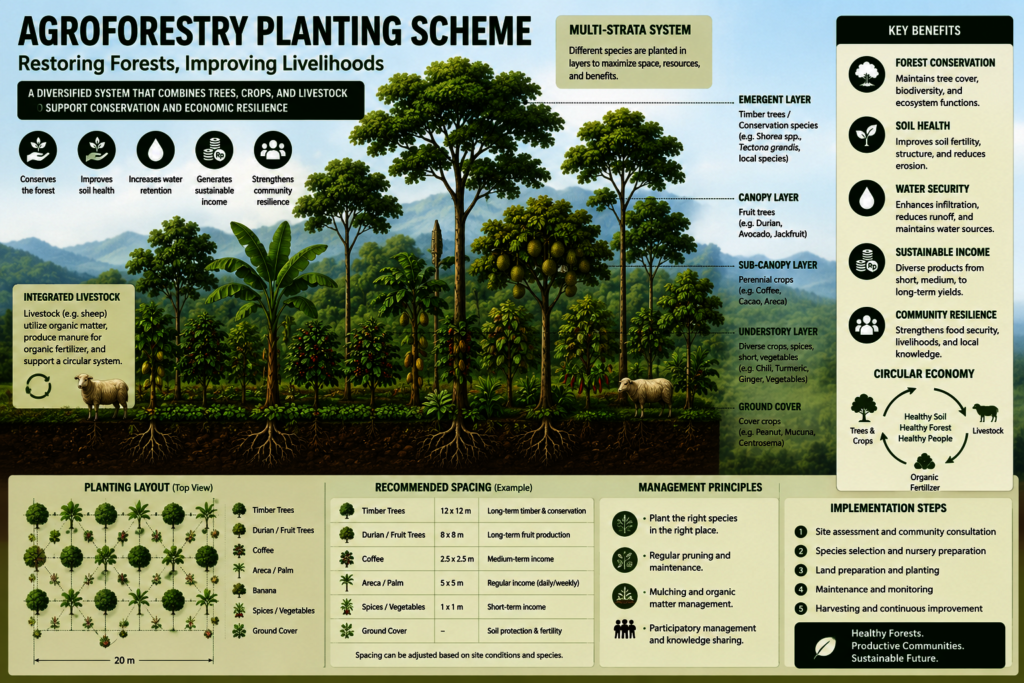
We integrate native timber species, Liberica and Robusta coffee, durian, sugar palm (aren), horticultural crops, spices, and livestock into diversified production systems that closely resemble natural forest structures.
This approach delivers multiple benefits:
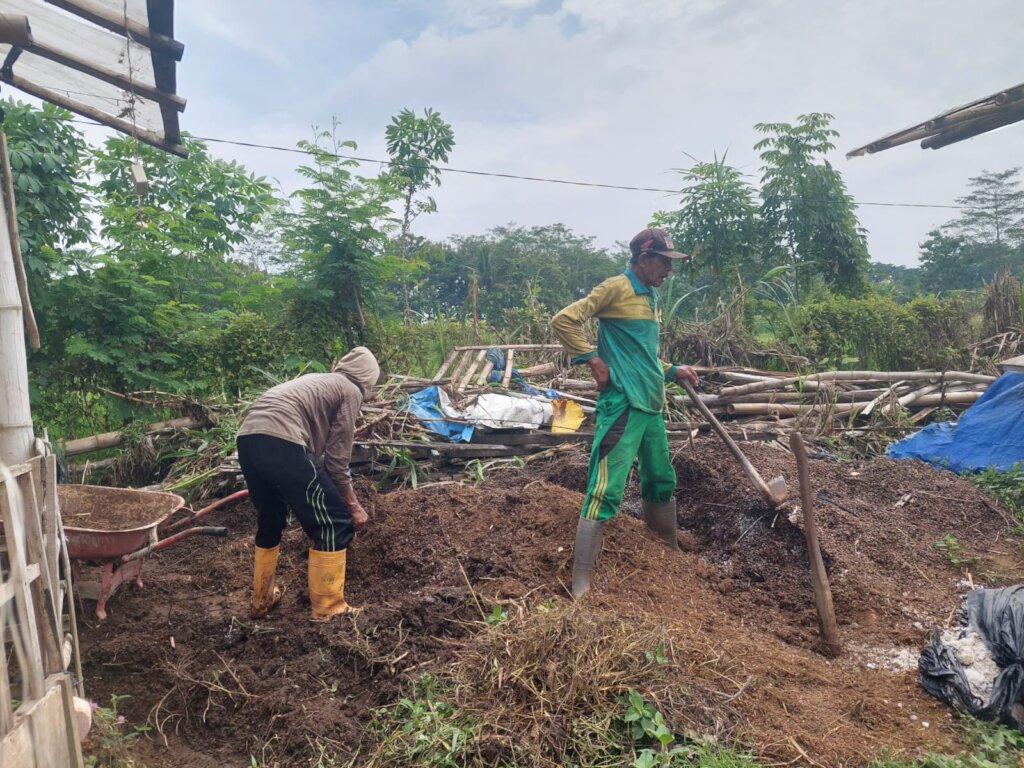
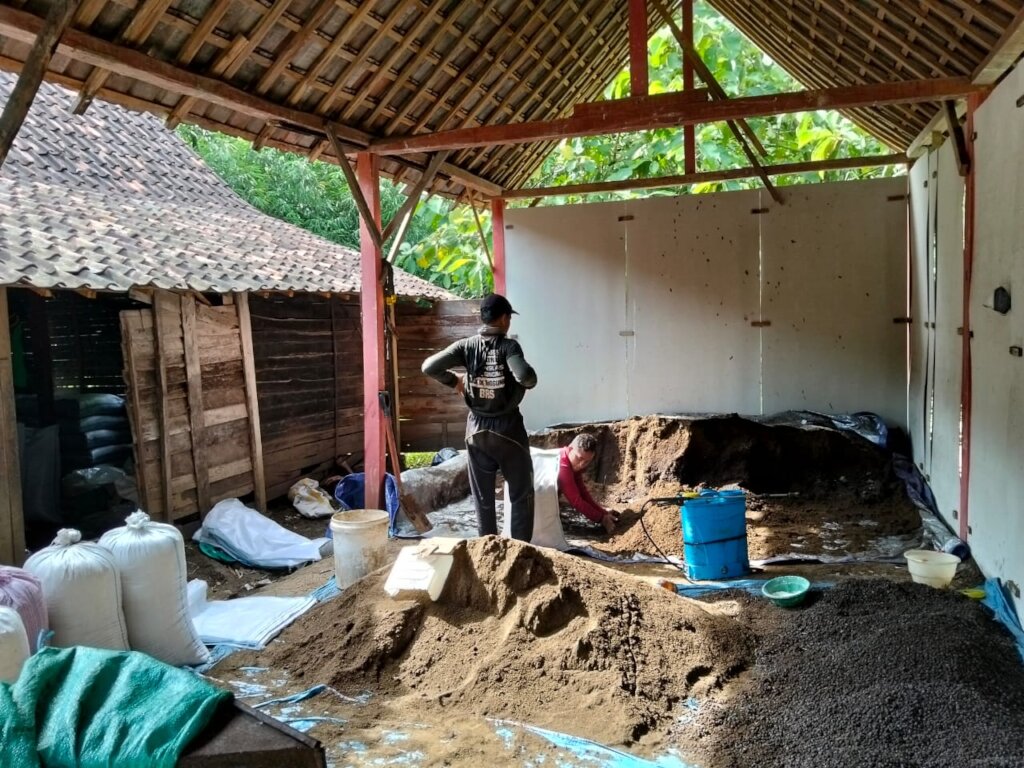
To strengthen sustainability, agroforestry is combined with a circular rural economy, where sheep farming produces organic fertilizer that is returned to agroforestry plots, improving soil health while reducing dependence on chemical inputs.
Looking Ahead: Our 2026 Plan
In 2026, Yayasan INFEST plans to expand its restoration efforts by preparing approximately 200 hectares of community-managed landscapes consisting of both agroforestry development areas and dedicated conservation zones.
This initiative will include:
By integrating ecological restoration with sustainable livelihoods, we believe conservation can create lasting benefits for both forests and the communities that depend on them.
Healthy forests require resilient communities. By restoring landscapes through agroforestry, we are protecting biodiversity, strengthening local economies, and building a more sustainable future for Java's forests.
By Mufid | Project Staff
By Mufid | Project Staff
Project reports on GlobalGiving are posted directly to globalgiving.org by Project Leaders as they are completed, generally every 3-4 months. To protect the integrity of these documents, GlobalGiving does not alter them; therefore you may find some language or formatting issues.
If you donate to this project or have donated to this project, you can receive an email when this project posts a report. You can also subscribe for reports without donating.



Support this important cause by creating a personalized fundraising page.
Start a Fundraiser