By kha | Project Staff
Forests in Java face intense and complex pressures. High population density, limited productive land, and strong economic dependence on agriculture mean that forest areas often overlap directly with community livelihoods. In this context, conservation strategies based solely on restriction or exclusion are difficult to sustain.
Agroforestry is needed because it offers a solution that connects conservation with livelihoods rather than separating them.
1 Addressing the Expansion of Seasonal Monoculture
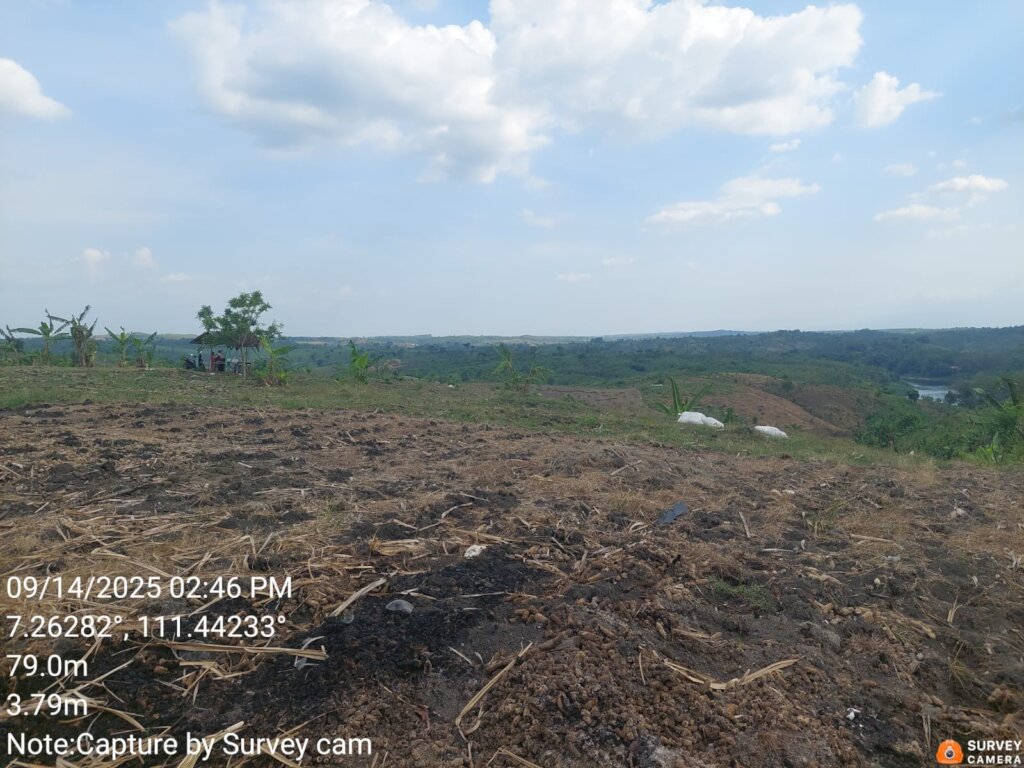
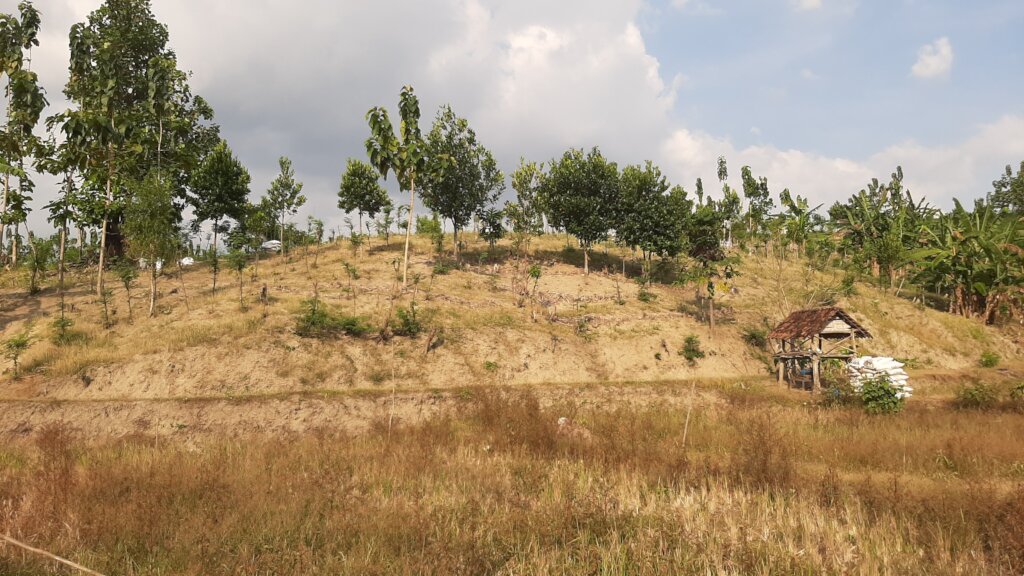
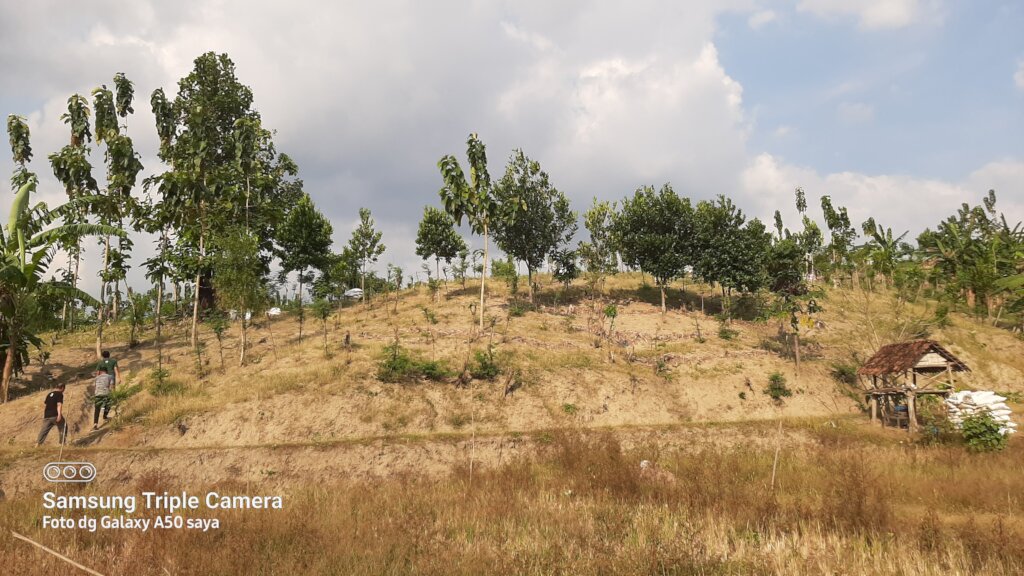
In many forest-edge areas of Java, short-term monoculture crops such as corn dominate the landscape. While these crops provide quick returns, they gradually deplete soil nutrients, increase erosion, and accelerate land degradation.
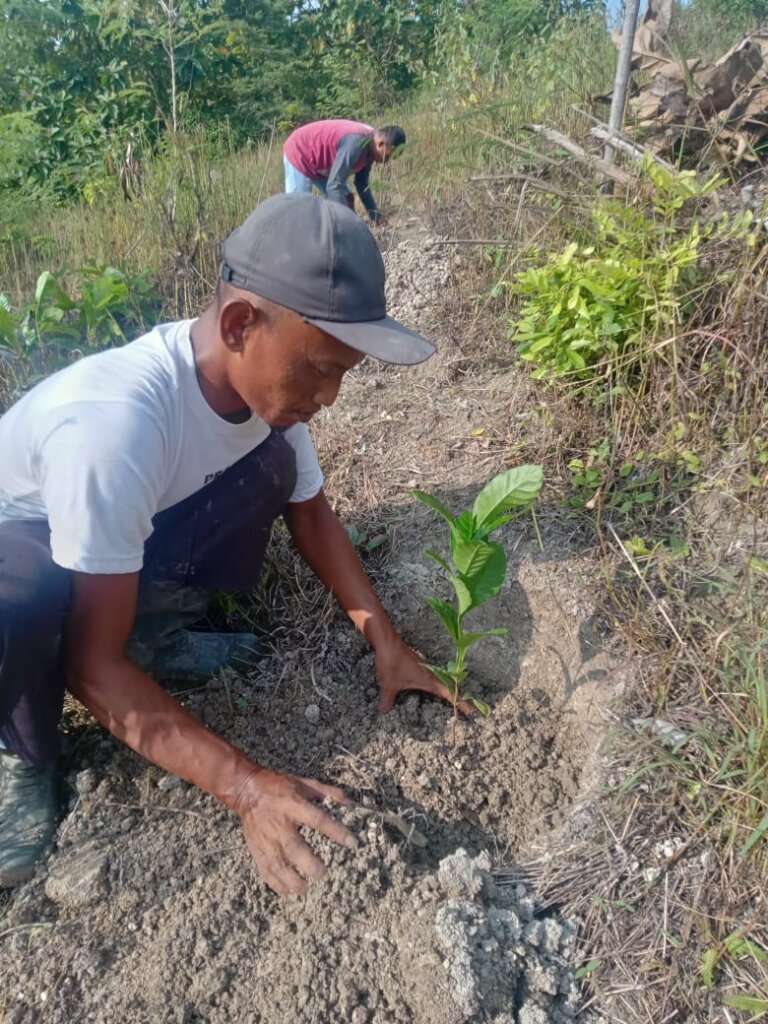
Agroforestry introduces a layered planting system that integrates trees with cultivated crops such as coffee or spices. Tree cover stabilizes slopes, improves water infiltration, and reduces landslide risks—critical functions in Java’s hilly terrain.
2 Reducing Pressure on Forest Areas
Economic instability is one of the primary drivers of forest degradation. When farmers depend on a single crop and income fluctuates, expansion into forest land becomes an economic survival strategy.
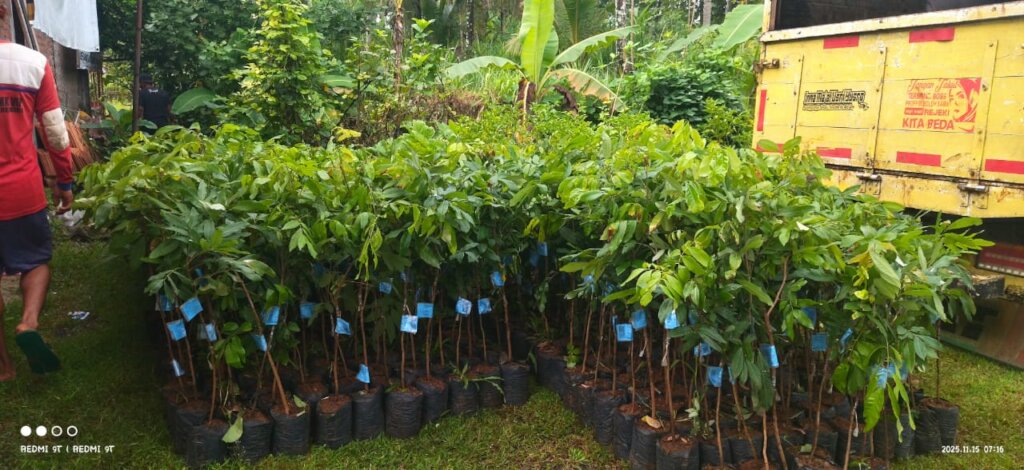
Agroforestry diversifies income streams through coffee, fruit trees, timber species, and other multi-purpose crops. With more stable and layered sources of income, farmers are less compelled to clear additional forest land.
3 Restoring Ecological Functions
Agroforestry helps rehabilitate degraded landscapes. Tree roots improve soil structure, leaf litter increases organic matter, and diversified vegetation supports biodiversity. Over time, these systems enhance climate resilience, water regulation, and long-term land productivity.
4 A Realistic and Inclusive Conservation Strategy
Forest conservation in Java cannot be separated from the socio-economic realities of forest-edge communities. Agroforestry is a practical approach because it:
Maintains economic productivity
Encourages community participation
Aligns with social forestry frameworks
Strengthens household economic resilience
Rather than separating people from forests, agroforestry builds a more balanced relationship between them.
Conclusion
Agroforestry is essential for forest conservation in Java because it links ecology and economy.
Without viable economic alternatives, conservation struggles to endure.
Without tree cover and soil restoration, rural livelihoods remain fragile.
Through agroforestry, forests can remain standing, soils can recover, and communities can build sustainable futures.
Project reports on GlobalGiving are posted directly to globalgiving.org by Project Leaders as they are completed, generally every 3-4 months. To protect the integrity of these documents, GlobalGiving does not alter them; therefore you may find some language or formatting issues.
If you donate to this project or have donated to this project, you can receive an email when this project posts a report. You can also subscribe for reports without donating.



Support this important cause by creating a personalized fundraising page.
Start a Fundraiser